

Leptogenys ferrarii
- Scientific Name
- Leptogenys ferrarii
- Tribe
- Ponerini
- Subfamily
- Ponerinae
- Author
- Forel, 1913
- Distribution
- Found in 3 countries
Leptogenys ferrarii Overview
Leptogenys ferrarii is an ant species of the genus Leptogenys. It is primarily documented in 3 countries , including Côte d'Ivoire, Liberia, Zimbabwe. Detailed taxonomic data and occurrence records can be further explored via authoritative databases such as AntWeb or the Global Biodiversity Information Facility (GBIF).
Leptogenys ferrarii
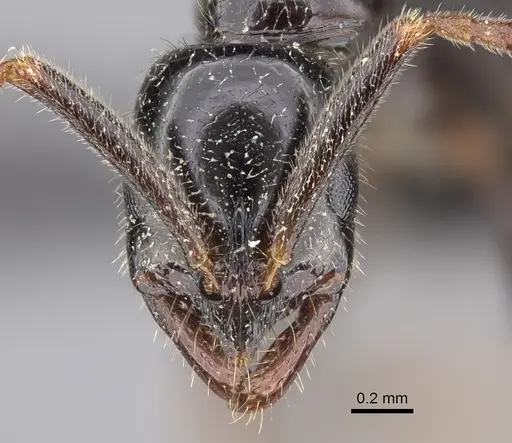
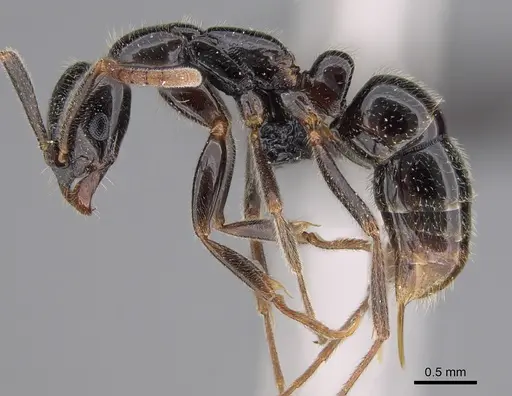
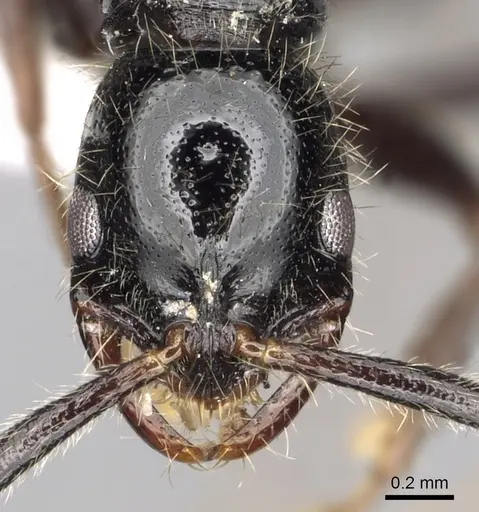
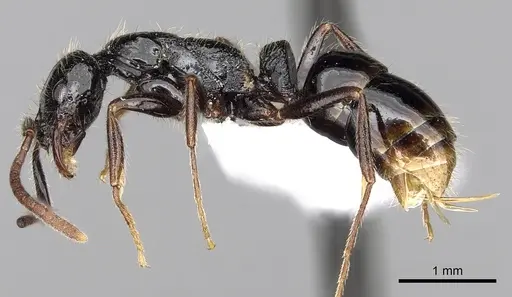
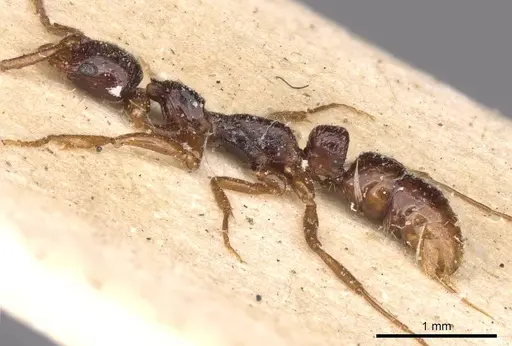
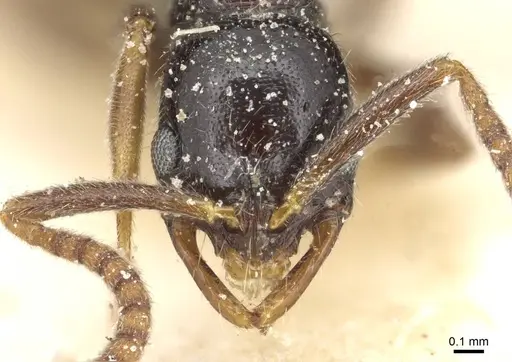
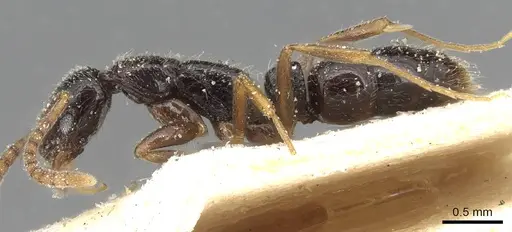
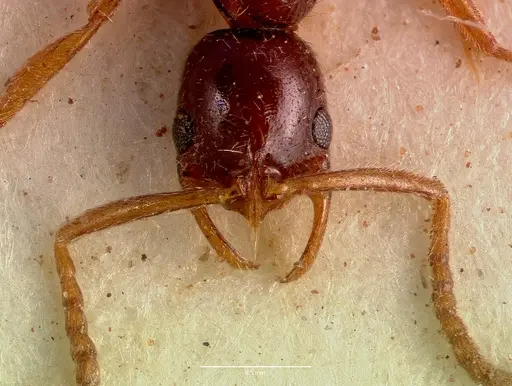
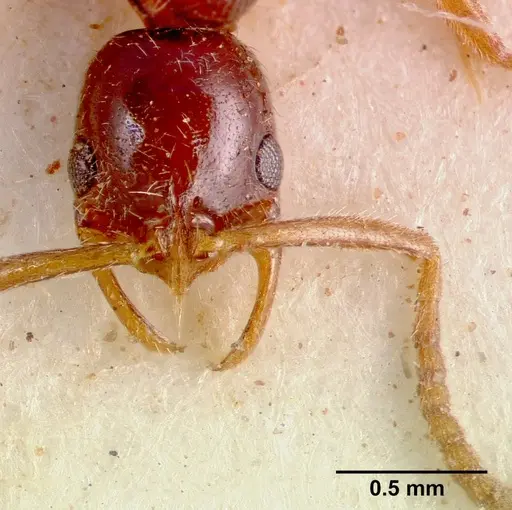
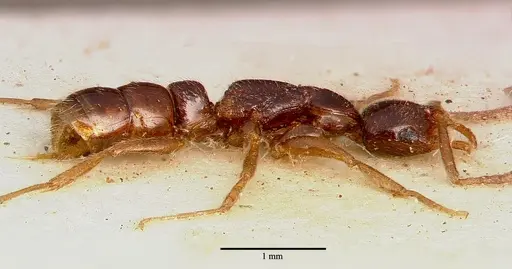
Leptogenys ferrarii is a predatory ant species native to central and eastern Africa. Workers are medium-sized at around 6-8mm, with the elongated mandibles typical of the genus, these are specialized hunting tools designed to seize and subdue prey. The body is typically dark brown to black with a somewhat flattened appearance. This species is part of the Ponerinae subfamily, known for their powerful stings and efficient predatory behaviors. In the wild, they raid spider colonies and other small arthropods, using coordinated group attacks to overwhelm prey. They were originally described from the Democratic Republic of Congo and have more recently been recorded in Rwanda's Akagera National Park [1][2].
Quick Summary
- Difficulty: Medium
- Origin & Habitat: Democratic Republic of Congo and eastern Rwanda. Found in Akagera National Park, a savanna and forest ecosystem in eastern Rwanda [2]. Likely inhabits forest floor environments where they hunt spiders and other small arthropods.
- Colony Type: Colony structure is unconfirmed. Based on typical Leptogenys patterns, likely single-queen colonies.
- Size & Growth:
- Queen: Estimated 10-12mm based on genus Leptogenys morphology
- Worker: Estimated 6-8mm based on genus patterns
- Colony: Likely several hundred workers based on genus typical colony sizes
- Growth: Moderate
- Development: Estimated 6-10 weeks based on related Ponerinae species at optimal temperature (Development time is estimated from genus-level data since species-specific timing is unconfirmed)
- Antkeeping:
- Temperature: Keep around 24-28°C. Provide a temperature gradient so ants can self-regulate. This matches their tropical African origin [2].
- Humidity: Maintain moderate to high humidity around 70-80%. These forest-floor predators need damp substrate conditions.
- Diapause: Likely minimal or no true diapause given their tropical origin. May show reduced activity during cooler periods.
- Nesting: Y-tong (AAC) nests or plaster nests work well. Provide damp substrate and dark, secure chambers. Avoid dry, open setups.
- Behavior: Leptogenys ferrarii is a predatory species that hunts spiders and other small arthropods. They are active foragers and likely use trail pheromones to coordinate group raids on prey colonies. Workers have a potent sting, handle with caution. They are escape artists due to their active nature, ensure excellent barrier protection. They are not aggressive toward humans unless threatened, but their sting can be painful.
- Common Issues: escape prevention is critical, active foragers will find any gap, predatory diet means they need constant access to live prey, not suitable for keepers who dislike feeding insects, slow colony establishment compared to seed-eating ants, sting can cause localized pain, handle carefully, may be difficult to establish wild-caught colonies due to stress
Housing and Nest Setup
Leptogenys ferrarii does well in Y-tong (AAC) nests or plaster formicaria. These setups allow you to maintain proper humidity while providing dark, secure chambers that these forest-floor ants prefer. The nest should have damp substrate or a water reservoir to maintain humidity around 70-80%. Place the nest in a low-traffic area away from direct sunlight. The outworld should be spacious enough for foraging and hunting activities. Use a test tube setup for founding colonies, transitioning to a proper nest once the colony reaches 20-30 workers. Ensure all connections are secure, these active ants will exploit any loose fittings.
Feeding and Diet
As predatory ants, Leptogenys ferrarii requires a protein-rich diet of live prey. Their primary food in the wild consists of spiders and other small arthropods. In captivity, offer live small insects such as fruit flies, small crickets, mealworms, and other appropriately-sized prey. Feed small prey items 2-3 times per week, adjusting based on colony size and consumption. Remove uneaten prey after 24 hours to prevent mold. Sugar sources like honey or sugar water may be accepted for energy, but protein remains essential for brood development. A varied diet helps ensure colony health.
Temperature and Humidity
Maintain temperatures between 24-28°C for optimal colony health and development. Provide a temperature gradient by placing a heating cable on one side of the nest, allowing workers to self-regulate by moving between warmer and cooler areas. This species originates from tropical Africa, so they do not require hibernation. Keep humidity high at 70-80%, use a water reservoir or regularly mist the nest substrate. Monitor for condensation, which indicates proper humidity levels. Avoid both drying out and waterlogging the substrate.
Behavior and Temperament
Leptogenys ferrarii is an active, predatory ant that hunts in groups. Workers use chemical trails to coordinate raids on spider colonies and other prey. They have elongated mandibles designed for grasping and subduing prey, plus a functional sting for defense and subjugation. These ants are not typically aggressive toward humans but will sting if threatened or handled roughly. The sting can cause localized pain similar to a bee sting. They are excellent escape artists due to their active foraging behavior, use fluon barriers and ensure all enclosures are secure. Colonies become more active and visible as they grow, making them engaging to observe.
Frequently Asked Questions
How long does it take for Leptogenys ferrarii to produce first workers?
Based on related Ponerinae species, expect first workers (nanitics) in approximately 6-10 weeks after the queen lays eggs, assuming optimal temperature around 26°C. Development may be slower at lower temperatures.
Do Leptogenys ferrarii ants sting?
Yes, they have a functional sting and will use it if threatened. The sting can cause localized pain similar to a bee sting. Handle with care and avoid provoking the ants.
What do Leptogenys ferrarii eat?
They are predatory ants that need live protein prey. Feed small insects like fruit flies, small crickets, and mealworms. They may accept sugar water for energy but require live prey for proper nutrition and brood development.
Are Leptogenys ferrarii good for beginners?
This species is rated as medium difficulty. They require more specialized care than seed-eating ants due to their predatory diet and need for live prey. They are not recommended as a first ant unless the keeper is prepared to regularly provide live insects.
How big do Leptogenys ferrarii colonies get?
Based on genus patterns, colonies likely reach several hundred workers. Maximum size is estimated since species-specific colony data is limited.
Can I keep multiple Leptogenys ferrarii queens together?
Colony structure is unconfirmed for this species. Based on typical Leptogenys behavior, single-queen colonies are likely. Combining unrelated queens is not recommended without documented evidence of polygyny.
Do Leptogenys ferrarii need hibernation?
Given their tropical African origin, they likely do not require true hibernation. They may show reduced activity during cooler periods but no formal diapause is needed.
How do I prevent Leptogenys ferrarii from escaping?
Use excellent escape prevention including fluon barriers on enclosure edges, tight-fitting lids, and fine mesh on any ventilation. Check connections between nest and outworld regularly as these active foragers will find any gap.
What temperature range is best for Leptogenys ferrarii?
Keep them at 24-28°C with a gradient allowing self-regulation. A heating cable on one side of the nest can create this gradient. Avoid temperatures below 20°C or above 32°C.
When should I move Leptogenys ferrarii from a test tube to a formicarium?
Move them once the colony reaches 20-30 workers and the test tube's water reservoir is depleted. Ensure the new nest maintains proper humidity and has appropriate chamber sizes.
References

This caresheet is licensed under CC BY-SA 4.0 .
CASENT0067051
View on AntWeb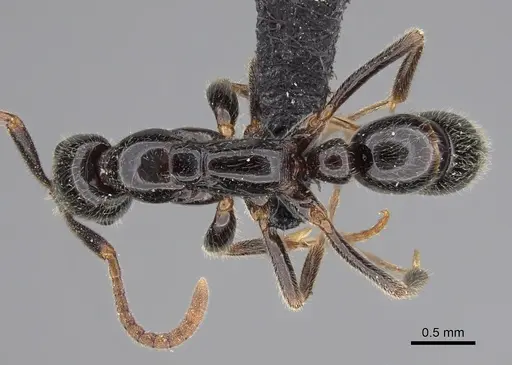
CASENT0317014
View on AntWeb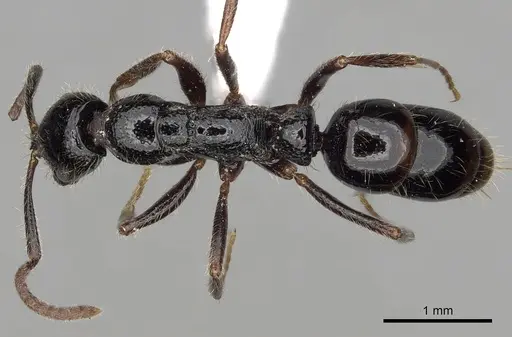
CASENT0907341
View on AntWeb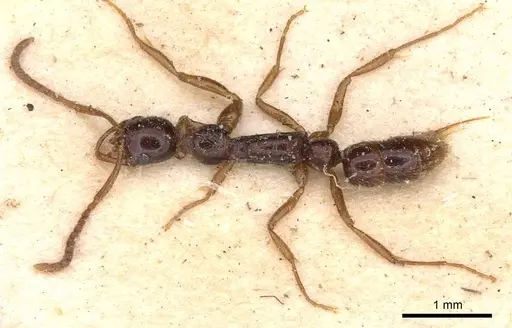
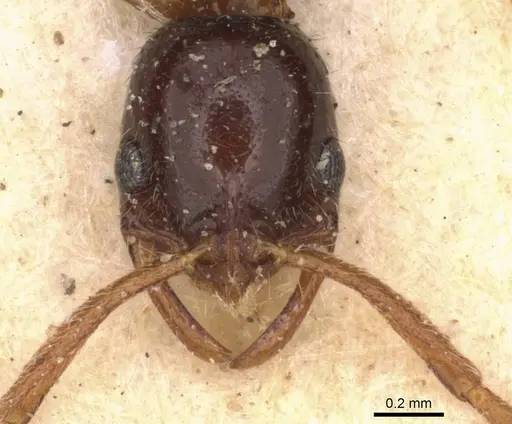
CASENT0915227
View on AntWeb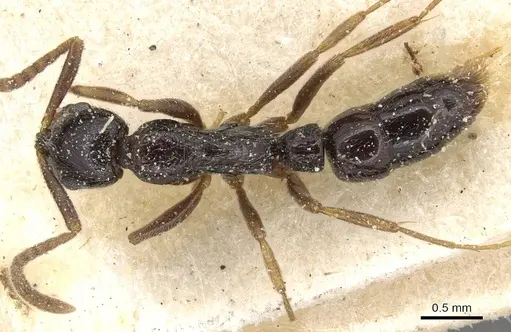
SAM-HYM-C002453
View on AntWeb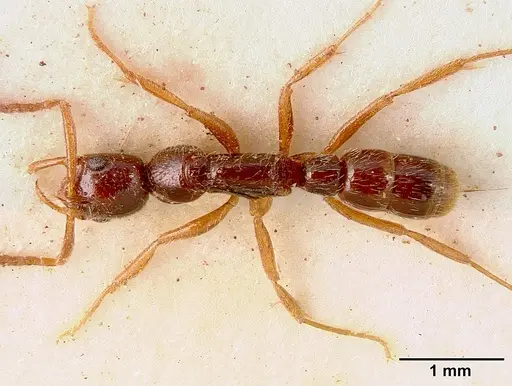
Literature
Loading...Loading products...