

Leptogenys fallax
- Scientific Name
- Leptogenys fallax
- Tribe
- Ponerini
- Subfamily
- Ponerinae
- Author
- Mayr, 1876
- Distribution
- Found in 1 countries
Leptogenys fallax Overview
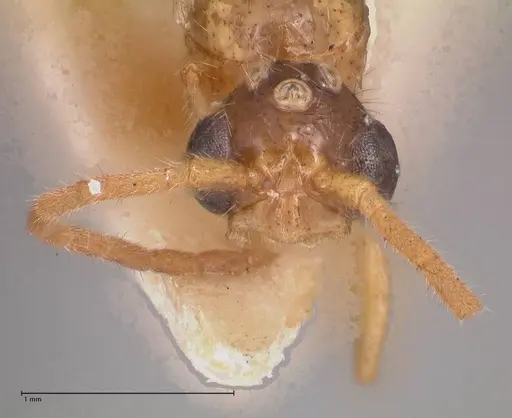
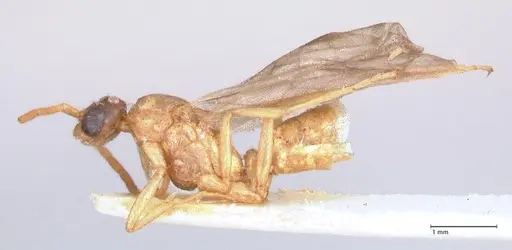
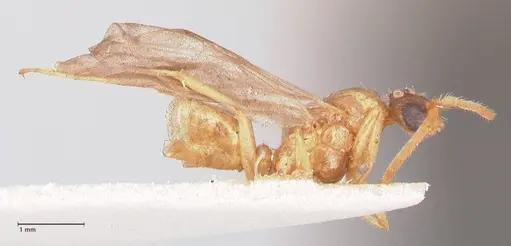
Leptogenys fallax is an ant species of the genus Leptogenys. It is primarily documented in 1 countries , including Australia. Detailed taxonomic data and occurrence records can be further explored via authoritative databases such as AntWeb or the Global Biodiversity Information Facility (GBIF).
Leptogenys fallax
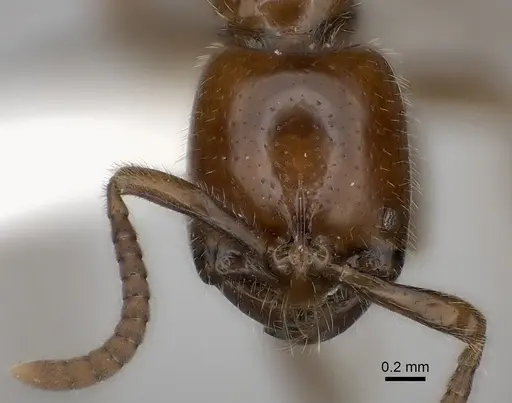
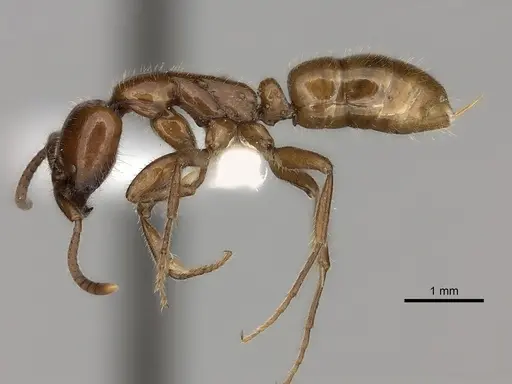
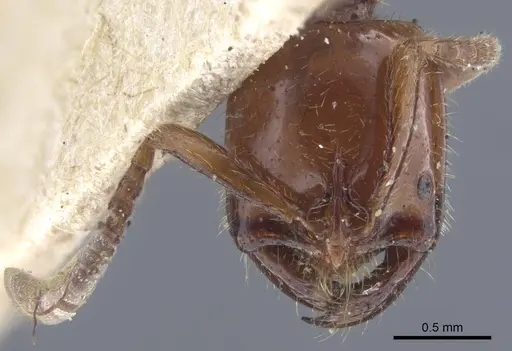
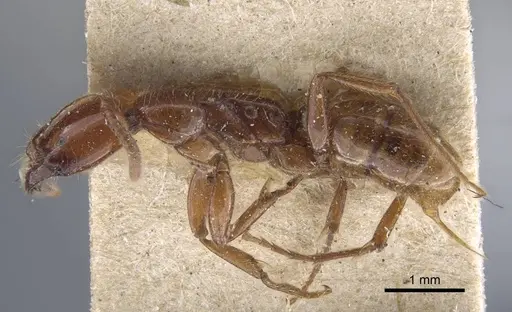
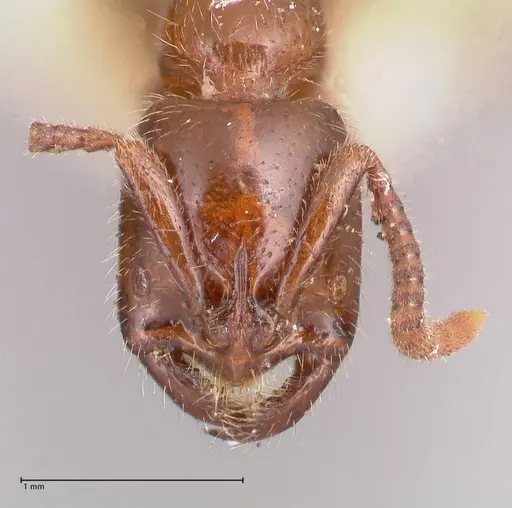
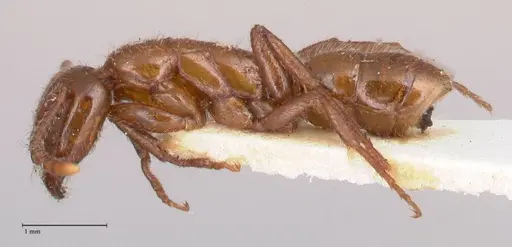
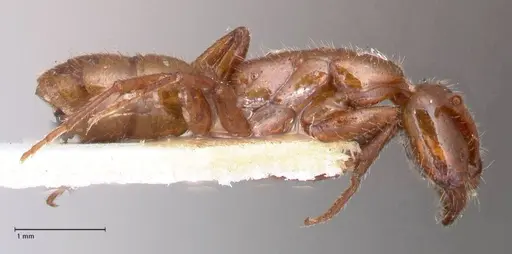
Leptogenys fallax is a slender, predatory ant species native to Australia, specifically found in Queensland regions including Cape York, Rockhampton, Gayndah, and Peak Downs [1]. Workers are typically around 5-7mm with the elongated, sleek body characteristic of the Leptogenys genus, dark in coloration with relatively long legs adapted for active hunting. This species belongs to the Ponerinae subfamily, a group known for their predatory nature and relatively simple colony structures compared to more advanced ant genera. Unlike many common pet ants, Leptogenys are specialized predators that hunt primarily using their powerful mandibles to capture prey. The genus is widespread across tropical and subtropical regions, with L. fallax representing the Australian representative of this predatory ant group.
Quick Summary
- Difficulty: Medium
- Origin & Habitat: Australia (Queensland: Cape York, Rockhampton, Gayndah, Peak Downs). Inhabits tropical to subtropical savanna and woodland environments [1].
- Colony Type: Likely monogyne (single queen colonies) based on typical Leptogenys patterns. Colony size appears moderate, likely reaching a few hundred workers at maturity.
- Colony: Monogyne
- Founding: Semi-claustral
- Size & Growth:
- Queen: Approximately 7-9mm (estimated based on genus Leptogenys patterns)
- Worker: 5-7mm [1]
- Colony: Likely several hundred workers based on genus patterns
- Growth: Moderate, Ponerinae typically develop slower than myrmicines
- Development: Estimated 8-12 weeks at optimal temperature based on related Ponerinae species (Development time is estimated from genus-level data since species-specific timing is unconfirmed. Ponerine ants typically have longer development than many common pet ants.)
- Antkeeping:
- Temperature: Keep at 24-28°C. Australian tropical/subtropical origin means they prefer warm conditions. A heating cable on one side of the nest creates a suitable gradient [1].
- Humidity: Moderate humidity around 60-70%. Keep the nest substrate slightly moist but not waterlogged. These ants prefer conditions similar to shaded forest floor environments.
- Diapause: Likely required, Australian ants typically need a winter rest period. Reduce temperature to 15-18°C for 2-3 months during austral winter (roughly June-August in Australia).
- Nesting: Y-tong (AAC) nests or plaster nests work well. Provide narrow chambers scaled to their body size. They prefer dark, humid nest conditions with minimal disturbance.
- Behavior: Leptogenys fallax is an active, predatory ant that hunts primarily at night. Workers are aggressive hunters using their sharp mandibles to capture prey items. They are not aggressive toward humans but will defend their nest vigorously. Escape prevention is important, they are medium-sized ants but active and may attempt to explore. They do not have a functional stinger but can deliver a painful bite with their powerful mandibles.
- Common Issues: predatory nature means they require live prey, failure to provide appropriate food leads to colony decline, slow development compared to common pet ants can lead to keeper impatience and overfeeding, hibernation requirements are often misunderstood, insufficient cooling period may stress colonies, wild-caught colonies may carry parasites that can devastate captive populations, medium size and active behavior require secure escape prevention despite not being extreme escape artists
Housing and Nest Setup
Leptogenys fallax adapts well to standard ant keeping setups. Y-tong (AAC) nests work excellently, the dark chambers mimic their natural underground chambers, and the acrylic construction allows you to observe colony activity. Plaster nests are also suitable and help maintain the moderate humidity they prefer. For founding colonies, a test tube setup with a water reservoir works well for the first few months. When your colony reaches 15-20 workers, consider moving to a small formicarium connected to an outworld. The nest should have chambers sized appropriately for their 5-7mm workers, not too large, as these ants prefer snug spaces. Provide a humidity gradient by keeping one end slightly moister than the other, allowing the ants to self-regulate. [1]
Feeding and Diet
As predatory ants, Leptogenys fallax requires live prey to thrive. Their primary diet should consist of small invertebrates, fruit flies, pinhead crickets, small mealworms, and other appropriately sized arthropods. They are active hunters that typically attack and dismember prey larger than themselves. Feed adult colonies 2-3 times per week with prey items roughly equal to the number of workers. Remove uneaten prey after 24 hours to prevent mold. While they may occasionally accept protein-based liquids or dead prey, live prey is essential for maintaining healthy, active colonies. Sugar sources are generally not required or accepted, these are strict predators unlike omnivorous ants that rely on honeydew.
Temperature and Seasonal Care
Maintain temperatures between 24-28°C for optimal colony development. Australian origin means they are accustomed to warm conditions, and cooler temperatures will slow brood development significantly. A heating cable placed on top of the nest (never underneath to avoid drying) can help maintain stable temperatures. During the Australian winter (roughly June-August), consider providing a diapause period by reducing temperatures to 15-18°C for 2-3 months. This mimics their natural seasonal cycle and helps maintain colony health long-term. Do not cool suddenly, reduce temperature gradually over 1-2 weeks. Some keepers report success without formal hibernation, but the natural range suggests seasonal cooling is beneficial.
Behavior and Colony Dynamics
Leptogenys fallax exhibits classic Ponerine behavior, they are active, aggressive hunters with relatively simple colony structures compared to more advanced ants. Workers are solitary foragers that hunt independently rather than using recruitment trails. They are primarily nocturnal or crepuscular, becoming most active in dim lighting or darkness. Colonies are moderately aggressive and will readily defend against threats. Unlike some ants, they do not form massive supercolonies, expect a few hundred workers at maximum maturity. Queens in established colonies remain the sole egg-layers, with workers focused on foraging, brood care, and nest maintenance. The species does not have a functional stinger but can deliver a painful bite using their well-developed mandibles.
Frequently Asked Questions
How long does it take for Leptogenys fallax to produce first workers?
Expect first workers (nanitics) approximately 8-12 weeks after the queen lays eggs, assuming optimal temperatures around 26°C. This is slower than many common pet ants, Ponerinae development takes longer than Myrmicinae species. Be patient and avoid disturbing the founding chamber during this critical period.
Can I keep Leptogenys fallax in a test tube?
Yes, test tubes work well for founding colonies. Use a standard test tube setup with a cotton ball providing water access. Keep the tube dark and undisturbed. Once the colony reaches 15-20 workers, transition to a small formicarium to allow for expansion.
What do Leptogenys fallax eat?
They require live prey, fruit flies, small crickets, mealworms, and other small arthropods are ideal. They are strict predators and do not rely on sugar sources. Feed 2-3 times per week, removing uneaten prey after 24 hours.
Are Leptogenys fallax good for beginners?
They are rated as medium difficulty. While not the easiest species, they are rewarding for keepers who understand predatory ant requirements. The main challenges are providing live prey and being patient with their slower development. Not recommended as a first ant unless you are prepared for their specific needs.
Do Leptogenys fallax need hibernation?
Yes, a winter rest period is likely beneficial. Reduce temperatures to 15-18°C for 2-3 months during winter. This mimics their natural Australian seasonal cycle. Some keepers skip formal hibernation with mixed results, but the natural range suggests cooling is appropriate.
How big do Leptogenys fallax colonies get?
Colonies likely reach several hundred workers at maturity based on typical Leptogenys patterns. They are not supercolonial and maintain moderate colony sizes typical of Ponerinae.
When should I move Leptogenys fallax to a formicarium?
Move from test tube to formicarium when the colony reaches 15-20 workers or when the test tube becomes crowded. Ensure the formicarium has appropriately sized chambers and adequate humidity before transferring.
Can I keep multiple Leptogenys fallax queens together?
This is not recommended. Unlike some polygynous species, Leptogenys likely forms single-queen colonies. Combining unrelated queens has not been documented and would likely result in aggression.
Why is my Leptogenys fallax colony declining?
Common causes include: insufficient live prey (most critical), temperatures too low (below 24°C slows development significantly), excessive disturbance during founding, or parasites from wild-caught colonies. Ensure proper temperature, consistent feeding of live prey, and minimal disturbance.
References

This caresheet is licensed under CC BY-SA 4.0 .
CASENT0217527
View on AntWeb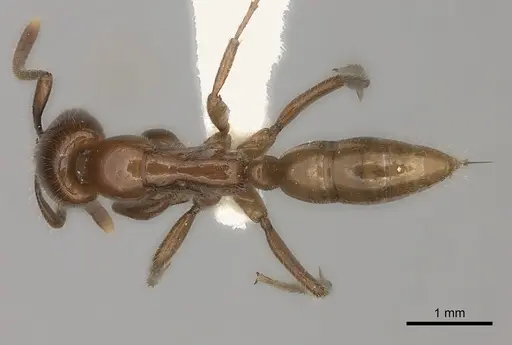
CASENT0270552
View on AntWeb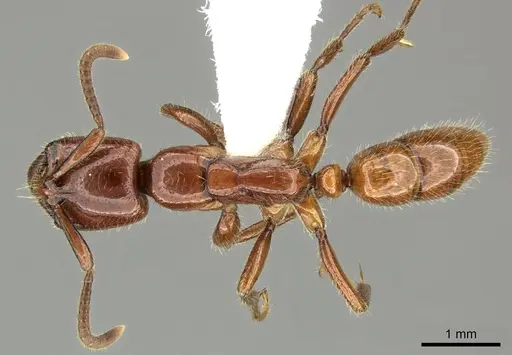
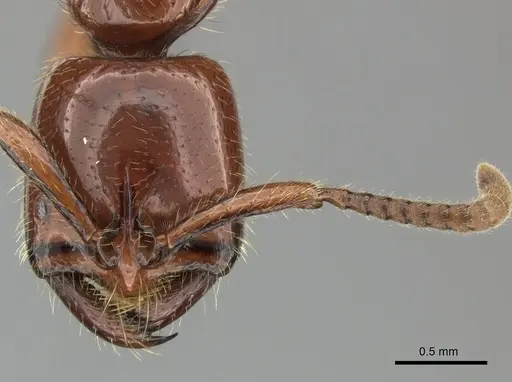
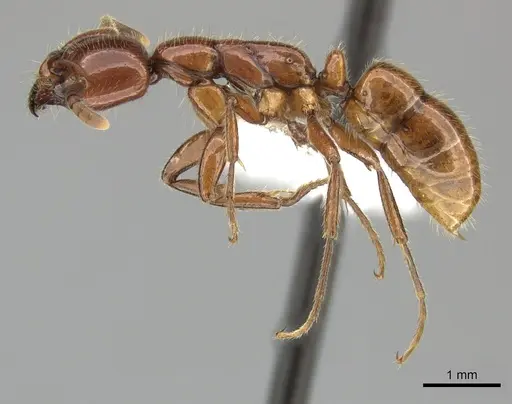
CASENT0902624
View on AntWeb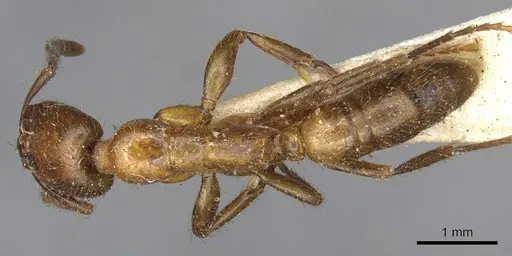
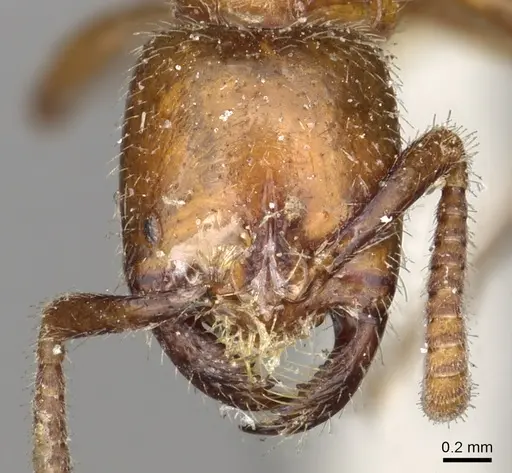
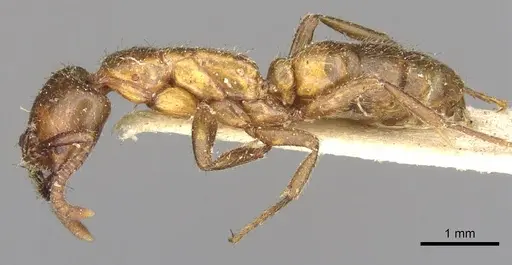
CASENT0915877
View on AntWeb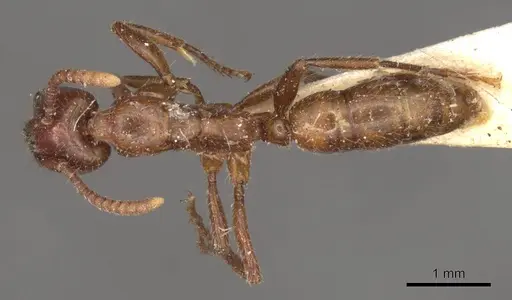
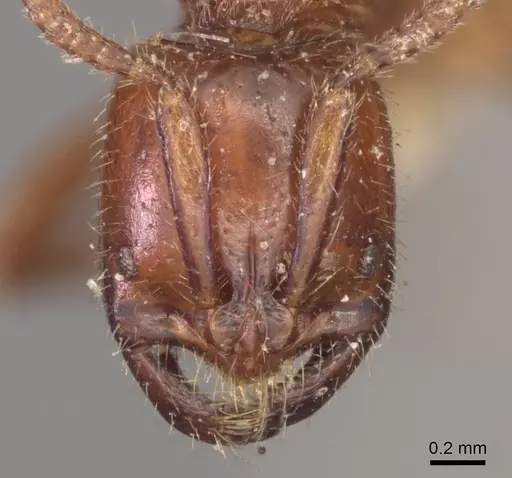
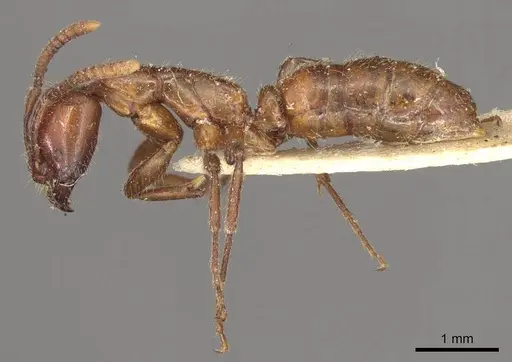
CASENT0916835
View on AntWeb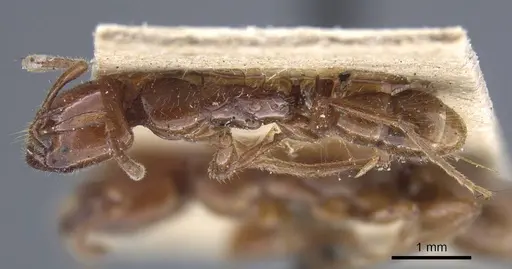
FOCOL0915
View on AntWeb
FOCOL0916
View on AntWeb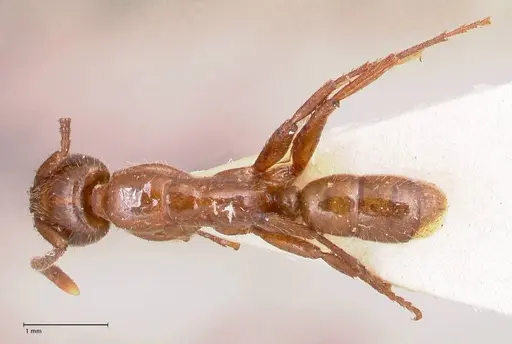
Literature
Loading...Loading products...