

Leptogenys erugata
- Scientific Name
- Leptogenys erugata
- Tribe
- Ponerini
- Subfamily
- Ponerinae
- Author
- Lattke, 2011
- Distribution
- Found in 1 countries
Leptogenys erugata Overview
Leptogenys erugata is an ant species of the genus Leptogenys. It is primarily documented in 1 countries , including Venezuela, Bolivarian Republic of. Detailed taxonomic data and occurrence records can be further explored via authoritative databases such as AntWeb or the Global Biodiversity Information Facility (GBIF).
Leptogenys erugata
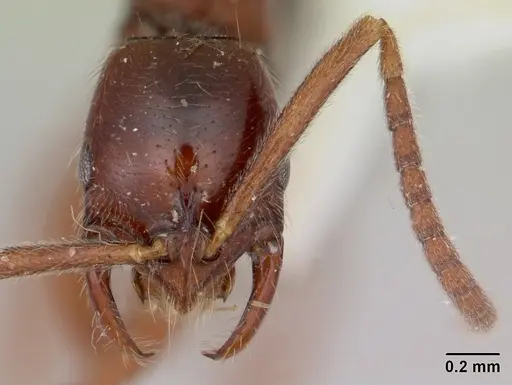
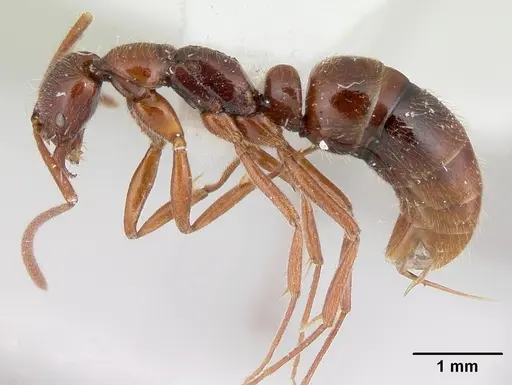
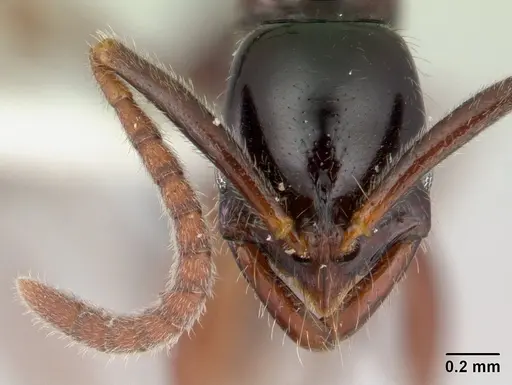
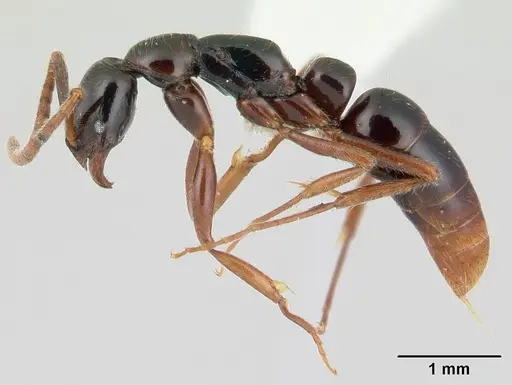
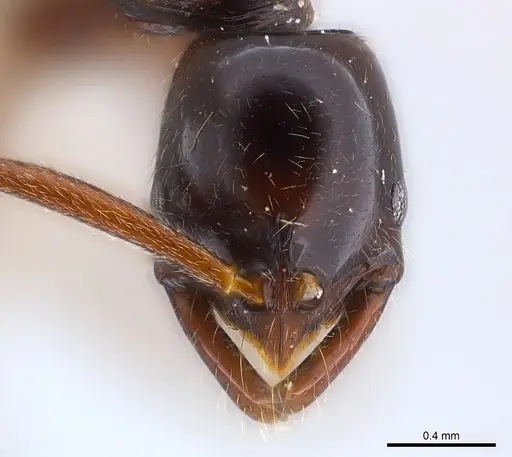
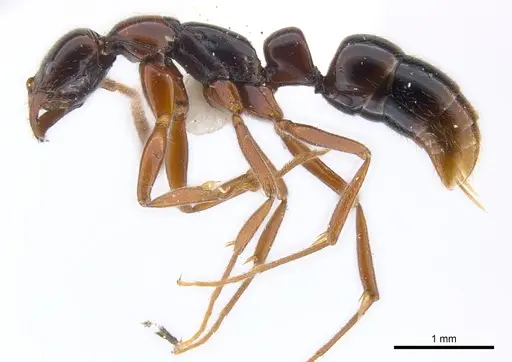
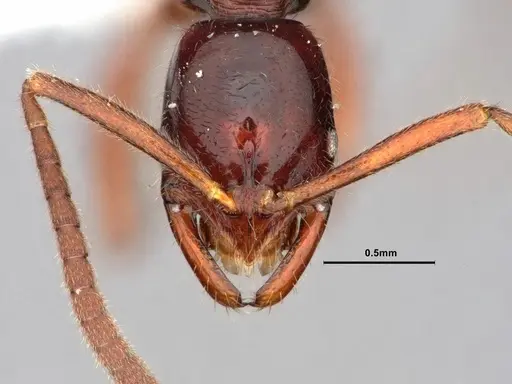
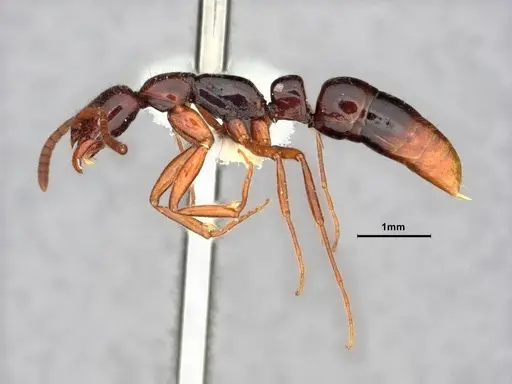
Leptogenys erugata is a tiny predatory ant species from the Ponerinae subfamily, found in northern Colombia and Venezuela. Workers measure just 1.11mm in head length with a dark brown to almost black body, while queens are lighter ferruginous brown. The species gets its name from the Latin 'erugatus' meaning smooth, referring to its notably smooth and shining body surface. These ants inhabit humid forested areas including shade cocoa plantations, nesting at ground level in rotting wood like branches and logs. When their nest is disturbed, they respond by running and hiding in surrounding leaf litter rather than showing aggression. This species belongs to the quiriguana species group and can be distinguished from related species by its unarmed propodeum (lacking the triangular denticles seen in similar species).
Quick Summary
- Difficulty: Medium
- Origin & Habitat: Northern Colombia and northern Venezuela. Found in humid forested sites including shade cocoa plantations, at ground level in rotting wood (branches and logs), from sea level to 1200m elevation. Specimens have also been collected from leaf litter samples [1][2][3].
- Colony Type: Colony structure is unconfirmed. Based on typical Leptogenys patterns, likely single-queen colonies.
- Size & Growth:
- Queen: Approximately similar to worker but lighter colored, ferruginous brown [1]
- Worker: Head length 1.11mm, head width 0.78mm (very small ants) [1]
- Colony: Unknown, no colony size data available
- Growth: Unknown, no development data available
- Development: Estimated 6-10 weeks based on typical Ponerinae development patterns (Direct development data unavailable for this species. Estimates based on genus-level patterns for small tropical Ponerinae.)
- Antkeeping:
- Temperature: Keep around 24-28°C, these are tropical ants from humid lowland to mid-elevation forests. A gentle gradient allowing them to self-regulate is recommended.
- Humidity: High humidity is essential, they naturally inhabit damp forest floor environments. Keep nest substrate consistently moist but not waterlogged. The rotting wood they nest in naturally would be damp but not saturated.
- Diapause: Unlikely, being from tropical Colombia and Venezuela, they probably do not require a diapause period. Maintain stable warm conditions year-round.
- Nesting: In captivity, they do well in setups that mimic their natural rotting wood habitat. Y-tong (AAC) nests, plaster nests, or naturalistic setups with damp wood work well. They prefer tight, enclosed spaces scaled to their tiny size.
- Behavior: These are docile, non-aggressive ants that rely on hiding when disturbed rather than fighting. They are tiny and very quick, making them hard to spot once they scatter into litter. As predators in the Ponerinae subfamily, they hunt small arthropods. Their small size means escape prevention is critical, they can easily slip through standard barrier gaps. They are not known to sting and pose no danger to keepers.
- Common Issues: tiny size makes escape likely without fine mesh barriers, high humidity requirements can lead to mold if ventilation is poor, slow colony growth may cause keepers to lose patience and overfeed, predatory diet means they need constant access to small live prey, wild-caught colonies may harbor parasites that cause problems in captivity
Housing and Nest Setup
Leptogenys erugata is a tiny ant that requires careful attention to escape prevention. In the wild, they nest in rotting wood at ground level in humid forest environments. For captivity, Y-tong (AAC) nests or plaster nests work well because they allow you to maintain high humidity while providing dark, enclosed chambers that mimic their natural nesting sites. Naturalistic setups with damp rotting wood can also work, but monitor for mold. The nest should have chambers scaled to their tiny size, these are very small ants, so avoid tall open spaces. Always use fine mesh on any openings because they can squeeze through gaps that would hold back larger ants. [1]
Feeding and Diet
As a Ponerinae species, Leptogenys erugata is predatory and hunts small arthropods. In captivity, offer small live prey such as springtails, fruit flies, tiny crickets, and other micro-arthropods. They are too small to take down large prey items. Feed them protein-rich foods 2-3 times per week, removing any uneaten prey after 24 hours to prevent mold. Sugar sources are not typically important for Ponerinae ants, they get their energy from protein. However, you can occasionally offer a drop of diluted honey or sugar water to see if they accept it, but do not rely on sugar as a primary food source. [1]
Temperature and Humidity
These ants come from humid tropical environments in Colombia and Venezuela, so they need warm, damp conditions. Keep temperatures in the 24-28°C range, stable warmth is more important than exact precision. They can tolerate slightly cooler conditions but growth will slow. Humidity is critical: aim for consistently moist substrate without flooding. The natural habitat (rotting wood in humid forest) stays damp but never waterlogged. Use a water reservoir or regular misting to maintain humidity, but ensure adequate ventilation to prevent mold. A heating cable on one side of the nest can create a temperature gradient if your room temperature is below their ideal range. [1]
Behavior and Temperament
Leptogenys erugata is a docile, secretive ant that avoids confrontation. When their nest is disturbed, they respond by quickly running and hiding in surrounding leaf litter rather than attacking. This makes them difficult to observe, they are not bold foragers like some ant species. Workers are tiny and extremely fast-moving. They are not aggressive and do not pose any stinging risk to keepers. Their small size and quick movements mean they can easily escape if proper barriers are not in place. In the colony, they likely have a simple social structure typical of Ponerinae, one queen (likely) with workers that specialize in foraging and brood care. [1]
Colony Development
Little is known about the specific development timeline of Leptogenys erugata. Based on typical patterns for small Ponerinae ants from tropical regions, expect the first workers (nanitics) to emerge around 6-10 weeks after the queen lays eggs, assuming optimal temperature and humidity. Colonies likely grow slowly at first, as the queen raises her first brood alone. Once established, growth rate depends on food availability and environmental conditions. Do not expect rapid colony expansion, these are small ants with likely modest colony sizes. Patience is key during the founding stage.
Frequently Asked Questions
How long does it take for Leptogenys erugata to produce first workers?
Direct data is not available, but based on typical Ponerinae development, expect 6-10 weeks from egg to first worker at optimal temperature (24-28°C). This is an estimate, actual timing may vary.
Can I keep Leptogenys erugata in a test tube setup?
Yes, test tubes can work for founding colonies. Keep the cotton damp (not soaked) to maintain humidity, and wrap the tube in dark material to reduce stress. However, because they need high humidity and a secure nesting site, you may need to transition to a more enclosed setup like a Y-tong or plaster nest as the colony grows.
What do Leptogenys erugata ants eat?
They are predatory ants that need small live prey. Offer springtails, fruit flies, tiny crickets, and other small arthropods. Remove uneaten prey after 24 hours. Sugar sources are not required but you can occasionally offer diluted honey.
Are Leptogenys erugata good for beginners?
They are considered medium difficulty. While not aggressive, their small size and high humidity requirements make them more challenging than species like Lasius or Camponotus. They are best suited for keepers who already have some experience with ant keeping.
Do Leptogenys erugata need hibernation?
No, they come from tropical Colombia and Venezuela and do not require a diapause period. Keep them at warm, stable temperatures year-round (around 24-28°C).
How big do Leptogenys erugata colonies get?
Colony size data is not available for this species. Based on their tiny worker size and the habitats they occupy, colonies are likely modest, probably under a few hundred workers at most.
Why are my Leptogenys erugata escaping?
Their tiny size means they can slip through standard barriers. Use fine mesh on all openings, apply fluon or other barrier gels to smooth surfaces, and check for any gaps larger than 1mm. Escape prevention must be excellent for these small ants.
When should I move Leptogenys erugata to a formicarium?
Wait until the colony has at least 20-30 workers and the test tube setup becomes crowded. Make sure the formicarium can maintain high humidity, Y-tong or plaster nests work well. Always provide an outworld for foraging.
Can I keep multiple Leptogenys erugata queens together?
Colony structure is not documented for this species. It is not recommended to combine unrelated queens, if they are monogyne (single queen), they will fight. If you want to try multi-queen housing, do so only during the founding stage and monitor closely for aggression.
References

This caresheet is licensed under CC BY-SA 4.0 .
CASENT0178715
View on AntWeb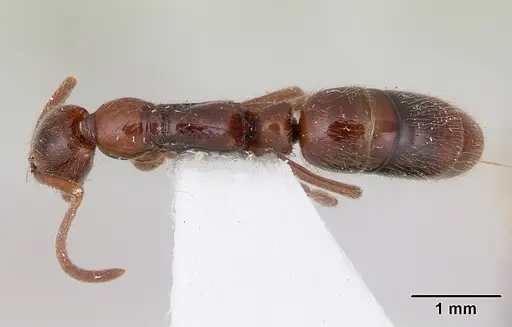
CASENT0178824
View on AntWeb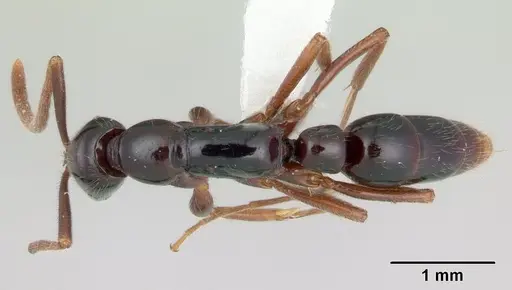
CASENT0217018
View on AntWeb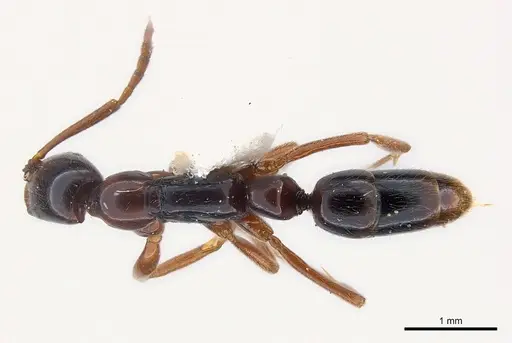
CASENT0882076
View on AntWeb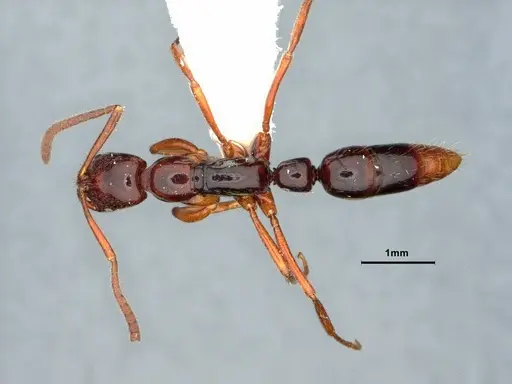
Literature
Loading...Loading products...