

Leptogenys ergatogyna
- Scientific Name
- Leptogenys ergatogyna
- Tribe
- Ponerini
- Subfamily
- Ponerinae
- Author
- Wheeler, 1922
- Distribution
- Found in 1 countries
Leptogenys ergatogyna Overview
Leptogenys ergatogyna is an ant species of the genus Leptogenys. It is primarily documented in 1 countries , including Uganda. Detailed taxonomic data and occurrence records can be further explored via authoritative databases such as AntWeb or the Global Biodiversity Information Facility (GBIF).
Leptogenys ergatogyna
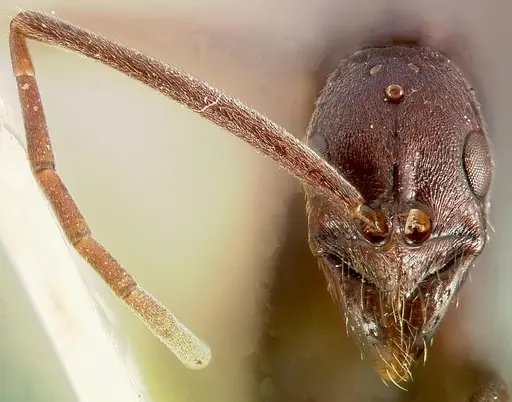
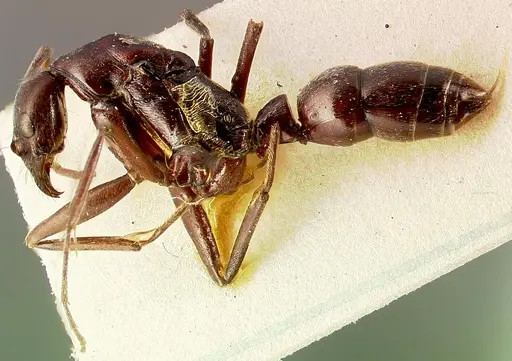
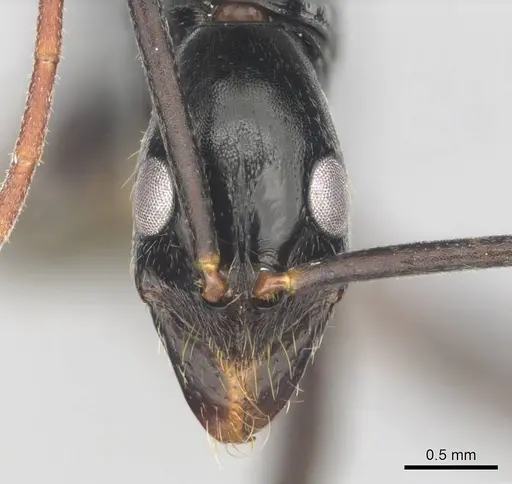
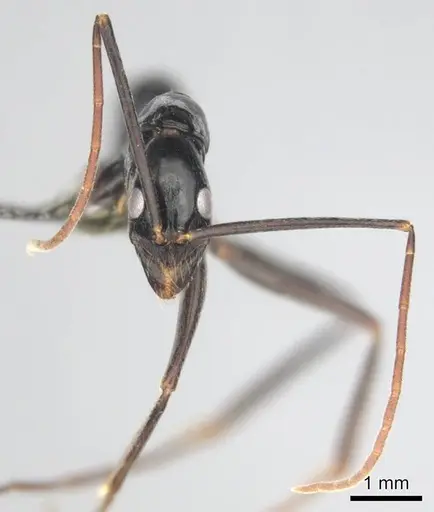
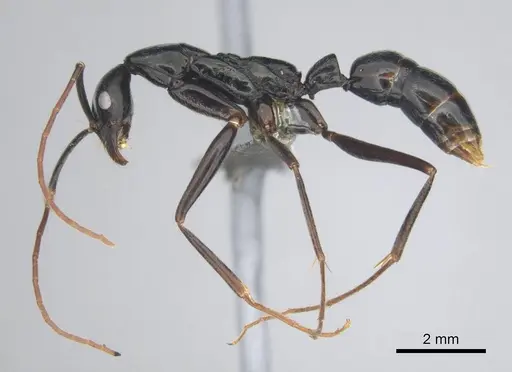
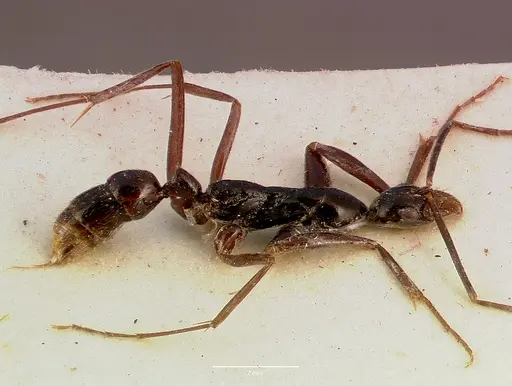
Leptogenys ergatogyna is a predatory ant species native to Central Africa, found in countries including the Democratic Republic of Congo, Cameroon, Ghana, and Uganda [1]. Workers are slender and typically measure around 5-7mm, with the genus being commonly known as 'spider ants' due to their specialized hunting behavior. The species has an unusual trait among Leptogenys: despite having ergatoid (wingless) queens, they retain reduced flight sclerites and three vestigial ocelli (simple eyes) [1]. This makes them distinctive from other members of the genus where ergatoid queens completely lack these structures. The species was originally described by W.M. Wheeler in 1922 from specimens collected in the Democratic Republic of Congo.
Quick Summary
- Difficulty: Medium
- Origin & Habitat: This species is native to the Afrotropical region, specifically found in the Democratic Republic of Congo, Cameroon, Ghana, and Uganda [1]. They inhabit tropical forest environments where they hunt as predators.
- Colony Type: Ergatoid queen system, queens are wingless but retain reduced flight sclerites, which is unusual for the genus. This suggests the species uses ergatoid replacement reproductives within established colonies.
- Colony: Monogyne
- Size & Growth:
- Queen: Approximately 6-7mm based on genus patterns
- Worker: 5-7mm
- Colony: Unknown for this specific species, genus colonies typically reach several hundred workers
- Growth: Moderate, Ponerinae species generally develop at moderate speed
- Development: Estimated 6-10 weeks based on related Ponerinae species at optimal temperature (Direct development data unavailable for this species, timeline is inferred from genus-level patterns)
- Antkeeping:
- Temperature: Keep around 24-28°C, tropical species requiring warm conditions. A heating cable on one side of the nest creates a suitable gradient.
- Humidity: High humidity preferred, aim for 70-80% relative humidity. Keep the nest substrate consistently moist but not waterlogged, mimicking damp forest floor conditions
- Diapause: Unknown, tropical species may not require formal hibernation, but a slight cool period during dry season may be beneficial
- Nesting: In nature they likely nest in soil or under stones in forest habitats. A naturalistic setup with moist substrate or a Y-tong/plaster nest works well for Ponerinae species
- Behavior: Leptogenys ergatogyna is a predatory ant that hunts spiders and other small arthropods. They are active foragers with moderate aggression when defending their colony. Workers are slender and fast-moving. They possess a functional stinger for defense, Ponerinae ants can sting, though pain level varies. Escape prevention is important as they are agile climbers, ensure all openings are sealed. They may show raiding behavior when hunting prey.
- Common Issues: colonies may fail if kept too dry, moisture is critical for this species, predatory diet means they need live prey, failure to provide suitable hunting food will cause colony decline, slow founding phase, ergatoid queens may take time to establish first brood, escape risk due to their slender bodies and climbing ability, wild-caught colonies may carry parasites that can devastate captive populations
Nest Preferences
Leptogenys ergatogyna naturally nests in soil or under stones in tropical forest environments. In captivity, they do well in naturalistic setups with moist substrate or in Y-tong (acrylic) nests with narrow chambers scaled to their body size. Plaster nests also work well since they hold moisture effectively. The nest should have chambers that are not too spacious, these are slender ants that prefer tight, enclosed spaces. Keep the nest area humid but ensure there is no standing water. A water tube or reservoir connected to the nest helps maintain humidity over time.
Feeding and Diet
As a Leptogenys species, L. ergatogyna is predatory and hunts spiders and other small arthropods. In captivity, their primary food should be live small prey such as fruit flies, pinhead crickets, small mealworms, and other tiny insects. They are active hunters that will chase down moving prey. Some keepers report that Leptogenys species may accept protein gels or crushed insects, but live prey is ideal for maintaining healthy colonies. Feed them prey items 2-3 times per week, adjusting based on colony size and consumption. Remove uneaten prey after 24-48 hours to prevent mold.
Temperature and Care
These are tropical ants requiring warm conditions. Maintain temperatures between 24-28°C for optimal brood development. A heating cable placed on top of the nest (never underneath to avoid drying) can create a gentle temperature gradient. Room temperature may be sufficient if your home stays in this range, but a small heat mat helps maintain stability. High humidity is essential, target 70-80% relative humidity. Use a moisture reservoir or regular misting to keep the substrate damp. Avoid placing the colony near air conditioning vents or drafty areas.
Behavior and Temperament
Leptogenys ergatogyna is an active, predatory ant that hunts individually or in small groups. Workers are slender and fast-moving, capable of climbing smooth surfaces. They possess a stinger for defense and can deliver a painful sting if provoked. The species is not overly aggressive toward humans but will defend the nest vigorously. Their ergatoid queen system means colonies may have replacement reproductives available if the primary queen dies, a useful survival mechanism. Watch for escape attempts and ensure all connections between outworld and nest are sealed.
Colony Structure
This species has an unusual ergatoid queen system. Unlike most Leptogenys species where ergatoid queens completely lack wing structures, L. ergatogyna retains reduced flight sclerites and three vestigial ocelli (simple eyes) despite being wingless [1]. This suggests the species may have evolved from fully winged queens and represents an intermediate form. The ergatoid queens can reproduce within the colony without nuptial flights, which may help colonies recover from queen loss. Colony size likely reaches several hundred workers in mature colonies.
Frequently Asked Questions
How long does it take for Leptogenys ergatogyna to produce first workers?
Estimated 6-10 weeks from egg to worker at optimal temperature (24-28°C). This is based on typical Ponerinae development patterns since specific data for this species is unavailable.
What do Leptogenys ergatogyna ants eat?
They are predatory ants that hunt live prey. Feed them small live insects like fruit flies, pinhead crickets, small mealworms, or other tiny arthropods. Some colonies may accept crushed insects or protein gels, but live prey is ideal.
What temperature do Leptogenys ergatogyna ants need?
Keep them warm at 24-28°C. This tropical species requires consistent warmth for proper brood development. A small heating cable or mat can help maintain optimal temperatures.
Are Leptogenys ergatogyna ants good for beginners?
They are considered medium difficulty. While not the hardest species, they do require specific conditions: high humidity, warm temperatures, and a diet of live prey. Experience with predatory ant species is helpful.
How big do Leptogenys ergatogyna colonies get?
Based on genus patterns, colonies likely reach several hundred workers at maturity. The exact maximum is unknown for this specific species.
Do Leptogenys ergatogyna queens have wings?
No, they have ergatoid (wingless) queens. However, this species is unusual in that it retains reduced flight sclerites and vestigial ocelli despite being wingless, a unique trait among Leptogenys ergatoid queens.
Can I keep multiple Leptogenys ergatogyna queens together?
This is not recommended. While the species has ergatoid queens that can function within colonies, combining unrelated foundress queens has not been documented and may result in aggression.
Do Leptogenys ergatogyna ants need hibernation?
Unknown for this specific species. As a tropical ant from Central Africa, they likely do not require formal hibernation. Some keepers provide a slight cool period during simulated dry seasons.
Why are my Leptogenys ergatogyna ants dying?
Common causes include: too dry conditions (critical for this species), lack of live prey, temperatures outside their 24-28°C range, or parasites from wild-caught colonies. Ensure humidity is high and prey is available.
References

This caresheet is licensed under CC BY-SA 4.0 .
CASENT0003152
View on AntWeb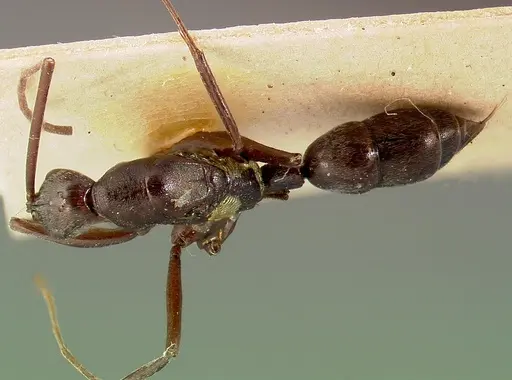
CASENT0250093
View on AntWeb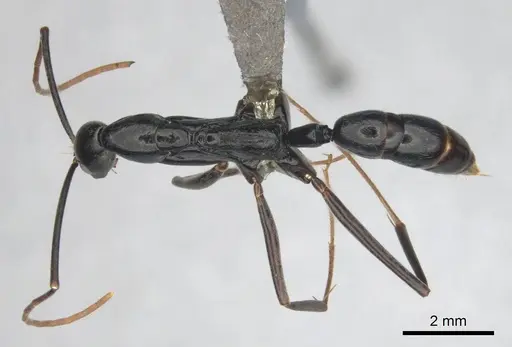
CASENT0815024
View on AntWeb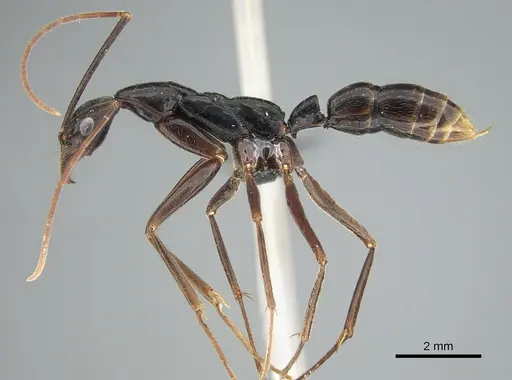
SAM-ENT-0011535
View on AntWeb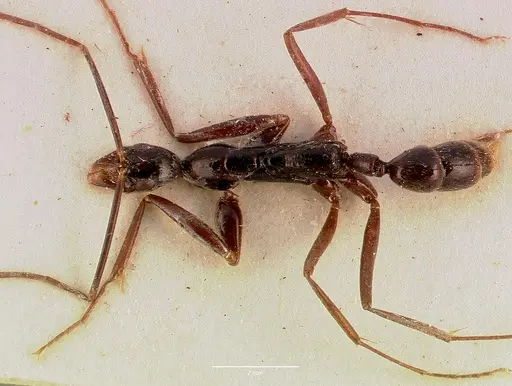
Literature
Loading...Loading products...