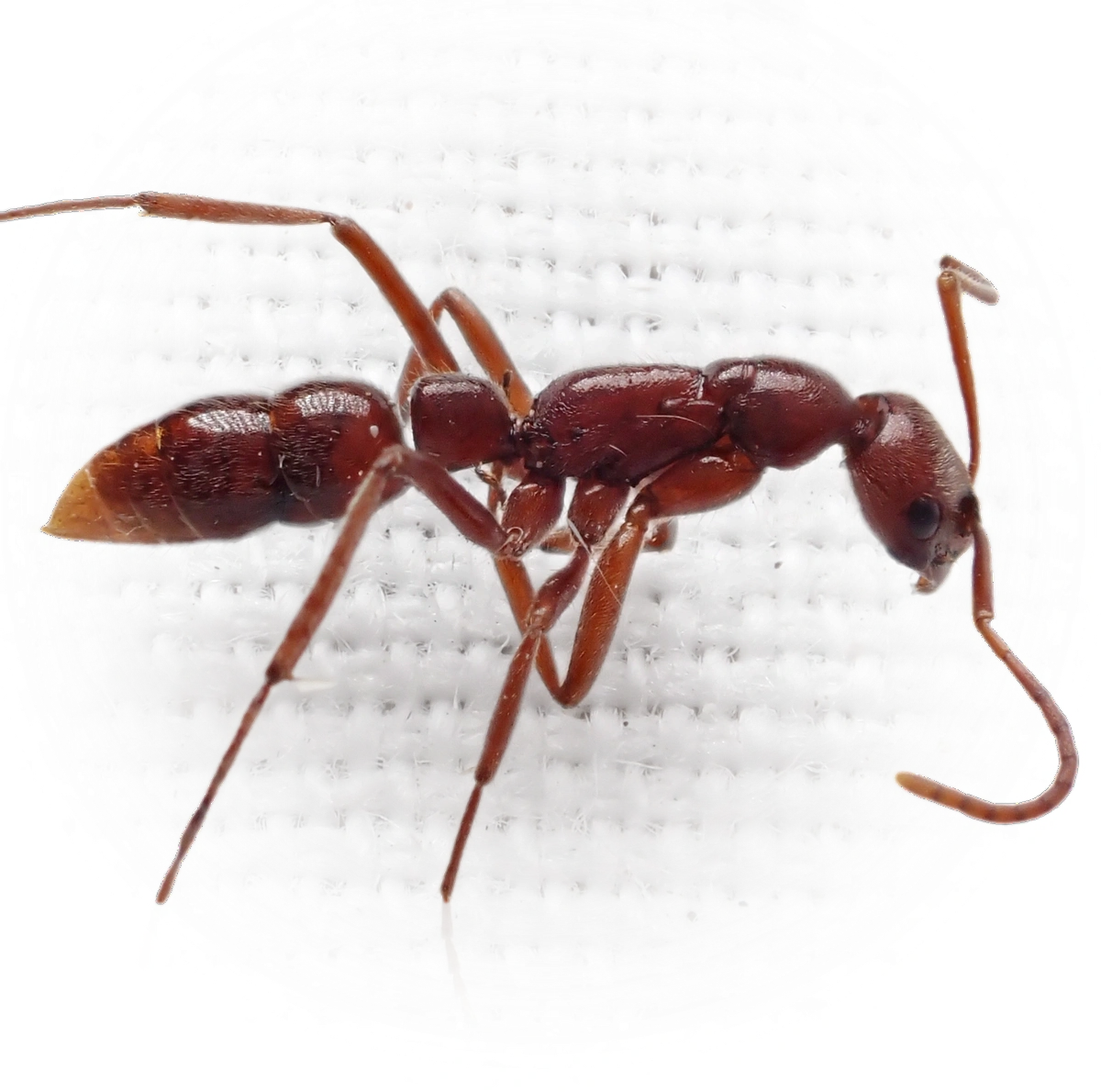

Leptogenys elongata
- Scientific Name
- Leptogenys elongata
- Tribe
- Ponerini
- Subfamily
- Ponerinae
- Author
- Buckley, 1866
- Common Name
- Elongate Razorjaw Ant
- Distribution
- Found in 2 countries
Leptogenys elongata Overview
Leptogenys elongata (commonly known as the Elongate Razorjaw Ant) is an ant species of the genus Leptogenys. It is primarily documented in 2 countries , including Mexico, United States of America. Detailed taxonomic data and occurrence records can be further explored via authoritative databases such as AntWeb or the Global Biodiversity Information Facility (GBIF).
Leptogenys elongata - "Elongate Razorjaw Ant"
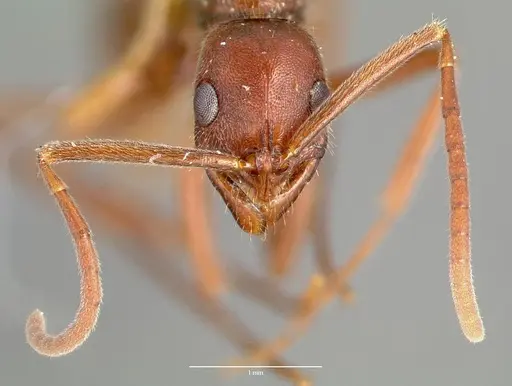
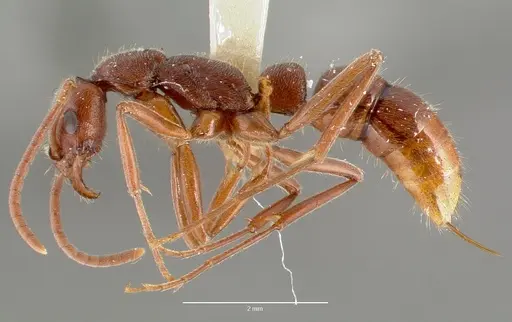
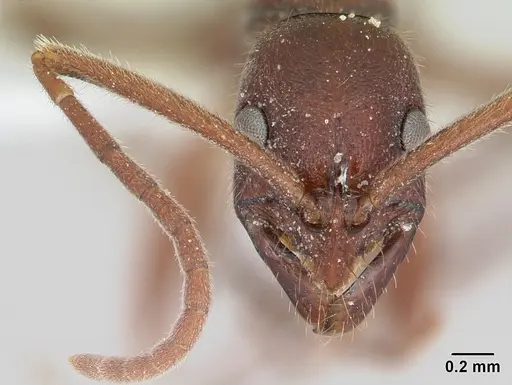
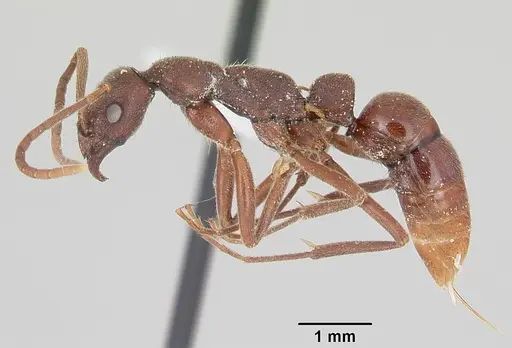
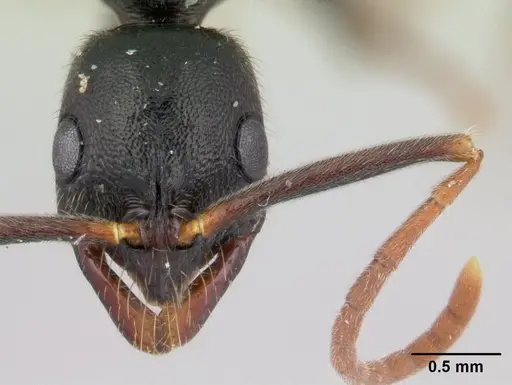
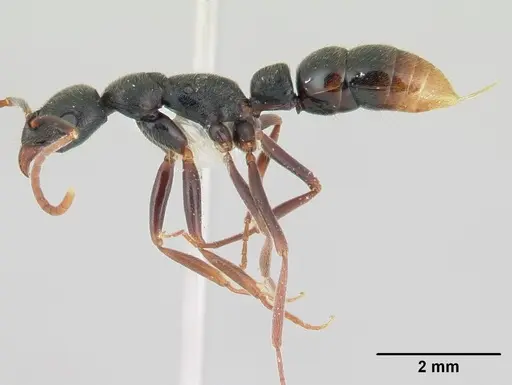
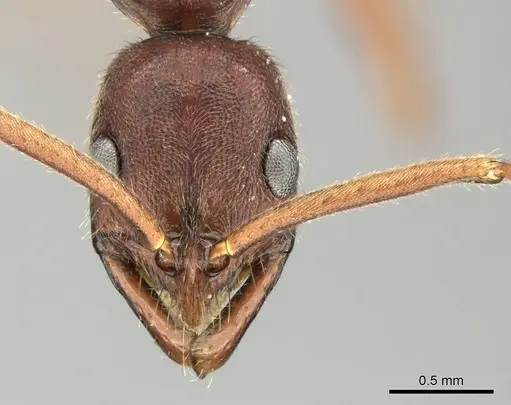
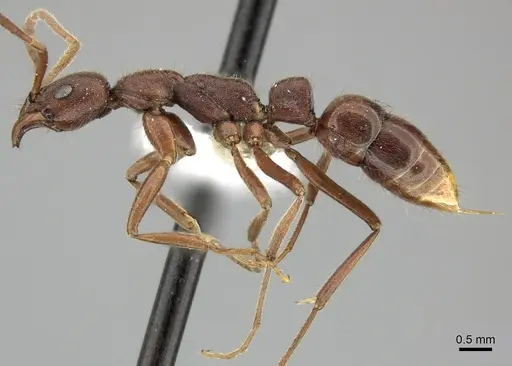
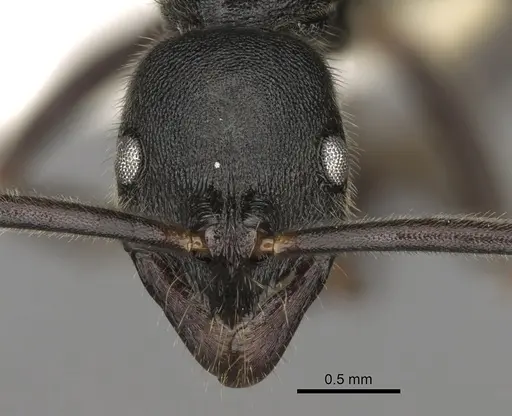
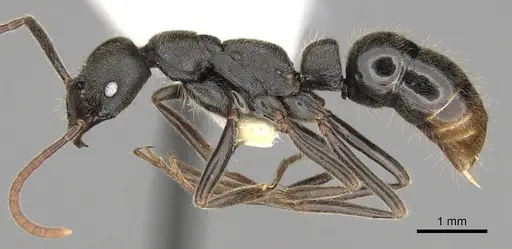
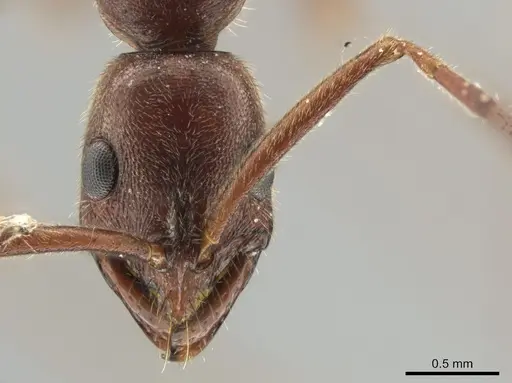
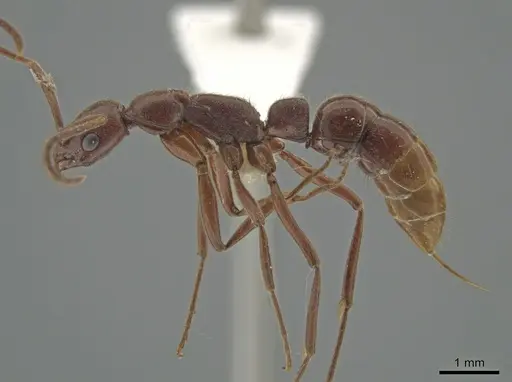
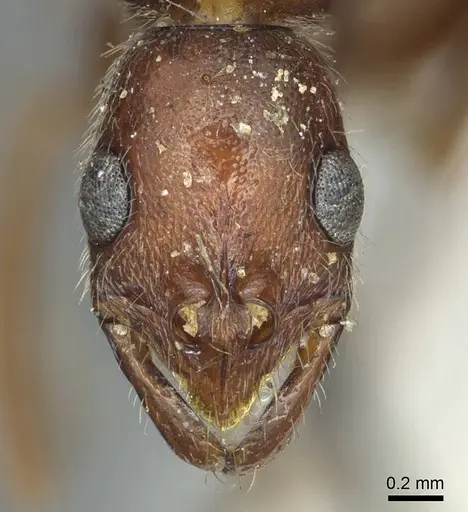
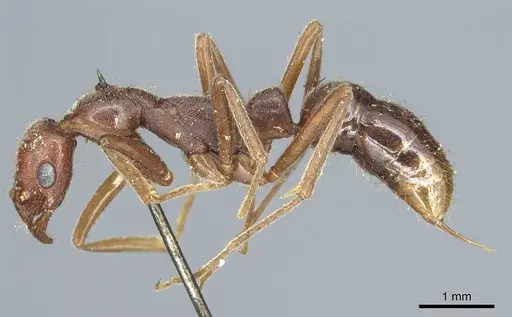
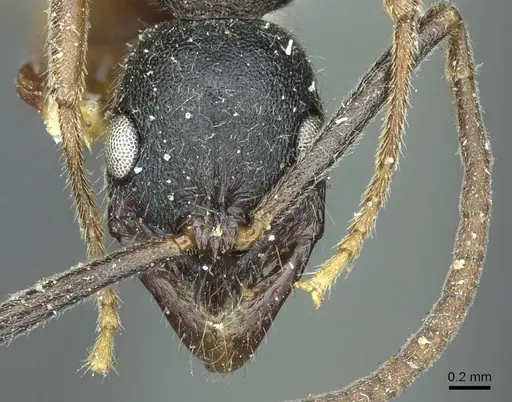
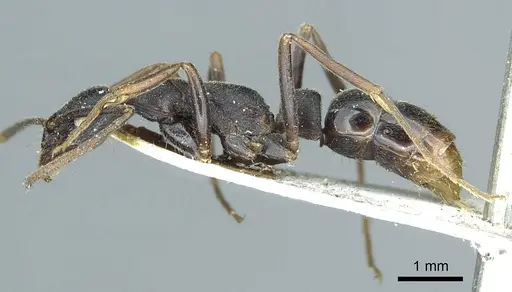
Leptogenys elongata is a medium-sized ponerine ant native to the southern United States and northern Mexico. Workers measure 1.35-1.55mm in head length with a distinctive elongated body that ranges from yellow-red to black in color. This species belongs to the elongata species group and is recognized by its sub-quadrate head, coarse punctations on the head and mesosoma, and reduced eyes compared to other Leptogenys. Queens are wingless (ergatoid), which is unusual among ants, most ant species have winged queens that fly to establish new colonies. Colonies are small, typically containing fewer than 100 workers [1].
What makes L. elongata fascinating is its extremely specialized diet, this ant is an obligate predator on terrestrial isopods (woodlice). Unlike most ants that are generalist feeders, these ants have evolved specialized long smooth mandibles perfectly adapted for piercing the hard shells of crustaceans [1]. They forage singly rather than in groups, hunting individual isopods rather than coordinating group raids [2]. This specialization makes them a unique challenge for antkeepers.
Quick Summary
- Difficulty: Medium
- Origin & Habitat: Native to the southern United States (Texas, Louisiana, Oklahoma) and northern Mexico. Found in moist, low-elevation habitats where their isopod prey is abundant, typically under decaying logs, in rotting wood, and near cave entrances [3][4]. In Mexico, they inhabit tropical deciduous forest and thorn forest between 990-1190m elevation [5].
- Colony Type: Monogyne, each colony has a single queen. Queens are ergatoid (wingless), which is unusual for ants. Additional queens are not tolerated in the same nest, when a new queen attempts to join, she is forced out rather than accepted [1][6].
- Colony: Monogyne
- Founding: Claustral
- Size & Growth:
- Queen: 1.38-1.42mm head length
- Worker: 1.35-1.55mm head length
- Colony: Up to 100 workers [1]
- Growth: Slow, small colony size limits growth potential
- Development: Unknown, no direct studies on development time. Based on typical Ponerinae patterns, expect 8-12 weeks at warm temperatures. (Development is likely slow given the small colony size and specialized biology. Nanitics (first workers) will be smaller than normal workers.)
- Antkeeping:
- Temperature: Keep at 22-26°C. This species comes from warm temperate to subtropical regions and prefers moderate temperatures with some humidity. Avoid temperatures below 18°C or above 30°C.
- Humidity: Moderate to high, they naturally inhabit moist habitats. Keep nest substrate consistently damp but not waterlogged. Provide a water tube as their primary moisture source.
- Diapause: Likely partial dormancy in winter. In their native Texas range, temperatures can drop significantly in winter months. Consider reducing temperature to 15-18°C for 2-3 months during winter.
- Nesting: Y-tong (AAC) nests work well, or a naturalistic setup with rotting wood pieces. They naturally nest in decaying logs and under stones in moist soil. Provide damp substrate they can burrow into.
- Behavior: Generally non-aggressive toward humans but will defend their nest if threatened. Workers are solitary foragers, they hunt alone rather than in groups. They use their trap-jaw mandibles to capture isopods. Escape risk is moderate, they are small but not extreme escape artists. Use standard barrier methods. Notably, when threatened by army ants, they organize evacuation raids, with workers carrying brood to safety in rotting logs over 100m away [7][8].
- Common Issues: Specialized diet makes feeding difficult, they require live isopods or similar hard-shelled prey, which most antkeepers cannot easily provide, Small colony size means slow growth and limited population to sustain the colony, Ergatoid queens cannot fly, mating occurs on the ground or near the nest, making wild collection challenging, Moisture requirements are critical, too dry and colonies desiccate, too wet and mold becomes a problem, Very small workers may have difficulty catching larger isopods, prey size matters
Housing and Nest Setup
Leptogenys elongata does well in a Y-tong (AAC) nest or a naturalistic setup that mimics their natural rotting wood habitat. Because they naturally nest in decaying logs and under stones in moist soil, provide damp substrate they can move through. A test tube setup can work for founding colonies, but transfer to a more spacious setup once the colony reaches 15-20 workers. The nest area should stay consistently moist, these ants come from moist habitats and will desiccate if conditions are too dry. Include small pieces of rotting wood or bark in the outworld to provide hunting grounds for their isopod prey. Keep the outworld at room temperature (22-26°C) with the nest area at similar temperatures. A small water tube attached to the nest provides constant moisture. [4][1]
Feeding and Diet - The Critical Challenge
This is the most challenging aspect of keeping L. elongata. They are obligate predators on terrestrial isopods (woodlice) and will not thrive on typical ant foods like sugar water or protein shakes [9][1]. In captivity, you must provide live isopods, species like Armadillidium (roly polies) or Oniscus are preferred [4]. Bathytropid isopods are particularly attracted to their nests in the wild [10]. Feed isopods roughly the same size as the ants or smaller. Young isopods (slightly smaller than the ants) are ideal. Offer 2-3 isopods per week for a colony of 20+ workers. Remove uneaten isopods after 48 hours to prevent mold. Some keepers have had limited success offering other small arthropods (springtails, tiny spiders), but isopods should form the bulk of their diet. Do not rely on sugar sources, this species does not show typical ant foraging for honeydew or nectar.
Temperature and Seasonal Care
Maintain temperatures between 22-26°C for optimal colony health and activity. This species is found in the warm temperate to subtropical southern US and Mexico, so they do not require extreme heat but need consistent warmth. In winter, reduce temperatures to 15-18°C for 2-3 months to simulate their natural seasonal cycle, this may help trigger spring breeding behavior. However, avoid letting temperatures drop below 10°C. Heating cables are not necessary if your room stays within this range, but a small heat mat on one side of the setup can create a beneficial gradient if needed. Monitor colony behavior, if workers become sluggish and cluster together, they may be too cold. Active foraging indicates comfortable temperatures. [5]
Behavior and Defense
L. elongata workers are solitary foragers, they hunt alone rather than in coordinated groups [2]. They use their distinctive long, smooth mandibles to pierce the hard exoskeletons of isopods, their preferred prey. Despite their specialized hunting equipment, they are not aggressive toward humans and rarely sting. Their sting is present but mild, these are not defensive ants that will attack proactively. When their nest is threatened, such as by army ant raids, they show remarkable organized behavior: workers carry brood to safety while others defend the entrance, then the colony migrates up to 100 meters to refuge in rotting logs [7][8]. In captivity, you may observe this evacuation behavior if the colony feels threatened, they may carry larvae and pupae to different parts of the setup.
Colony Founding and Reproduction
Queens are ergatoid, meaning they are permanently wingless [1]. This is unusual among ants and affects how colonies establish in the wild. Unlike most ant species where new queens fly away to found colonies, L. elongata queens must find mates on the ground or near the nest entrance. After mating, the queen seals herself into a small chamber (claustral founding) and raises her first brood alone using stored fat reserves. The first workers (nanitics) will be smaller than normal workers. Because queens cannot fly, wild colonies tend to stay in the same general area rather than dispersing widely. This also means that when collecting from the wild, you typically find single colonies rather than founding queens flying in late spring. Colonies remain small, maximum around 100 workers [1], so expect modest colony sizes even in established setups.
Frequently Asked Questions
What do Leptogenys elongata ants eat?
They are specialized predators that require live terrestrial isopods (woodlice). Offer small isopods like Armadillidium or Oniscus species. They will not accept sugar water, fruits, or typical ant protein foods. This specialized diet is their biggest care challenge.
How long does it take for Leptogenys elongata to develop from egg to worker?
Exact development time is unconfirmed, but based on typical Ponerinae patterns, expect 8-12 weeks at warm temperatures (24-26°C). Growth is slow, and colonies remain small (max ~100 workers).
Can I keep multiple Leptogenys elongata queens together?
No. This species is strictly monogyne, only one queen per colony, and additional queens are not tolerated [1]. Attempting to introduce multiple queens will result in fighting. Only keep one queen per setup.
Are Leptogenys elongata good for beginners?
No, they are considered intermediate to advanced due to their specialized diet requirement. The need to provide live isopods makes them challenging for beginners who are used to feeding typical ant foods. They are best suited for antkeepers willing to culture isopod prey.
What size colony do Leptogenys elongata reach?
Small, maximum around 100 workers [1]. This is much smaller than typical ant colonies. Growth is slow, so expect many months to reach even 30-50 workers.
Do Leptogenys elongata need hibernation?
They likely benefit from a cool period in winter (2-3 months at 15-18°C) to simulate their natural seasonal cycle in the southern US. This may help trigger spring breeding behavior. Do not hibernate below 10°C.
Where does Leptogenys elongata live in the wild?
They are found in the southern United States (Texas, Louisiana, Oklahoma) and northern Mexico. They inhabit moist low-elevation areas, typically under decaying logs, in rotting wood, and near cave entrances [3][4].
Why are the queens wingless?
L. elongata has ergatoid queens, queens that are born without wings [1]. This is a trait of some Ponerine ants. Since they don't need to fly to find mates or establish new colonies (they do so on the ground), wings became reduced over evolutionary time.
When should I move Leptogenys elongata to a formicarium?
Keep them in a test tube or small setup until the colony reaches 20-30 workers. Once they outgrow a test tube, transfer to a Y-tong or naturalistic setup with damp substrate. They do best with space to hunt in the outworld.
References

This caresheet is licensed under CC BY-SA 4.0 .
CASENT0006059
View on AntWeb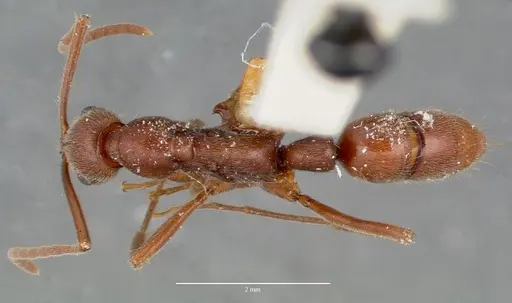
CASENT0104737
View on AntWeb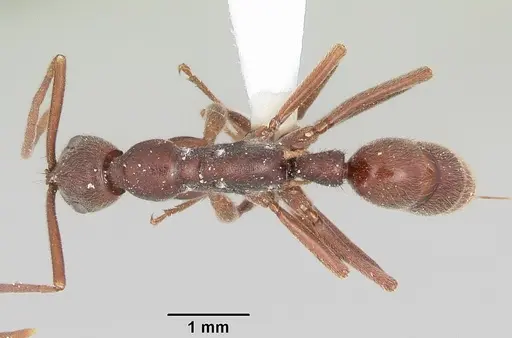
CASENT0178786
View on AntWeb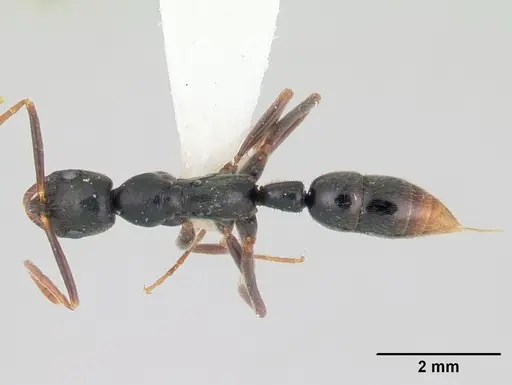
CASENT0270534
View on AntWeb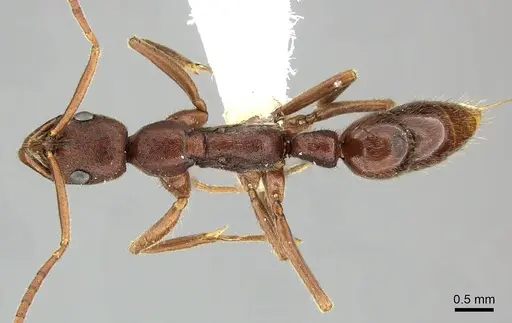
CASENT0281933
View on AntWeb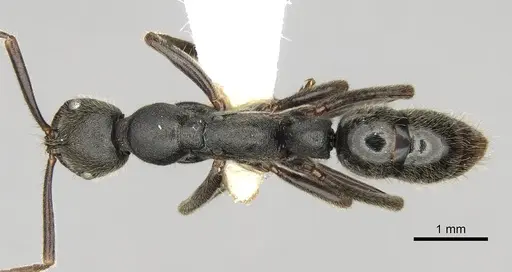
CASENT0635915
View on AntWeb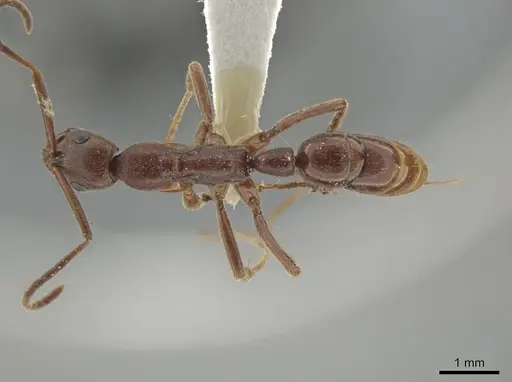
CASENT0915876
View on AntWeb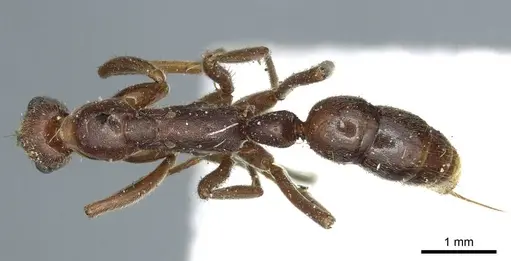
CASENT0915881
View on AntWeb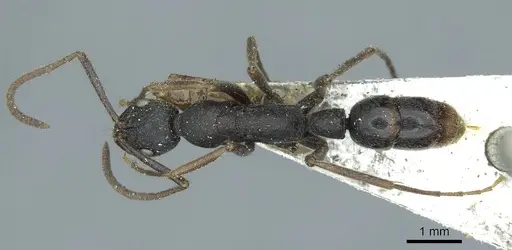
Literature
Loading...Loading products...