

Leptogenys elegans
- Scientific Name
- Leptogenys elegans
- Tribe
- Ponerini
- Subfamily
- Ponerinae
- Author
- Bolton, 1975
- Distribution
- Found in 1 countries
Leptogenys elegans Overview
Leptogenys elegans is an ant species of the genus Leptogenys. It is primarily documented in 1 countries , including Liberia. Detailed taxonomic data and occurrence records can be further explored via authoritative databases such as AntWeb or the Global Biodiversity Information Facility (GBIF).
Leptogenys elegans
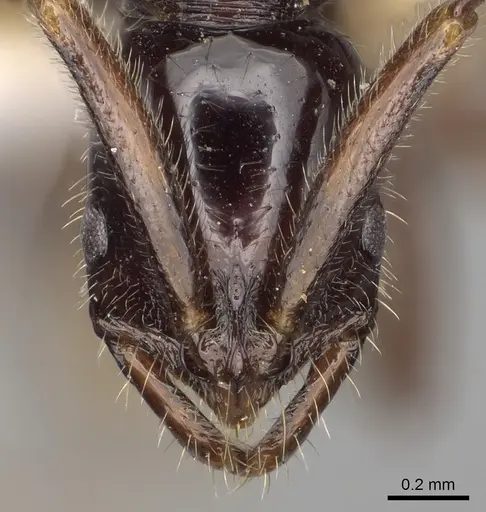
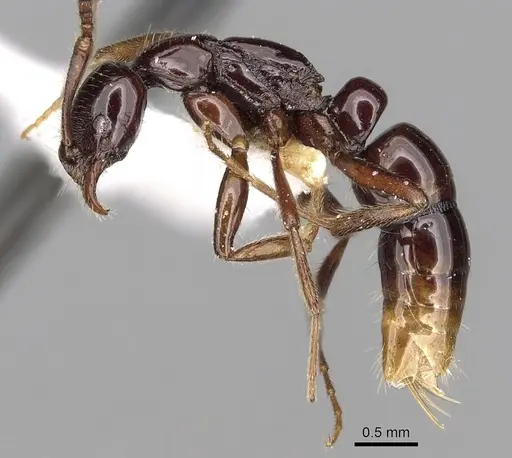
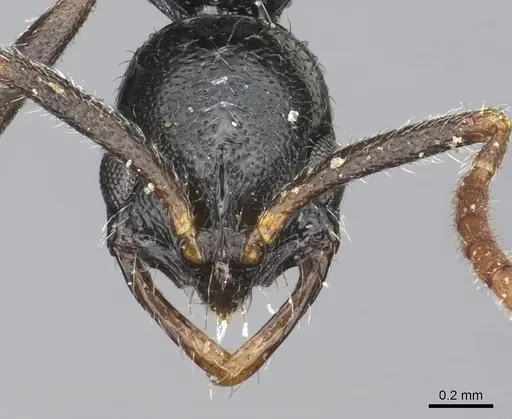
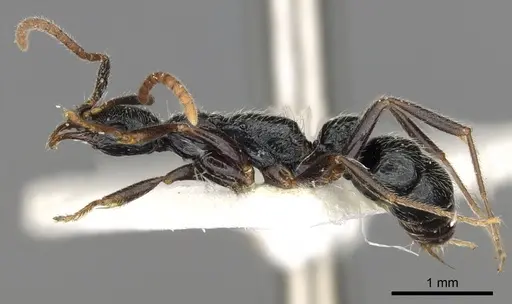
Leptogenys elegans is a small predatory ant species native to tropical Africa, found across the Afrotropical region including Nigeria, Cameroon, Ivory Coast, Kenya, and Uganda. Workers measure approximately 4.5-4.9mm in total length, with a dark brown to black body and lighter brown appendages. The genus Leptogenys belongs to the Ponerinae subfamily, known for their slender build and active hunting behavior. These ants are characterized by their abundant hair-pits on the body surface and relatively short antennae scapes. As predators, they play an important role in their ecosystem by controlling small invertebrate populations.
Quick Summary
- Difficulty: Medium
- Origin & Habitat: Tropical Africa, found in Nigeria, Cameroon, Ivory Coast, Kenya, and Uganda. Inhabits forest environments in the Afrotropical region [1][2].
- Colony Type: Colony structure is unconfirmed. Based on typical Leptogenys patterns, likely single-queen colonies.
- Size & Growth:
- Queen: Unknown, not directly measured in available literature
- Worker: 4.5-4.9mm total length [1]
- Colony: Unknown, likely moderate colony size based on genus patterns
- Growth: Moderate, inferred from typical Ponerinae development
- Development: Estimated 6-10 weeks based on related Ponerinae species at optimal temperature (Development time is inferred from genus patterns, direct measurements not available for this species)
- Antkeeping:
- Temperature: Keep at 24-28°C, tropical species requiring warm conditions. A heating cable on one side of the nest creates a suitable gradient.
- Humidity: High humidity required, aim for 70-80%. Keep the nest substrate consistently moist but not waterlogged. These forest-floor ants prefer damp conditions.
- Diapause: Likely minimal or no true diapause given their tropical origin. Some reduction in activity during cooler months may occur.
- Nesting: Prefers moist substrate with good hiding spots. Y-tong nests or test tube setups with access to a humid forager work well. Provide soil or sand substrate that retains moisture.
- Behavior: Active predators that hunt small invertebrates. Workers are fast-moving and alert. They likely use chemical trails to recruit nestmates to prey. Escape prevention is important due to their small size, use fine mesh barriers. Generally not aggressive toward humans but will defend the colony if threatened.
- Common Issues: small size makes escape prevention critical, use tight-fitting lids and fine mesh, predatory diet requires constant access to live prey, failure to provide adequate protein leads to colony decline, high humidity needs can lead to mold if ventilation is poor, wild-caught colonies may carry parasites that affect captive survival, slow colony establishment compared to faster-growing ant species
Housing and Nest Setup
Leptogenys elegans can be kept in standard test tube setups for founding colonies, transitioning to a Y-tong or formicarium as the colony grows. These ants prefer enclosed nests with moist substrate that retains humidity. A test tube with a water reservoir connected to a forager box works well for starting colonies. The nest area should be dark (cover with a red film or keep in a dark space) as these forest-floor ants prefer dim conditions. Provide a moisture source like a water tube or damp cotton in the nest area. Foraging area should have small prey items placed where workers can find them easily. [1][2]
Feeding and Diet
As predatory ants, Leptogenys elegans require a protein-based diet of live small invertebrates. Offer small live prey such as fruit flies (Drosophila), springtails, tiny crickets, or small mealworms. Feed protein 2-3 times per week, adjusting based on colony size and consumption. Remove uneaten prey after 24-48 hours to prevent mold. While not confirmed for this specific species, Leptogenys species typically do not rely heavily on sugar sources, their diet is primarily predatory. Some workers may accept sugar water or honey occasionally, but protein should form the bulk of their diet.
Temperature and Heating
Being a tropical African species, Leptogenys elegans requires warm temperatures to thrive. Maintain nest temperatures between 24-28°C (75-82°F). A small heating cable placed on one side of the nest creates a temperature gradient allowing ants to regulate their own temperature. Avoid temperatures below 22°C as this can slow colony development and reduce activity. Room temperature within this range is acceptable, but supplemental heating is often needed in cooler climates. Monitor colony behavior, if workers cluster together and show reduced activity, the nest may be too cool.
Humidity Management
These forest-floor ants require high humidity, ideally 70-80%. Keep the nest substrate consistently moist but avoid waterlogging. The substrate should feel damp to the touch. A water tube in the test tube setup provides a constant moisture source. Condensation on the nest walls indicates good humidity levels. However, balance humidity with adequate ventilation to prevent mold growth. If mold appears, reduce moisture slightly and improve air flow. The forager area can be kept slightly drier than the nest area.
Behavior and Colony Dynamics
Leptogenys elegans workers are active hunters that likely forage individually or in small groups. They use chemical pheromone trails to recruit nestmates to large prey items. Workers are fast-moving and alert, with good vision for navigating their environment. The colony will establish a clear nest chamber where the queen and brood are maintained. Workers defend the nest aggressively against intruders. Colony growth is moderate, expect several months before the first major batch of workers appears. Unlike some Ponerinae, these ants do not have a painful sting, though they can bite if handled roughly.
Frequently Asked Questions
How long does it take for Leptogenys elegans to produce first workers?
Based on typical Ponerinae development, expect 6-10 weeks from egg to first worker at optimal temperature (24-28°C). This is an estimate as specific development data is not available for this species.
What do Leptogenys elegans ants eat?
They are predatory ants that need live protein prey. Offer small live insects like fruit flies, springtails, or tiny crickets. Feed 2-3 times per week. They may accept sugar water occasionally but protein is essential.
Can I keep Leptogenys elegans in a test tube setup?
Yes, test tubes work well for founding colonies. Use a test tube with a water reservoir and cotton barrier. Keep the tube humid and dark. Once the colony reaches 20-30 workers, consider moving to a small formicarium.
What temperature do Leptogenys elegans need?
Keep them warm at 24-28°C (75-82°F). Use a heating cable on one side of the nest to maintain warmth. Avoid temperatures below 22°C.
Are Leptogenys elegans good for beginners?
They are rated as medium difficulty. The main challenges are providing constant live prey and maintaining high humidity. If you have experience with other predatory ants like Ponera or Hypoponera, this species is manageable.
How big do Leptogenys elegans colonies get?
Exact colony size is unknown for this species. Based on genus patterns, colonies likely reach several hundred workers at maturity. Growth is moderate.
Do Leptogenys elegans need hibernation?
No, being tropical African ants, they do not require true hibernation. You may see reduced activity during cooler months, but no special cooling period is needed.
Why are my Leptogenys elegans dying?
Common causes include: insufficient live prey (they need protein to survive), low humidity (keep substrate moist), temperatures below 22°C, or parasites from wild-caught colonies. Ensure proper housing conditions and adequate food.
References

This caresheet is licensed under CC BY-SA 4.0 .
CASENT0217123
View on AntWeb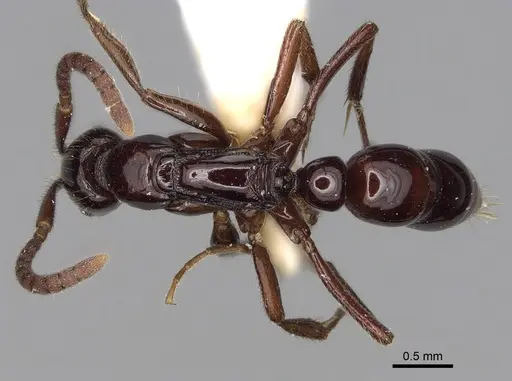
CASENT0902602
View on AntWeb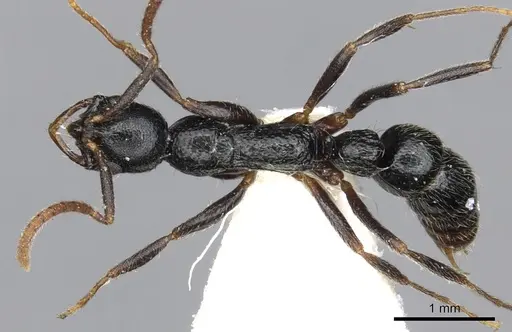
Literature
Loading...Loading products...