

Leptogenys darlingtoni
- Scientific Name
- Leptogenys darlingtoni
- Tribe
- Ponerini
- Subfamily
- Ponerinae
- Author
- Wheeler, 1933
- Distribution
- Found in 1 countries
Leptogenys darlingtoni Overview
Leptogenys darlingtoni is an ant species of the genus Leptogenys. It is primarily documented in 1 countries , including Australia. Detailed taxonomic data and occurrence records can be further explored via authoritative databases such as AntWeb or the Global Biodiversity Information Facility (GBIF).
Leptogenys darlingtoni
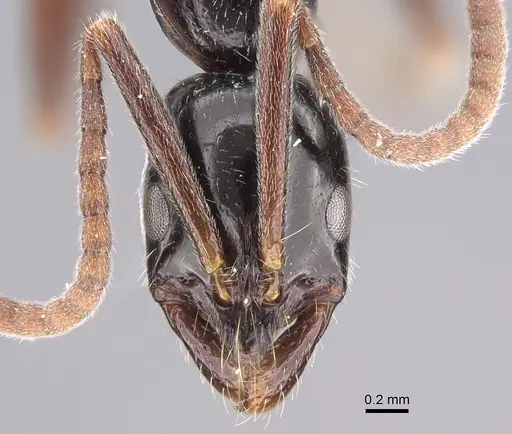
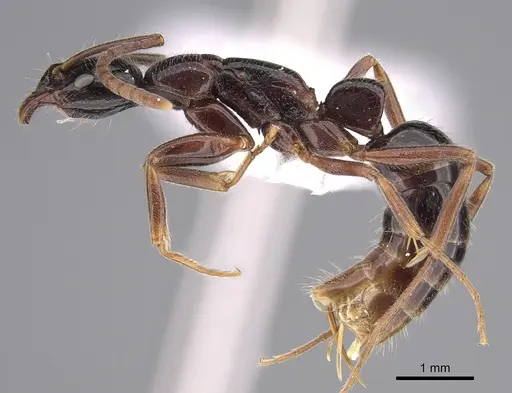
Leptogenys darlingtoni is a predatory ant species native to Western Australia. Workers are smooth, shining, and essentially black in colour [1]. This species is found in drier areas north of the Darling Range in southwestern Australia, with specimens collected as far north as the Pilbara region [2]. As a member of the Ponerinae subfamily, these ants are active predators that hunt other arthropods. They are relatively slender ants with a characteristic hunting behavior, using their mandibles to capture prey.
Quick Summary
- Difficulty: Medium
- Origin & Habitat: Western Australia, found in drier areas north of the Darling Range and as far north as the Pilbara region [2][1]. This species inhabits arid to semi-arid environments in southwestern Australia.
- Colony Type: Colony structure is unconfirmed for this specific species. Based on typical Leptogenys patterns, likely single-queen colonies.
- Size & Growth:
- Queen: Unconfirmed, Leptogenys queens are typically 6-9mm based on genus patterns
- Worker: Unconfirmed, Leptogenys workers are typically 4-7mm based on genus patterns
- Colony: Unknown for this species, related Leptogenys species typically reach several hundred workers
- Growth: Moderate, based on typical Ponerinae development patterns
- Development: Estimated 6-10 weeks at optimal temperature based on related Ponerinae species (Development time is estimated from genus-level data as specific timing has not been documented for this species)
- Antkeeping:
- Temperature: Keep at 24-28°C based on their Australian arid-region origin. A slight temperature gradient allows ants to regulate their own conditions.
- Humidity: Moderate humidity around 50-60%. Being from drier areas of WA, they tolerate lower humidity better than many tropical species. Allow the nest to dry out somewhat between water additions.
- Diapause: Likely required, Australian ants from temperate regions typically need a winter rest period. Reduce temperature to 15-18°C for 2-3 months during winter.
- Nesting: Y-tong (AAC) nests or plaster nests work well. Provide a small outworld for hunting. These ants prefer enclosed nests with moderate moisture levels.
- Behavior: Leptogenys darlingtoni is an active predator. Workers hunt other arthropods, primarily other ants and small insects. They are relatively fast-moving and have good vision. Workers may form foraging trails to locate prey. Escape prevention should be moderate, they are not extremely small but are agile. Their sting is present but potency is unknown for this specific species.
- Common Issues: predatory nature means they need live prey, cannot survive on sugar alone, slow colony growth compared to faster-growing species may frustrate beginners, winter dormancy requirements are often underestimated by new keepers, wild-caught colonies may have parasites that cause issues in captivity, limited information means care is largely based on genus-level patterns rather than species-specific studies
Housing and Nest Setup
Leptogenys darlingtoni does well in Y-tong (AAC) nests or plaster formicaria. These ants prefer enclosed nests with moderate humidity. Provide a small outworld connected to the nest where they can hunt and dispose of prey remains. The nest chambers should be appropriately sized, not too large for a small colony. A water tube attached to the nest helps maintain humidity. Because they come from drier areas of Western Australia, allow the nest substrate to dry out somewhat between water additions rather than keeping it constantly wet. [2]
Feeding and Diet
As predatory ants, Leptogenys darlingtoni requires live prey to thrive. Feed them small live insects such as fruit flies, small crickets, mealworms, and other appropriately sized arthropods. They are active hunters that will chase down prey. Offer prey items 2-3 times per week, removing any uneaten remains after 24 hours. While some Leptogenys species may occasionally accept sugar water, their primary diet should be protein-based live prey. Do not rely on honey or sugar water as a primary food source, these ants are obligate predators.
Temperature and Seasonal Care
Maintain temperatures between 24-28°C for optimal colony health and development. Being from the Pilbara and drier regions of Western Australia, these ants prefer warmer conditions but can tolerate some variation. During winter or if the colony becomes less active, reduce temperatures to 15-18°C for 2-3 months to simulate their natural seasonal cycle. This winter rest period is important for colony health and may trigger reproductive behavior in the following season. Avoid sudden temperature changes. [2]
Behavior and Foraging
Leptogenys darlingtoni is an active, predatory ant species. Workers are fast-moving and will hunt other arthropods, primarily other ants and small insects. They have relatively good vision and may use this to locate prey. Workers typically forage individually or in small groups rather than forming large raiding parties. When hunting, they use their mandibles to capture and subdue prey. Colonies may become more active and aggressive when hunting. Provide enrichment in the outworld such as small obstacles or substrate to encourage natural foraging behavior.
Colony Development
Colony growth is moderate rather than rapid. A newly mated queen will take several months to produce her first workers (nanitics), and the colony will grow gradually over time. Expect 6-10 weeks from egg to first worker at optimal temperature, though this is estimated from related species. Colonies likely reach several hundred workers at maturity. Be patient with this species, they do not have the rapid growth rates seen in some Formicidae. The queen is claustral or semi-claustral depending on the specific pattern for this species, meaning she seals herself in or hunts to feed herself during the founding phase.
Frequently Asked Questions
How long does it take for Leptogenys darlingtoni to produce first workers?
Expect 6-10 weeks from egg to first worker at optimal temperature (24-28°C). This is an estimate based on related Ponerinae species, as specific development timing has not been documented for this species.
What do Leptogenys darlingtoni ants eat?
They are obligate predators that require live prey. Feed small live insects such as fruit flies, small crickets, and mealworms. Remove uneaten prey after 24 hours. Sugar water may be occasionally accepted but should not be the primary food source.
What temperature should I keep Leptogenys darlingtoni at?
Keep them at 24-28°C. They come from arid regions of Western Australia and prefer warmer conditions. A slight temperature gradient allows the colony to self-regulate.
Do Leptogenys darlingtoni need hibernation?
Yes, a winter rest period is likely required. Reduce temperatures to 15-18°C for 2-3 months during winter. This simulates their natural seasonal cycle in Western Australia.
Are Leptogenys darlingtoni good for beginners?
This species is rated as medium difficulty. They require live prey feeding and have specific temperature needs. Beginners may find the predatory feeding requirements and slower growth challenging compared to easier species.
How big do Leptogenys darlingtoni colonies get?
Based on related species, colonies likely reach several hundred workers at maturity. Growth is moderate rather than rapid.
Can I keep multiple Leptogenys darlingtoni queens together?
Colony structure is unconfirmed for this species. It is not recommended to combine unrelated queens as aggressive interactions may occur.
When should I move Leptogenys darlingtoni to a formicarium?
Keep them in a test tube setup for the founding stage. Once the colony reaches 20-30 workers and the test tube becomes crowded, you can move them to a Y-tong or plaster nest.
Why is my Leptogenys darlingtoni colony declining?
Common causes include: insufficient live prey (they need hunting opportunities), incorrect temperature (too cold slows activity), improper humidity (too wet or too dry), or parasites. Ensure they have adequate prey and appropriate conditions.
References

This caresheet is licensed under CC BY-SA 4.0 .
CASENT0217525
View on AntWeb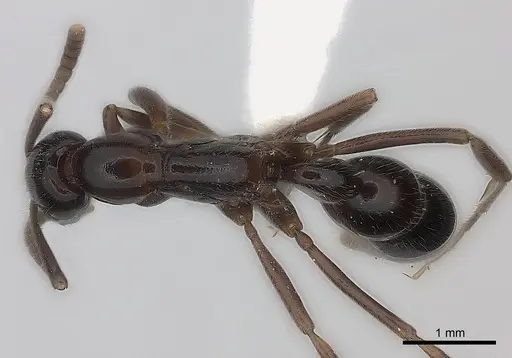
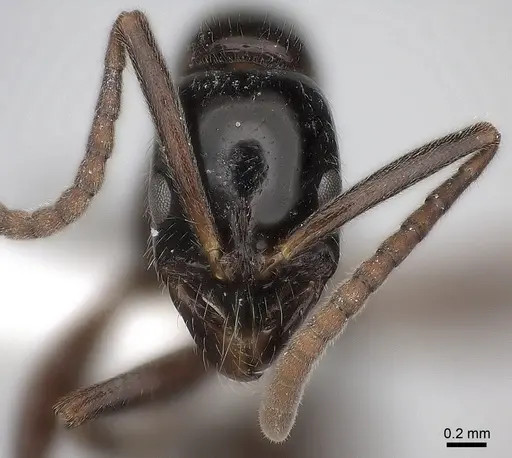
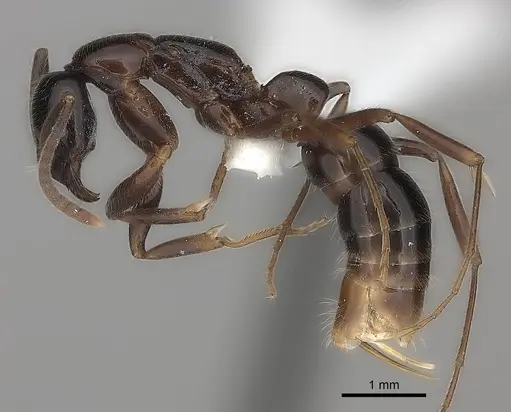
CASENT0923402
View on AntWeb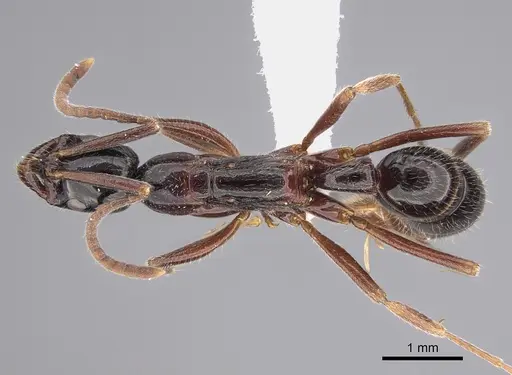
Literature
Loading...Loading products...