

Leptogenys crudelis
- Scientific Name
- Leptogenys crudelis
- Tribe
- Ponerini
- Subfamily
- Ponerinae
- Author
- Smith, 1858
- Distribution
- Found in 1 countries
Leptogenys crudelis Overview
Leptogenys crudelis is an ant species of the genus Leptogenys. It is primarily documented in 1 countries , including Brazil. Detailed taxonomic data and occurrence records can be further explored via authoritative databases such as AntWeb or the Global Biodiversity Information Facility (GBIF).
Leptogenys crudelis
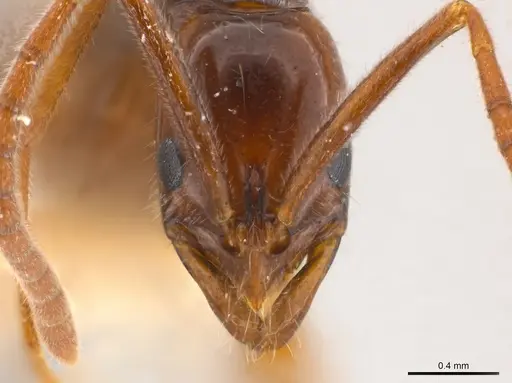
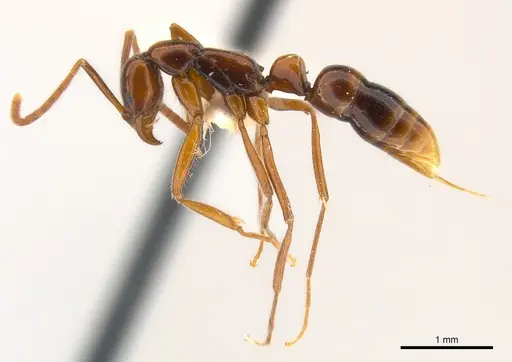
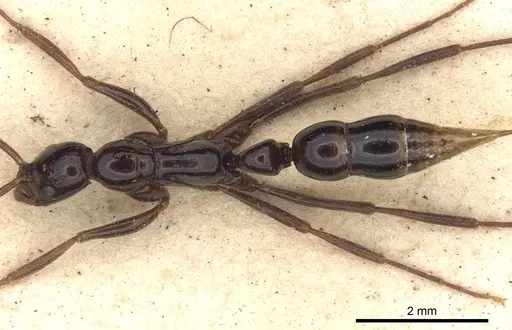
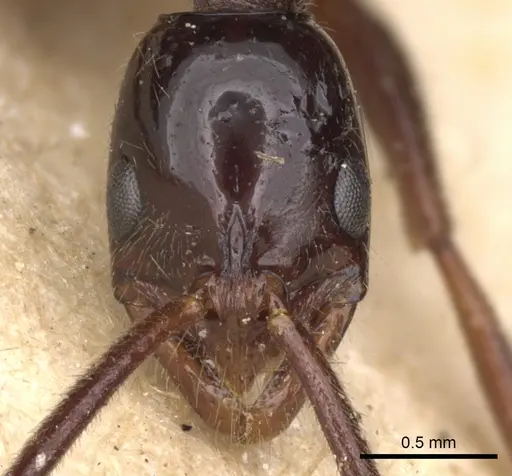
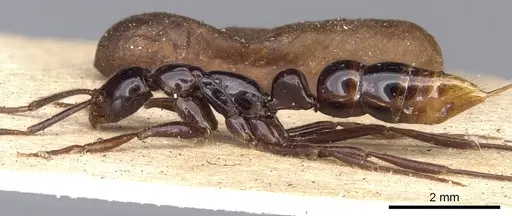
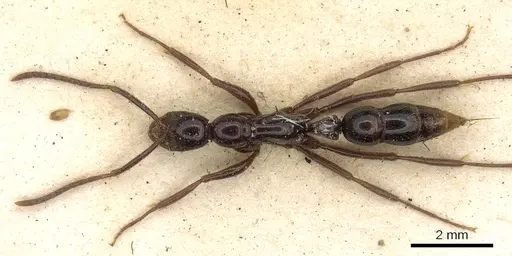
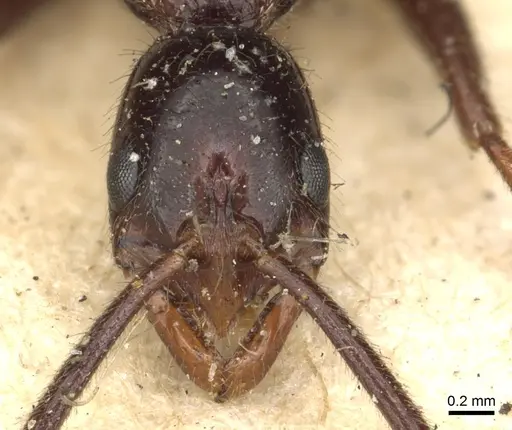
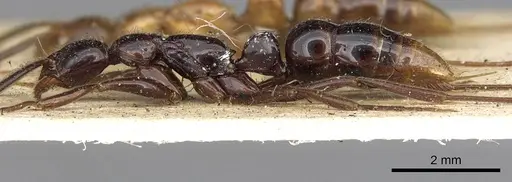
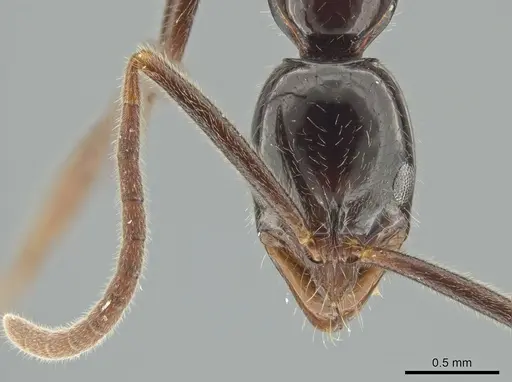
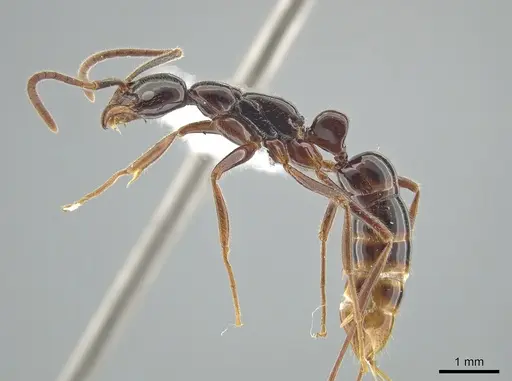
Leptogenys crudelis is a slender, predatory ant species native to Brazil, belonging to the Ponerinae subfamily. Workers are relatively small at around 6mm, with a dark brown body, elongated head, and distinctive flat eyes. The scape (antenna segment) extends well beyond the back of the head, and the petiole (the 'waist' segment) has a characteristic triangular shape when viewed from above. This species is part of the crudelis species group and can be distinguished from similar species like L. iheringi by its thicker, more convex node and completely flat eyes. Queens are larger at around 8mm and have been documented as ergatoid (wingless), which is unusual for this genus. The species has been collected primarily in the Atlantic Forest regions of Bahia and Rio de Janeiro, where it lives in soil and leaf litter. [1][2][3]
Quick Summary
- Difficulty: Unknown, likely Medium to Hard
- Origin & Habitat: Brazil (Bahia, Rio de Janeiro, Petrópolis). Found in tropical and subtropical forest habitats, particularly in soil samples from cocoa plantations and Atlantic Forest fragments. The species appears to be a cryptic ground-dwelling ant that prefers damp, shaded microhabitats. [2][4][3]
- Colony Type: Likely monogyne (single queen) based on ergatoid queen documentation. Ergatoid queens are wingless replacement reproductives that can take over if the primary queen dies. This is common in some Leptogenys species. [2]
- Colony: Monogyne
- Size & Growth:
- Queen: ~8mm (queen measurements: HL 1.47mm, HW 0.96mm)
- Worker: ~6mm (worker measurements: HL 1.21-1.34mm, HW 0.76-0.81mm) [1]
- Colony: Unknown, likely small to moderate (under 500 workers) based on related species patterns
- Growth: Unknown, likely moderate
- Development: Unknown, estimated 6-10 weeks based on typical Ponerinae development at warm temperatures (No specific development data exists for this species. Estimates based on related Leptogenys species suggest 6-10 weeks from egg to worker at optimal temperatures (24-28°C). Ponerinae ants typically develop slower than many common ant genera.)
- Antkeeping:
- Temperature: Likely 24-28°C based on Brazilian tropical origin. Provide a thermal gradient so ants can choose their preferred temperature. Related Leptogenys species are active hunters that benefit from warm, stable conditions.
- Humidity: Likely 60-80%, these are forest floor ants that prefer damp conditions. Keep the nest substrate consistently moist but not waterlogged. Provide a water tube for drinking.
- Diapause: Unknown, Brazilian species may not require true hibernation but may have reduced activity during cooler/drier seasons. Monitor for seasonal slowdowns.
- Nesting: Likely prefers humid, naturalistic setups with soil or coco peat substrate. Related Leptogenys species are ground-nesting predators that benefit from deeper nests with multiple chambers. A Y-tong or plaster nest with good moisture retention would likely work well.
- Behavior: Leptogenys ants are active predators that hunt using their speed and mandibles. They are not aggressive toward humans but will defend their nest vigorously. Workers are fast-moving and likely forage individually for prey. The flat eyes and elongated body suggest they may be adapted for hunting in confined spaces like leaf litter. Escape prevention is important, they are small and quick. [3]
- Common Issues: completely unknown biology means care requirements are estimates based on genus, may need experimentation, no documented feeding preferences, likely requires live prey like other Leptogenys species, ergatoid queen system may affect colony founding, not straightforward like claustral species, small colony sizes in the wild suggest they may be sensitive to disturbance, no information on diapause or seasonal requirements, may struggle if conditions don't match natural cycle
Natural History and Distribution
Leptogenys crudelis is found exclusively in Brazil, with documented populations in the states of Bahia and Rio de Janeiro. The species was originally described by Frederick Smith in 1858 from specimens collected near Constancia in Rio de Janeiro province. More recent collections have occurred in multiple municipalities across Bahia, including Arataca, Buerarema, Camacã, and others within the Atlantic Forest region. The species appears to be relatively rare in ecological surveys, accounting for less than 0.5% of soil ant samples in cocoa plantation studies. One ergatoid (wingless) queen has been documented in museum collections, suggesting this species uses replacement reproductives rather than relying solely on winged nuptial flights. The species is sympatric with Leptogenys iheringi in Bahia and the two can be confused, though L. crudelis has a thicker, more convex petiolar node. [2][4][1][3]
Identification and Distinguishing Features
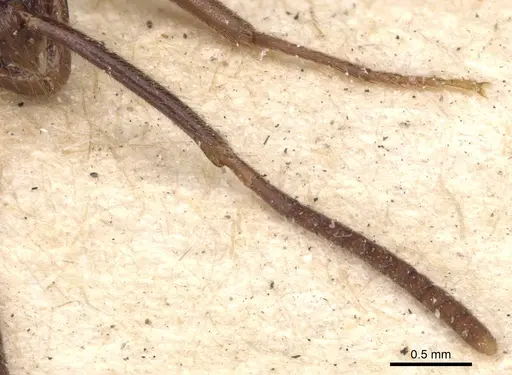
Workers of Leptogenys crudelis are approximately 6mm in length with a distinctive elongated body form. The most characteristic features include completely flat eyes (not convex like L. iheringi), a scape that extends beyond the posterior head margin by more than one-third its length, and a petiolar node that is triangular in dorsal view with the anterior margin less than half the width of the posterior margin. The body is dark brown with slightly lighter legs, mandibles, and clypeus. The mandibles are edentate (toothless) along the masticatory margin. Queens are larger at around 8mm and possess three well-developed ocelli. The species was previously known as Leptogenys crudelis before being synonymized. Males have not been described.[3]
Housing and Nesting Preferences
Based on collection data showing this species in soil samples from cocoa plantations and forest fragments, L. crudelis appears to be a cryptic ground-dwelling species that prefers humid, shaded microhabitats. For captive care, a naturalistic setup with a deep layer of coco peat or soil mixture would likely best mimic their natural environment. The substrate should be kept consistently moist but never waterlogged. Given that ergatoid queens have been documented, this species may have different founding dynamics than typical claustral ants, the queen may not seal herself away completely during founding and may require some hunting opportunities. A Y-tong or plaster nest with good humidity retention would be appropriate once the colony is established. Provide multiple chambers to allow for brood segregation. [2][4]
Feeding and Diet
As a member of the Ponerinae subfamily, Leptogenys crudelis is almost certainly predatory, like other members of this genus. They likely hunt small invertebrates including springtails, mites, and other micro-arthropods found in leaf litter. No specific feeding studies exist for this species, but related Leptogenys are known to be active, fast-moving hunters that pursue prey individually. In captivity, you should offer small live prey such as fruit flies, pinhead crickets, and especially springtails. Unlike some ants, they probably do not rely heavily on sugar sources, though a small amount of honey or sugar water may be accepted. Feed protein-rich prey 2-3 times per week, adjusting based on colony consumption. Remove uneaten prey promptly to prevent mold. [3]
Temperature and Seasonal Care
Leptogenys crudelis originates from tropical Brazil, specifically the Atlantic Forest region which has warm, humid conditions year-round. The species has been collected during multiple months spanning 2006-2012,suggesting activity throughout the year in its tropical range. Keep the nest area at approximately 24-28°C, with a slight thermal gradient allowing workers to regulate their body temperature. A heating cable on one side of the nest can help maintain warmth, placed on top of the nest to avoid evaporating moisture too quickly. Unlike temperate species, Brazilian ants may not require a true hibernation period, though they may show reduced activity during cooler months. Monitor your colony for seasonal changes in activity levels and adjust feeding accordingly. [2]
Colony Structure and Reproduction
The colony structure of Leptogenys crudelis appears to involve ergatoid (wingless) queens, which is significant for antkeepers. One ergatoid queen specimen has been documented in museum collections from Bahia. Ergatoid queens are born without wings and serve as replacement reproductives, if the primary queen dies, an ergatoid can take over egg-laying duties without the colony needing to produce new winged queens. This suggests the species is likely monogyne (single queen) in practice, with the ergatoid system providing redundancy. The presence of ergatoids means colony founding may differ from typical claustral ants, the queen may not seal herself in completely and may need to hunt. Colony size in the wild appears to be small to moderate, likely under a few hundred workers based on related species patterns and the species' rarity in surveys. [2]
Frequently Asked Questions
How long does it take for Leptogenys crudelis to produce first workers?
The egg-to-worker timeline is unconfirmed for this species. Based on typical Ponerinae development and related Leptogenys species, expect approximately 6-10 weeks from egg to first worker at optimal temperatures (24-28°C). Patience is essential as this species likely develops slower than common ant genera. [3]
What do Leptogenys crudelis ants eat?
Like other Ponerinae ants, they are almost certainly predatory. Feed small live prey including fruit flies, springtails, pinhead crickets, and other micro-arthropods. They may accept some sugar sources but protein from live prey should be the primary food. Remove uneaten prey within 24 hours. [3]
Are Leptogenys crudelis good for beginners?
This species is NOT recommended for beginners. Almost nothing is known about its specific care requirements, all recommendations are estimates based on genus-level information. The species is rare in the antkeeping hobby and may have specialized needs that are not yet understood. Consider starting with more documented species like Lasius or Camponotus before attempting Leptogenys. [3]
What temperature do Leptogenys crudelis need?
Based on their Brazilian tropical origin, keep them at 24-28°C. Provide a thermal gradient so workers can choose their preferred temperature. A small heating cable on part of the nest can help maintain warmth, placed on top of the setup to avoid excessive drying. [3]
How big do Leptogenys crudelis colonies get?
Colony size is unknown but likely small to moderate based on related species and the species' rarity in ecological surveys. Expect perhaps 100-500 workers at maturity. They appear to be a cryptic species that maintains smaller colonies than many common ant species. [2][4]
Can I keep multiple Leptogenys crudelis queens together?
Not recommended without specific documentation. The species appears to be functionally monogyne with ergatoid replacement reproductives. Combining unrelated foundress queens has not been documented and could result in aggression. If you obtain an ergatoid queen with workers, keep them as a single-queen colony. [2]
What type of nest should I use for Leptogenys crudelis?
A naturalistic setup with moist coco peat or soil substrate works best for this ground-dwelling species. Once established, a Y-tong or plaster nest with good humidity retention is appropriate. The nest should have multiple chambers and maintain consistent moisture. Avoid dry, airy setups. [3]
Do Leptogenys crudelis need hibernation?
Probably not, as a Brazilian tropical species, they likely do not require true hibernation. However, they may have reduced activity during cooler or drier periods. Monitor your colony for seasonal changes and adjust temperature and feeding accordingly. Do not expose them to cold temperatures. [3]
Why is my Leptogenys crudelis colony dying?
Without documented care requirements, trial and error is likely needed. Common issues may include: incorrect humidity (too dry or too wet), temperature stress, lack of appropriate live prey, or stress from disturbance. This species appears rare and sensitive in the wild, so captive colonies may be fragile. Ensure excellent escape prevention as they are small and fast. [3]
References

This caresheet is licensed under CC BY-SA 4.0 .
CASENT0217019
View on AntWeb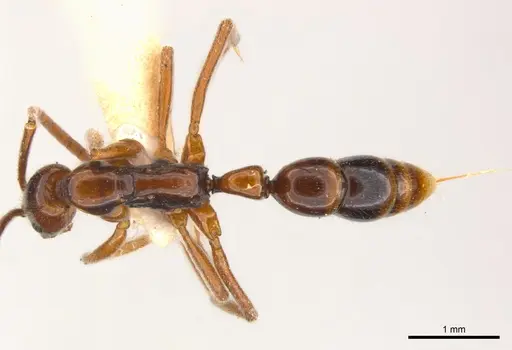
CASENT0901358
View on AntWeb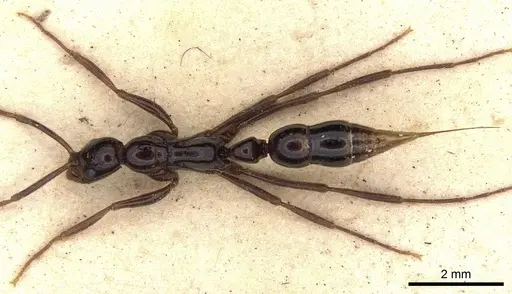
CASENT0902625
View on AntWeb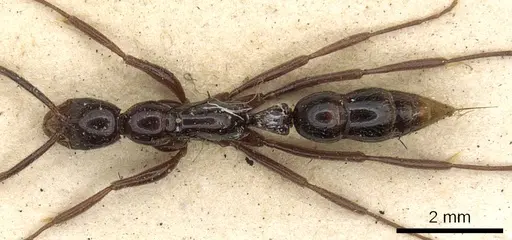
DZUP549117
View on AntWeb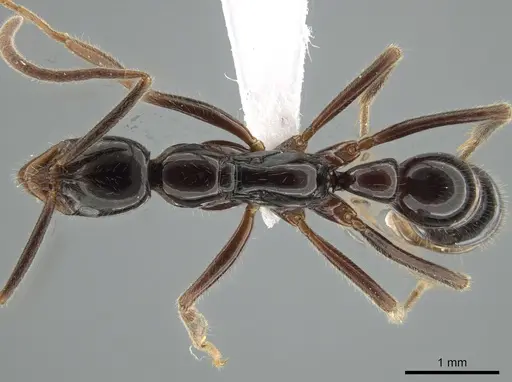
Literature
Loading...Loading products...