

Leptogenys confucii
- Scientific Name
- Leptogenys confucii
- Tribe
- Ponerini
- Subfamily
- Ponerinae
- Author
- Forel, 1912
- Distribution
- Found in 0 countries
Leptogenys confucii Overview
Leptogenys confucii is an ant species of the genus Leptogenys. It is primarily documented in 0 countries . Detailed taxonomic data and occurrence records can be further explored via authoritative databases such as AntWeb or the Global Biodiversity Information Facility (GBIF).
Leptogenys confucii
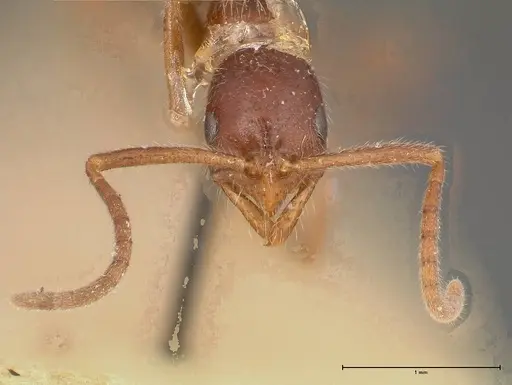
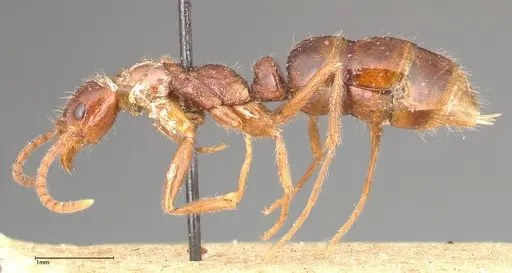
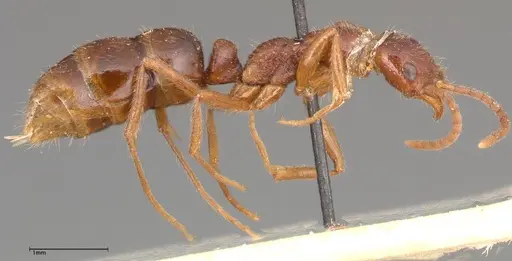
Leptogenys confucii is a small Ponerine ant measuring approximately 4.5mm in total length [1][2]. Workers have a black body with a blackish-brown gaster, and the first gastral segment is smooth and shiny [1][2]. The petiolar node is as high as it is long when viewed from the side, and the sides of the mesothorax, metathorax, and propodeum have irregular rugose texture [1][2]. This species belongs to the chinensis species group and is found in Japan and China (Taiwan) [1]. Unlike many ant species, L. confucii has ergatoid queens, wingless reproductive females that can serve as replacement egg-layers if the primary queen dies [3]. Colonies remain small, typically containing only a few dozen workers [3].
Quick Summary
- Difficulty: Medium
- Origin & Habitat: Native to Japan and Taiwan, found in the Indomalaya and Palaearctic regions [3]. This is a stenochoric species, meaning it has very specific habitat requirements, it lives in primary forest environments and is restricted to particular microhabitats [4]. Nests are located under stones, rotting wood, or in forest leaf-litter [3].
- Colony Type: Monogynous, colonies have a single queen [4]. Reproductive females are ergatoid (wingless), which serve as replacement reproductives if needed [3]. This is NOT the same as polygyny, the species forms single-queen colonies.
- Size & Growth:
- Queen:{.size-link} Ergaoid queens are wingless, size not specifically documented but similar to workers [3]
- Worker:{.size-link} Approximately 4.5mm total length [1][2]
- Colony: Small colonies with only a few tens of workers [3]
- Growth: Slow, small colony size suggests moderate to slow development
- Development: Unknown, no specific development data available for this species (Based on typical Ponerine patterns, expect development to take several months. Ponerine ants generally have longer development times than many common hobby species.)
- Antkeeping:
- Temperature: Keep at room temperature, roughly 20-25°C. As a species from temperate Japan and subtropical Taiwan, they prefer moderate temperatures without extreme heat. A gentle gradient allowing workers to choose their preferred temperature is ideal.
- Humidity: Moderate to high humidity. In nature they nest under stones, in rotting wood, and leaf-litter, all environments that retain moisture. Keep the nest substrate consistently damp but not waterlogged, with some drier areas available for the ants to self-regulate.
- Diapause: Yes, as a species from temperate Japan, they likely require a winter rest period. Reduce temperatures to around 10-15°C for 2-3 months during winter, mimicking natural seasonal cycles.
- Nesting: Prefers nested in damp, shaded locations, under stones, in rotting wood, or within leaf-litter [3]. In captivity, a naturalistic setup with moist substrate (like a dirt colony or plaster nest with damp sections) works well. Avoid dry, heated nests. Y-tong or acrylic nests with moisture reservoirs can work if humidity is maintained.
- Behavior: These ants are quite shy and when their nest is disturbed, workers disperse rapidly making it difficult to census colonies [3]. As Ponerines, they have a functional sting and can defend themselves if threatened. They are not aggressive toward humans but will use their sting if handled roughly or if their nest is threatened. Escape prevention is important, while not tiny, they are small enough to slip through small gaps. They are stenochoric (habitat specialists) so they may be sensitive to environmental changes [4].
- Common Issues: small colony size means colonies are vulnerable, a few worker deaths can significantly impact the colony, rapid dispersal when disturbed makes them hard to handle and can result in lost workers, stenochoric nature means they are habitat specialists and may be sensitive to captive conditions, winter diapause is likely required but timing and duration may need adjustment based on colony behavior, ergatoid queens may be mistaken for workers, proper identification requires attention to reproductive anatomy
Nest Preferences and Housing
Leptogenys confucii naturally nests under stones, in rotting wood, or within forest leaf-litter [3]. These locations share common characteristics: they are damp, shaded, and protected from direct sunlight. In captivity, replicate these conditions using a naturalistic setup with moist substrate. A dirt colony or plaster nest with a water reservoir works well, the key is maintaining consistent moisture without flooding. Avoid dry setups or nests placed in direct warmth, as this species prefers stable, moderate conditions. Because they are stenochoric (habitat specialists), avoid moving them frequently as they may struggle to adapt to new environments [4]. Provide cover materials like leaves, small stones, or wood pieces so workers feel secure.
Feeding and Diet
As a Ponerine ant, Leptogenys confucii is predatory and likely hunts small invertebrates. In captivity, offer small live prey such as fruit flies, pinhead crickets, mealworms, and other small insects. Protein should make up the majority of their diet. They may also accept sugar sources like honey or sugar water, though Ponerines are typically less interested in sweets than Formicines. Feed small amounts 2-3 times per week, removing any uneaten prey after 24 hours to prevent mold. Because colonies remain small, portion sizes should be modest, a few small prey items per feeding is sufficient. [3]
Temperature and Seasonal Care
Keep Leptogenys confucii at moderate room temperatures, ideally around 20-25°C. This species comes from temperate Japan and subtropical Taiwan, so they do not require extreme heat. As a stenochoric species with specific habitat requirements, they likely prefer stable conditions over temperature fluctuations [4]. During winter, provide a diapause period, reduce temperatures to roughly 10-15°C for 2-3 months. This mimics their natural seasonal cycle and supports colony health. Do not heat the nest directly, instead, maintain room temperature and allow the colony to experience natural seasonal cooling. If your room stays warm year-round, consider a dedicated refrigerator or cool location for winter storage.
Behavior and Handling
When their nest is breached or disturbed, Leptogenys confucii workers disperse rapidly, this makes them challenging to handle and census [3]. They are not aggressive but possess a functional sting as Ponerines. Handle gently and avoid disturbing the nest unnecessarily. These ants are shy and will retreat rather than confront threats. Escape prevention is important, while not among the smallest ants, they can still slip through small gaps. Use standard barrier methods like fluon on test tube setups. Because colonies stay small (only a few tens of workers), each individual is valuable to the colony's survival. Avoid frequent nest inspections that could cause mass dispersal.
Colony Structure and Reproduction
Leptogenys confucii forms monogynous colonies with a single queen [4]. Unlike most ant species where new queens are winged and disperse to start new colonies, this species has ergatoid queens, wingless reproductive females that develop from regular worker larvae [3]. Ergatoid queens serve as replacement reproductives if the primary queen dies, allowing the colony to continue without needing to produce new winged queens. This is a common adaptation in some Ponerine genera. Males are winged and possess distinctive pectinate (comb-like) tarsal claws [3]. Colony size remains small throughout the year, typically only reaching a few dozen workers even in mature colonies.
Frequently Asked Questions
How long does it take for Leptogenys confucii to produce first workers?
The exact egg-to-worker development time is unknown for this species. Based on typical Ponerine ant development patterns, expect it to take several months. Ponerines generally have longer development times than many common ant species. Be patient, small colonies grow slowly.
Can I keep multiple Leptogenys confucii queens together?
No. This species is monogynous, meaning colonies naturally have a single queen [4]. Unlike some ants that can form multi-queen colonies, L. confucii does not tolerate multiple queens. Attempting to combine unrelated queens will likely result in fighting.
What do Leptogenys confucii ants eat?
As Ponerine ants, they are predatory and need live small invertebrates. Offer fruit flies, pinhead crickets, small mealworms, or similar small prey. They may accept sugar water or honey occasionally, but protein from insects should be their primary food. Feed small amounts 2-3 times per week.
Does Leptogenys confucii need hibernation?
Yes, likely. As a species found in temperate Japan, they probably require a winter rest period. Reduce temperatures to around 10-15°C for 2-3 months during winter. This diapause helps maintain natural seasonal rhythms and supports colony health.
Are Leptogenys confucii good for beginners?
This species is rated as Medium difficulty. While not the hardest ant to keep, they have specific requirements: they need stable moderate temperatures, proper humidity, likely require winter diapause, and are sensitive to disturbance. Their small colony size and stenochoric nature also make them less forgiving of mistakes than some hardy hobby species.
How big do Leptogenys confucii colonies get?
Colonies remain small throughout their life. In the wild, nests contain only a few tens of workers [3]. Even in captivity, expect maximum colony sizes in the range of 30-60 workers rather than the hundreds or thousands seen in species like Camponotus or Formica.
When should I move Leptogenys confucii to a formicarium?
Wait until the colony is established and has at least 10-15 workers. Because colonies remain small, they can be kept in test tubes or small setups for quite some time. Only move to a larger formicarium when the test tube setup becomes crowded or the water reservoir needs frequent refilling. A naturalistic setup with moist substrate works best.
Why do my Leptogenys confucii workers run away when I check on them?
This is normal behavior, when disturbed, L. confucii workers disperse rapidly [3]. It is a defense mechanism. Minimize nest inspections, use red film or keep the colony in a dark location, and avoid blowing on or physically disturbing the nest. Frequent disturbance can stress the colony and slow growth.
Report an Issue
The current care sheet is based fully on literature. See inconsistencies, or something that's incorrect? Please , it will be resolved after review from an admin. Contributing to the blogs tab also helps providing information, to make us be able to further improve the caresheets. Thank you for your support!
References

This caresheet is licensed under CC BY-SA 4.0 .
FOCOL0353
View on AntWeb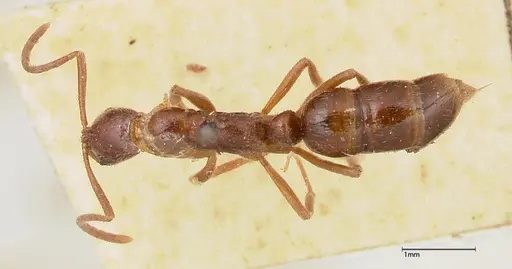
Literature
Loading...Loading products...