

Leptogenys clarki
- Scientific Name
- Leptogenys clarki
- Tribe
- Ponerini
- Subfamily
- Ponerinae
- Author
- Wheeler, 1933
- Distribution
- Found in 1 countries
Leptogenys clarki Overview
Leptogenys clarki is an ant species of the genus Leptogenys. It is primarily documented in 1 countries , including Australia. Detailed taxonomic data and occurrence records can be further explored via authoritative databases such as AntWeb or the Global Biodiversity Information Facility (GBIF).
Leptogenys clarki
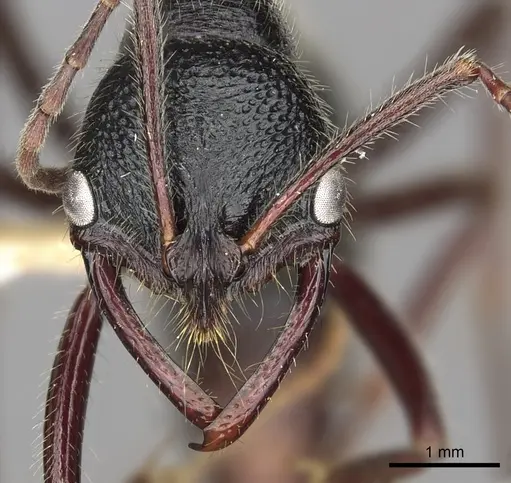
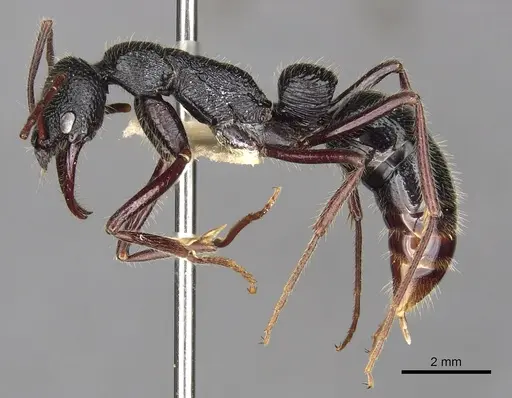
Leptogenys clarki is a striking, very large ant species native to the coastal regions of Western Australia, specifically between Geraldton and Exmouth. Workers are heavily sculptured with a robust, impressive appearance that makes them stand out among Australian ants. This species belongs to the Ponerinae subfamily, known for their powerful sting and predatory lifestyle. Despite being rare in ant collections, recent surveys have revealed it to be quite common in the Carnarvon Basin region of mid-western WA [1]. The genus Leptogenys is known for their specialized hunting of isopods and other arthropods, using coordinated group raids to capture prey.
Quick Summary
- Difficulty: Medium
- Origin & Habitat: Coastal Western Australia between Geraldton and Exmouth. Found in the Carnarvon Basin region, this ant prefers coastal localities and is associated with arid to semi-arid habitats in southwestern Australia [1].
- Colony Type: Likely single-queen colonies based on typical Leptogenys patterns. Colony size reaches several hundred workers in mature colonies.
- Colony: Monogyne
- Founding: Semi-claustral
- Size & Growth:
- Queen: Estimated 12-15mm based on very large worker size and genus patterns
- Worker: Very large, approximately 10-14mm based on 'very large' descriptor and genus morphology
- Colony: Likely several hundred workers based on genus patterns
- Growth: Moderate
- Development: Estimated 8-12 weeks at optimal temperature based on related Ponerinae species (Development time inferred from genus patterns, actual timing unconfirmed for this species)
- Antkeeping:
- Temperature: Keep around 24-28°C with a gentle gradient. Australian coastal species tolerate room temperature in most homes.
- Humidity: Moderate humidity around 50-60%. Provide a moisture gradient with a damp area and drier resting areas.
- Diapause: Likely a mild winter rest period (2-3 months at 15-18°C) given Australian temperate distribution, though specific requirements unconfirmed.
- Nesting: Use a spacious nest with deep chambers to accommodate their large size. Y-tong or plaster nests work well. Provide moderate substrate moisture and a foraging area.
- Behavior: Leptogenys clarki is a predatory ant that hunts arthropods, particularly isopods. They are active foragers and may exhibit group raiding behavior typical of the genus. Workers are large and robust with a potent sting, handle with caution. Escape prevention is important due to their large size and active foraging nature. They are not aggressive toward humans but will defend the nest if threatened.
- Common Issues: large size requires spacious enclosures and may be harder to house appropriately, predatory nature means they need live prey regularly, not suitable for keepers who want easy feeding, potent sting makes them less suitable for handling or observation without protection, rare in the hobby means limited availability and high prices, specific temperature and humidity requirements need careful monitoring
Housing and Nest Setup
Leptogenys clarki requires spacious housing due to their large worker size. A Y-tong (acrylic) nest or plaster nest works well, providing deep chambers that accommodate their robust build. The foraging area should be proportionally large, these ants are active foragers and need space to hunt and explore. Use a test tube setup for the founding colony, then move to a formicarium once the colony reaches 20-30 workers. Escape prevention is important, these large ants can climb smooth surfaces easily, so apply fluon or barrier tape to container edges. The nest should have a moisture gradient so ants can regulate their own humidity preferences. [1]
Feeding and Diet
Leptogenys clarki is a specialized predator. In the wild, they hunt isopods and other small arthropods using coordinated group attacks. In captivity, offer live prey such as small crickets, mealworms, fruit flies, and especially isopods (rolly pollies) when available. Feed prey roughly twice weekly, adjusting based on colony size and consumption. Remove uneaten prey after 24-48 hours to prevent mold. Sugar sources like honey or sugar water are typically not a significant part of their diet, though some keepers report occasional acceptance. The key is providing regular, varied live protein, this species is not suitable for keepers seeking low-maintenance feeding routines.
Temperature and Seasonal Care
Maintain temperatures around 24-28°C during the active season. A heating cable on one side of the nest creates a temperature gradient allowing ants to self-regulate. These Australian coastal ants prefer warmer conditions but can tolerate typical room temperature (20-24°C) in most homes. During winter, a mild dormancy period of 2-3 months at 15-18°C is recommended, mimicking their natural seasonal cycle in southwestern Australia. Reduce feeding during this period and allow the colony to slow down. Do not cool below 10°C as this can be harmful. Monitor colony activity levels, if workers become sluggish and cluster together, they may be too cold. [1]
Behavior and Defense
Leptogenys clarki workers are large, robust ants with a potent sting. While not aggressive toward humans, they will defend their nest vigorously if disturbed. The sting can be painful and may cause localized reactions in sensitive individuals, handle the colony with care and avoid provocation. Foraging occurs primarily at night or during cooler parts of the day in the wild, but captive colonies often adapt to daylight feeding schedules. They may exhibit group recruitment to food sources, with workers leading nestmates to prey items. Their large size and active foraging mean they require more space than typical small ant species.
Colony Development
Leptogenys clarki colonies grow at a moderate pace. Founding queens are semi-claustral, meaning they must leave the nest to hunt for food during the founding stage rather than relying solely on stored fat reserves like claustral species. This makes founding more challenging, the queen needs access to small prey items to feed herself and raise the first brood. The first workers (nanitics) will be smaller than mature workers but still notably large. Expect 6-12 months from founding to a colony of 50+ workers under optimal conditions. Mature colonies may reach several hundred workers. Patience is key with this species, they are not fast growers but can live for many years once established.
Frequently Asked Questions
How long does it take for Leptogenys clarki to produce first workers?
Expect first workers (nanitics) approximately 8-12 weeks after the queen lays eggs, assuming optimal temperature around 26°C. This is an estimate based on related Ponerinae species, actual timing for this specific species may vary.
What do Leptogenys clarki eat?
They are predatory ants that need live prey. Offer small crickets, mealworms, fruit flies, and especially isopods (roly-polies). Feed prey twice weekly and remove uneaten items after 24-48 hours.
Are Leptogenys clarki good for beginners?
No, this species is not ideal for beginners. They require live prey feeding, have specific temperature needs, have a potent sting, and need spacious housing. They are better suited for intermediate to experienced antkeepers.
Can I keep multiple Leptogenys clarki queens together?
Leptogenys are typically single-queen colonies. Combining unrelated queens is not recommended and likely results in fighting. Only one queen per colony should be kept.
What temperature do Leptogenys clarki need?
Keep them at 24-28°C during the active season. A heating cable on one side of the nest creates a gradient. In winter, provide a mild dormancy period at 15-18°C for 2-3 months.
How big do Leptogenys clarki colonies get?
Mature colonies likely reach several hundred workers based on genus patterns. They are a large, impressive species when fully established.
When should I move Leptogenys clarki to a formicarium?
Move from test tube to formicarium once the colony reaches 20-30 workers. They need more space than typical ants due to their large size and active foraging behavior.
Do Leptogenys clarki need hibernation?
A mild winter rest period is recommended. Reduce temperature to 15-18°C for 2-3 months during winter months, mimicking their natural Australian seasonal cycle. Reduce feeding during this time.
Why is my Leptogenys clarki colony dying?
Common causes include: lack of live prey (they need protein), incorrect humidity (too dry or too wet), temperature stress (too cold or hot), or stress from disturbance. Ensure proper prey availability, appropriate nest moisture, and minimal disturbance.
References

This caresheet is licensed under CC BY-SA 4.0 .
CASENT0217524
View on AntWeb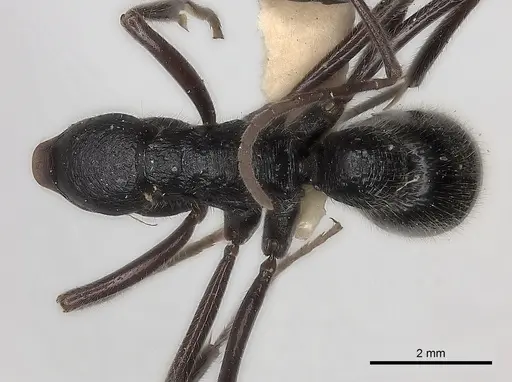
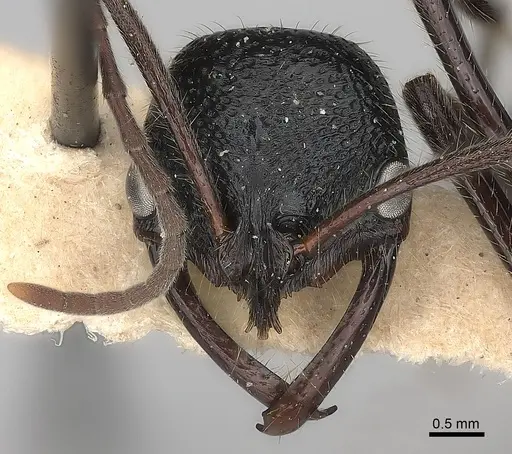
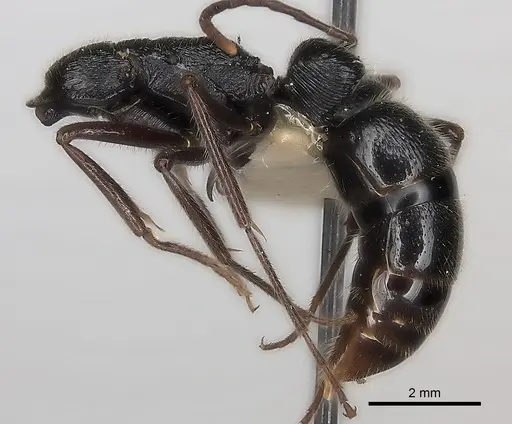
CASENT0902622
View on AntWeb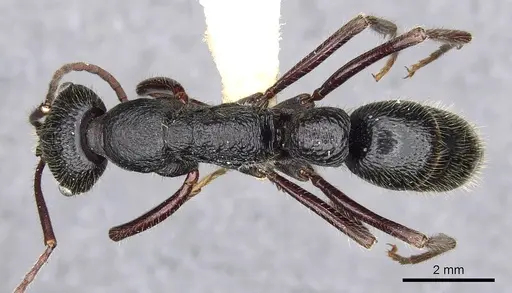
Literature
Loading...Loading products...