

Leptogenys bubastis
- Scientific Name
- Leptogenys bubastis
- Tribe
- Ponerini
- Subfamily
- Ponerinae
- Author
- Bolton, 1975
- Distribution
- Found in 3 countries
Leptogenys bubastis Overview
Leptogenys bubastis is an ant species of the genus Leptogenys. It is primarily documented in 3 countries , including Central African Republic, Congo, Gabon. Detailed taxonomic data and occurrence records can be further explored via authoritative databases such as AntWeb or the Global Biodiversity Information Facility (GBIF).
Leptogenys bubastis
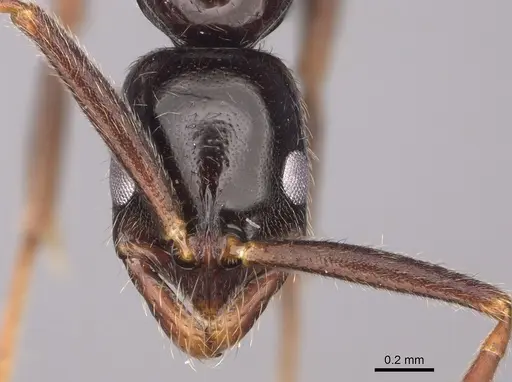
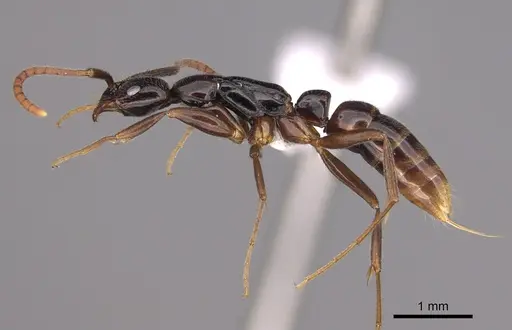
Leptogenys bubastis is a predatory ant species from the Ponerinae subfamily, found in Central Africa (Cameroon and Gabon). Workers are slender ants with the characteristic elongated mandibles typical of the genus, adapted for hunting small prey. This species was described by Bolton in 1975 and has been documented in lowland forest habitats at elevations around 110 meters. Like other Leptogenys species, they are specialized predators that primarily hunt isopods and other small arthropods. They use a combination of solitary foraging and group recruitment strategies to capture prey [1][2].
Quick Summary
- Difficulty: Medium
- Origin & Habitat: Lowland forest areas in Cameroon and Gabon, West-Central Africa. Found at approximately 110m elevation in Gabon [1].
- Colony Type: Likely single-queen colonies based on typical Leptogenys genus patterns, though colony structure has not been directly documented for this species.
- Colony: Monogyne
- Founding: Claustral
- Size & Growth:
- Queen: Estimated 7-9mm based on genus Leptogenys patterns, not directly measured for this species
- Worker: Estimated 4-6mm based on genus Leptogenys patterns, not directly measured for this species
- Colony: Unknown for this specific species, but related Leptogenys typically reach several hundred workers
- Growth: Moderate, typical for Ponerine ants
- Development: Estimated 6-10 weeks based on typical Ponerinae development at warm temperatures (Development time inferred from related Ponerine species, specific data for L. bubastis is unavailable)
- Antkeeping:
- Temperature: Keep at 24-28°C. Ponerine ants typically prefer warm, stable conditions. A heating cable on one side of the nest creates a suitable gradient.
- Humidity: Maintain moderate to high humidity (60-80%). Keep the nest substrate consistently moist but not waterlogged. These forest-floor ants need damp conditions.
- Diapause: Unlikely, being a tropical species from lowland Africa, they probably do not require a hibernation period. Keep warm year-round.
- Nesting: In nature, they likely nest in soil or under stones in forest floor habitats. In captivity, a Y-tong (AAC) nest or moist plaster nest works well. They prefer tight chambers and moderate darkness.
- Behavior: Leptogenys bubastis are active predators with a specialized diet of isopods and small arthropods. They use solitary foraging combined with group recruitment when larger prey is discovered [2]. They are not aggressive toward humans but will defend their nest. Workers are medium-sized and capable of stinging if threatened. Escape prevention should be moderate, they are not tiny ants but can squeeze through small gaps.
- Common Issues: Limited availability of their natural prey (isopods) in the hobby, may need to culture isopods or offer alternative small prey like fruit flies, Tropical species may decline if temperatures drop below 22°C, Ponerines can be sensitive to disturbance during founding, minimize nest inspections, Limited species-specific information means care is largely inferred from genus patterns
Housing and Nest Preferences
Leptogenys bubastis originates from lowland forest habitats in Central Africa, where they typically nest in soil or under stones on the forest floor. In captivity, they do well in a Y-tong (AAC) formicarium or a moist plaster nest that maintains humidity. The nest should have tight-fitting chambers scaled to their worker size, with some open space for foraging. A small outworld area allows them to hunt and explore. Keep the nest relatively dark, these ants prefer dim conditions and will be more active when the nest is covered. A water reservoir in the nest helps maintain humidity without constant misting. [1]
Feeding and Diet
This species is a specialized predator that primarily hunts isopods in the wild [2]. In captivity, you should culture small isopods (woodlice) as a primary food source. They will also accept other small arthropods like fruit flies, pinhead crickets, and small mealworms. Offer prey 2-3 times per week, removing any uneaten prey after 24 hours. Unlike some ants, they are not typically attracted to sugar sources, their diet is primarily protein-based. Fresh water should always be available.
Temperature and Heating
As a tropical lowland species from Gabon and Cameroon, Leptogenys bubastis needs warm conditions to thrive. Keep the nest area at 24-28°C. A heating cable placed on top of the nest (never underneath to avoid drying) creates a gentle warmth gradient. Room temperature may be sufficient if your home stays in the low-to-mid 20s°C, but additional heat often improves activity and brood development. Monitor colony behavior, if workers cluster near the heated area, the temperature is appropriate. Avoid temperatures below 22°C, as this tropical species may struggle in cooler conditions.
Colony Founding
The founding behavior of Leptogenys bubastis has not been directly documented. Based on typical Leptogenys genus patterns, the queen likely seals herself in a small chamber (claustral founding) and raises the first brood alone using stored fat reserves. During this time, she does not forage. The founding chamber should be kept dark and undisturbed. Expect the first workers (nanitics) to emerge in 6-10 weeks under warm conditions. Once workers arrive, begin offering small prey items in the outworld.
Behavior and Foraging
Leptogenys bubastis uses a combination of solitary foraging and group recruitment to capture prey [2]. Workers hunt individually but will recruit nestmates when they find larger prey items like isopods. This makes them fascinating to watch, you may see a lone forager leave the nest, then minutes later several workers follow her trail to a prey item. They are not aggressive toward keepers and rarely sting, but will defend the nest if threatened. Workers are moderately active and will explore the outworld regularly once the colony is established.
Frequently Asked Questions
How long does it take for Leptogenys bubastis to produce first workers?
Based on typical Ponerine development, expect 6-10 weeks from egg to first worker at optimal temperatures (24-28°C). Specific development data for L. bubastis is not available, so this is an estimate from related species.
What do Leptogenys bubastis eat?
They are specialized predators that primarily hunt isopods (woodlice) in the wild. In captivity, culture small isopods as a primary food source. They will also accept fruit flies, small crickets, and other tiny arthropods. Sugar sources are typically not accepted.
What temperature do Leptogenys bubastis need?
Keep them warm at 24-28°C. This tropical species from lowland Africa does not tolerate cool temperatures well. A small heating cable on the nest helps maintain optimal conditions.
Are Leptogenys bubastis good for beginners?
This species is rated as Medium difficulty. While not the hardest ant to keep, the need for live isopods as prey and warm, humid conditions makes it better suited for keepers with some experience. The specialized diet requires extra effort to culture prey.
Do Leptogenys bubastis need hibernation?
No, they do not require hibernation. Being a tropical species from lowland Africa, they should be kept warm year-round. There is no diapause requirement documented or expected for this species.
How big do Leptogenys bubastis colonies get?
Colony size for this specific species is not documented. Based on related Leptogenys species, colonies likely reach several hundred workers. Growth is moderate, expect a few years to reach substantial colony size.
Can I keep multiple Leptogenys bubastis queens together?
This is not recommended. Like most Leptogenys species, they are likely monogyne (single queen). Combining unrelated queens has not been documented for this species and would likely result in fighting.
When should I move Leptogenys bubastis to a formicarium?
Keep them in a test tube setup for the founding stage. Once the colony reaches 20-30 workers and you see regular foraging activity, you can move them to a small formicarium like a Y-tong nest. They prefer tight chambers and moderate darkness.
Why is my Leptogenys bubastis colony declining?
Common causes include: temperatures below 22°C, too dry conditions, lack of appropriate prey (isopods), or disturbance during founding. Ensure warm, humid conditions and offer live small prey. Ponerines are sensitive to stress, minimize nest inspections.
References

This caresheet is licensed under CC BY-SA 4.0 .
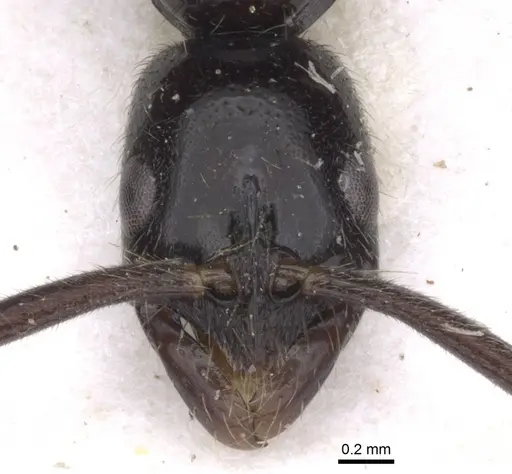
CASENT0270541
View on AntWeb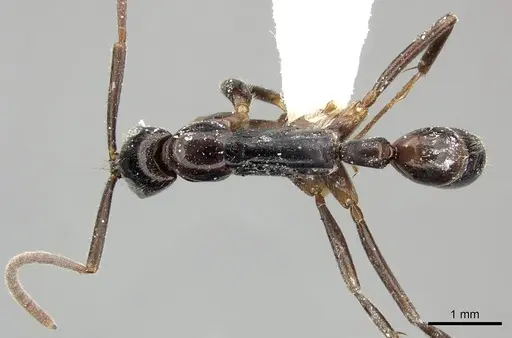
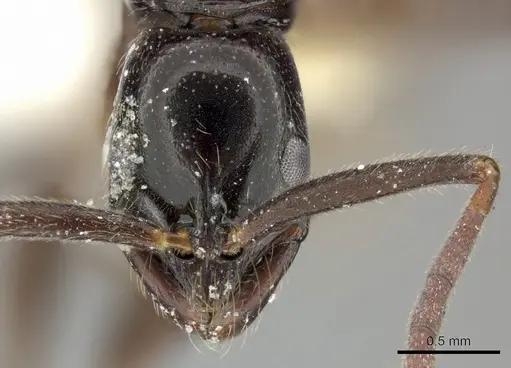
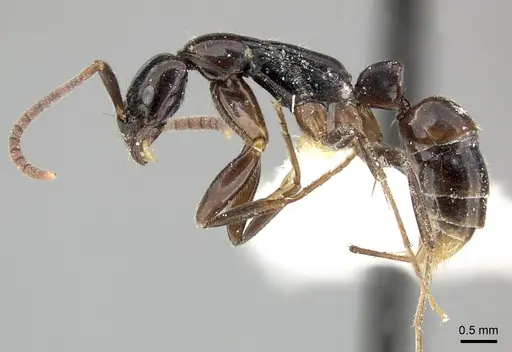
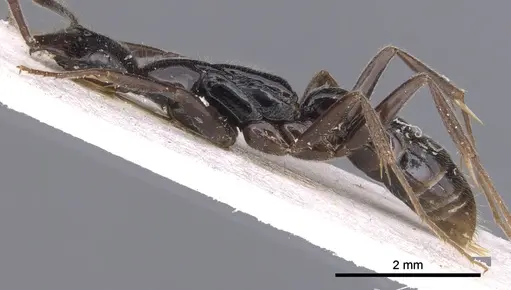
CASENT0815018
View on AntWeb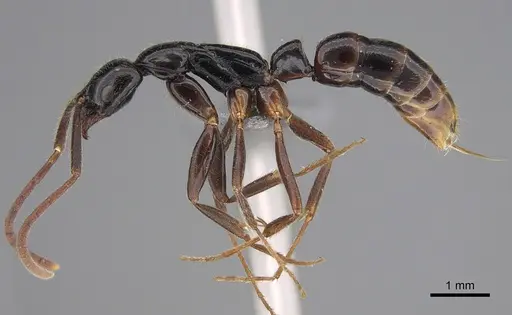
CASENT0872837
View on AntWeb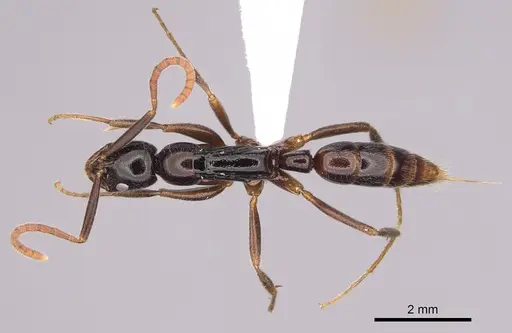
CASENT0902574
View on AntWeb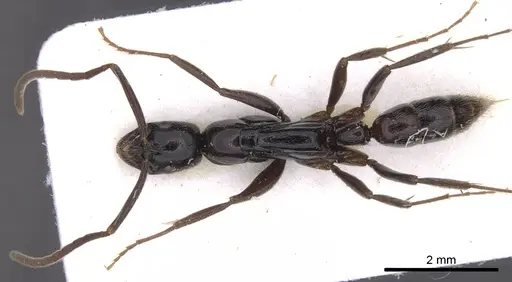
Literature
Loading...Loading products...