

Leptogenys bohlsi
- Scientific Name
- Leptogenys bohlsi
- Tribe
- Ponerini
- Subfamily
- Ponerinae
- Author
- Emery, 1896
- Distribution
- Found in 3 countries
Leptogenys bohlsi Overview
Leptogenys bohlsi is an ant species of the genus Leptogenys. It is primarily documented in 3 countries , including Argentina, Brazil, Paraguay. Detailed taxonomic data and occurrence records can be further explored via authoritative databases such as AntWeb or the Global Biodiversity Information Facility (GBIF).
Leptogenys bohlsi
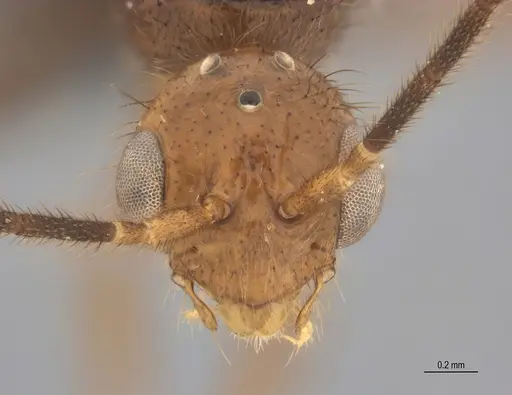
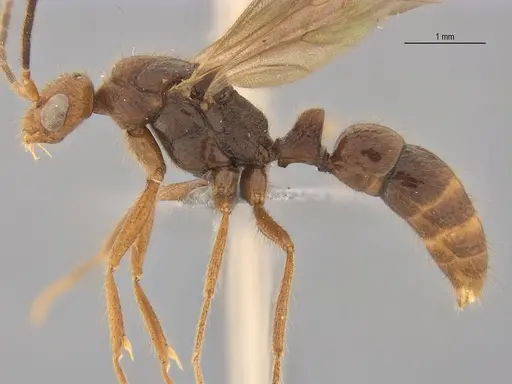
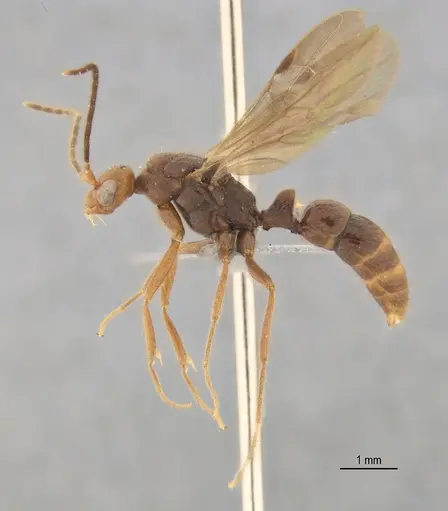
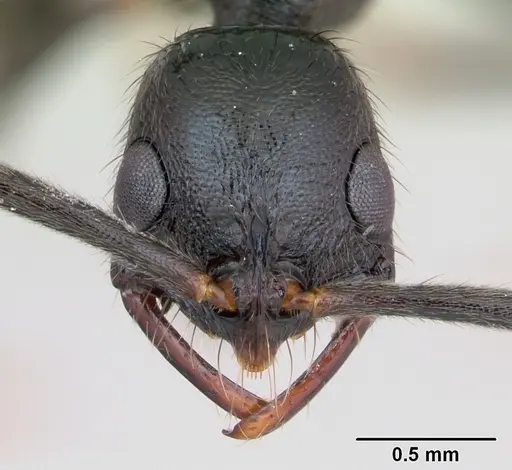
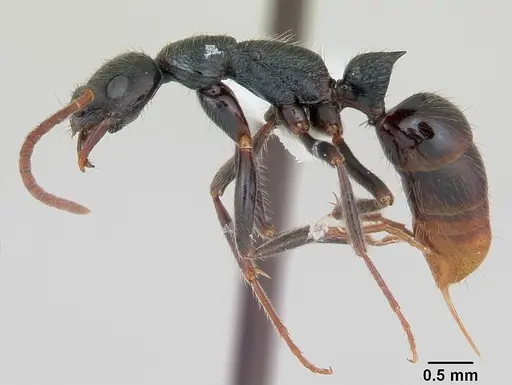
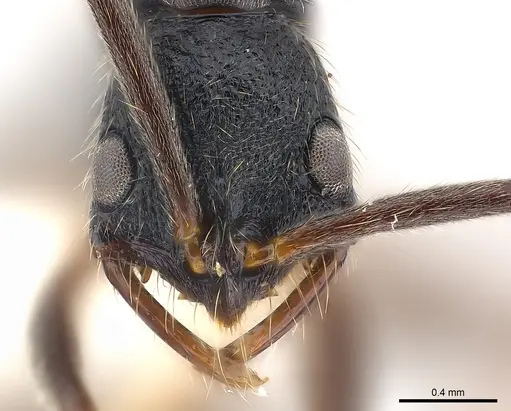
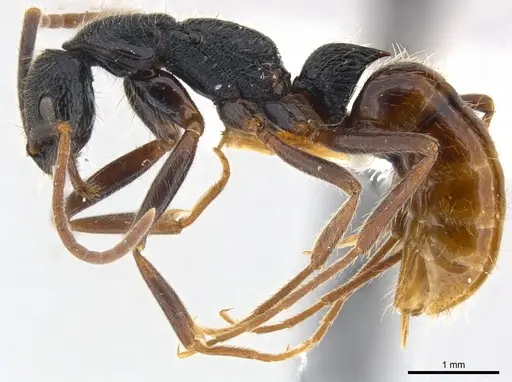
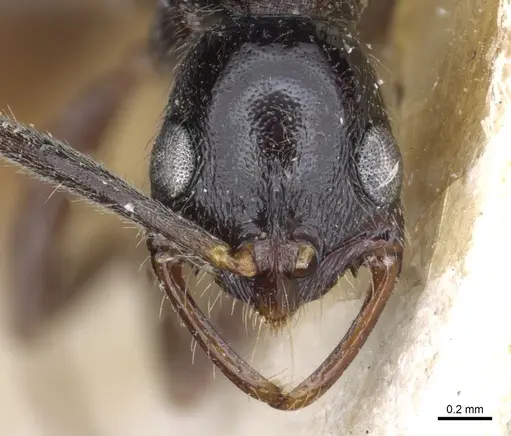
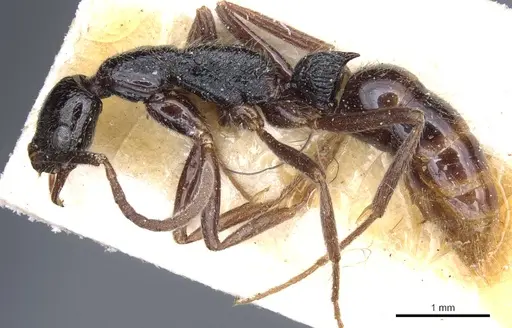
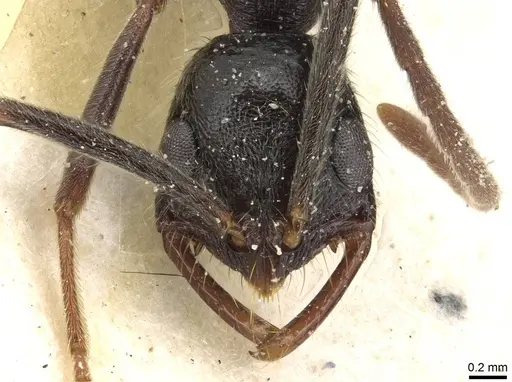
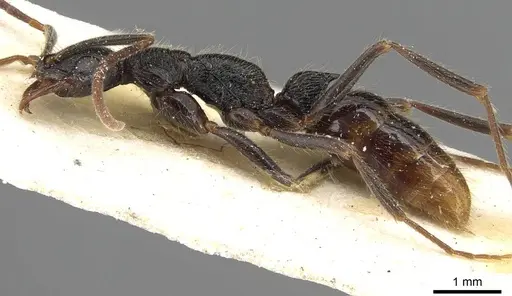
Leptogenys bohlsi is a medium-sized ponerine ant found across the southern Neotropics of Argentina, Brazil, and Paraguay [1]. Workers are distinctive with a black head, mesosoma, and petiole, while the gaster, mandibles, antennae, and legs are brown. They have large, bulging eyes that occupy about one-third of the lateral head margin, and their most recognizable feature is the sharp tooth on top of the petiolar node that projects backward. This species belongs to the unistimulosa species group within Leptogenys, characterized by their specialized morphology for predatory hunting [1]. What makes L. bohlsi particularly interesting is their diet, they are specialist predators that hunt terrestrial isopods (woodlice), a unusual and specific prey choice among ants [2]. Queens and males were long unknown in scientific collections, with males only recently described in 2022 [1].
Quick Summary
- Difficulty: Medium
- Origin & Habitat: Found across the Neotropical region including Argentina, Brazil (including Pará state, Mato Grosso, Goiás, Maranhão), and Paraguay [1][3]. They inhabit diverse environments from campo cerrado near streams to forest habitats, typically nesting under bark near the base of rotten stumps.
- Colony Type: Colony structure is not well documented. Queens have not been described in scientific literature, and founding behavior remains unconfirmed. Workers alone have been found in nest samples, suggesting possible independent colony foundation or small colony sizes.
- Size & Growth:
- Queen: Unknown, queens have not been scientifically described [1]
- Worker: Workers measure 1.21-1.35mm head length,1.04-1.18mm head width, with a mesosoma length (WL) of 2.07-2.37mm
- Colony: Unknown, no large colony samples have been documented
- Growth: Unknown
- Development: Unconfirmed, development timeline has not been studied for this species (Based on typical Ponerine patterns, expect development of several months, but this is an estimate)
- Antkeeping:
- Temperature: Keep around 24-28°C, mimicking warm Neotropical conditions. A gentle gradient allowing workers to self-regulate is recommended. This range aligns with their Brazilian and Paraguayan distribution.
- Humidity: Moderate to high humidity around 60-80%. Their natural habitat includes areas near streams and rotting wood, suggesting they prefer damp conditions. Keep substrate consistently moist but not waterlogged.
- Diapause: Unknown, diapause requirements have not been studied. Given their tropical/subtropical distribution, they may not require true hibernation but may show reduced activity during cooler periods.
- Nesting: In nature they nest under bark at the base of rotten stumps and in rotting wood near streams. For captivity, a Y-tong (AAC) or plaster nest works well, providing damp conditions with some dry areas for workers to regulate humidity. Naturalistic setups with rotting wood pieces also mimic their natural nesting sites.
- Behavior: Leptogenys bohlsi is a specialist predator that hunts terrestrial isopods (woodlice) [2]. They are assigned to the Specialist Predator (SP) functional group, indicating specialized hunting behavior [4]. Workers have large, well-developed eyes suited for active hunting. They likely use a combination of visual hunting and chemical cues to locate prey. As a Ponerine ant, they possess a functional stinger and may use it for subduing prey. Their small to medium size and active hunting behavior means escape prevention should be moderate, they are not tiny but can fit through small gaps. Handle with care as they may sting if threatened.
- Common Issues: specialized diet, they require live isopods or similar small arthropods, which may be difficult to source regularly, queen absence, no documented queens means wild colonies may be the only source, and colony establishment is uncertain, humidity balance, they need damp conditions but excessive moisture can cause mold problems, slow colony growth, as a Ponerine with unknown development timeline, colonies may grow slowly, requiring patience, stinging risk, being a Ponerine, they have a functional stinger and may sting when threatened
Housing and Nest Setup
Leptogenys bohlsi naturally nests under bark at the base of rotten stumps and in rotting wood near streams. For captive care, provide a nest that maintains damp conditions while offering some drier areas for the ants to self-regulate. A Y-tong (acrylic) nest or plaster nest works well, these allow you to control humidity while providing dark chambers that mimic their natural underground spaces. If using a naturalistic setup, include pieces of rotting wood or bark and maintain moist substrate. The nest should have chambers scaled appropriately for medium-sized ants (workers are around 2-3mm mesosoma length). Provide an outworld area for foraging where you can introduce prey items. Ensure the setup has good escape prevention, while not among the smallest ants, they can still squeeze through small gaps. [1]
Feeding and Diet
This species is a specialized predator that feeds almost exclusively on terrestrial isopods (woodlice) [2]. In captivity, you will need to culture or source live isopods regularly, these are commonly available from pet stores or can be collected from damp areas outdoors. Other small arthropods like springtails, small spiders, or tiny crickets may be accepted as alternatives, but isopods should form the primary diet. Do not rely on sugar sources like honey or sugar water, as specialist predators focused on isopods, they are unlikely to show interest in carbohydrates. Fresh water should always be available. Feed prey items 2-3 times per week, adjusting based on colony size and consumption rates. Remove uneaten prey after 24-48 hours to prevent mold.
Temperature and Seasonal Care
Maintain temperatures in the warm range of 24-28°C, reflecting their origin in Brazil, Paraguay, and northern Argentina [1]. A heating cable on one side of the nest can create a temperature gradient, allowing workers to move between warmer and cooler areas. Room temperature within this range is acceptable if your home is naturally warm. Regarding seasonal cycles, diapause requirements are not documented for this species. Their tropical and subtropical distribution suggests they may not need a true hibernation period, but they might show reduced activity during cooler months. Monitor colony behavior, if workers become less active in winter, reduce feeding frequency but maintain humidity. Avoid temperatures below 20°C for extended periods.
Behavior and Handling
Leptogenys bohlsi is an active hunter with well-developed eyes, reflecting their predatory lifestyle. As a member of the Ponerinae subfamily, they possess a functional stinger and may use it for subduing prey or in defense. They are not aggressive toward keepers under normal conditions but will sting if they feel threatened or cornered. Their sting is reported to be painful in related species, though L. bohlsi is not considered dangerously venomous. When working with them, move slowly and avoid disturbing the nest directly. They are not escape artists at the level of tiny ants, but standard escape prevention (fluon barriers, tight-fitting lids) is still recommended. Workers are primarily nocturnal or crepuscular hunters, so expect most activity during evening and night hours.
Colony Establishment
Obtaining and establishing a colony of Leptogenys bohlsi presents challenges. Queens have never been scientifically described, meaning wild-caught colonies (if available) may be the only option [1]. If you obtain workers, expect a small colony as nest samples have only contained limited numbers. There is no documented information on whether they can be maintained long-term without a queen, though some Ponerines can survive for extended periods as queenless colonies. The lack of information on founding behavior means experimental approaches may be necessary. If you manage to obtain a queen in the future, she would likely be claustral (sealing herself in and raising first workers from stored body reserves), as is typical for most Ponerinae, though this is not confirmed for this species.
Frequently Asked Questions
What do Leptogenys bohlsi ants eat?
They are specialist predators that hunt terrestrial isopods (woodlice) [2]. In captivity, you will need to provide live isopods as their primary food source. Other small arthropods may be accepted experimentally, but isopods should form the bulk of their diet.
How long does it take for Leptogenys bohlsi to develop from egg to worker?
The development timeline is unconfirmed, this species has not been studied in detail. Based on typical Ponerine ant development, expect several months from egg to worker, but this is an estimate rather than documented fact.
What size colony does Leptogenys bohlsi form?
Colony size is not well documented. Limited nest samples suggest small colonies, likely under 100 workers based on similar species. Queens have never been scientifically described.
Can I keep multiple Leptogenys bohlsi queens together?
This is unknown, queens have not been described in scientific literature, so we have no information on whether they are single-queen (monogyne) or multi-queen (polygyne) species.
What temperature do Leptogenys bohlsi need?
Keep them warm at 24-28°C, reflecting their Brazilian and Paraguayan distribution. A temperature gradient allowing self-regulation is ideal.
Are Leptogenys bohlsi good for beginners?
No, this species is considered medium difficulty due to their specialized diet requirement (live isopods), limited availability, and lack of documented care information. They are not recommended for beginners.
Do Leptogenys bohlsi need hibernation?
Diapause requirements are unknown. Their tropical/subtropical distribution suggests they may not require true hibernation, but they may show reduced activity during cooler periods.
What nest type is best for Leptogenys bohlsi?
A Y-tong (AAC) or plaster nest works well, providing damp conditions that mimic their natural habitat under rotting wood near streams. Naturalistic setups with rotting wood pieces are also suitable.
Where is Leptogenys bohlsi found?
They are found across the southern Neotropics: Argentina, Brazil (including Pará, Mato Grosso, Goiás, Maranhão states), and Paraguay [1][3].
Why are my Leptogenys bohlsi dying?
Common issues include: lack of live isopods (their specialized diet), incorrect humidity (too dry or too wet), temperatures outside their 24-28°C range, or stress from limited colony size. Also ensure water is always available.
References

This caresheet is licensed under CC BY-SA 4.0 .
ANTWEB1062722
View on AntWeb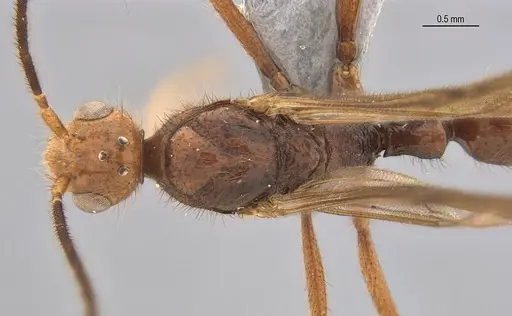
CASENT0173510
View on AntWeb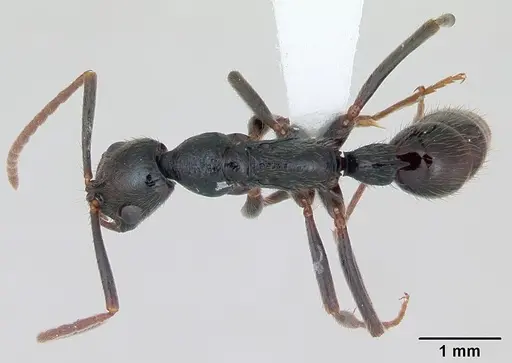
CASENT0217023
View on AntWeb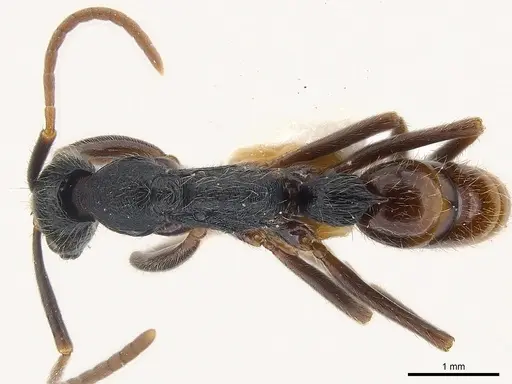
CASENT0903968
View on AntWeb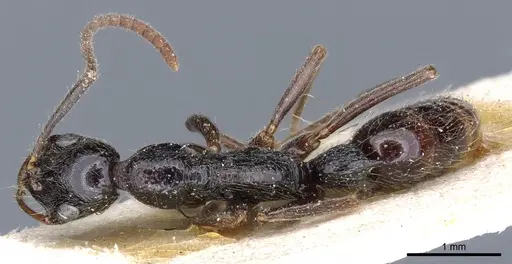
CASENT0915216
View on AntWeb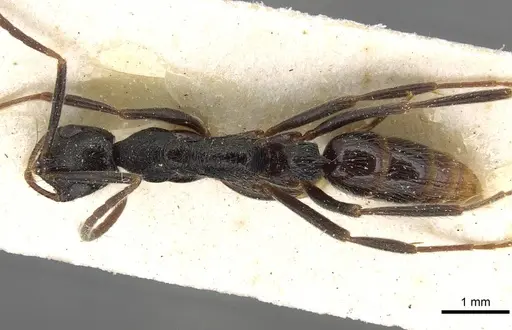
Literature
Loading...Loading products...