

Leptogenys binghamii
- Scientific Name
- Leptogenys binghamii
- Tribe
- Ponerini
- Subfamily
- Ponerinae
- Author
- Forel, 1900
- Distribution
- Found in 3 countries
Leptogenys binghamii Overview
Leptogenys binghamii is an ant species of the genus Leptogenys. It is primarily documented in 3 countries , including China, Hong Kong, Viet Nam. Detailed taxonomic data and occurrence records can be further explored via authoritative databases such as AntWeb or the Global Biodiversity Information Facility (GBIF).
Leptogenys binghamii
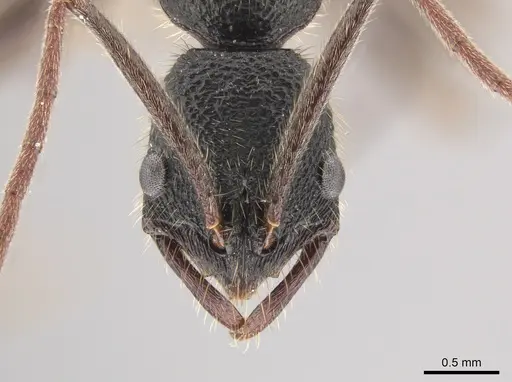
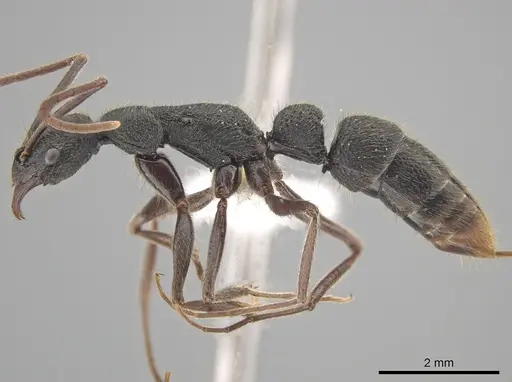
Leptogenys binghamii is a relatively large ant species, with workers measuring 9-10mm in total length [1][2]. They have a distinctive appearance among Hong Kong Leptogenys: highly sculptured body with distinctly linear mandibles, small eyes positioned toward the front of the head, and highly angulated lateral clypeal lobes [3]. The body is mostly black with reddish-brown antennae, legs, and mandibles [4]. This species is known from Myanmar (the type locality), India (Assam and Meghalaya), southern China (Guangxi, Yunnan, and Hong Kong), and Vietnam [3]. Colonies are relatively small, typically containing around 20-30 workers, and they nest in decaying wood and underneath stones in forested areas [3]. What makes L. binghamii unusual is their feeding preference, in captivity they readily accepted isopods but showed no interest in cockroaches, millipedes, or even termites, which is atypical for Ponerine ants [3]. They are suspected to be predominantly nocturnal solitary foragers [3].
Quick Summary
- Difficulty: Medium
- Origin & Habitat: Southern China, Hong Kong, Myanmar, India, and Vietnam. Found in Feng Shui Woods, secondary forests, and shrubland, nesting in decaying wood and underneath stones at elevations under 500m [3].
- Colony Type: Small colonies with a single ergatoid (wingless) queen. Ergatoid queens serve as replacement reproductives if the primary queen dies. Colonies typically contain 20-30 workers [3].
- Colony: Monogyne
- Size & Growth:
- Queen: Ergatoid queens are wingless and similar in size to workers [3]
- Worker: 9-10mm total length [1][2]
- Colony: Small colonies, typically 20-30 workers based on partial colony samples [3]
- Growth: Unknown, no development data available
- Development: Unknown, development timeline has not been studied for this species (No direct measurements available. Related Leptogenys species typically take 2-4 months from egg to worker at tropical/subtropical temperatures.)
- Antkeeping:
- Temperature: Keep at 22-26°C. This species comes from subtropical Hong Kong and southern China where temperatures are warm year-round. A gentle temperature gradient allows workers to regulate their body temperature [3].
- Humidity: Moderate to high humidity. In nature they nest in decaying wood and under stones in forested areas, which provide damp but not waterlogged conditions. Keep the nest substrate slightly moist with some drier areas available [3].
- Diapause: Not required. As a subtropical species from Hong Kong and southern China, they do not experience true hibernation. However, a slight cooling period during winter months (15-18°C for 2-3 months) may be beneficial to simulate natural seasonal cycles.
- Nesting: Provide a naturalistic setup with decaying wood pieces or a Y-tong/plaster nest with narrow chambers. They naturally nest in rotting wood and under stones, so include some soil substrate and ensure darkness during the day since they are predominantly nocturnal [3].
- Behavior: Leptogenys binghamii is a relatively calm but alert species. Workers are solitary foragers, they do not use group hunting or recruitment like some other Ponerines [3]. They are predominantly nocturnal, rarely observed during the day, which suggests they hunt and forage at night [3]. They are not aggressive toward keepers but will defend their nest if threatened. Escape prevention is important, while not tiny, they are large enough to explore and may climb, so standard barriers work well. Their diet is specialized: they readily accept isopods but ignore most other prey items [3].
- Common Issues: specialized diet can make feeding difficult, they may refuse standard feeder insects like crickets and mealworms, nocturnal behavior means you may rarely see active foraging, small colony size means slower population growth, humidity control is important, too dry causes stress, too wet promotes mold, captive colonies may be difficult to establish from wild-caught specimens due to their specific requirements
Housing and Nest Preferences
Leptogenys binghamii naturally nests in decaying wood and underneath stones in forested areas [3]. For captive care, a naturalistic setup works best, include pieces of rotting wood or cork bark in a terrarium-style setup with a soil substrate. Alternatively, a Y-tong (acrylic) nest with narrow chambers and a small soil area can work well. The key is providing darkness, this species is predominantly nocturnal and rarely active during daylight hours [3]. Keep the nest area humid but ensure ventilation to prevent mold. A water tube attached to the nest helps maintain moisture in the substrate. Because they are larger ants (9-10mm), they need appropriately sized tunnels and chambers, avoid setups with overly narrow passages that could cause them to get stuck.
Feeding and Diet
This is one of the most important aspects of keeping L. binghamii successfully. In captive observations, workers readily accepted isopod prey but showed no interest in cockroaches, millipedes, or termites [3]. This is unusual for Ponerine ants, which typically accept a wide variety of prey. Your primary food source should be live isopods (woodlice), these can be collected from garden debris or purchased. You may need to experiment to find what prey items they accept. Avoid sugar sources, this species appears to be an obligate predator specialized on isopods. Feed every 2-3 days, offering fresh prey. Remove uneaten prey after 24 hours to prevent mold. Because they are solitary foragers without recruitment, place prey where workers can easily find it.
Temperature and Seasonal Care
As a species from subtropical Hong Kong and southern China, L. binghamii prefers warm conditions. Keep the nest area at 22-26°C, with a gentle temperature gradient so workers can regulate their body temperature by moving between warmer and cooler areas [3]. A small heating cable or mat on one side of the nest can help maintain warmth, but avoid direct heat that could dry out the nest. During winter in temperate climates, room temperature is usually sufficient, but you might consider a slight cooling period (15-18°C for 2-3 months) to simulate natural seasonal cycles, this is not a true diapause but may help maintain natural behavior patterns. Monitor colony activity: if workers become sluggish and cluster together, the temperature may be too low.
Behavior and Foraging
L. binghamii is a solitary forager, workers hunt and search for prey alone, without the group recruitment behavior seen in many other ant species [3]. They are predominantly nocturnal, which means you will see most activity in the evening and night hours. During the day, workers typically remain in the nest or hidden in crevices. This species is not particularly aggressive but will defend the nest if disturbed. Workers are relatively calm compared to some other Ponerines and can be observed moving deliberately through their environment. The ergatoid (wingless) queen system means colonies reproduce through budding or fission rather than nuptial flights, the queen does not fly to establish new colonies [3]. Understanding this nocturnal, solitary lifestyle is key to proper care, do not be concerned if your ants seem inactive during daylight hours.
Colony Structure and Reproduction
L. binghamii colonies are relatively small compared to many common ant species. Wild colonies contain around 20-30 workers along with an ergatoid queen [3]. Ergatoid queens are wingless and develop from regular worker larvae, they serve as replacement reproductives if the primary queen dies or becomes unable to reproduce. This means colonies can persist even after the founding queen passes. The colony structure appears to be monogyne, with a single reproductive queen per colony. Because ergatoid queens cannot fly, new colony establishment likely occurs through budding, a group of workers and the queen relocate to establish a new nest site. This differs from most ant species where new colonies are founded by winged queens conducting nuptial flights. In captivity, colony growth is relatively slow given their small maximum size.
Frequently Asked Questions
How long does it take for Leptogenys binghamii to produce first workers?
The exact development timeline has not been studied for this species. Based on related Leptogenys species, expect approximately 2-4 months from egg to worker at optimal temperatures (22-26°C). Growth is relatively slow compared to many common ant species.
Can I keep multiple Leptogenys binghamii queens together?
This species appears to be monogyne with ergatoid replacement queens. Keeping multiple unrelated queens together is not recommended as they would likely fight. If you capture a colony with an ergatoid queen, that queen should be the sole reproductive.
What do Leptogenys binghamii eat?
They are specialized predators that primarily accept isopods (woodlice). In captivity, they rejected cockroaches, millipedes, and termites [3]. Live isopods should be your primary food source. They do not appear to need sugar or honeydew.
Are Leptogenys binghamii good for beginners?
This species is rated as Medium difficulty. While not overly aggressive, their specialized diet (requiring live isopods) and nocturnal behavior make them more challenging than common species like Lasius or Camponotus. They are best suited for antkeepers who have some experience and can provide consistent prey items.
Do Leptogenys binghamii need hibernation?
No true hibernation is required. As a subtropical species from Hong Kong and southern China, they do not experience cold winters. However, a slight cooling period during winter months (15-18°C for 2-3 months) may be beneficial to simulate natural seasonal cycles.
When should I move Leptogenys binghamii to a formicarium?
If starting with a queen, keep her in a test tube setup until she has established a colony with several workers (at least 10-15). For wild-caught colonies, transfer to a naturalistic setup once they settle. They prefer dark, humid environments with access to decaying wood or stone hiding spots.
How big do Leptogenys binghamii colonies get?
Based on wild colony samples, colonies remain relatively small at around 20-30 workers [3]. This is smaller than many common ant species. Growth is slow, so patience is required.
Why is my Leptogenys binghamii colony dying?
Common causes include: wrong food (they need isopods, not standard feeders), too dry conditions, excessive light (they are nocturnal), and temperature stress. Ensure humidity is adequate, provide darkness during the day, and offer appropriate prey. Wild-caught colonies may also carry parasites.
References

This caresheet is licensed under CC BY-SA 4.0 .
CASENT0651231
View on AntWeb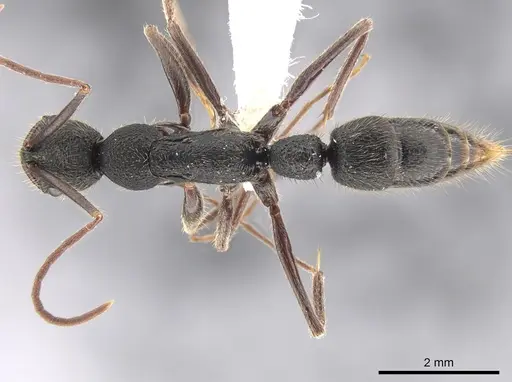
Literature
Loading...Loading products...