

Leptogenys australis
- Scientific Name
- Leptogenys australis
- Tribe
- Ponerini
- Subfamily
- Ponerinae
- Author
- Emery, 1888
- Distribution
- Found in 1 countries
Leptogenys australis Overview
Leptogenys australis is an ant species of the genus Leptogenys. It is primarily documented in 1 countries , including Brazil. Detailed taxonomic data and occurrence records can be further explored via authoritative databases such as AntWeb or the Global Biodiversity Information Facility (GBIF).
Leptogenys australis
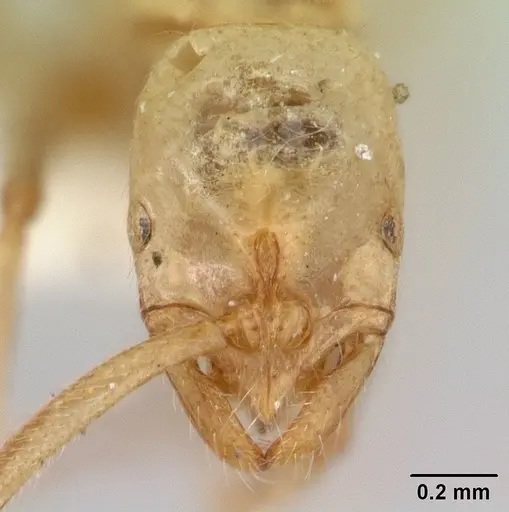
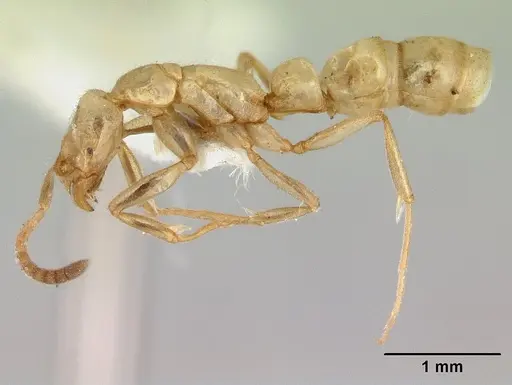
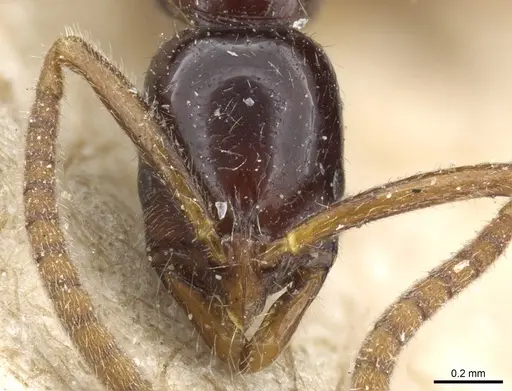
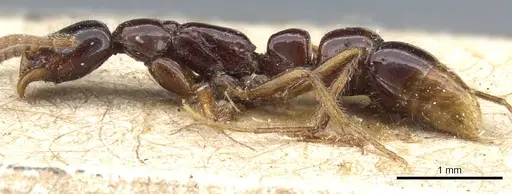
Leptogenys australis is a predatory ant species from the Ponerinae subfamily found throughout the Neotropical region, including Argentina, Brazil, and Uruguay. Workers are relatively small at around 0.94mm head length, with a light brown body and ferruginous (rust-colored) legs, antennae, and mandibles. The eyes are relatively flat and positioned at mid-length along the sides of the head. These ants are specialist predators, actively hunting small invertebrates rather than foraging for sugar sources. In the wild, they nest under stones in areas like Cerro Animas, Uruguay and the Santa Fe province of Argentina. The genus Leptogenys is known for their distinctive hunting behavior where they chase down prey with rapid, running movements.
Quick Summary
- Difficulty: Medium
- Origin & Habitat: Native to the Neotropical region, Argentina, Brazil, and Uruguay. Found under stones in forested areas with humid conditions [1][2].
- Colony Type: Colony structure is unconfirmed. Based on genus patterns, likely monogyne (single queen) colonies. No ergatoid replacement reproductives documented for this species.
- Size & Growth:
- Queen: Unconfirmed, queen size has not been documented in available literature [1]
- Worker: Workers measure approximately 0.94mm head length,0.58-0.61mm head width,1.32-1.37mm mesosoma length [3].
- Colony: Unknown, no colony size data available for this species
- Growth: Unknown, growth rate has not been studied
- Development: Unconfirmed, no direct development data exists. Based on typical Ponerine patterns, estimate 6-10 weeks at optimal temperature (Development timeline is unconfirmed for this specific species. Ponerine ants typically have slower development than many Myrmicines.)
- Antkeeping:
- Temperature: Keep at 24-28°C based on their Neotropical origin. A heating cable on one side of the nest creates a temperature gradient allowing the colony to self-regulate.
- Humidity: Maintain high humidity, aim for 70-80%. These ants are found in humid forest floor environments and nest under stones in areas with moisture. Keep the nest substrate consistently moist but not waterlogged.
- Diapause: Unknown, no specific diapause data for this species. Neotropical ants may have reduced activity periods rather than true hibernation. Consider a cool period (15-18°C) for 2-3 months during winter months if colony shows reduced activity.
- Nesting: Natural nesting is under stones in humid areas. In captivity, a Y-tong (AAC) nest or plaster nest with good moisture retention works well. Provide a small outworld for hunting. Tight chambers scaled to their small size help them feel secure.
- Behavior: These ants are active hunters, they chase down prey rather than ambushing. As specialist predators, they need live prey to survive and will not accept sugar water or honey. Workers are moderately aggressive when defending the colony and can deliver a sting, though the pain level is typically mild for Ponerines of this size. They have good escape prevention needs due to their active foraging behavior. They are primarily nocturnal or crepuscular in activity patterns.
- Common Issues: specialist predator diet, colonies often fail because keepers don't provide enough live prey, escape risk, active hunters will escape if given any opportunity, use tight-fitting lids and barriers, humidity requirements, drying out quickly leads to colony decline, slow growth compared to common pet ants, beginners may lose patience and overfeed, no established captive breeding means most colonies are wild-caught with associated risks
Housing and Nest Setup
Leptogenys australis requires a setup that accommodates their predatory lifestyle and humidity needs. A Y-tong (AAC) nest or plaster formicarium works well because these materials hold moisture effectively. The nest chambers should be appropriately sized for their small worker size, tight spaces help them feel secure. Connect the nest to a small outworld where you can offer prey items. Use a water reservoir or moisture system to maintain humidity, but avoid direct water contact with the colony. Escape prevention is critical, these are active ants that will quickly exploit any gaps. Apply Fluon or similar barrier to the rim of the outworld and ensure all lids fit tightly.
Feeding and Diet
This species is a specialist predator and requires live prey to thrive. They will not accept sugar water, honey, or other carbohydrates, their diet consists entirely of small invertebrates. Offer small live prey such as fruit flies, pinhead crickets, small mealworms, waxworms, and other appropriately sized insects. Feed every 2-3 days, offering as many prey items as the colony can consume within 24 hours. Remove uneaten prey to prevent mold. The hunting behavior is fascinating to watch, workers will chase down and subdue prey with their mandibles, then feed communally. A well-fed colony will show active foragers patrolling the outworld. [2]
Temperature and Seasonal Care
As a Neotropical species from Argentina, Brazil, and Uruguay, Leptogenys australis prefers warm temperatures in the range of 24-28°C. Use a heating cable or heating mat on one side of the nest to create a temperature gradient, this allows the colony to regulate its own temperature by moving between warmer and cooler areas. Place the heating on top of the nest material, not underneath, to avoid excessive drying. During winter months or cool periods, you can reduce temperatures to 18-22°C, which may slow colony activity but is generally well-tolerated. Monitor colony behavior, if workers become sluggish and cluster together, they may need more warmth.
Behavior and Temperament
Leptogenys australis is an active, predatory ant with engaging hunting behavior. Workers are moderately aggressive when defending the colony and will readily sting threats. The sting is present but typically causes only mild discomfort for humans due to the small size of the ants. They are primarily nocturnal or crepuscular, with most activity occurring in the evening and night hours. Unlike many ant species, they do not form large colonies quickly, growth is relatively slow. Workers are slender and fast-moving, capable of chasing prey across the outworld. They do not exhibit major swarming or escape issues when properly contained, but any opening will be investigated.
Colony Establishment
Establishing a Leptogenys australis colony requires patience and attention to their specific needs. Most available colonies are wild-caught, so obtain them from reputable suppliers who can confirm the species. A founding queen with a small brood (10-20 workers) is the ideal starting point. The queen will need to hunt during the founding period if she is semi-claustral, so provide small live prey items even to newly established colonies. Keep disturbance to a minimum during the first few months. Once established, the colony will grow steadily if fed properly. Do not combine this species with other ant species in shared setups.
Frequently Asked Questions
What do Leptogenys australis ants eat?
Leptogenys australis is a specialist predator that requires live prey. They will not accept sugar water, honey, or fruits. Feed small live insects like fruit flies, pinhead crickets, small mealworms, and other tiny invertebrates. Offer prey every 2-3 days.
How long does it take for Leptogenys australis to develop from egg to worker?
The exact development timeline is unconfirmed for this species. Based on typical Ponerine ant development, expect approximately 6-10 weeks from egg to first worker at optimal temperature (24-28°C). Growth is slower than many common pet ant species.
Can I keep Leptogenys australis in a test tube setup?
Test tubes can work for founding colonies, but you will need to transition to a nest with better humidity control once the colony reaches 20+ workers. A Y-tong or plaster nest with moisture management is preferable for established colonies.
What temperature do Leptogenys australis need?
Keep them at 24-28°C based on their Neotropical origin. A heating cable on one side of the nest creates a gradient. They can tolerate temperatures as low as 18°C during cooler periods.
Are Leptogenys australis good for beginners?
This species is rated as Medium difficulty. While not the hardest ant to keep, their specialist predator diet and humidity requirements make them better suited for keepers who already have some experience with predatory ant species like Ponerines.
How big do Leptogenys australis colonies get?
The maximum colony size is unknown for this species. Based on genus patterns, colonies likely reach several hundred workers at most, rather than the thousands seen in some Myrmicine species.
Do Leptogenys australis need hibernation?
Diapause requirements are unconfirmed for this species. Neotropical ants may not require true hibernation but can benefit from a cool period (15-18°C) for 2-3 months during winter to simulate seasonal cycles.
Why is my Leptogenys australis colony dying?
The most common causes are: insufficient live prey (they need regular small insects, not just occasional feeding), low humidity causing desiccation, improper temperatures, or stress from excessive disturbance. Ensure prey is available and the nest maintains proper moisture.
When should I move Leptogenys australis to a formicarium?
Move from a test tube to a proper nest setup (Y-tong, plaster, or naturalistic) once the colony reaches 15-25 workers and you notice the test tube becoming cramped or needing better humidity control.
References

This caresheet is licensed under CC BY-SA 4.0 .
CASENT0178834
View on AntWeb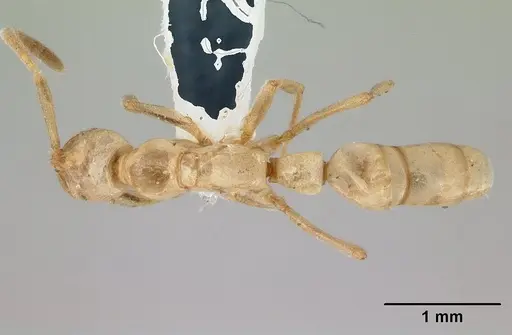
CASENT0903966
View on AntWeb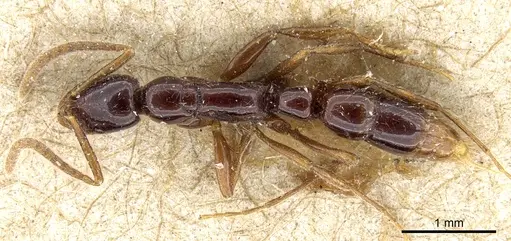
Literature
Loading...Loading products...