

Leptogenys angusta
- Scientific Name
- Leptogenys angusta
- Tribe
- Ponerini
- Subfamily
- Ponerinae
- Author
- Forel, 1892
- Distribution
- Found in 1 countries
Leptogenys angusta Overview
Leptogenys angusta is an ant species of the genus Leptogenys. It is primarily documented in 1 countries , including Madagascar. Detailed taxonomic data and occurrence records can be further explored via authoritative databases such as AntWeb or the Global Biodiversity Information Facility (GBIF).
Leptogenys angusta
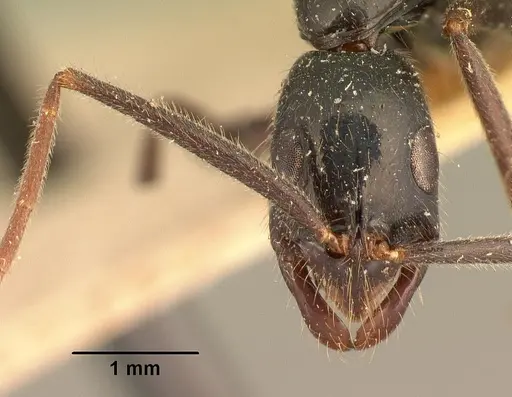
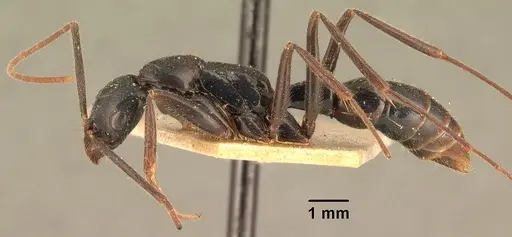
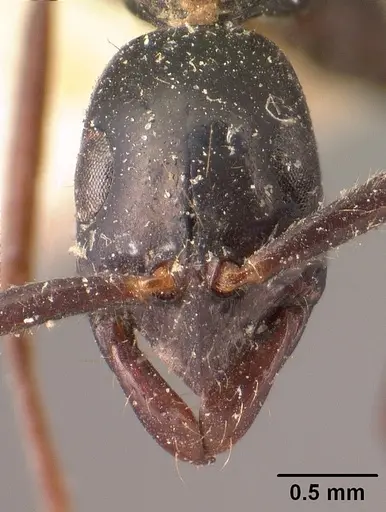
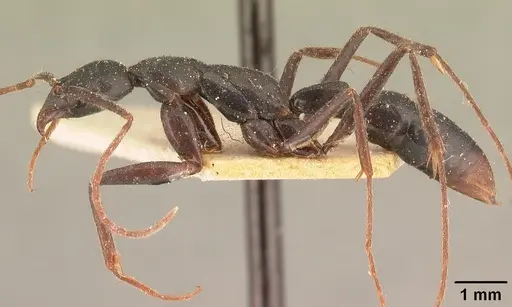
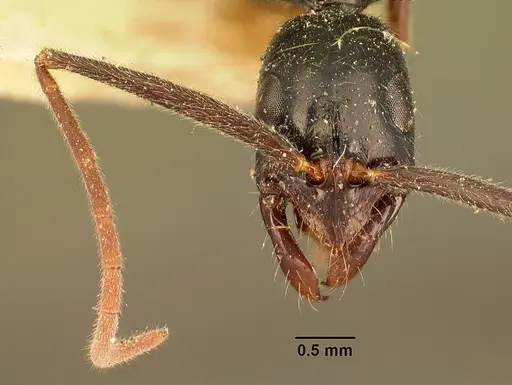
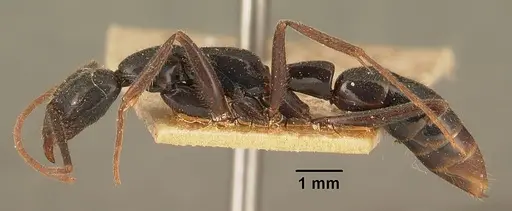
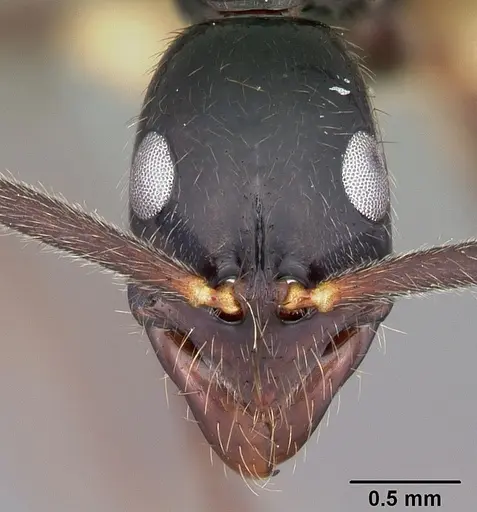
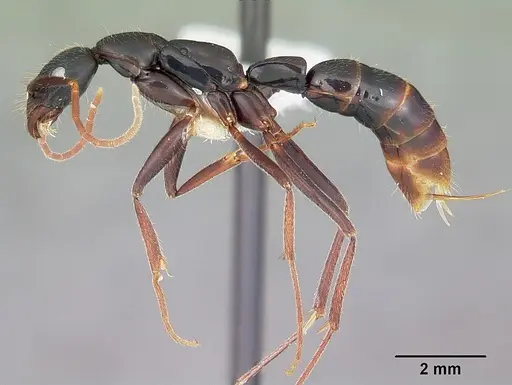
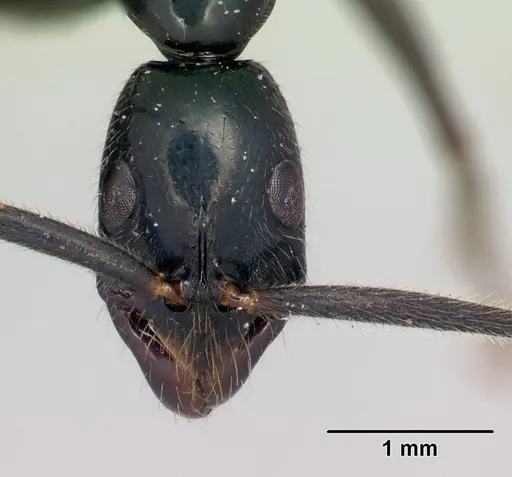
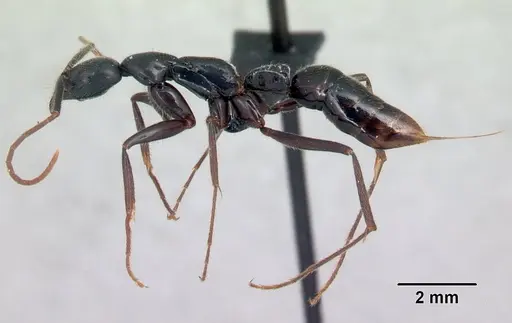
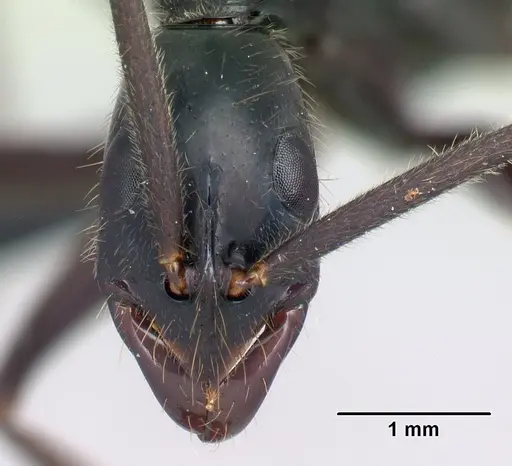
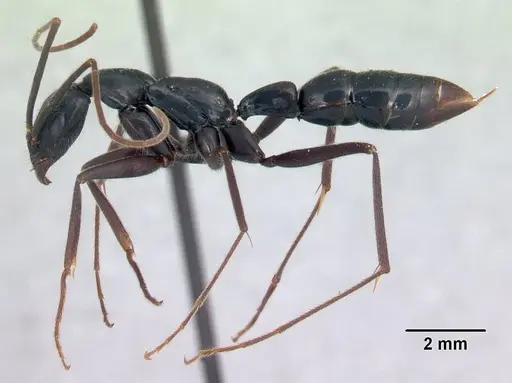
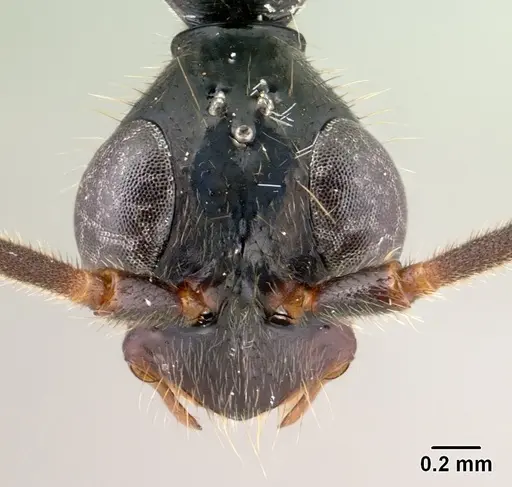
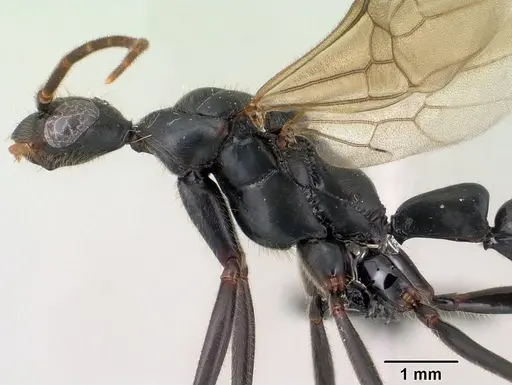
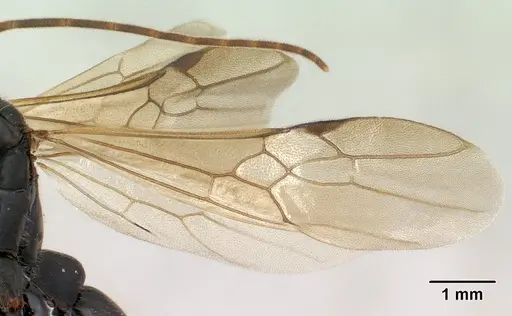
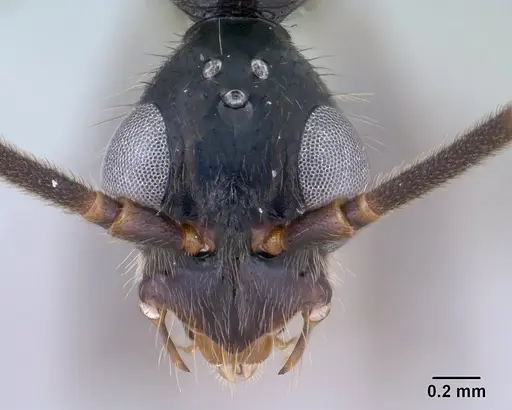
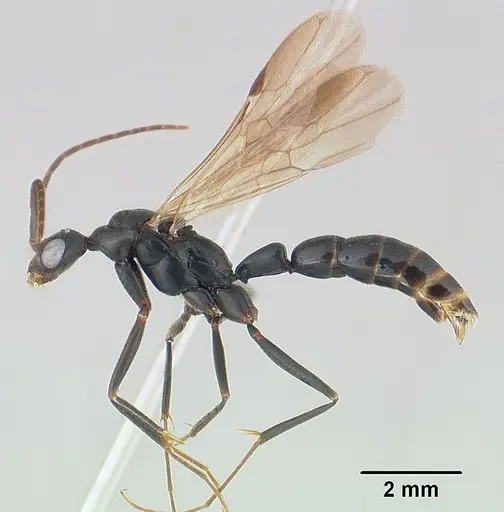
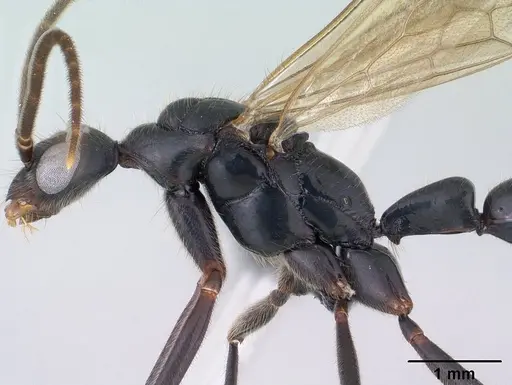
Leptogenys angusta is a large predatory ant species native to Madagascar, belonging to the Ponerinae subfamily. Workers are notably slender and elongated, with a distinctively long third antennal segment that is more than twice the length of the second segment, and large eyes that break the lateral profile of the head. The species displays two morphological variants: a larger form found in lowland northeastern humid forests and a smaller form from montane forests in central-east to southeast Madagascar. Colonies nest in rotting logs and branches on the forest floor, and workers forage both on the ground and in lower vegetation. This species is notable for having ergatoid (wingless) queens that are shorter than workers, with a remarkably voluminous gaster. One documented colony contained a staphyliniid beetle (Pselaphinae), suggesting a potential commensal relationship [1].
Quick Summary
- Difficulty: Medium
- Origin & Habitat: Eastern Madagascar, humid forests, with the larger morph in lowland northeastern forests and the smaller morph in montane forests. Also found in grassland at Ambatovy and tropical dry forest at Antsahabe Daraina [1].
- Colony Type: Likely monogyne with ergatoid (wingless) replacement queens, the described queen is ergatoid with no ocelli, suggesting functional queen replacement without winged dispersal [1].
- Colony: Monogyne
- Size & Growth:
- Queen: Ergatoid queen: HW 1.29-1.65mm [1], note this is wingless and shorter than workers
- Worker: Workers: HW 1.13-1.57mm, HL 1.78-2.47mm, among the largest in the attenuata group [1]
- Colony: Unknown for this species, typical Leptogenys colonies reach several hundred workers
- Growth: Moderate, based on typical Ponerinae development patterns
- Development: Estimated 6-10 weeks based on related Ponerinae species at optimal temperature (Ponerinae ants typically have moderate development times. No specific data for this species, estimate based on genus-level patterns.)
- Antkeeping:
- Temperature: Keep around 22-26°C, they inhabit humid forests so warmth and stability matter. A gentle gradient with a heating cable on one side of the nest allows workers to thermoregulate.
- Humidity: High humidity required, these are humid forest ants. Keep nest substrate consistently moist but not waterlogged. The habitat data confirms they prefer humid (humid=1), dark conditions [2].
- Diapause: Unknown, Madagascar species may have reduced activity in cooler months but true diapause is not documented.
- Nesting: Rotten logs and branches in nature. In captivity, a naturalistic setup with rotting wood or cork, or a well-moistened Y-tong/plaster nest works well. They prefer dark, humid conditions and should have access to both moist areas and slightly drier zones.
- Behavior: Leptogenys angusta is a predatory ant that hunts small invertebrates. Workers forage both on the ground and in lower vegetation, using their excellent vision from those large eyes. They are likely moderately aggressive when defending the nest. Escape prevention is important, while larger than many Ponerinae, they can still squeeze through small gaps. Their ergatoid queen system means colonies may have multiple potential reproductives but typically function with one active queen.
- Common Issues: high humidity requirements can lead to mold if ventilation is inadequate, predatory feeding requirements mean they need consistent live prey, beginners may struggle with this, slow colony growth compared to common ants can lead to keeper impatience and overfeeding, ergatoid queens may be less productive than fully winged queens, colonies start smaller, wild-caught colonies may harbor parasites that can decimate captive populations
Housing and Nest Setup
Leptogenys angusta requires a humid, naturalistic setup that mimics their forest floor habitat in Madagascar. In the wild, they nest in rotting logs and branches on the ground, so provide similar materials in captivity. A naturalistic terrarium with moist substrate (a mix of soil and rotting wood pieces) works well, or you can use a Y-tong nest with moist plaster. The key is maintaining high humidity without stagnation, use adequate ventilation to prevent mold while keeping the substrate damp. Provide a dark nesting area, as they prefer dark conditions (habitat data shows dark=1) [2]. The outworld should include substrate suitable for foraging and potential prey hunting. Because they forage in vegetation as well as on the ground, include some plant material or structures in the outworld.
Feeding and Diet
Leptogenys angusta is a predatory ant that hunts small invertebrates. In the wild, workers forage on the ground and in lower vegetation, searching for prey. Their diet consists primarily of small arthropods, you should offer live prey such as small crickets, fruit flies, mealworms, and other small insects. Because they are active hunters with good vision, presenting live moving prey will elicit the most natural hunting behavior. Feed them prey items roughly every 2-3 days, adjusting based on colony size and consumption. Remove uneaten prey after 24 hours to prevent mold. Sugar sources are not typically a significant part of Ponerinae diet, focus on protein-rich prey. A water source should always be available. [1]
Temperature and Seasonal Care
As a humid forest species from eastern Madagascar, Leptogenys angusta needs warm, stable conditions. Aim for temperatures in the 22-26°C range, this covers their natural range in the humid forests. Use a heating cable on one side of the nest to create a gentle thermal gradient, allowing workers to choose their preferred temperature. Place the heating on top of the nest, not underneath, to avoid drying out the substrate too quickly. Monitor both temperature and humidity closely. The two morphs in the wild suggest some temperature flexibility, but both forms come from humid environments. In cooler months, you may see reduced activity, but true diapause requirements are unknown for this species. [1][2]
Colony Structure and Queen System
This species has an ergatoid queen system, the queen is wingless (ergatoid), shorter than workers, with a remarkably voluminous gaster and no ocelli. This is a different system from the typical winged queen ants most keepers are familiar with. Ergatoid queens remain in or near the nest rather than dispersing on nuptial flights, and they likely mate on the ground or within the nest. The presence of ergatoid queens typically means colonies can produce replacement reproductives if the primary queen dies, making the colony more resilient. Based on this morphology, the colony is likely functionally monogyne with one active egg-layer, though ergatoid systems can be flexible. Do not combine unrelated foundress queens, this has not been studied and could result in aggression. [1]
Behavior and Foraging
Leptogenys angusta workers are active predators with excellent vision thanks to their large eyes that break the lateral profile of the head. They forage both on the ground and in lower vegetation, searching for small invertebrate prey. Their elongated antennae and legs (SI: 163-203) suggest they are well-adapted for detecting and chasing prey. When hunting, they likely use their vision to locate prey and then pursue it, expect active, engaged foraging rather than passive waiting. Workers may hunt individually or in small groups. They are probably moderately defensive of their nest, so avoid excessive disturbance. Their large size compared to many litter-dwelling ants means they can tackle prey that smaller ants cannot. [1]
Growth and Development
Specific development timelines are not documented for Leptogenys angusta, but based on typical Ponerinae patterns, expect 6-10 weeks from egg to first worker at optimal temperature. The ergatoid queen system means colonies start differently than typical claustral founders, the queen is already wingless and may have been mated within or near the natal nest. Colony growth will likely be moderate rather than rapid, as is typical for Ponerinae. The first workers (nanitics) may be smaller but should be functional hunters. As the colony grows, expect increased foraging activity and prey consumption. Colonies likely reach several hundred workers over time, though maximum size is unconfirmed for this species. [1]
Frequently Asked Questions
How long does it take for Leptogenys angusta to produce first workers?
The exact timeline is unconfirmed for this species, but based on related Ponerinae ants, expect 6-10 weeks from egg to first worker at optimal temperature (around 24°C).
What do Leptogenys angusta ants eat?
They are predatory ants that hunt small invertebrates. Feed them live prey such as small crickets, fruit flies, mealworms, and other small insects. Remove uneaten prey after 24 hours.
Can I keep Leptogenys angusta in a test tube?
A test tube can work for a founding colony, but these ants need high humidity and prefer naturalistic setups with rotting wood. A well-moistened Y-tong or naturalistic terrarium is more suitable for long-term keeping.
Are Leptogenys angusta good for beginners?
This is a medium-difficulty species. They require more specialized care than common ants (live prey, high humidity, specific nesting in rotting wood), but are not as challenging as some specialized predators. Beginners willing to learn proper husbandry can succeed.
What temperature do Leptogenys angusta need?
Keep them at 22-26°C. They are humid forest ants from Madagascar and need warmth with a gentle thermal gradient. A heating cable on one side of the nest creates suitable conditions.
How big do Leptogenys angusta colonies get?
Maximum colony size is unconfirmed, but based on typical Leptogenys species, they likely reach several hundred workers. Growth is moderate rather than rapid.
Do Leptogenys angusta need hibernation?
Diapause requirements are unknown for this species. As a Madagascar species from humid forests, they may have reduced activity in cooler months but likely do not require true hibernation like temperate species.
Why is my Leptogenys angusta colony dying?
Common issues include: inadequate humidity leading to desiccation, lack of live prey causing starvation, mold from poor ventilation, and stress from excessive disturbance. Ensure proper humidity, provide consistent live prey, and minimize nest disturbances.
Can I keep multiple queens together?
Combining unrelated queens is not recommended, this has not been documented for this species and could result in aggression. The natural system involves ergatoid queens that likely remain in or near the nest.
References

This caresheet is licensed under CC BY-SA 4.0 .
CASENT0101798
View on AntWeb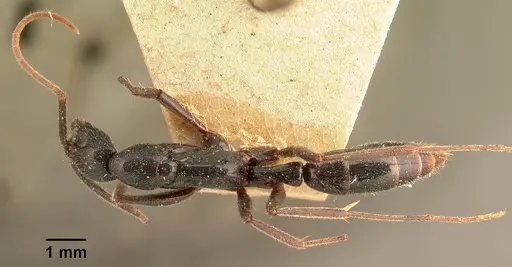
CASENT0101834
View on AntWeb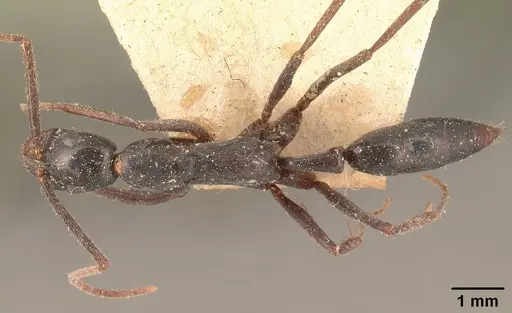
CASENT0101972
View on AntWeb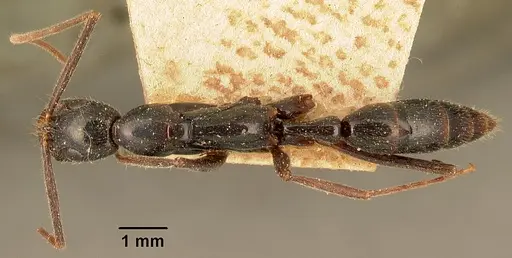
CASENT0102991
View on AntWeb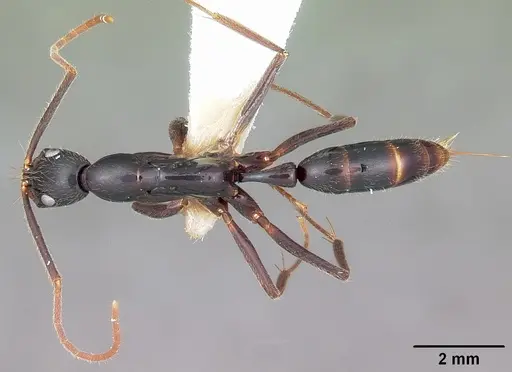
CASENT0107464
View on AntWeb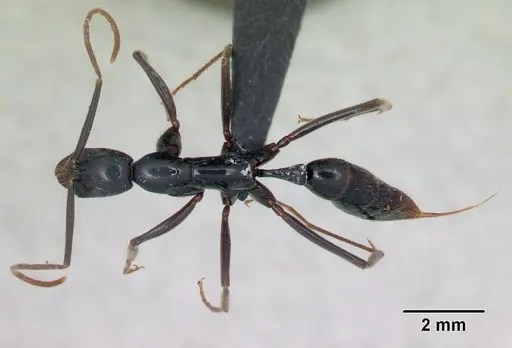
CASENT0134131
View on AntWeb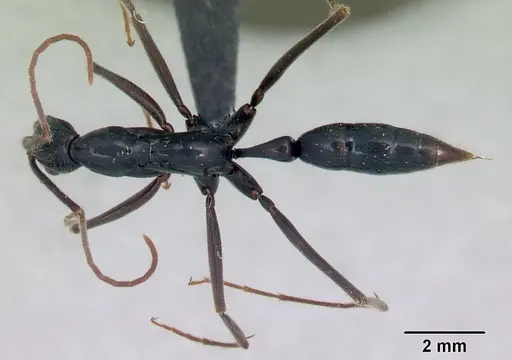
CASENT0135858
View on AntWeb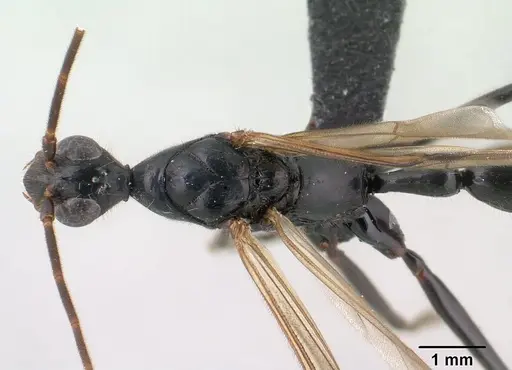
CASENT0138575
View on AntWeb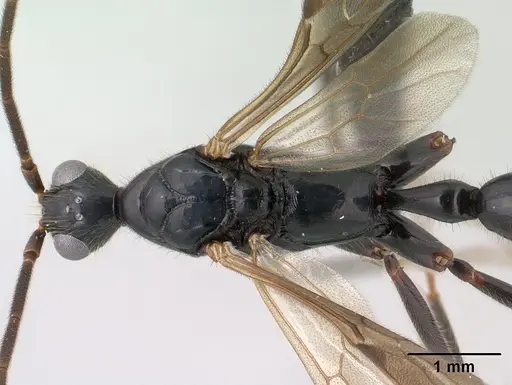
Literature
Loading...Loading products...