

Leptogenys amu
- Scientific Name
- Leptogenys amu
- Tribe
- Ponerini
- Subfamily
- Ponerinae
- Author
- Lattke, 2011
- Distribution
- Found in 2 countries
Leptogenys amu Overview
Leptogenys amu is an ant species of the genus Leptogenys. It is primarily documented in 2 countries , including Colombia, French Guiana. Detailed taxonomic data and occurrence records can be further explored via authoritative databases such as AntWeb or the Global Biodiversity Information Facility (GBIF).
Leptogenys amu
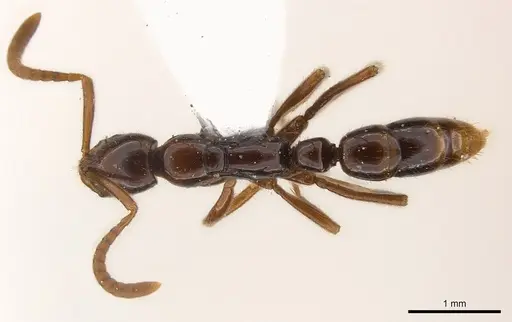
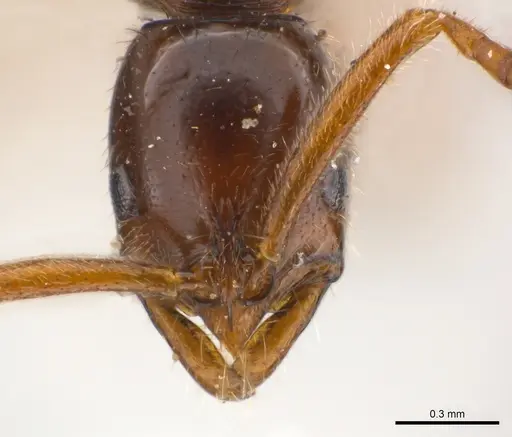
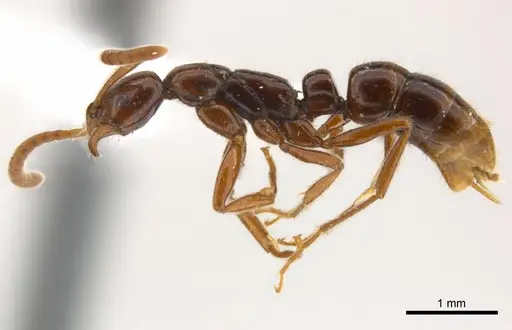
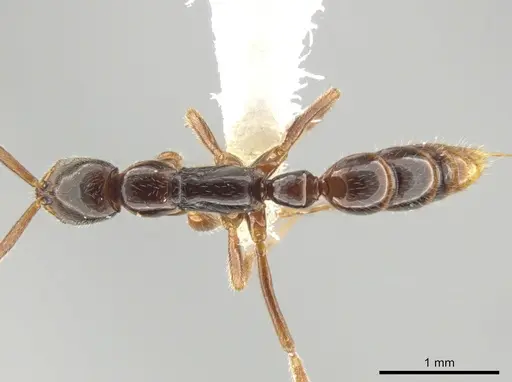
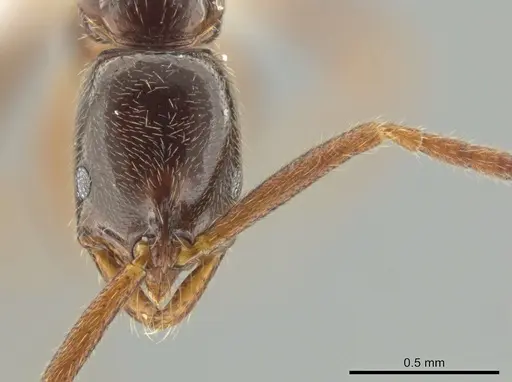
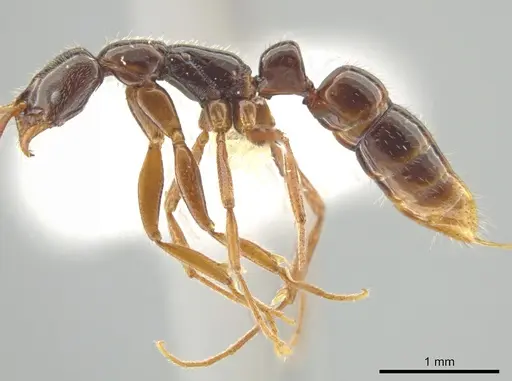
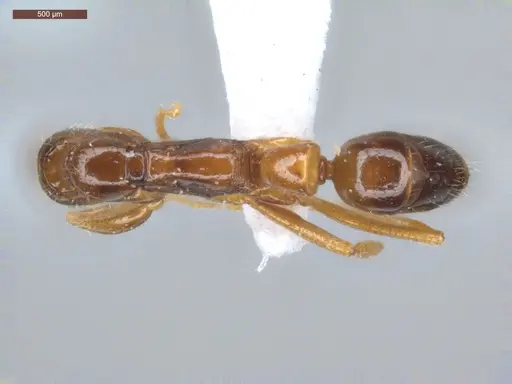
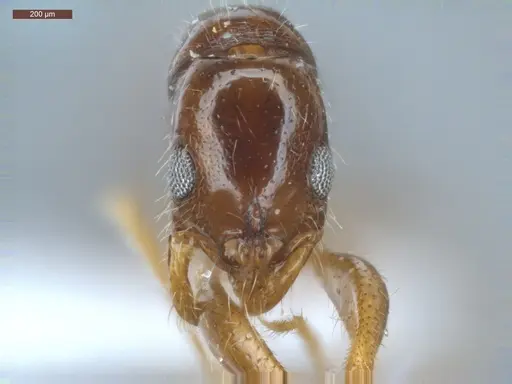
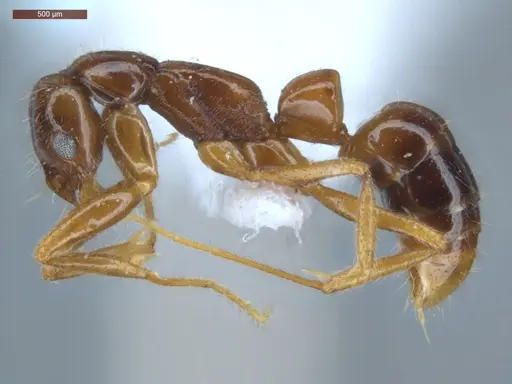
Leptogenys amu is a small Ponerine ant species belonging to the quiriguana species group, native to the Neotropical region of northern South America. Workers measure approximately 0.95mm in head length and 1.49mm in mesosoma length, making them among the smallest species in the genus Leptogenys. The head is longer than wide, the mesosomal dorsal margin forms a continuous line in lateral view, and the petiole is subrectangular and higher than long. Body coloration is brown with ferruginous (rusty) antennae, mandibles, legs, and apical gastral segments. This species is known only from the type locality in Caquetá, Colombia, with a southernmost distribution compared to related species found from Central America to northern South America [1][2]. The queen and male castes remain unknown, and virtually nothing has been documented about their biology in the wild.
Quick Summary
- Difficulty: Unknown, biology unstudied
- Origin & Habitat: Known only from PNN La Serranía de Chiribiquete, Caquetá, Colombia at 250m elevation in the Neotropical region [1][2]. The type locality is along the Río Cunare near Río Amu.
- Colony Type: Unconfirmed, colony structure has not been documented. Related Leptogenys species typically form small to moderate colonies with single queens.
- Size & Growth:
- Queen: Unknown, queen caste has not been described
- Worker: 0.95mm head length,1.49mm mesosoma length
- Colony: Unknown, no colony size data exists
- Growth: Unknown, no development data exists
- Development: Unknown, no direct measurements exist. Based on typical Ponerine development patterns, estimate 6-10 weeks at tropical temperatures, but this is highly speculative. (Development timeline is completely unstudied for this species. Estimates based on genus-level patterns only.)
- Antkeeping:
- Temperature: Unconfirmed, likely tropical requirements around 24-28°C based on genus patterns. Provide a gradient allowing ants to self-regulate.
- Humidity: Unconfirmed, likely requires moderate to high humidity (60-80%) typical of Neotropical forest floor species. Keep substrate consistently moist.
- Diapause: Unknown, no seasonal data exists. Given the tropical origin, diapause may not be required or may be minimal.
- Nesting: Unconfirmed, no natural nesting observations exist. Likely prefers soil or rotting wood based on genus patterns. Use a naturalistic setup with moist substrate or a Y-tong/plaster nest with chambers scaled to their small size.
- Behavior: Undocumented, no behavioral observations exist for this species. Based on genus patterns, Leptogenys are typically aggressive predators that hunt individually. They may exhibit raiding behavior toward other ant colonies. Escape prevention should be excellent given their small size.
- Common Issues: biology is completely unstudied, all care recommendations are speculative estimates based on genus patterns, queen and male castes unknown, cannot confirm colony structure or founding behavior, no development timeline data exists, growth rate is entirely unknown, no feeding observations exist, diet must be inferred from related species, tiny size means escape prevention is critical even if behavior is not documented as aggressive
Species Identification and Range
Leptogenys amu was described by Lattke in 2011 from specimens collected in Caquetá, Colombia. It belongs to the quiriguana species group, which contains some of the smallest Leptogenys species. This ant can be identified by its head that is longer than wide, the continuous line formed by the mesosomal dorsal margin in lateral view, and the subrectangular petiole that is higher than long. The species is distinguished from related species by lacking a distinctly transverse mesonotum. Its distribution represents the southernmost extent of thequiriguana species group, with related species found from Central America through the Coastal Cordillera of northern South America. Only two worker specimens have ever been documented[1].
What We Do Not Know
This is one of the least studied ant species in the hobby or scientific literature. The queen caste has never been described, the male caste is unknown, colony structure has not been documented, and absolutely no biological observations exist from the wild or captivity. We do not know what they eat, how they found colonies, when nuptial flights occur, how many workers a mature colony has, or any aspect of their behavior. Every recommendation in this caresheet is based on inference from related Leptogenys species and genus-level patterns, not on direct observation of this specific species. This makes L. amu an experimental species for antkeepers, you will be discovering its care requirements alongside any scientific documentation [3].
Inferred Care Requirements
Since direct care data does not exist for this species, we must infer from typical Leptogenys biology. Leptogenys are predatory Ponerine ants that typically hunt individually rather than in groups. They likely require live prey such as small insects, springtails, or other micro-arthropods. Temperature should likely be in the tropical range of 24-28°C with a gradient for self-regulation. Humidity should be moderate to high (60-80%) to simulate their Neotropical forest floor origin at 250m elevation in Caquetá. Nesting likely prefers soil or rotting wood, a naturalistic setup with moist substrate or a well-humidified Y-tong/plaster nest would be appropriate starting points. The very small worker size (under 2mm total length) means escape prevention must be excellent regardless of their actual behavior [3].
Starting a Colony
Since no one has documented how to start a colony of this species, the best approach is to follow patterns from related Ponerine ants. Expect founding to take several months, related Leptogenys species may take 2-4 months from founding to first workers (nanitics). The queen will likely need to hunt for food during founding if she follows the semi-claustral pattern common in the genus, so providing small live prey items near the founding chamber is advisable. Growth will likely be slow compared to faster-developing genera like Camponotus or Lasius. Patience is essential, do not overfeed or disturb the founding chamber excessively. If you successfully raise a colony, documenting your observations would contribute valuable knowledge to the antkeeping community for this poorly understood species. [3]
Frequently Asked Questions
How long does it take for Leptogenys amu to produce first workers?
Unknown, no development timeline has been documented for this species. Based on typical Ponerine development, estimate 6-10 weeks from egg to worker at optimal tropical temperatures, but this is a rough guess. Related Leptogenys species may take 2-4 months from colony founding to nanitic emergence.
What do Leptogenys amu ants eat?
Unconfirmed, no feeding observations exist. Based on genus patterns, they are likely predatory hunters that accept small live prey such as springtails, fruit flies, small mealworms, and other micro-arthropods. Sugar sources may or may not be accepted, offer occasionally but do not rely on them.
Are Leptogenys amu good for beginners?
No, this species cannot be recommended for beginners because its biology is completely unstudied. All care requirements are speculative guesses based on related species. Beginners should choose species with well-documented care requirements instead.
What temperature should I keep Leptogenys amu at?
Unconfirmed, likely 24-28°C based on their Neotropical origin. Provide a temperature gradient so the ants can self-regulate. Start in the middle of this range and adjust based on colony activity.
How big do Leptogenys amu colonies get?
Unknown, no colony size data exists. Related Leptogenys species typically form small to moderate colonies, possibly under 500 workers. You would be discovering the maximum size through captive breeding.
Can I keep multiple Leptogenys amu queens together?
Unknown, colony structure has not been documented. Do not attempt combining unrelated queens until more is known about their natural colony structure.
What is the best nest type for Leptogenys amu?
Unconfirmed, no nesting observations exist. Based on genus patterns, a naturalistic setup with moist soil or a Y-tong/plaster nest with small chambers and high humidity would be appropriate starting points.
Do Leptogenys amu need hibernation?
Unknown, no seasonal data exists. Given their tropical origin in Colombia, hibernation is likely not required. Maintain stable tropical temperatures year-round.
Where can I get Leptogenys amu?
This species is extremely rare in the antkeeping hobby. It is known only from a very limited range in Colombia and has never been documented in captivity. Finding a colony would be exceptionally difficult.
References

This caresheet is licensed under CC BY-SA 4.0 .
Literature
Loading...Loading products...