

Leptogenys alatapia
- Scientific Name
- Leptogenys alatapia
- Tribe
- Ponerini
- Subfamily
- Ponerinae
- Author
- Rakotonirina & Fisher, 2014
- Distribution
- Found in 1 countries
Leptogenys alatapia Overview
Leptogenys alatapia is an ant species of the genus Leptogenys. It is primarily documented in 1 countries , including Madagascar. Detailed taxonomic data and occurrence records can be further explored via authoritative databases such as AntWeb or the Global Biodiversity Information Facility (GBIF).
Leptogenys alatapia
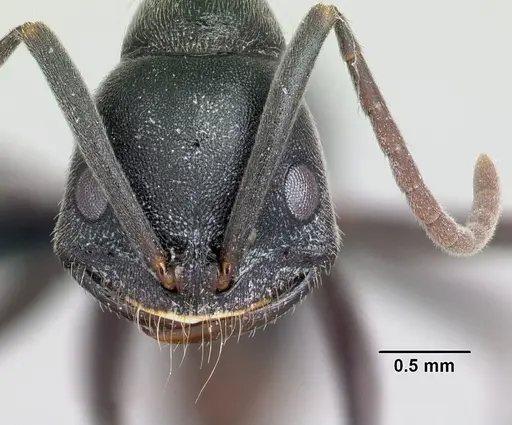
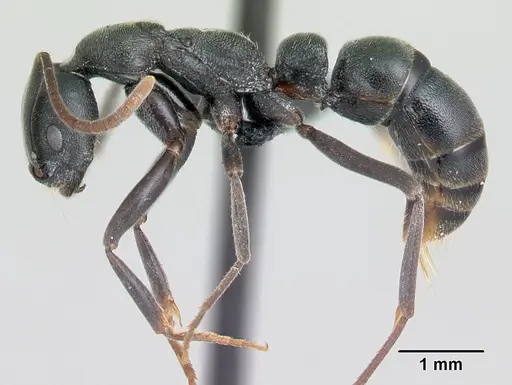
Leptogenys alatapia is a predatory ponerine ant native to southern Madagascar. Workers are small at around 4-6mm total length, with a distinctive broad head that is wider than long and noticeably widened toward the front. The body is black to dark brown, with brown legs and antennae that have lighter-colored tips. This species belongs to the arcirostris species complex and can be identified by its short scapes (antennal segments) and the median carina (ridge) on its clypeus (the plate above the mouth). The head measures 1.54-1.63mm in width, making these ants relatively small compared to other Leptogenys species [1].
This species is restricted to the plateau regions in southern Madagascar, particularly in Uapaca woodland habitats within Isalo National Park. They forage on the ground and nest under rocks, making them a ground-nesting species typical of the genus. Like other Leptogenys, they are active hunters that chase down prey rather than scavenging [1].
Quick Summary
- Difficulty: Medium
- Origin & Habitat: Southern Madagascar plateau, specifically in Uapaca woodland habitats within Isalo National Park. They nest under rocks and forage on the ground in this tropical woodland environment [1].
- Colony Type: Colony structure is unconfirmed for this species. Many Leptogenys species are monogyne (single queen), though some have ergatoid (wingless) replacement queens. More research is needed on the specific colony structure of L. alatapia.
- Founding: Semi-claustral
- Size & Growth:
- Queen: Undocumented, estimated 6-8mm based on genus patterns for Leptogenys queens
- Worker: Approximately 4-6mm total length (head width 1.54-1.63mm) [1]
- Colony: Undocumented for this species, related Leptogenys typically reach several hundred workers
- Growth: Moderate, estimated based on genus patterns for tropical Ponerinae
- Development: Estimated 6-10 weeks at tropical temperatures (24-28°C) based on related Leptogenys species (Development time is inferred from genus patterns, direct measurements for this species are not available)
- Antkeeping:
- Temperature: Keep at 24-28°C (warm tropical conditions). A slight gradient allowing cooler areas around 22°C is beneficial. Madagascar is tropical year-round, so these ants do best with consistent warmth [1].
- Humidity: Moderate humidity around 60-75%. Uapaca woodland habitats experience seasonal moisture patterns, so aim for consistently damp substrate without being waterlogged. Provide a water source in the outworld.
- Diapause: Unlikely, as a tropical Madagascar species, they probably do not require a true diapause. However, slight temperature reduction during winter months (dropping to around 20-22°C) may be beneficial to simulate seasonal slowdown.
- Nesting: Natural nesting is under rocks in woodland habitats. In captivity, a Y-tong (AAC) nest or plaster nest with narrow chambers works well. Provide damp substrate and ensure the nest chamber is dark and secure. Test tube setups can work for founding colonies.
- Behavior: Leptogenys alatapia is an active, predatory ant that hunts on the ground. Workers are fast-moving and will chase down prey items. They are not aggressive toward humans but will defend their nest if threatened. Their small size (around 4-6mm) means they can escape through tiny gaps, excellent escape prevention is essential. They are diurnal foragers, actively hunting during daylight hours. Queens are not claustral, they hunt during founding like other Leptogenys species, making initial colony establishment more challenging than fully claustral species.
- Common Issues: queen starvation during founding, semi-claustral queens must hunt, so provide small live prey immediately after mating, escape prevention is critical due to their small size, use fine mesh and tight-fitting barriers, slow first colony growth, founding colonies can take months to establish, patience is required, wild-caught colonies may have parasites that can decimate the colony in captivity, overheating is dangerous, direct heat or temperatures above 30°C can kill the colony
Housing and Nest Setup
Leptogenys alatapia naturally nests under rocks in Uapaca woodland habitats. For captivity, a Y-tong (AAC) nest or plaster formicarium with appropriately sized chambers works well. The chambers should be tight enough that workers feel secure but large enough for the colony to move around. Because they are small ants, avoid nests with overly large chambers or wide tunnels. A test tube setup can work for founding colonies, use a small test tube with a cotton ball providing moisture. Place the tube in a dark area to simulate the under-rock nesting site. The outworld should include a shallow water dish and areas for foraging. Use a fluon barrier on the outworld rim and fine mesh on any ventilation to prevent escapes, as these small ants can squeeze through remarkably tiny gaps. [1]
Feeding and Diet
Leptogenys alatapia is a predatory ant that hunts live prey. In captivity, offer small live insects such as fruit flies, small crickets, mealworms, and other appropriately sized arthropods. Prey items should be no larger than the ant's head width. Feed founding colonies small prey items every few days, the queen will hunt and feed herself before workers emerge. Once workers arrive, offer protein prey 2-3 times per week. A sugar source (honey water or sugar water) may be accepted occasionally, but protein is the primary dietary need. Remove uneaten prey after 24-48 hours to prevent mold. Fresh water should always be available.
Temperature and Heating
As a tropical species from Madagascar, Leptogenys alatapia requires warm conditions. Maintain temperatures between 24-28°C in the nest area. A heating cable or heating mat on one side of the nest can create a temperature gradient, allowing the ants to self-regulate. Place the heating element on top of the nest to warm the chamber without drying out the substrate too quickly. Avoid temperatures above 30°C, as this can be fatal. Room temperature around 22°C may be too cool for optimal development, supplemental heating is usually necessary. A thermometer in the nest area helps monitor conditions. [1]
Colony Founding
Colony founding for Leptogenys alatapia is semi-claustral, meaning the queen does not seal herself away completely. She must leave the nest periodically to hunt for food during the founding stage. This makes founding more challenging than claustral species. After mating, provide the queen with a small hunting area containing tiny live prey items. The queen will catch and consume prey to develop her eggs. Once the first workers (nanitics) emerge, the colony expands its foraging range. Founding colonies should be kept in darkness with minimal disturbance. Expect 4-8 weeks for eggs to develop into workers at warm temperatures (around 26°C). The initial colony growth is slow, do not disturb the queen or move the nest during this critical period.
Behavior and Temperament
Leptogenys alatapia is an active, ground-foraging predator. Workers hunt individually, using their speed to chase down prey rather than swarming. They are not particularly aggressive toward humans and rarely sting, though their small size makes any sting barely noticeable. The workers are fast-moving and alert, constantly patrolling their foraging area. They are diurnal, most active during daylight hours. When threatened, they may flee rather than fight, but will defend the nest if necessary. Their small size and speed make them challenging to contain, excellent escape prevention is essential. They do not form large supercolonies and are not invasive. [1]
Frequently Asked Questions
How long does it take for Leptogenys alatapia to produce first workers?
At optimal temperatures (24-28°C), expect first workers in approximately 6-10 weeks. This is an estimate based on related Leptogenys species, direct development data for L. alatapia is not available. Cooler temperatures will significantly slow development.
Can I keep Leptogenys alatapia in a test tube?
Yes, test tubes work well for founding colonies. Use a small test tube with a cotton ball providing moisture. Place it in a dark area and provide a small hunting area with tiny live prey for the semi-claustral queen. Once the colony reaches 20-30 workers, consider moving to a proper formicarium.
What do Leptogenys alatapia eat?
They are predatory ants that need live protein prey. Offer small insects like fruit flies, pinhead crickets, small mealworms, and other tiny arthropods. They may occasionally accept sugar water or honey, but protein is essential for colony growth.
Are Leptogenys alatapia good for beginners?
They are rated as medium difficulty. The semi-claustral founding method requires more attention than fully claustral species, and their small size demands excellent escape prevention. They are not the best choice for complete beginners, but experienced antkeepers should find them manageable.
Do Leptogenys alatapia need hibernation?
No, as a tropical Madagascar species they do not require true hibernation. Slight temperature reduction in winter (around 20-22°C) may be beneficial to simulate natural seasonal patterns, but a full diapause is not necessary or recommended.
How big do Leptogenys alatapia colonies get?
Colony size is not documented for this specific species. Based on related Leptogenys species, colonies likely reach several hundred workers. Growth is moderate, expect several months to reach 50 workers and longer for full colony development.
Why are my Leptogenys alatapia dying?
Common causes include queen starvation during founding (ensure small live prey is available), escape through tiny gaps, parasites from wild-caught colonies, temperatures that are too cool or too hot, and excessive disturbance during founding. Check that temperatures are in the 24-28°C range and that the queen has access to live prey.
When should I move Leptogenys alatapia to a formicarium?
Move from a test tube to a proper nest when the colony reaches 20-30 workers or when the test tube becomes crowded. Ensure the new nest has appropriately sized chambers for their small size and maintains proper humidity.
Can I keep multiple Leptogenys alatapia queens together?
Combining unrelated queens has not been documented for this species and is not recommended. Leptogenys are typically single-queen colonies. If you obtain multiple foundress queens, house them separately to avoid conflict.
References

This caresheet is licensed under CC BY-SA 4.0 .
CASENT0489586
View on AntWeb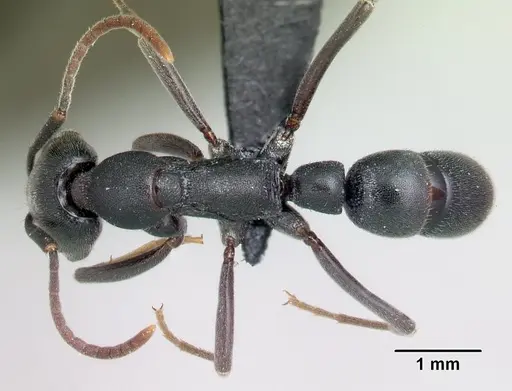
Literature
Loading...Loading products...