

Leptanilloides nubecula
- Scientific Name
- Leptanilloides nubecula
- Subfamily
- Dorylinae
- Author
- Donoso <i>et al.</i>, 2006
- Distribution
- Found in 1 countries
Leptanilloides nubecula Overview
Leptanilloides nubecula is an ant species of the genus Leptanilloides. It is primarily documented in 1 countries , including Ecuador. Detailed taxonomic data and occurrence records can be further explored via authoritative databases such as AntWeb or the Global Biodiversity Information Facility (GBIF).
Leptanilloides nubecula
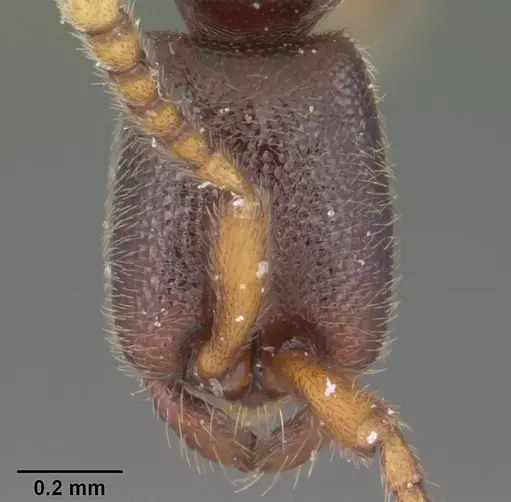
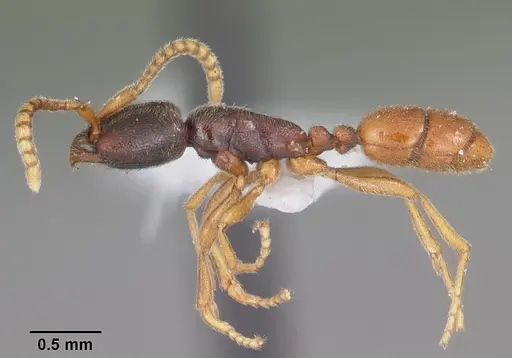
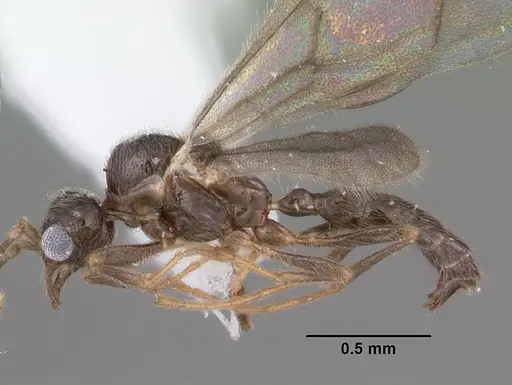
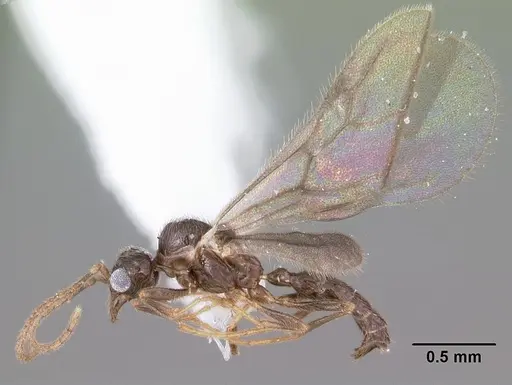
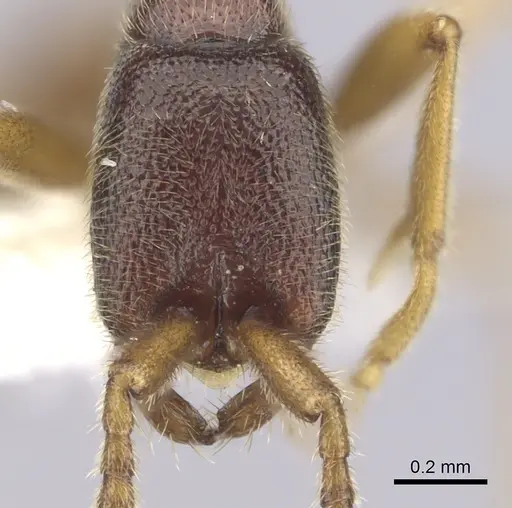
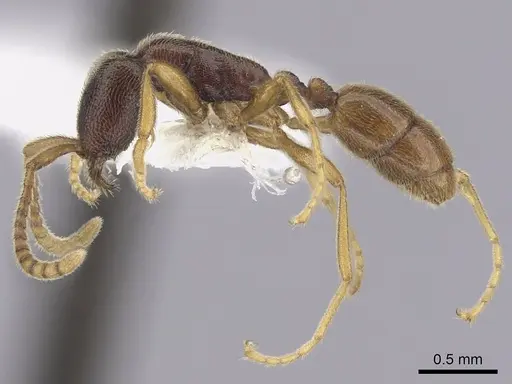
Leptanilloides nubecula is a small Neotropical ant belonging to the Dorylinae subfamily, making it a distant relative of army ants. Workers measure 0.69-0.72mm in head length, making them relatively large for the genus, with a distinctive slender appearance and long legs [1]. They vary in color from testaceous to reddish-brown, always with a shiny appearance, and have a darker head and mesosoma compared to their gaster [2]. The most remarkable feature of this species is its two distinct queen subcastes: a larger subdichtadiigyne (typical wingless queen) and smaller ergatoid queens that resemble workers but can serve as replacement reproductives [1]. This species was discovered in Ecuador's cloud forests at nearly 2000m elevation, where colonies were found nesting under rotten logs.
Quick Summary
- Difficulty: Expert
- Origin & Habitat: Ecuador (Cotopaxi Province), Bosque Integral Otonga cloud forest at 1978m elevation. Colonies nest under rotten logs in damp, shaded forest floor conditions [1].
- Colony Type: Polygynous with ergatoid replacement reproductives. Colonies contain multiple reproductive queens (subdichtadiigyne) plus ergatoid queens that serve as backup reproductives when the primary queen dies [1]. The presence of two distinct gyne subcastes is unique among Leptanilloidinae.
- Colony: Polygyne
- Size & Growth:
- Queen: Subdichtadiigyne: 0.78mm HL,0.74mm HW. Ergatoid: 0.62-0.65mm HL,0.53mm HW [1]
- Worker: 0.69-0.72mm HL,0.54-0.56mm HW [1]
- Colony: Unknown, no colony size data available
- Growth: Unknown
- Development: Unconfirmed, no development data available for this species (Related Leptanilloides species suggest development may follow army ant syndrome patterns with synchronized brood production [3], but specific timelines are unknown.)
- Antkeeping:
- Temperature: Unknown, no thermal studies exist. Based on high-elevation cloud forest origin (1978m), expect cool conditions. Start around 18-22°C and observe colony activity. A gentle gradient allows ants to self-regulate.
- Humidity: High humidity required, cloud forest species. Keep nest substrate consistently moist but not waterlogged. Provide a water tube and maintain damp conditions similar to rotting log interior.
- Diapause: Unknown, no documented diapause requirements. High-elevation origin suggests tolerance for cooler temperatures, but specific overwintering needs are unconfirmed.
- Nesting: In nature, colonies nest under rotten logs in cloud forest habitat [1]. Captive recommendations: naturalistic setup with damp soil/wood substrate, or a well-humidified acrylic/plaster nest. Avoid dry conditions.
- Behavior: This is a predatory ant species related to army ants, likely hunting small invertebrates. Workers are blind (no eyes) and likely forage through chemical trails. Temperament is unknown but related doryline ants are typically aggressive predators. Escape risk is moderate, workers are small but not tiny. Use standard barrier methods. No sting documented, but related species may have defensive secretions.
- Common Issues: no captive husbandry information exists, this is one of the rarest ants in the hobby, blind workers may have difficulty in open setups, provide covered foraging areas, high humidity requirements can lead to mold if ventilation is poor, predatory diet may be difficult to meet, requires live small prey, ergatoid queens may be confused with workers, colony identification requires expertise
Species Overview and Identification
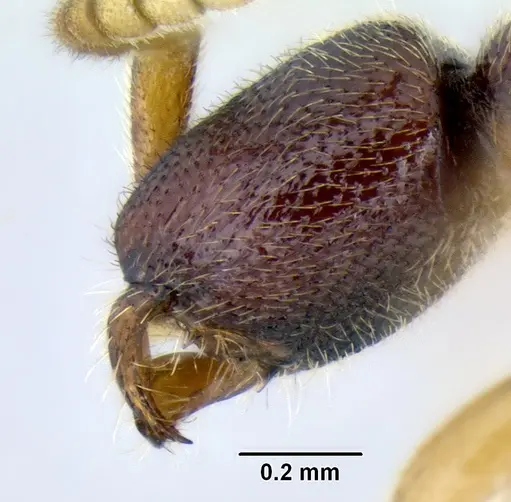
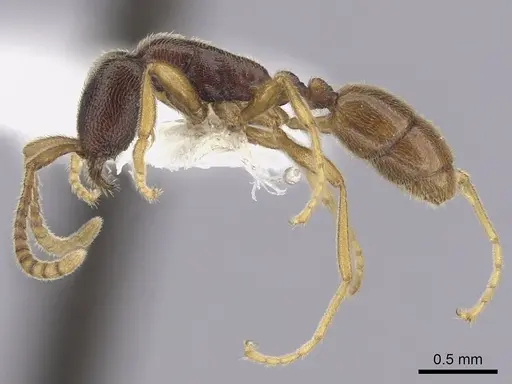
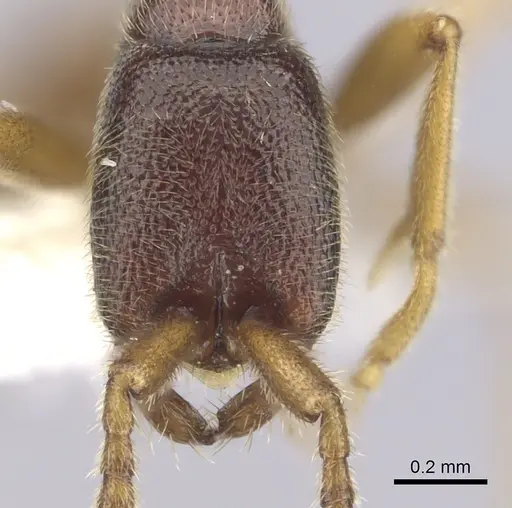
Leptanilloides nubecula is a rare Neotropical ant described in 2006 from Ecuador's cloud forests. The species name 'nubecula' means 'little cloud' in Latin, referring to the cloud forest type locality [1]. Workers are relatively large and slender compared to other Leptanilloides species, measuring 0.69-0.72mm in head length with long legs [1]. They have no eyes, a distinctive feature of this genus, and possess 12-segmented antennae without a distinct club [2]. Body color varies from testaceous to reddish-brown, always shiny, with the head and mesosoma darker than the gaster. The most distinctive morphological feature is the presence of two distinct queen subcastes: a larger subdichtadiigyne (~1/4 larger than workers) and smaller ergatoid queens that resemble workers but can become reproductive [1]. This dual-queen system with ergatoid replacement reproductives is unique among known Leptanilloidinae species.
Natural History and Distribution
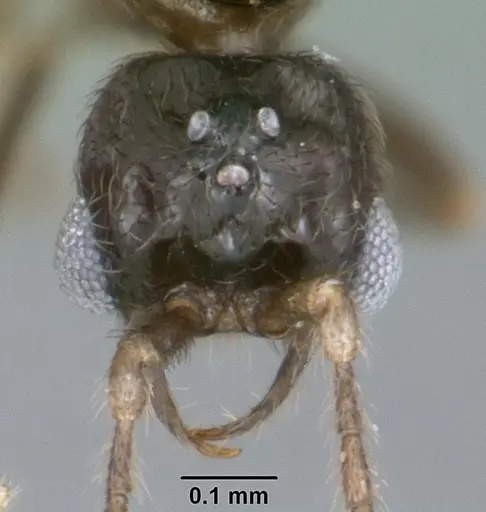
This species is known only from the cloud forests of Cotopaxi Province in Ecuador, at an elevation of approximately 1978 meters [1]. The type series was collected from a colony found under a rotten log at 2000 hours (8 PM), indicating nocturnal or crepuscular activity patterns [1]. A second colony containing males was found during a subsequent field excursion to the same site. The high-elevation cloud forest habitat suggests this species prefers cool, permanently humid conditions with frequent mist and cloud cover. The forest floor provides a moist, shaded microhabitat under decaying wood where colonies establish their nests. The ergatoid queens collected were teneral (newly emerged), showing pale coloration, absence of abdominal fat bodies, and undeveloped ovaries, indicating they were young and not yet reproductive [1].
Housing and Nesting Preferences
In the wild, Leptanilloides nubecula nests under rotten logs in cloud forest environments [1]. For captive care, a naturalistic setup with damp soil and decaying wood substrate would best replicate their natural conditions. The nest material should remain consistently moist but never waterlogged, think of the interior of a rotting log in a perpetually misty forest. Acrylic or plaster nests can work if you maintain high humidity through a water reservoir or regular misting. Provide a covered foraging area since workers are blind and may prefer darker, more enclosed spaces. The small worker size (0.54-0.56mm head width) means escape prevention should be adequate, though these ants are not known escape artists like some tiny species. Ensure the outworld has some vertical surfaces or structures they can walk on, as their long legs suggest they are comfortable moving across varied terrain.
Feeding and Diet
As a member of the Dorylinae subfamily (army ant relatives), Leptanilloides nubecula is likely a predatory species that hunts small invertebrates [3]. No specific diet studies exist, but related Leptanilloides species are predatory on micro-arthropods. In captivity, you should offer small live prey such as springtails, fruit flies, small crickets, and other tiny insects. The workers' lack of eyes suggests they may rely heavily on chemical cues for hunting, similar to other blind doryline ants. Feed protein-rich prey 2-3 times per week, and remove any uneaten prey after 24-48 hours to prevent mold. Sugar sources are unlikely to be accepted, these are specialized predators, not honeydew feeders. Always ensure fresh water is available, though they may obtain moisture from prey.
Temperature and Environmental Conditions
No specific temperature requirements have been documented for this species. However, the high-elevation cloud forest origin (1978m in Ecuador) provides strong clues. Cloud forests at this altitude maintain cool, stable temperatures year-round, typically ranging from 15-22°C. Start with a nest temperature around 18-22°C and observe colony behavior, if workers cluster together excessively, they may want it warmer, if they avoid the heated areas, reduce temperature. A temperature gradient across the nest allows the ants to self-regulate. Place a heating cable on one side of the nest if room temperature is below 18°C. High humidity is critical, cloud forests are perpetually moist. Maintain substrate moisture consistently, and consider using a water tube connected to the nest to provide ongoing humidity. Avoid both drying out the nest and allowing stagnant, mold-promoting conditions. [1]
Colony Structure and Reproduction
Leptanilloides nubecula has a unique colony structure among known Leptanilloidinae: polygynous colonies with two distinct queen subcastes [1]. The primary reproductives are subdichtadiigynes, which are larger (0.78mm head length) wingless queens that likely lay the majority of eggs. Additionally, ergatoid queens, smaller individuals that resemble workers but have enlarged gasters, serve as replacement reproductives. When the primary queen dies, an ergatoid can presumably become reproductive and take over egg-laying duties [1]. This redundancy ensures colony survival if the primary queen is lost. The colony found in the type series was collected with both queen subcastes present, and ergatoids had undeveloped ovaries, suggesting they were not yet active reproductives. This system is functionally similar to having backup queens and represents an evolutionary adaptation for colony longevity.
Challenges and Expert-Level Care
Leptanilloides nubecula is NOT a species for beginners. This is one of the rarest ants in the ant-keeping hobby, with virtually no captive husbandry information available. There are no established care protocols, no documented development times, no confirmed temperature ranges, and no known successful captive breeding records outside research collections. You will essentially be pioneering the husbandry of this species through careful observation and experimentation. The primary challenges include: providing appropriate high-humidity conditions without promoting mold, meeting their predatory dietary needs with suitable live prey, and understanding their unique colony structure. Before attempting to keep this species, gain extensive experience with more common predatory ants like other Dorylinae or Poneromorphs. If you do acquire this species, document your observations carefully, any information you gather would be valuable for advancing our understanding of this poorly studied ant group.
Frequently Asked Questions
Is Leptanilloides nubecula good for beginners?
No. This is an expert-level species with no established captive husbandry information. There are no care guides, development timelines, or confirmed requirements, you would be pioneering their care entirely through experimentation. Only experienced antkeepers who have successfully kept predatory ants should attempt this species.
How do I house Leptanilloides nubecula?
Use a naturalistic setup with damp soil and decaying wood to replicate their cloud forest habitat under rotten logs. Alternatively, a well-humidified acrylic or plaster nest works. Keep the substrate consistently moist but not waterlogged. Provide a covered foraging area since workers are blind.
What do Leptanilloides nubecula eat?
As a predatory doryline ant, they likely hunt small invertebrates. Offer live springtails, fruit flies, small crickets, and other tiny insects. Remove uneaten prey after 24-48 hours. Sugar sources are unlikely to be accepted, they are specialized predators, not honeydew feeders.
How long does it take for Leptanilloides nubecula to develop from egg to worker?
Unknown, no development data exists for this species. Related Leptanilloides may follow army ant patterns with synchronized brood development, but specific timelines are unconfirmed. You will need to document this yourself through careful observation.
Do Leptanilloides nubecula queens have wings?
No. This species has apterous (wingless) queens. Both the subdichtadiigyne (larger queen caste) and ergatoid (worker-like queen) lack wings [1]. This is typical of the Leptanilloidinae subfamily.
How many queens does a Leptanilloides nubecula colony have?
Multiple. This is a polygynous species with both primary subdichtadiigyne queens and ergatoid replacement reproductives. The ergatoids serve as backup egg-layers if the primary queen dies [1].
What temperature should I keep Leptanilloides nubecula at?
No confirmed requirements exist. Based on their high-elevation cloud forest origin (1978m Ecuador), start around 18-22°C and observe colony behavior. A gentle temperature gradient allows self-regulation. They likely prefer cooler conditions than typical tropical ants.
Does Leptanilloides nubecula need hibernation?
Unknown, no diapause or overwintering data exists. Their high-elevation cloud forest origin suggests tolerance for cooler temperatures, but specific seasonal requirements are unconfirmed.
Where is Leptanilloides nubecula found?
Only known from Cotopaxi Province, Ecuador, in the Bosque Integral Otonga cloud forest at 1978m elevation [1]. This is a rare endemic species with a very restricted range.
Why are my Leptanilloides nubecula dying?
Without established husbandry information, colony failure is common. Ensure high humidity (cloud forest conditions), provide appropriate live prey, and avoid drying out the nest. Also check for mold, which thrives in humid conditions. Consider that this species may have specific requirements we simply don't know yet.
Can I keep multiple Leptanilloides nubecula queens together?
Yes, this is a naturally polygynous species with multiple queens. However, combining unrelated foundress queens in captivity has not been studied and carries risks. The natural colony structure includes both primary queens and ergatoid replacement reproductives [1].
References

This caresheet is licensed under CC BY-SA 4.0 .
CASENT0052779
View on AntWeb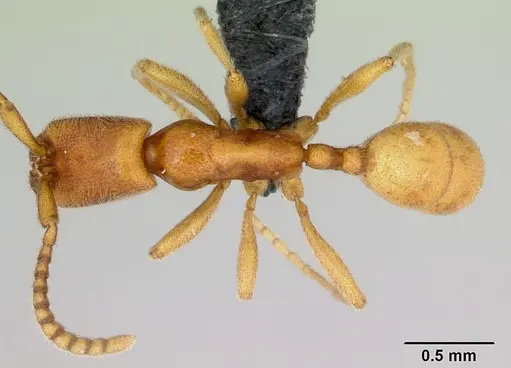
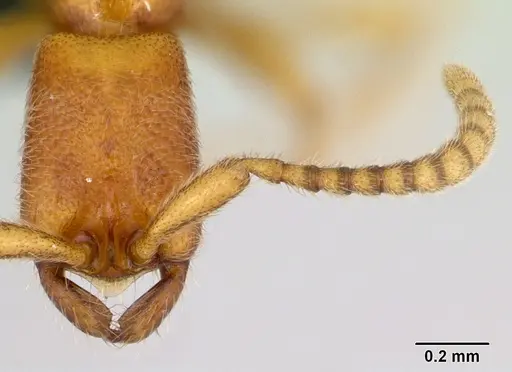
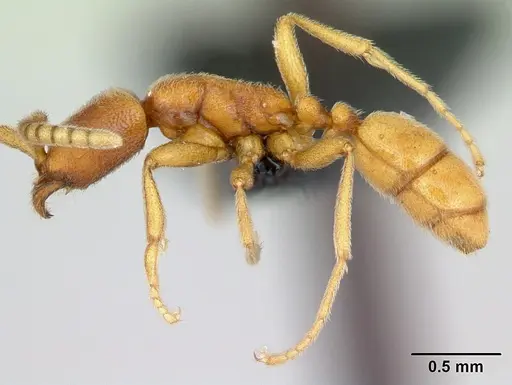
CASENT0103062
View on AntWeb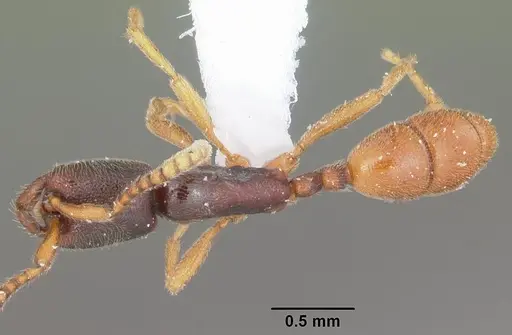
CASENT0103063
View on AntWeb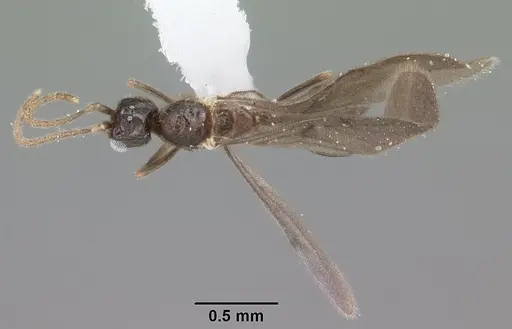
CASENT0234621
View on AntWeb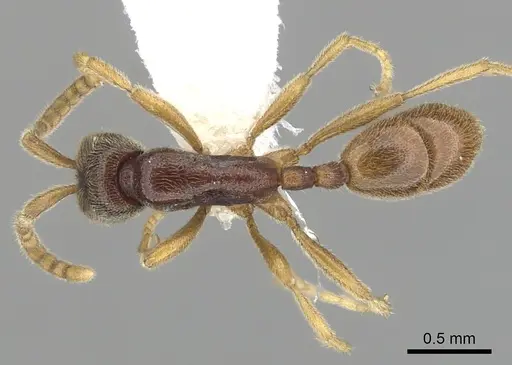
CASENT0249633
View on AntWeb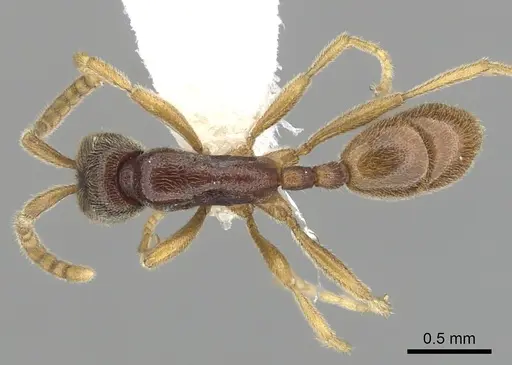
Literature
Loading...Loading products...