

Leptanilloides erinys
- Scientific Name
- Leptanilloides erinys
- Subfamily
- Dorylinae
- Author
- Borowiec & Longino, 2011
- Distribution
- Found in 1 countries
Leptanilloides erinys Overview
Leptanilloides erinys is an ant species of the genus Leptanilloides. It is primarily documented in 1 countries , including Ecuador. Detailed taxonomic data and occurrence records can be further explored via authoritative databases such as AntWeb or the Global Biodiversity Information Facility (GBIF).
Leptanilloides erinys
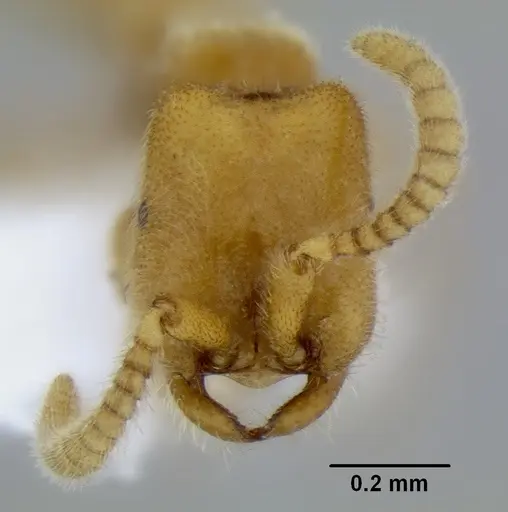
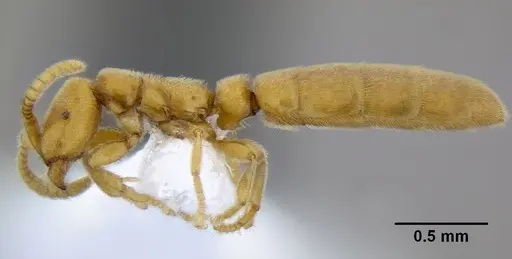
Leptanilloides erinys is a tiny Neotropical ant belonging to the Dorylinae subfamily (army ants and their relatives). Workers measure approximately 3mm in length with a yellowish to brownish body, characterized by a long slender mesosoma, relatively heavy sculpturing with small punctures, and a rectangular petiole. The queen (gyne) is unusual, she is wingless (a subdichthadiigyne) with small eyes and measures about 4-5mm. This species was discovered in montane cloud forest in Ecuador at 2200m elevation, where a colony of roughly 100 workers was found nesting 5cm below ground in a soil cavity adjacent to a root. The absence of males and wingless queens suggests a unique colony founding strategy not typical of most ants [1][2].
Quick Summary
- Difficulty: Expert
- Origin & Habitat: Napo Province, Ecuador, montane cloud forest at 2200m elevation. The type locality is Yanayacu Biological Station in secondary cloud forest [1][2].
- Colony Type: Single-queen colonies (monogyne). The queen is a wingless subdichthadiigyne, which is unusual, most ant queens have wings for dispersal. The colony collected had approximately 100 workers with one gyne present. No males have been collected, suggesting either colony fission (budding) or the males are produced seasonally [1].
- Colony: Monogyne
- Size & Growth:
- Queen: 4-5mm (HW 0.41mm, HL 0.46mm) [1]
- Worker: ~3mm (HW 0.31-0.32mm, HL 0.41-0.43mm) [1]
- Colony: Approximately 100 workers in the type colony, likely small to moderate sized colonies [1]
- Growth: Unknown, likely slow based on small colony size and high-elevation origin
- Development: Unconfirmed, no development data available for this species (Larvae in the type colony were all similar size, suggesting synchronized brood production. Based on related Dorylinae and high-elevation Andean origin, expect 8-16 weeks at cool temperatures.)
- Antkeeping:
- Temperature: Keep cool, 18-22°C. This species comes from high-elevation cloud forest (2200m) in the Andes, so they prefer cooler temperatures than most tropical ants. Avoid overheating [1][2].
- Humidity: High humidity, 70-85%. Montane cloud forest is constantly damp. Keep the nest substrate consistently moist but not waterlogged. Provide a water source [1][2].
- Diapause: Likely yes, high-elevation species from the Andes probably require a cool period during the dry season. However, specific diapause requirements are unconfirmed [1].
- Nesting: Natural nesting is in soil cavities 5cm below ground, adjacent to roots in cloud forest. In captivity, use a small test tube setup or acrylic nest with fine chambers. Keep nest chambers tight and small-scale to match their tiny size. The substrate should be kept consistently moist [1].
- Behavior: These ants are tiny and likely cryptic foragers. Workers have a flexible promesonotal articulation (the mesosoma can bend between the pronotum and mesonotum), which is unusual and may relate to their foraging behavior. They are likely predatory like other Dorylinae, hunting small invertebrates in leaf litter. Escape prevention is critical due to their very small size, they can squeeze through tiny gaps. Temperament is unknown but likely non-aggressive given their small size and cryptic lifestyle [1].
- Common Issues: escape prevention is critical, they are tiny and will escape through the smallest gaps, high elevation origin means they need cool conditions, overheating kills them easily, slow growth and small colony size means colonies are fragile and slow to develop, no males have been collected, colony reproduction strategy is unusual and may be difficult to replicate in captivity, humidity must be consistently high, drying out quickly kills these cloud forest ants
Housing and Escape Prevention
Because Leptanilloides erinys workers are only about 3mm long, escape prevention is your biggest concern. These tiny ants can squeeze through gaps that seem impossible. Use test tubes with tight-fitting cotton plugs, and if using any formicarium or outworld setup, apply Fluon (polytetrafluoroethylene) to the inner walls of all enclosures. Even with Fluon, check for any cracks, gaps around tubing connections, or lid seams. A small gap to you is a wide highway to them. Keep feeding areas contained and consider using a moat or barrier system. The colony will likely remain small (under 200 workers), so you don't need large spaces, tight, appropriately-sized chambers work better than large open areas [1].
Temperature Requirements
This is a high-elevation Andean species from 2200m in Ecuadorian cloud forest. Unlike most ant species kept in captivity, they need cool conditions, think refrigerator temperatures, not tropical warmth. Aim for 18-22°C as a baseline. Room temperature in most homes may actually be too warm, especially in summer. Use a thermostatic controller with a small thermoelectric cooler or place the nest in a cool location. Watch for workers clustering away from heat sources, if your colony avoids the warmer side of a temperature gradient, they're too hot. Overheating is likely fatal. In winter, they may benefit from a slight cool period (15-18°C) mimicking the dry season [1][2].
Feeding and Diet
As a Dorylinae ant, Leptanilloides erinys is likely a predator or omnivore that forages in leaf litter. In captivity, offer small live prey items: fruit flies (Drosophila), springtails, and tiny mealworms are appropriate sizes. Since workers are only about 3mm, prey should be no larger than they can handle. You can also offer sugar water or honey in very small amounts, but the primary diet should be protein. Feed small amounts every 2-3 days and remove uneaten prey after 24 hours to prevent mold. Given their cryptic nature and small size, they may be shy feeders, offer food in the evening and observe from a distance [1][2].
Humidity and Moisture
Montane cloud forest is perpetually damp, and these ants nested in soil 5cm below ground adjacent to a root, they need consistent moisture. Keep the nest substrate damp but not waterlogged. A good test: the substrate should feel moist to the touch, with no standing water. For test tube setups, use a water reservoir that provides humidity through the cotton but doesn't flood the ants. For acrylic or formicarium nests, mist the nest area regularly and consider a moist soil chamber. However, avoid stagnant wetness, some ventilation is needed to prevent mold. If you see condensation constantly dripping, that's too wet. If the substrate looks dry and cracked, that's too dry [1][2].
Colony Structure and Reproduction
The most unusual feature of Leptanilloides erinys is the queen, she is a subdichthadiigyne, meaning she is wingless and has reduced eyes. This is rare among ants, where most queens have wings for dispersal. The wingless condition suggests the queen does not conduct nuptial flights, instead, mating likely occurs near the nest, and new colonies may form through budding (where a queen and workers leave to start a new colony) rather than independent colony founding. No males have been collected, which is highly unusual and suggests either colony reproduction is seasonal, males are produced rarely, or the species uses an alternative reproductive strategy. In captivity, expect slow colony growth and be patient with reproduction [1].
Frequently Asked Questions
How long does it take for Leptanilloides erinys to produce first workers?
The egg-to-worker timeline is unconfirmed for this species. Based on related Dorylinae and their high-elevation Andean origin, expect 8-16 weeks at optimal cool temperatures (around 20°C). Growth is likely slow given their small colony size and mountain habitat [1].
Can I keep Leptanilloides erinys in a test tube?
Yes, a test tube setup works well for this species. Use a small test tube with a water reservoir and cotton plug, keeping it horizontal so the colony can move between the wet and dry ends. However, because they are tiny, ensure the cotton is packed tightly and consider adding a secondary barrier. Test tubes work best for founding colonies and small groups up to about 50 workers [1].
What temperature do Leptanilloides erinys ants need?
Keep them cool, 18-22°C is ideal. This is a high-elevation species from 2200m in Ecuadorian cloud forest, so they prefer temperatures much cooler than typical tropical ants. Room temperature may be too warm, especially in summer. Overheating is a serious risk [1][2].
How big do Leptanilloides erinys colonies get?
The type colony had approximately 100 workers. Based on this, colonies likely reach small to moderate sizes (probably under 200-300 workers). They are not large colony formers like some Dorylinae [1].
Are Leptanilloides erinys good for beginners?
No, this is an expert-level species. They require specific cool temperatures, high humidity, excellent escape prevention, and have unusual reproductive biology (wingless queen, no males collected). They are also rarely available in the antkeeping hobby [1].
Do Leptanilloides erinys need hibernation?
Likely yes, as a high-elevation Andean species, they probably experience cooler temperatures during the dry season. However, the specific diapause requirements are unconfirmed. A cool period at 15-18°C for 2-3 months during winter months may be beneficial, but this is an educated guess rather than documented requirement [1].
Why are my Leptanilloides erinys dying?
Common causes include: overheating (keep below 22°C), low humidity (they need constant dampness), escape through tiny gaps, and stress from too-large prey items. Also check for mold in the nest. Their small size and specific requirements make them fragile, a few degrees too warm or too dry can be fatal [1].
References

This caresheet is licensed under CC BY-SA 4.0 .
CASENT0234596
View on AntWeb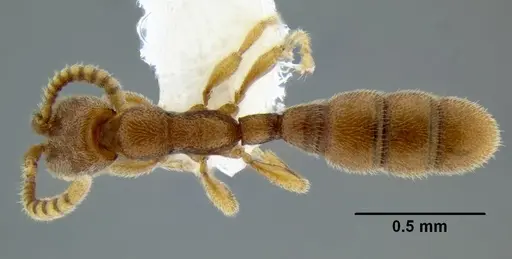
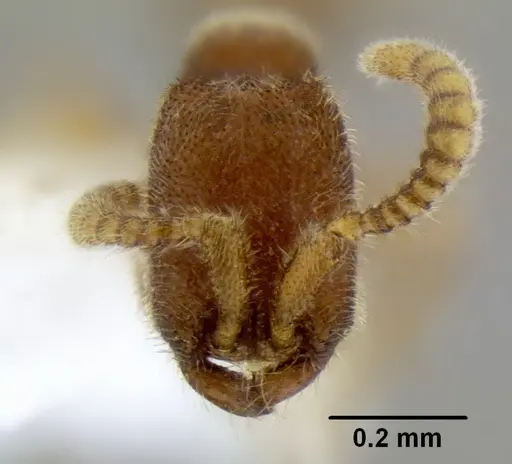
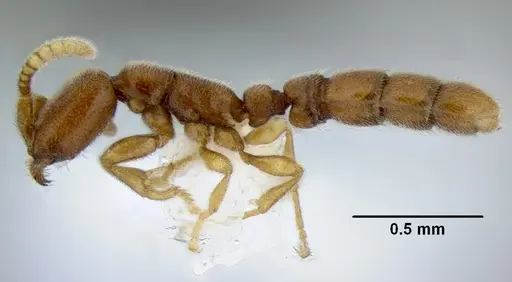
CASENT0234616
View on AntWeb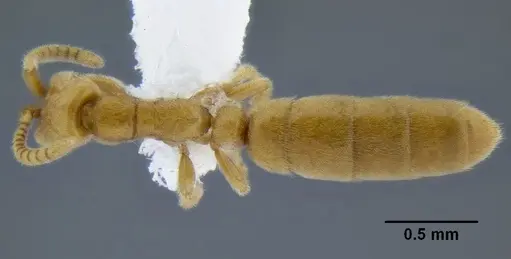
Literature
Loading...Loading products...