

Leptanilloides amazonus
- Scientific Name
- Leptanilloides amazonus
- Subfamily
- Dorylinae
- Author
- Brandão <i>et al.</i>, 1999
- Distribution
- Found in 1 countries
Leptanilloides amazonus Overview
Leptanilloides amazonus is an ant species of the genus Leptanilloides. It is primarily documented in 1 countries , including Brazil. Detailed taxonomic data and occurrence records can be further explored via authoritative databases such as AntWeb or the Global Biodiversity Information Facility (GBIF).
Leptanilloides amazonus
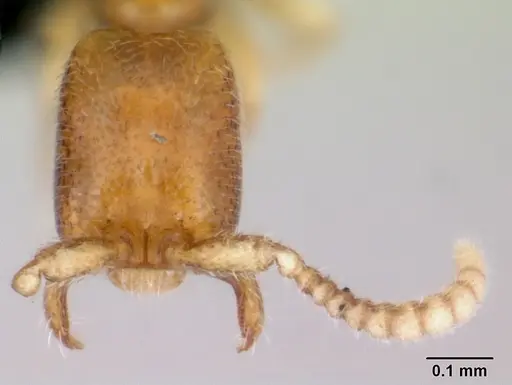
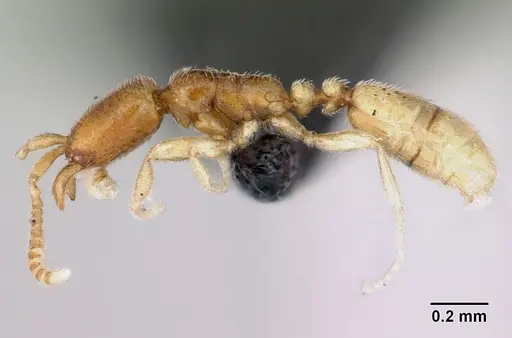
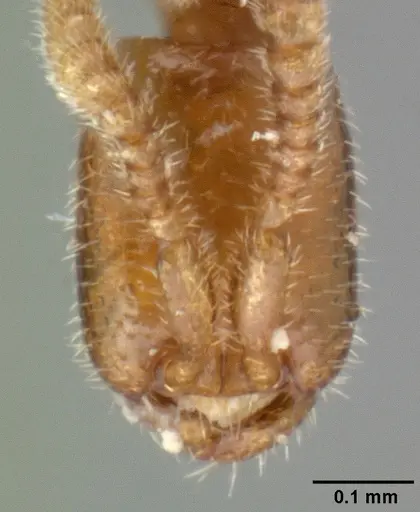
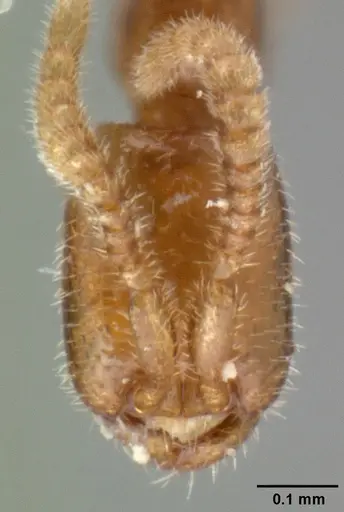
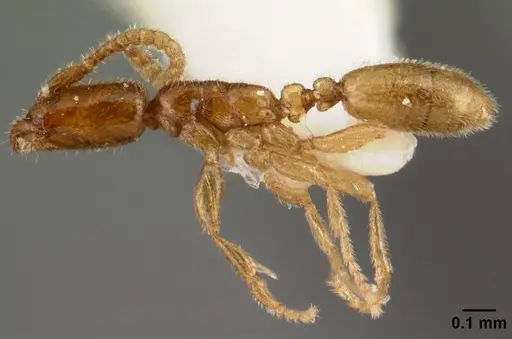
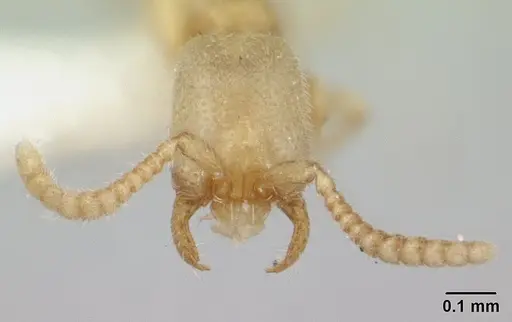
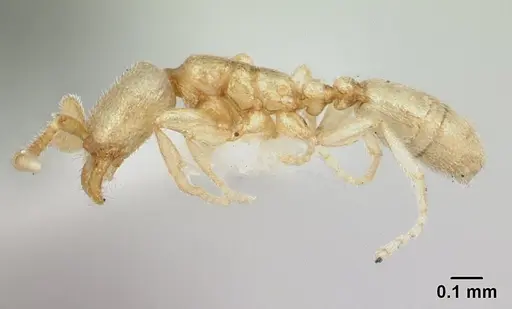
Leptanilloides amazonus is an extremely rare Neotropical ant species known only from workers collected in soil samples from the Amazon rainforest near Manaus, Brazil. Workers are tiny, measuring just 0.41-0.46mm in body length, with a distinctive head shape, flat dorsal thorax, and clearly defined propodeal declivity. The genus Leptanilloides is a worker-based genus, meaning queens and males have never been scientifically described. This species was originally described as Leptanilloides amazonus in 1999 before being transferred to Leptanilloides in 2016. These ants inhabit lowland Amazon rainforest and remain one of the most poorly studied ants in the world, with virtually no captive care information available [1][2].
Quick Summary
- Difficulty: Expert
- Origin & Habitat: Lowland Amazon rainforest near Manaus, Brazil (Amazonas state). Collected from soil samples in tropical lowland primary forest at the ZF 23 Road, km 28,in the Reserva 1202 area [1][2].
- Colony Type: Unknown, only workers have been described. No queens, males, or colony structures have been documented. The colony type (monogyne/polygyne) is unconfirmed.
- Size & Growth:
- Queen: Unknown, queens have never been described [1].
- Worker: 0.41-0.46mm WL (Weber's length), with head length 0.35mm and head width 0.27-0.28mm [2].
- Colony: Unknown, only 8 workers total have ever been collected and documented [1][2].
- Growth: Unknown
- Development: Unknown, no development data exists for this species. Based on typical Dorylinae patterns, development likely takes 4-8 weeks at tropical temperatures, but this is entirely estimated. (No direct data exists. Dorylinae army ants typically have fast development, but Leptanilloides may have different biology.)
- Antkeeping:
- Temperature: Unknown, no thermal studies exist. Based on lowland Amazon habitat, keep warm at 24-28°C with stable humidity. This is an estimate based on habitat, not direct research.
- Humidity: Unknown, no humidity data exists. As lowland rainforest ants, they likely require high humidity (70-85%) similar to other Amazonian soil-dwelling ants. Keep substrate consistently moist but not waterlogged.
- Diapause: Unknown, no seasonal data exists. Amazon lowland species typically do not enter true diapause but may show reduced activity during drier periods.
- Nesting: Unknown, no natural nesting observations exist. Based on collection method (soil samples) and related Dorylinae, they likely nest in soil or rotting wood. In captivity, a tight, humid setup like a plaster nest or test tube setup with moist substrate would be appropriate starting points.
- Behavior: Completely unstudied. No behavioral observations have been published. Based on genus placement in Dorylinae (army ant subfamily), they may show some army ant-like behaviors such as group foraging or nomadic colony movement, but this is speculative. Escape prevention is critical given their tiny size, they can likely squeeze through extremely small gaps. Sting capability exists (venom apparatus described in original description) but sting effects on humans are unknown and likely minimal given their minute size [2].
- Common Issues: this species is virtually unknown in captivity, no established husbandry protocols exist, only a handful of workers have ever been collected, making wild colony acquisition extremely unlikely, no queens have ever been described, making captive breeding essentially impossible, their tiny size creates extreme escape risks and makes them difficult to maintain, no dietary information exists, their exact food preferences are completely unknown, the species may have specialized biology that differs from typical ants, making general advice unreliable
Species Overview and Identification
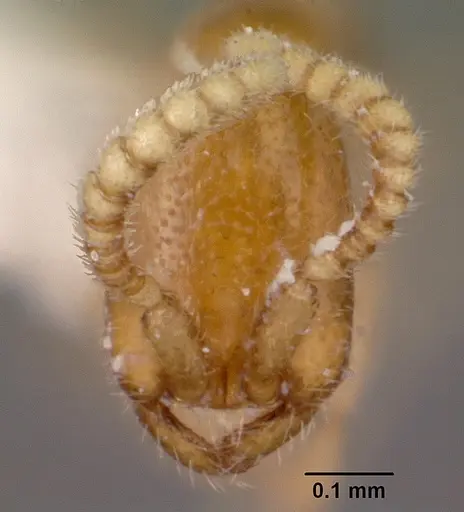
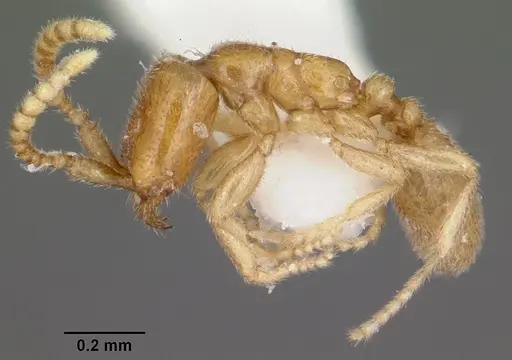
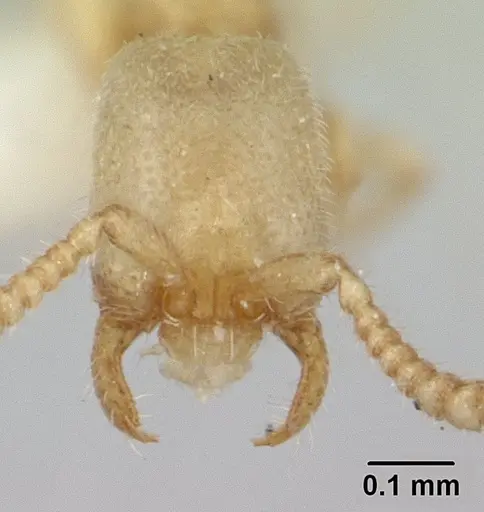
Leptanilloides amazonus is one of the rarest and most poorly documented ant species in the world. Originally described in 1999 as Leptanilloides amazonus (the genus name was changed in 2016), this species is known only from eight worker specimens collected over two decades ago. The type series comes from soil samples taken in the Amazon rainforest near Manaus, Brazil, in the ZF 23 Road area within the Reserva 1202. Workers are tiny, measuring just 0.41-0.46mm in Weber's length, making them among the smallest ants in the subfamily Dorylinae. The species can be identified by its distinctive head shape in full-face view, flat dorsal thorax, and clearly defined propodeal declivity. The genus Leptanilloides is considered a 'worker-based genus', meaning scientists have never documented the queens or males that would be needed to fully understand this species' biology [1][2].
Why This Species is Not Recommended for Keepers
Leptanilloides amazonus is not a species that can be responsibly kept in captivity. There are several critical reasons for this. First, only eight workers have ever been documented in scientific literature, all collected from soil samples in 1993 and 1998, no wild colonies have been observed or collected in over 25 years. Second, no queens have ever been described or collected. Without queens, captive breeding is impossible, and any ants in captivity would be wild-caught workers that cannot establish a colony. Third, absolutely no biological or husbandry information exists, we don't know what they eat, how they nest, their temperature preferences, or any basic care requirements. Fourth, their extremely tiny size (under 0.5mm) would make them incredibly difficult to house and maintain even if care information existed. This species exists primarily as museum specimens and should remain there, attempting to keep them would be both unethical (removing from extremely rare populations) and practically impossible (no established protocols, no queens available) [1][2].
What We Don't Know
The scientific knowledge gap for Leptanilloides amazonus is essentially total. We do not know: the queen morphology or size, how colonies are structured (monogyne vs polygyne), founding behavior (claustral vs semi-claustral), development timeline from egg to worker, diet preferences, natural nesting sites, predator/prey relationships, nuptial flight timing, or any aspect of their behavior. The original 1999 description focused entirely on worker morphology, including detailed measurements of body parts and the venom apparatus. Subsequent research in 2009 confirmed the species' distribution in lowland Amazon rainforest but added no biological information. DNA extraction attempts failed due to the specimens being preserved in low-concentration ethanol. This species represents a 'black box' of ant biology, virtually every question a keeper would have is unanswered by science [1].
Related Species and Comparative Biology
Leptanilloides belongs to the subfamily Dorylinae, which includes army ants and other specialized predators. However, the genus Leptanilloides is unusual within Dorylinae because it contains species that appear to be cryptic soil-dwellers rather than the surface-active swarm hunters typical of army ants. The related genus Amyrmex was transferred from Dolichoderinae to Leptanilloidinae in 2009,showing that this group remains poorly understood taxonomically. Other species in the genus Leptanilloides are similarly rare in collections, suggesting the entire genus may contain cryptic, soil-dwelling species that are rarely encountered even by professional ant collectors. The collection method (Berlese soil samples) indicates these ants live deep in the soil profile rather than in obvious nests. Any comparative biology must be inferred from related genera, but such inference has limited practical value for husbandry [1].
Frequently Asked Questions
Can I keep Leptanilloides amazonus as a pet?
No. This species should not be kept in captivity. Only eight workers have ever been documented in scientific literature, no queens have ever been described, and no husbandry information exists. Any specimens would need to be wild-caught from extremely rare populations, and without a queen, a colony cannot be established or maintained.
Where does Leptanilloides amazonus live?
This species is known only from lowland Amazon rainforest near Manaus, Brazil, in the Amazonas state. Specimens have been collected from soil samples in the ZF 23 Road area, approximately 28-70km north of Manaus, at the Reserva 1202 site.
How big are Leptanilloides amazonus workers?
Workers are extremely tiny, measuring just 0.41-0.46mm in Weber's length (a standard ant body measurement). For comparison, many common house ants are 10-20 times larger. Their head length is only 0.35mm and head width is 0.27-0.28mm.
Why are there no queens for Leptanilloides amazonus?
Queens (and males) have never been collected or described for this species. This is not unusual for rare, cryptic ant species, the workers are what scientists typically find in soil samples. The genus is considered 'worker-based' because only worker morphology has been documented. Finding queens would require either discovering a colony or catching dealate queens in nuptial flights, neither of which has happened in over 25 years of research.
What do Leptanilloides amazonus eat?
Unknown. No dietary observations exist. As members of the Dorylinae subfamily, they may be predatory like army ants, but this is entirely speculative. Without knowing what they eat, captive maintenance is impossible.
How long do Leptanilloides amazonus live?
Unknown. No lifecycle data exists for this species. Even basic information like development time from egg to worker is completely unstudied.
Is Leptanilloides amazonus endangered?
We don't know. No population studies or conservation assessments exist. The species is known from only two collection events spanning five years, making it impossible to determine population status. The Amazon habitat faces ongoing deforestation pressures, which could threaten whatever populations exist.
Can I breed Leptanilloides amazonus in captivity?
No. Breeding is impossible because no queens have ever been documented or collected. Without a queen, there is no way to establish a reproducing colony. Even if queens were somehow obtained, no one knows the conditions required for successful founding and development.
What is the closest species I can keep that's similar to Leptanilloides amazonus?
If you're interested in rare, cryptic Dorylinae ants, consider better-documented species in genera like Leptanilla or Leptanilloides from other regions with more available care information. However, most rare soil-dwelling ants have similar knowledge gaps. For a realistic antkeeping experience, choose well-documented species with established husbandry protocols, this species represents a scientific curiosity rather than a viable keeping project.
References

This caresheet is licensed under CC BY-SA 4.0 .
CASENT0006815
View on AntWeb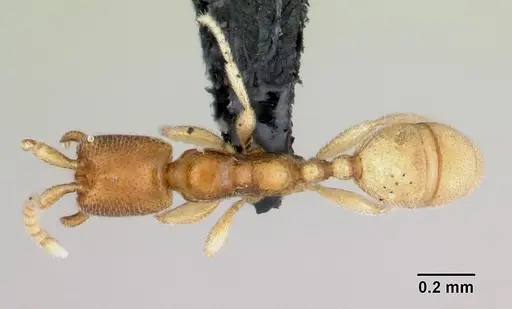
CASENT0101449
View on AntWeb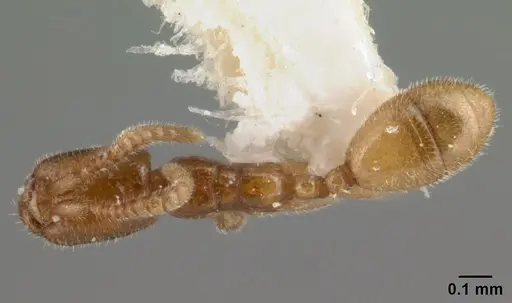
CASENT0104669
View on AntWeb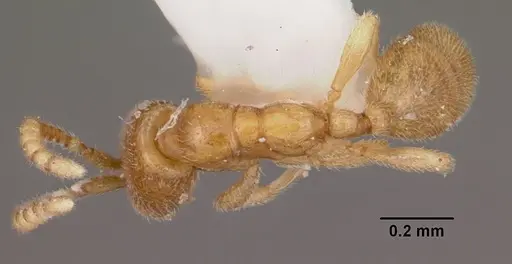
CASENT0178867
View on AntWeb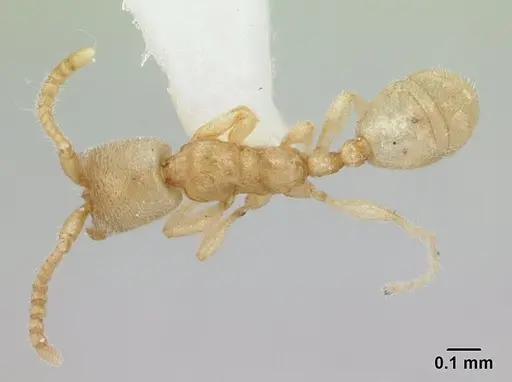
Literature
Loading...Loading products...