

Leptanilla nana
- Scientific Name
- Leptanilla nana
- Tribe
- Leptanillini
- Subfamily
- Leptanillinae
- Author
- Santschi, 1915
- Distribution
- Found in 1 countries
Leptanilla nana Overview
Leptanilla nana is an ant species of the genus Leptanilla. It is primarily documented in 1 countries , including Tunisia. Detailed taxonomic data and occurrence records can be further explored via authoritative databases such as AntWeb or the Global Biodiversity Information Facility (GBIF).
Leptanilla nana
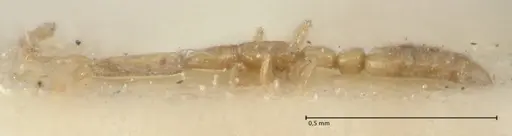
Leptanilla nana is a minute ant species native to Tunisia in North Africa, making it one of the smallest ant species in the world. Workers measure a mere 1.5-2mm, barely visible to the naked eye as more than a moving speck. The species was first described by Santschi in 1915 from specimens collected in Kairouan, Tunisia. Like other members of the genus Leptanilla, this species belongs to the subfamily Leptanillinae, a group of subterranean ants that spend most of their lives underground, rarely appearing on the surface. They are part of the 'Group III' small species cluster within the genus, characterized by specific morphological features including a protruding clypeus and four teeth on the mandible [1][2].
What makes Leptanilla nana particularly challenging for antkeepers is how little we know about its biology. This is a truly subterranean species, you won't find it foraging on the surface or building visible nests. Specimens have been obtained through specialized underground sampling techniques, suggesting they live deep in soil or within rock crevices [3]. The genus as a whole is known for being predatory on soil micro-arthropods like springtails and mites, but specific feeding behavior for this species has never been documented. For antkeepers, this represents both a challenge and a unique opportunity to work with one of the most enigmatic ant groups in existence.
Quick Summary
- Difficulty: Expert
- Origin & Habitat: Tunisia in the Palaearctic Region. This species inhabits the semi-arid to arid regions of central Tunisia, specifically documented from the Kairouan area. They live subterranean lives in soil, typically found deep in the ground or within rock crevices where conditions are more stable [4][5].
- Colony Type: Unknown. The colony structure of Leptanilla nana has never been documented. Based on related Leptanilla species, they likely have single-queen colonies, but this is entirely unconfirmed for this specific species.
- Size & Growth:
- Queen: Unknown, queen has never been described scientifically [6].
- Worker: Approximately 1.5-2mm based on genus patterns for Group III small species [1][2].
- Colony: Unknown, no colony size data exists. Related Leptanilla species typically have colonies of just dozens to a few hundred workers.
- Growth: Unknown, no development data exists.
- Development: Unconfirmed, no development data exists for this species. Based on related Leptanilla species, development likely takes several months at optimal temperatures. (All development data is unconfirmed. This species has never been kept in captivity to our knowledge.)
- Antkeeping:
- Temperature: Unconfirmed. Based on the Tunisian habitat and related species, they likely tolerate temperatures in the low-to-mid 20s°C (around 22-26°C). However, being subterranean, they probably prefer stable, cool conditions and may be sensitive to temperature fluctuations. Start around 22-24°C and observe colony behavior [estimated].
- Humidity: Unconfirmed. Being subterranean, they likely require high humidity in the nest chamber, think damp soil conditions. The arid surface conditions of Tunisia contrast with the more stable, moist underground environment they inhabit. Keep the nest substrate consistently moist but not waterlogged [estimated].
- Diapause: Unknown. Tunisia has mild winters, so a true diapause may not be required. However, related temperate Leptanilla species likely have a winter rest period. Monitor colony activity and reduce temperatures slightly during winter months if the colony shows reduced activity [estimated].
- Nesting: This species requires a naturalistic or soil-based setup, standard test tubes or acrylic nests are completely unsuitable for these tiny, subterranean ants. They need a deep soil chamber or a custom setup that allows them to create their own tunnels. A Y-tong or plaster nest with a soil chamber works best. The nest must have excellent escape prevention despite their small size, they can squeeze through remarkably tiny gaps [estimated].
- Behavior: Behavior is entirely unobserved in captivity. Based on genus patterns, Leptanilla nana is likely predatory on soil micro-arthropods like springtails and mites. They probably forage underground rather than on the surface. Workers are extremely small and fragile. Escape prevention must be excellent, their minute size means they can escape through gaps invisible to the human eye. Aggression levels are unknown but likely low compared to surface-dwelling ants, as they are specialized predators rather than defenders of territory [estimated].
- Common Issues: no captive husbandry information exists, this species has never been documented in the antkeeping hobby, extreme small size makes feeding difficult, standard ant foods are too large, requires culturing micro-prey like springtails, subterranean lifestyle means you will rarely see the ants, they spend most of their time underground, escape prevention is critical, they can squeeze through gaps smaller than 0.5mm, no information on colony founding or queen behavior, may be difficult to establish from wild-caught queens
Why Leptanilla nana Is So Challenging
Leptanilla nana represents one of the most difficult ant species to keep because virtually nothing is known about its captive care. Unlike common species like Camponotus or Lasius where decades of hobbyist experience exist, this species has never been documented in the antkeeping literature. The genus Leptanilla is among the least studied of all ant genera, and L. nana specifically has only been known from a handful of museum specimens collected decades ago [5][4]. The primary challenge is that we must extrapolate care requirements from related species and genus patterns, but even that data is sparse. These are not ants you can simply purchase and set up in a standard nest, they require specialized setups and significant expertise with subterranean ant species. If you're interested in keeping Leptanilla, expect a steep learning curve with no safety net of established husbandry protocols.
The subterranean lifestyle adds another layer of complexity. Unlike ants that nest in visible locations and forage openly, Leptanilla species live underground and are rarely seen even in their natural habitat. This means you won't observe typical ant behaviors like foraging, territorial defense, or nuptial flights. Your colony will essentially be invisible most of the time, making it difficult to assess their health or needs. The extreme small size, workers are barely visible as moving specks, compounds these challenges. Standard feeding methods won't work, you'll need to culture appropriately sized live prey and develop creative ways to deliver food to underground chambers.
Housing and Nest Setup
Standard ant keeping equipment is completely unsuitable for Leptanilla nana. Test tubes, acrylic nests, and Y-tongs are all too large and exposed for these subterranean specialists. You need a naturalistic setup with actual soil or a deeply recessed chamber where the ants can remain hidden. The best approach is a custom-built soil chamber or a modified naturalistic formicarium that provides at least 5-10cm of substrate depth. The chamber should be dark most of the time, these ants avoid light and will not thrive in brightly lit setups.
The substrate should be a well-draining soil mix that holds moisture without becoming waterlogged. A mix of fine sand and peat or coco fiber works well. The key is maintaining consistent humidity in the substrate while allowing some drying between waterings. Because they live underground, the moisture needs to be in the soil itself, not just in a water reservoir. You'll need to monitor substrate moisture carefully and water accordingly, rather than relying on a fixed reservoir system. Escape prevention is absolutely critical, these ants are so small they can escape through gaps less than 0.5mm, which is smaller than the thickness of a credit card. All connections, lids, and barriers must be absolutely tight. Fine mesh (at least 0.5mm or smaller) should be used on any ventilation holes. [3]
Feeding and Nutrition
Feeding Leptanilla nana presents a unique challenge due to their minute size. Based on genus patterns, these ants are predatory on soil micro-arthropods, primarily springtails (collembola), but also tiny mites, nematodes, and other microscopic invertebrates found in soil. Standard ant foods like mealworms, crickets, and honey are completely inappropriate, the prey items are enormous compared to these ants. You will need to culture your own live springtail colony and potentially other micro-prey to sustain a Leptanilla colony.
Springtail cultures are readily available from pet stores and online suppliers. Offer small amounts of live springtails directly onto the substrate near where you believe the ants are foraging. The springtails should be smaller than 1mm if possible. You may need to observe with magnification to confirm feeding is occurring. Do not offer sugar water or honey, while some Leptanilla species may occasionally consume honeydew or nectar, this is unconfirmed for L. nana and the prey-based diet is likely essential. Feed small amounts of prey every few days, removing any uneaten prey after 24-48 hours to prevent mold. The colony's consumption rate will be minimal given their small size and likely small worker population.
Understanding the Subterranean Lifestyle
To successfully keep Leptanilla nana, you must understand what makes subterranean ants different from their surface-dwelling cousins. These ants have evolved to live in stable underground environments where temperature and humidity remain constant, light is absent, and food comes from soil-dwelling prey rather than surface sources. Their eyes are reduced or absent, their cuticle is pale and soft, and they move slowly through soil crevices rather than running openly on surfaces.
This lifestyle means your husbandry approach must be completely different. Rather than watching your ants forage and interact, you will need to infer their status from subtle signs: prey consumption, tunnel construction activity, and occasional workers appearing at the chamber edges. A naturalistic setup with a one-way viewing panel can help, but expect to see very little of your ants. The key to success is providing stable conditions: consistent temperature (avoid placing the nest near windows or heating/cooling vents), consistent humidity (check substrate moisture regularly), and minimal disturbance. These ants are not display ants, they are a study in patience and subtle observation. The reward is keeping one of the most obscure and rarely-kept ant species in existence. [3]
Acquiring This Species
Leptanilla nana is not a species you will find for sale from commercial ant keepers. It has never been documented in the antkeeping hobby, and wild colonies have never been successfully collected and maintained to our knowledge. The only known specimens are a handful of workers in museum collections, collected decades ago in Tunisia [5]. If you are determined to keep this species, your only option would be to collect from the wild in Tunisia, which requires significant effort, permits, and expertise in subterranean ant collection methods.
The collection methods used by researchers include 'lavage de terre', a technique where soil is washed through fine meshes to extract tiny invertebrates [3]. This is not practical for ant keeping. Alternatively, you might carefully excavate soil from likely habitats in Tunisia, but the odds of finding a Leptanilla colony are extremely low given their rarity and subterranean nature. For most ant keepers, it is far more practical to work with related but better-documented species. If you're interested in the Leptanilla genus, consider Leptanilla species that have been kept by more experienced hobbyists, or explore other subterranean ant groups like certain Ponerinae or Dorylinae that have more established care protocols.
Frequently Asked Questions
Can I keep Leptanilla nana in a test tube?
No. Test tubes are completely unsuitable for this species. Leptanilla nana is a subterranean ant that requires soil or deep substrate to live in. They cannot survive in exposed, artificial nests. You would need a naturalistic setup with actual soil and a chamber depth of at least 5-10cm.
How long until first workers in Leptanilla nana?
Unknown. No development data exists for this species. Based on related Leptanilla species, development from egg to worker likely takes several months, but this is entirely an estimate with no scientific backing.
What do Leptanilla nana eat?
Based on genus patterns, they are predatory on soil micro-arthropods, primarily springtails. Standard ant foods are too large. You would need to culture live springtails smaller than 1mm to feed them.
Are Leptanilla nana good for beginners?
No. This species is absolutely not suitable for beginners. In fact, it is not suitable for anyone except expert antkeepers with specific experience in subterranean species. There is no captive care information, no established protocols, and the species has never been documented in the antkeeping hobby.
Do Leptanilla nana need hibernation?
Unknown. Tunisia has mild winters, so a true diapause may not be required. However, being subterranean, they likely experience cooler temperatures during winter months. Monitor your colony and reduce temperatures slightly during winter if activity decreases.
Can I keep multiple queens together?
Unknown. The colony structure of this species has never been documented. No information exists about whether they are single-queen or multi-queen colonies. Do not attempt combining unrelated queens, there is no data to support this.
How big do Leptanilla nana colonies get?
Unknown. No colony size data exists for this species. Based on related Leptanilla species, colonies likely reach only dozens to a few hundred workers, not the thousands seen in larger ant genera.
Do Leptanilla nana sting?
Unknown. Given their extreme small size, any sting would be negligible even if present. These are not defensive ants and would not be capable of stinging humans.
Where can I buy Leptanilla nana?
You cannot. This species is not available from any commercial ant keeper. It has never been documented in the antkeeping hobby and no one is currently keeping or selling it. The only known specimens are in museum collections.
What temperature do Leptanilla nana need?
Unconfirmed. Based on the Tunisian habitat and related species, they likely tolerate temperatures in the low-to-mid 20s°C (around 22-26°C). However, being subterranean, they probably prefer stable, cooler conditions. Start around 22-24°C and observe colony behavior.
Why can't I find any information about keeping this ant?
Leptanilla nana is one of the least studied ant species in the world. It has only been known from a handful of museum specimens collected in 1915 and a few subsequent records. No researcher or ant keeper has ever documented keeping this species in captivity. The genus Leptanilla as a whole is poorly understood due to their subterranean lifestyle.
Is Leptanilla nana endangered?
Unknown. No population data exists for this species. They are known only from a few museum specimens from Tunisia, but this may reflect collection difficulty rather than true rarity. No conservation assessment has been made.
References

This caresheet is licensed under CC BY-SA 4.0 .
CASENT0911451
View on AntWeb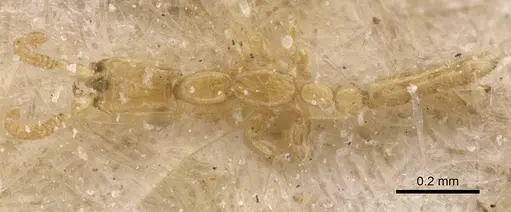
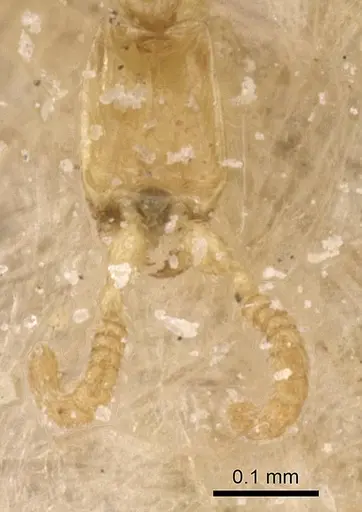
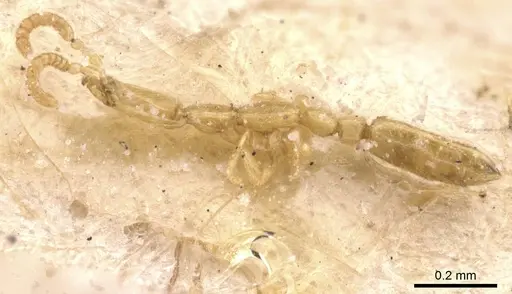
FOCOL1120
View on AntWeb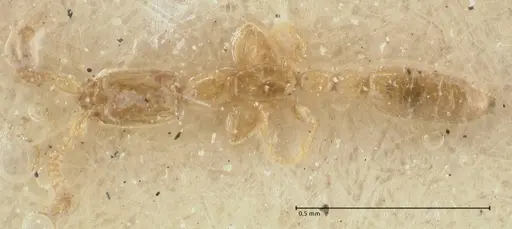
Literature
Loading...Loading products...