

Leptanilla minuscula
- Scientific Name
- Leptanilla minuscula
- Tribe
- Leptanillini
- Subfamily
- Leptanillinae
- Author
- Santschi, 1907
- Distribution
- Found in 1 countries
Leptanilla minuscula Overview
Leptanilla minuscula is an ant species of the genus Leptanilla. It is primarily documented in 1 countries , including Tunisia. Detailed taxonomic data and occurrence records can be further explored via authoritative databases such as AntWeb or the Global Biodiversity Information Facility (GBIF).
Leptanilla minuscula
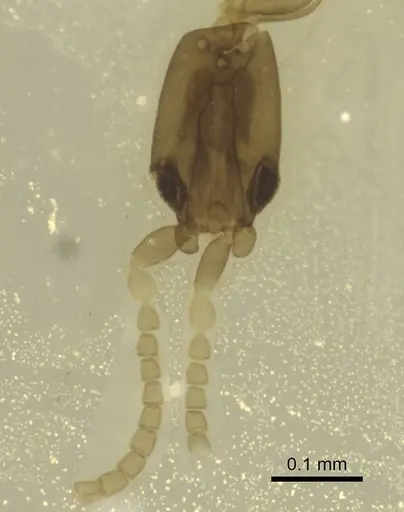
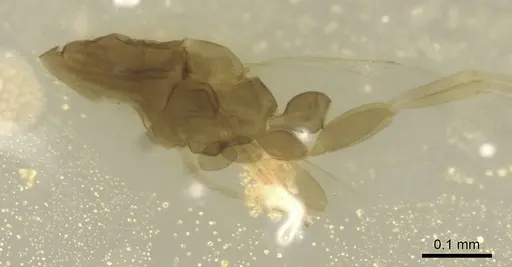
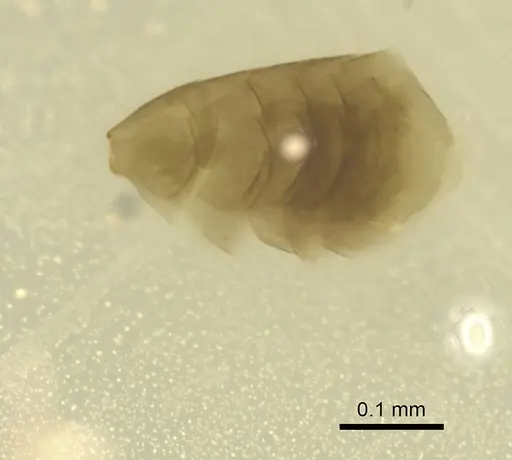
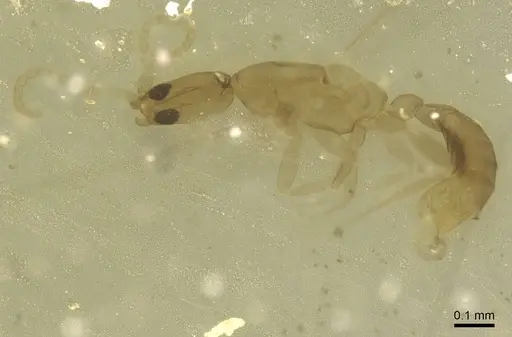
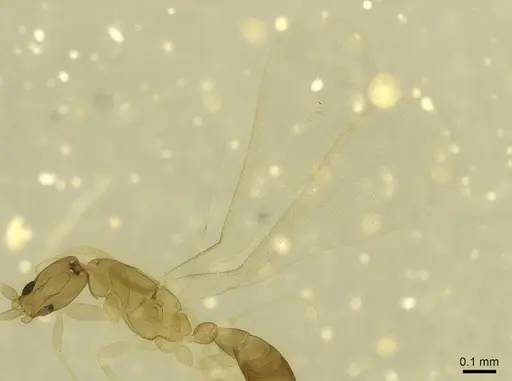
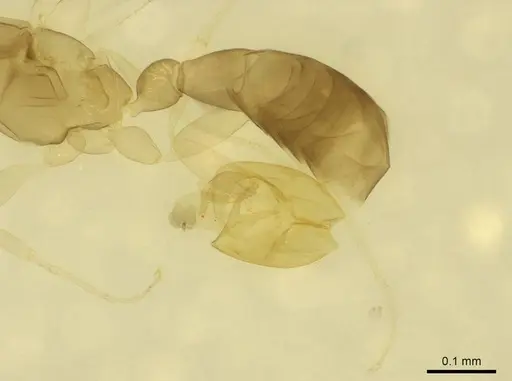
Leptanilla minuscula is an extremely rare and cryptic ant species known only from Tunisia in North Africa. Only the male has ever been described, the workers remain unknown to science. The genus Leptanilla contains some of the smallest ants in the world, typically measuring just 1-2mm. These are subterranean ants that live underground and are rarely encountered. The species was first described by Santschi in 1907 from specimens collected near Kairouan, Tunisia. The name 'minuscula' means 'very small' in Latin, reflecting the minute size of these ants. This is one of the most poorly known ant species in the world, with virtually no information available on its workers, colony structure, or behavior in the wild.
Quick Summary
- Difficulty: Expert
- Origin & Habitat: Known only from Tunisia in the Palaearctic region, specifically from the Kairouan area. Nothing is known about their natural habitat preferences since only males have ever been collected [1][2].
- Colony Type: Unknown, only males have been described. The colony structure, whether single-queen or multi-queen, has never been documented.
- Size & Growth:
- Queen: Unknown, only males have been described [2]
- Worker: Unknown, workers have never been described
- Colony: Unknown, colonies have never been observed
- Growth: Unknown
- Development: Unknown (Development timeline is unconfirmed, no colonies have ever been observed)
- Antkeeping:
- Temperature: Unknown for this species. Based on other Leptanilla species and Tunisia's climate, likely tolerates temperatures in the low-to-mid 20s°C range. No specific data exists.
- Humidity: Unknown. Most Leptanilla species are subterranean and likely prefer moderate humidity. No specific data exists for this species.
- Diapause: Unknown, no colony observations have ever been documented
- Nesting: Unknown, no natural nesting observations exist. Based on genus patterns, likely nests in soil or rotting wood underground.
- Behavior: Behavior is completely unobserved. The genus Leptanilla is known for being extremely cryptic, subterranean, and rarely collected. Males are attracted to light, which is how the type specimens were collected. Workers, if discovered, would likely be predatory on small soil arthropods.
- Common Issues: this species cannot be kept in captivity, workers have never been described and no colonies have ever been observed, only known from a handful of male specimens collected over 100 years ago, no captive breeding or husbandry information exists for this or related species, the extreme rarity means no specimens are available for antkeeping
Why This Species Cannot Be Kept
Leptanilla minuscula is NOT a species that can be kept in captivity. This is not a matter of difficulty, it is simply impossible. The workers of this species have never been described by science. No one has ever observed a colony. The only known specimens are a handful of male ants collected in Tunisia over 100 years ago. Without workers, there is no way to establish a colony in captivity. Even if workers were somehow discovered in the wild, we have no information about their biology, diet, or care requirements. This is a species for myrmecologists studying taxonomy, not for antkeepers. [2][1]
What We Know About the Genus Leptanilla
While L. minuscula itself is mysterious, the genus Leptanilla gives us some general clues. These are among the smallest ants in the world, typically 1-2mm. They are subterranean, meaning they live underground and rarely come to the surface. They are predatory, likely hunting small soil arthropods like springtails and mites. Males are occasionally collected at light sources, which is how the original specimens of L. minuscula were found. The genus is known from scattered locations across the Old World, but colonies are almost never observed. This lifestyle makes them extremely difficult to study and impossible to keep.
Taxonomic History
Leptanilla minuscula was described by Felix Santschi in 1907 from male specimens collected in Tunisia. The type locality is Kairouan in central Tunisia. Santschi also described several other Leptanilla species from Tunisia around the same time (L. tenuis, L. tanit, L. exigua). Later researchers examining these specimens found that they were often in poor condition, mounted in balsam between cover glasses, making detailed study difficult. The taxonomy of this group remains confused, and fresh specimens are needed to properly revise the species. The workers of L. minuscula have never been associated with the males. [2]
Related Species That Might Be Keepable
If you're interested in keeping small, cryptic ants similar to Leptanilla, you would be better served by looking at other genera. Leptanilloides is a related genus (also in Leptanillinae) that is slightly better known. However, most Leptanillinae species are extremely difficult to keep due to their subterranean habits and specialized biology. For beginner-friendly small ants, consider instead Stenamma, Solenopsis minima, or Strumigenys species, which are more established in the hobby. These have documented care requirements and can be obtained from reputable suppliers.
Frequently Asked Questions
Can I keep Leptanilla minuscula in captivity?
No. This species cannot be kept because workers have never been described. No one has ever observed a colony. Without workers, there is no way to establish a captive colony.
What do Leptanilla minuscula workers look like?
We don't know. Workers of this species have never been described or observed. Only males have been collected and described by scientists.
Where does Leptanilla minuscula live?
Only known from Tunisia, specifically the Kairouan area. The species has never been found anywhere else.
What do Leptanilla minuscula eat?
Unknown. Based on the genus, they are likely predatory on small soil arthropods, but no direct observations exist for this species.
How big do Leptanilla minuscula colonies get?
Unknown. Colonies have never been observed. Even the maximum colony size for the genus Leptanilla is poorly documented.
Are there similar ants that can be kept?
Leptanilla species cannot be kept, but other small subterranean ants like Leptanilloides, Stenamma, or Strumigenys may be options. These have documented care requirements and are occasionally available.
Why is so little known about this ant?
Leptanilla ants are extremely cryptic and subterranean. They live underground, rarely come to the surface, and are almost never collected. Males are occasionally found at lights, but workers are almost never observed. This makes them one of the most difficult ant groups to study.
When was Leptanilla minuscula discovered?
Described by Santschi in 1907 from male specimens collected in Tunisia. Over 100 years later, we still know almost nothing about this species.
References

This caresheet is licensed under CC BY-SA 4.0 .
Literature
Loading...Loading products...