

Leptanilla havilandi
- Scientific Name
- Leptanilla havilandi
- Tribe
- Leptanillini
- Subfamily
- Leptanillinae
- Author
- Forel, 1901
- Distribution
- Found in 1 countries
Leptanilla havilandi Overview
Leptanilla havilandi is an ant species of the genus Leptanilla. It is primarily documented in 1 countries , including Singapore. Detailed taxonomic data and occurrence records can be further explored via authoritative databases such as AntWeb or the Global Biodiversity Information Facility (GBIF).
Leptanilla havilandi
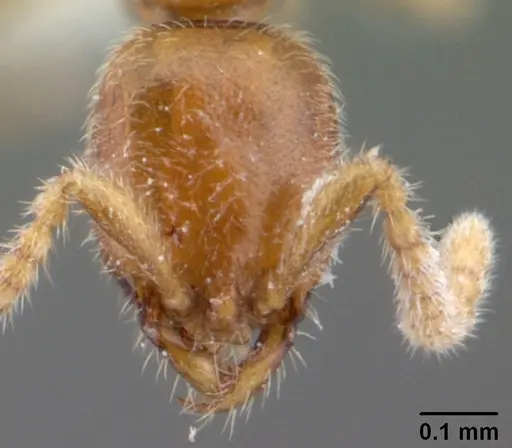
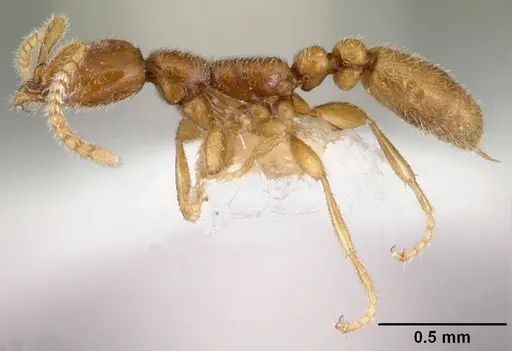
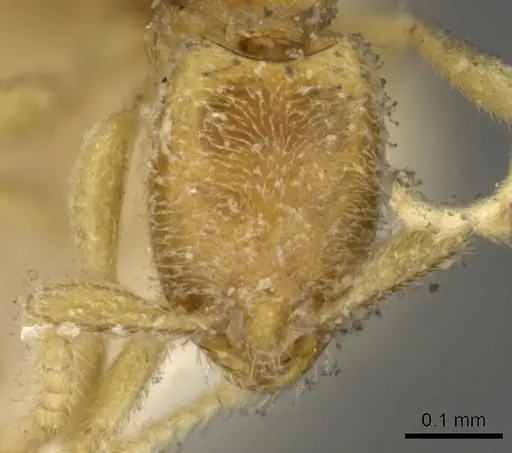
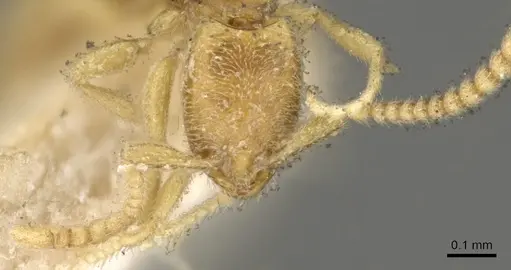
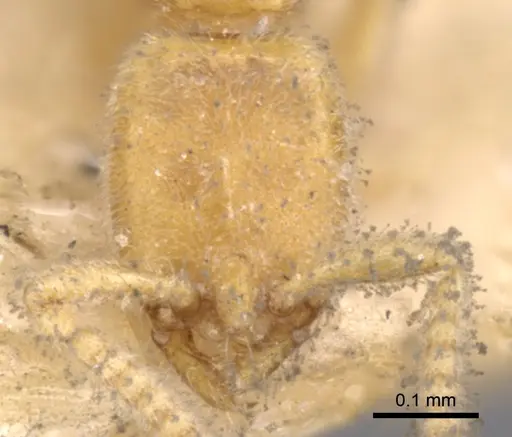
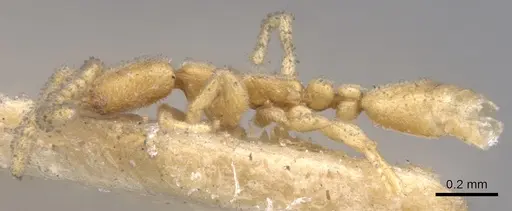
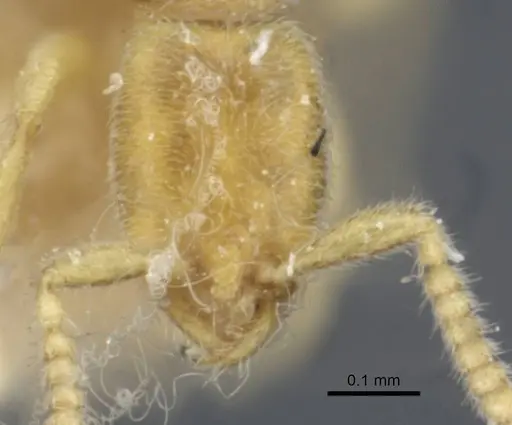
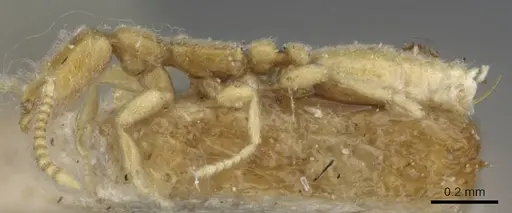
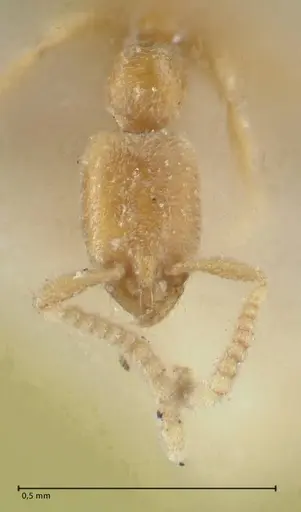
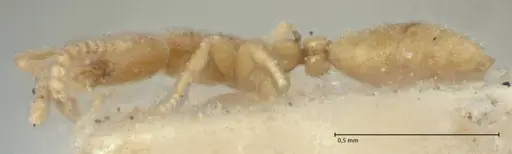
Leptanilla havilandi is an extremely rare subterranean ant species known only from Singapore, where it was first described in 1901. Workers are among the smallest of all ants, measuring just 1-2mm with a head width around 0.245mm [1][2]. They have distinctive morphological features including mandibles with three teeth, a bilobed clypeus, and body covered in either short or long hairs [1]. This species belongs to the Leptanillinae subfamily, a group of cryptic, underground-dwelling ants rarely encountered by collectors. The genus Leptanilla is known for its specialized predatory behavior, hunting the brood of other ants in their underground chambers.
Quick Summary
- Difficulty: Expert
- Origin & Habitat: Singapore, only known location. These ants live subterranean lives in tropical forest environments, nesting in soil or rotting wood [3].
- Colony Type: Single-queen colonies (monogyne). Colonies are very small, likely under 100 workers given the genus pattern.
- Colony: Monogyne
- Founding: Claustral
- Size & Growth:
- Queen: Estimated 3-4mm based on genus patterns
- Worker: 1-2mm with head width ~0.245mm [1][2]
- Colony: Likely under 100 workers, Leptanilla species typically have small colonies
- Growth: Unknown, likely slow given specialized predatory lifestyle
- Development: Unknown, estimate 6-10 weeks based on related Leptanillinae (No direct development data exists for this species. Estimates based on genus-level patterns for small tropical ants.)
- Antkeeping:
- Temperature: Keep warm at 24-28°C, Singapore is tropical and these ants likely prefer stable warmth
- Humidity: High humidity required, they live in subterranean environments. Keep nest substrate consistently moist but not waterlogged.
- Diapause: Unlikely, Singapore has no winter, so diapause is not required
- Nesting: Use test tubes or Y-tong nests with moist substrate. These are tiny, subterranean ants that need tight, humid chambers. Avoid large open spaces.
- Behavior: Extremely cryptic and rarely seen. Workers are hypogeic (ground-dwelling) and likely forage underground. No sting documented but given their tiny size, any sting would be negligible. Escape prevention is critical due to their minute size, they can squeeze through the tiniest gaps.
- Common Issues: tiny size makes escape likely without fine mesh barriers, very small colony sizes mean colonies are fragile and slow to recover from losses, specialized diet requirements make them difficult to feed, need live ant brood or micro-arthropods, limited distribution means wild colonies are extremely rare to find, lack of documented care information makes successful keeping challenging
Why Leptanilla havilandi Is So Challenging
This species represents one of the most difficult antkeeping challenges available. Leptanilla havilandi is known only from Singapore and was not recorded there for over a century after its initial discovery [3]. The entire Leptanilla genus consists of cryptic, subterranean ants that rarely appear on the surface, making them extraordinarily difficult to find and study. Workers are among the smallest ants in existence, with head widths around 0.245mm, smaller than many springtails and mites that might serve as their prey. Beyond their tiny size, these ants have specialized predatory habits, hunting the brood of other ants underground. This means they cannot thrive on typical ant foods like sugar water or protein fragments, they need live prey. The combination of their cryptic lifestyle, minute size, specialized diet, and extremely limited distribution makes this a species best left to the most experienced antkeepers with the ability to provide highly specialized care.
Housing and Nest Setup
Leptanilla havilandi requires enclosed, humid nest environments that mimic their natural subterranean habitat. Test tubes with cotton-plugged water reservoirs work well for founding colonies, as they provide the tight, humid chambers these tiny ants prefer. For established colonies, Y-tong (acrylic) nests with narrow chambers scaled to their minute size are appropriate. The nest material should be kept consistently moist but never waterlogged, these ants come from humid tropical environments but cannot survive flooded conditions. Because workers are only 1-2mm, escape prevention must be excellent. Use fine mesh barriers and ensure all connections are sealed. Avoid naturalistic setups with large open spaces that would overwhelm these tiny ants, they thrive in compact, enclosed spaces.
Feeding and Diet
Leptanilla species are specialized predators that hunt the brood of other ant species underground. In captivity, you will need to provide live prey appropriate to their tiny size. Small springtails (collembola) are likely the most practical prey option, as they can be cultured and are small enough for these minute ants to tackle. Other micro-arthropods like tiny soil mites may also be accepted. Unlike many ants, Leptanilla likely will not accept sugar sources, honey, or dead protein, they are obligate predators on living prey. Feeding should be condition-based rather than scheduled: offer fresh prey when previous offerings have been consumed. Given their small colony sizes, overfeeding can quickly lead to mold problems in the nest.
Temperature and Environmental Conditions
As a Singapore-native species, Leptanilla havilandi requires warm, stable tropical conditions. Maintain temperatures in the range of 24-28°C (75-82°F). These ants come from an environment with minimal temperature variation year-round, so avoid drafts, air conditioning, or locations with temperature swings. Room temperature may be sufficient if your home stays in this range, otherwise use a heating cable on one side of the nest to create a gentle gradient. Place the heating element on top of the nest, not underneath, to prevent evaporation issues. High humidity is essential, their subterranean lifestyle means they are adapted to consistently moist conditions. Aim for substrate that feels damp to the touch without standing water.
Colony Structure and Growth
Based on genus patterns, Leptanilla havilandi forms single-queen colonies (monogyne) with claustral founding. The queen seals herself in a chamber and survives on stored fat reserves until her first workers emerge. Colony sizes remain very small throughout the species' life, likely under 100 workers even in mature colonies. This is consistent with the broader Leptanilla genus, where small colony size appears to be the norm rather than the exception. Growth is likely slow given their specialized predatory lifestyle and the challenges of hunting prey in small numbers. Patience is essential with this species, colonies may take many months to produce their first workers, and growth beyond that will be gradual.
Frequently Asked Questions
Can I keep Leptanilla havilandi as a beginner antkeeper?
No. This species is rated Expert difficulty due to its extremely small size, specialized predatory diet, cryptic subterranean lifestyle, and complete lack of documented captive care information. Even experienced antkeepers will struggle with this species. If you are interested in Leptanilla, consider starting with more established species in the genus that have some captive history.
What do Leptanilla havilandi ants eat?
They are specialized predators that hunt the brood of other ant species. In captivity, you should offer small live prey like springtails (collembola), tiny soil mites, or other micro-arthropods. They are unlikely to accept sugar water, honey, or dead protein. Live prey is essential, these ants appear to be obligate predators.
How big do Leptanilla havilandi colonies get?
Colony sizes remain very small, likely under 100 workers even in mature colonies. This is typical for the Leptanilla genus, where small colony size is the norm. Do not expect the large colonies seen in genera like Camponotus or Lasius.
Where does Leptanilla havilandi live in the wild?
This species is known only from Singapore, making it one of the most geographically restricted ant species in the world. It was first described in 1901 and was not recorded in Singapore again for over a century until the discovery of the related species L. hypodracos in 2016.
Do Leptanilla havilandi ants sting?
While Leptanilla species have stingers, their minute size means any sting would be negligible to humans. These are not ants you need to worry about from a safety perspective. Their cryptic, subterranean lifestyle also means you are unlikely to ever be stung.
Do I need to hibernate Leptanilla havilandi?
No. As a Singapore-native species from a tropical environment with no winter, these ants do not require diapause or hibernation. Keep them at warm, stable temperatures year-round (24-28°C).
How do I find Leptanilla havilandi queens?
Extremely unlikely to find. This is one of the rarest ant species in the world, known only from Singapore and not collected for over a century after its initial description. Any wild collection would require specialized underground sampling techniques in Singapore, and the species may already be protected.
References

This caresheet is licensed under CC BY-SA 4.0 .
CASENT0010809
View on AntWeb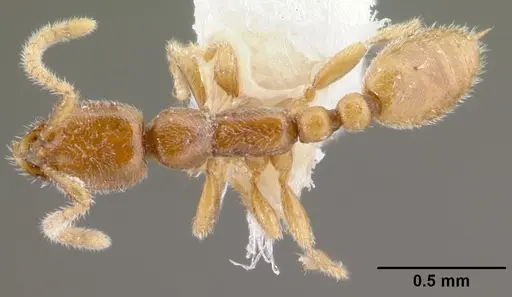
CASENT0101455
View on AntWeb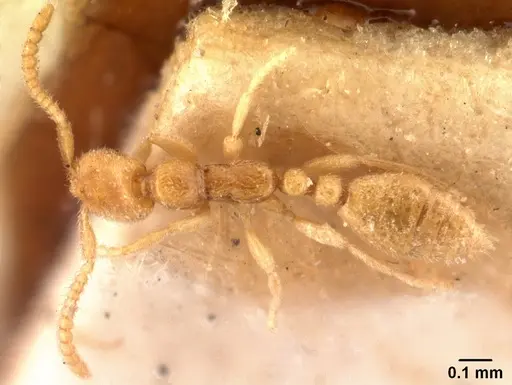
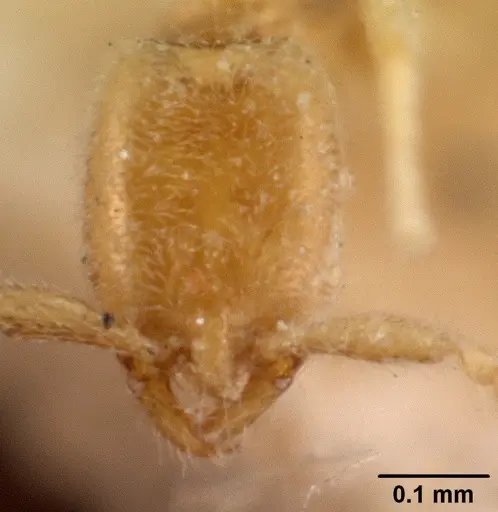
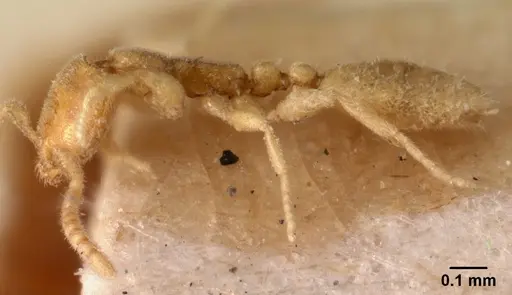
CASENT0901483
View on AntWeb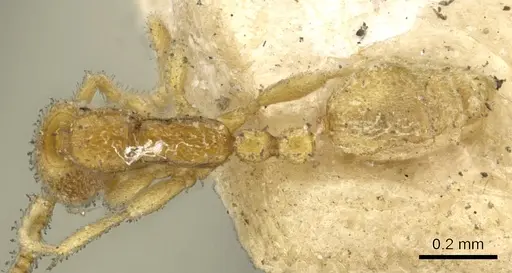
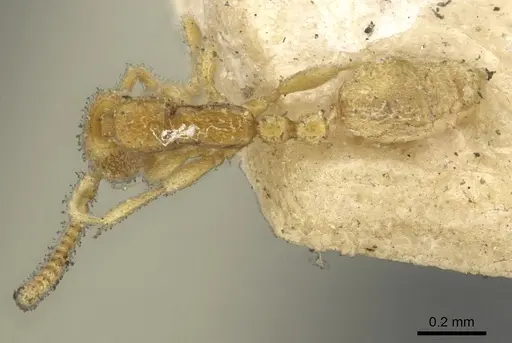
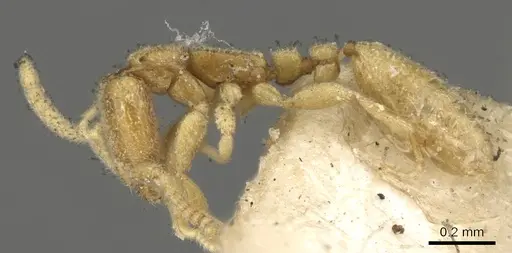
CASENT0902773
View on AntWeb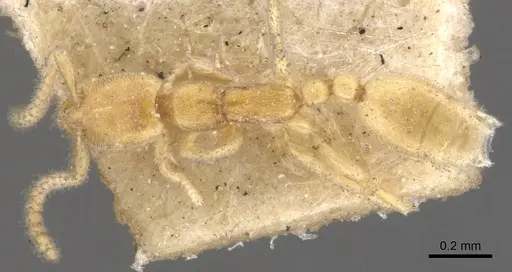
CASENT0907032
View on AntWeb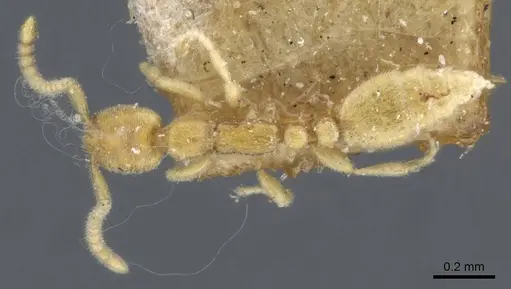
FOCOL1126
View on AntWeb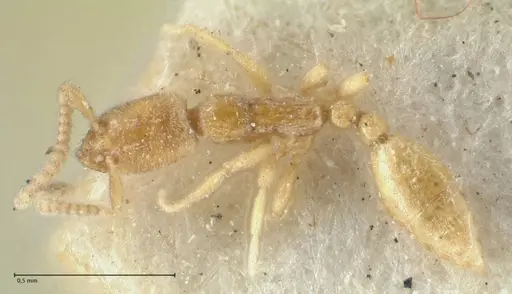
Literature
Loading...Loading products...