

Leptanilla buddhista
- Scientific Name
- Leptanilla buddhista
- Tribe
- Leptanillini
- Subfamily
- Leptanillinae
- Author
- Baroni Urbani, 1977
- Distribution
- Found in 1 countries
Leptanilla buddhista Overview
Leptanilla buddhista is an ant species of the genus Leptanilla. It is primarily documented in 1 countries , including Nepal. Detailed taxonomic data and occurrence records can be further explored via authoritative databases such as AntWeb or the Global Biodiversity Information Facility (GBIF).
Leptanilla buddhista
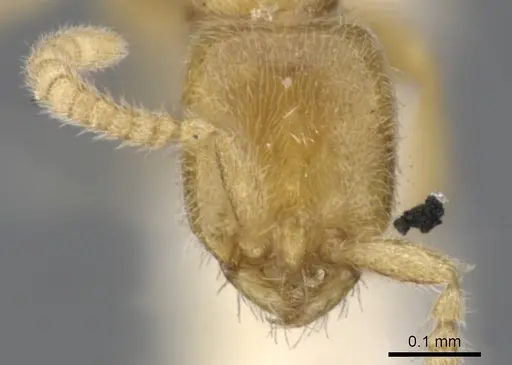
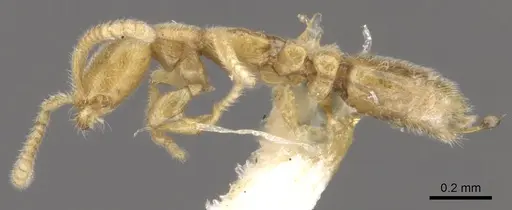
Leptanilla buddhista is an extremely rare tiny ant species endemic to Nepal, first described in 1977 from specimens collected in the Kathmandu Valley at around 1450m elevation [1][2]. Workers are among the smallest ants in the world, measuring only about 1-2mm, with distinctive morphological features including a three-toothed mandible and a protruding clypeus with a convex anterior margin [3][4]. The genus Leptanilla belongs to the subfamily Leptanillinae, a group of cryptic subterranean ants that are rarely encountered and poorly studied in the wild.
Quick Summary
- Difficulty: Expert
- Origin & Habitat: This species is known only from Nepal, specifically from high-elevation sites in the Kathmandu Valley (Godawari at 1450m) and Bakhri Kharka (1676m) in the Indomalaya region [1][2]. The limited distribution suggests this is a cool-climate, high-altitude species adapted to mountain forest environments.
- Colony Type: Colony structure is unconfirmed. The genus Leptanilla typically forms small colonies, but no specific data exists for this species.
- Size & Growth:
- Queen: Unknown, queen has not been described
- Worker: Approximately 1-2mm based on genus typical measurements [5]
- Colony: Unknown, likely small colonies typical of the genus
- Growth: Unknown
- Development: Unconfirmed, no development data exists for this species (Based on related Leptanilla species, development likely takes several months but this is an estimate)
- Antkeeping:
- Temperature: Keep cool, around 15-20°C. The high-altitude Nepalese distribution suggests preference for cooler temperatures [2].
- Humidity: High humidity is likely required, these are subterranean ants that prefer damp conditions. Keep the nest substrate consistently moist but not waterlogged.
- Diapause: Likely required given the temperate Himalayan origin. Expect a winter rest period of 2-3 months at reduced temperatures (around 10-15°C).
- Nesting: Use a test tube setup or small acrylic nest with tight chambers scaled to their tiny size. The genus Leptanilla typically nests in soil or rotting wood in shaded, damp locations.
- Behavior: These ants are extremely small and likely nocturnal or subterranean, spending most of their time underground. Workers are poor climbers and unlikely to escape if given proper housing, but their tiny size means they can squeeze through standard mesh. Temperament is unknown but likely non-aggressive given their size. They are probably specialized predators on micro-arthropods.
- Common Issues: extreme rarity makes obtaining this species nearly impossible, tiny size requires fine mesh barriers to prevent escape, no captive breeding data exists, wild colonies are the only source, slow growth and small colony sizes make propagation difficult, high humidity requirements can lead to mold issues if ventilation is poor
Rarity and Collection
Leptanilla buddhista is one of the rarest ant species in the world, known only from a handful of specimens collected in Nepal [2]. The species was originally described in 1977 from specimens collected at Godawari in the Kathmandu Valley at 1450m elevation [1]. Additional records come from Bakhri Kharka at 1676m [2]. This extremely limited distribution makes the species a priority for conservation in its native range. For antkeepers, this means the species is essentially unavailable in the hobby, no captive colonies exist, and wild collection would be extremely difficult and potentially illegal without proper permits.
Identification and Morphology
Workers of Leptanilla buddhista can be identified by several distinctive features: three teeth on the mandible, a metanotal groove that is absent, and a clypeus that protrudes anteriorly with a distinctly convex anterior margin [3][4]. The species falls within the typical Leptanilla measurement ranges: PPI of 122-138,CI of 82 or greater, and PI of 111-125 [6][5]. These measurements are consistent with other Oriental Leptanilla species. The tiny size (around 1-2mm) places them among the smallest ants globally, which has significant implications for housing and escape prevention.
Housing and Escape Prevention
Due to their extremely small size, excellent escape prevention is critical. Standard test tube setups work well, but you must use fine mesh (at least 0.5mm or smaller) on any ventilation holes. These ants are so tiny that they can squeeze through gaps that would hold back much larger species. A test tube setup with a cotton plug and a small water reservoir provides the humidity control these subterranean ants need. Given their likely burrowing behavior, provide a deep layer of moist substrate (at least 2-3cm) for them to explore.
Feeding and Diet
The genus Leptanilla consists of specialized predators that hunt small soil micro-arthropods. While no specific feeding data exists for L. buddhista, related species are known to prey on springtails and other tiny soil invertebrates. In captivity, you should offer small live prey such as springtails, fruit flies, and other micro-arthropods. Sugar sources are unlikely to be accepted given the predatory nature of this genus. Feed small prey items every few days, removing any uneaten prey after 24 hours to prevent mold.
Temperature and Seasonal Care
Based on the high-altitude Nepalese distribution, this species prefers cool conditions. Keep the nest at temperatures between 15-20°C, avoiding overheating. During winter, provide a diapause period of 2-3 months at reduced temperatures around 10-15°C to simulate natural seasonal cycles. This species is unlikely to tolerate warm conditions that would be suitable for tropical ants. Monitor colony activity levels and adjust temperatures accordingly, workers should be active but not clustering away from heat sources. [2]
Frequently Asked Questions
Is Leptanilla buddhista available for ant keepers?
No. This species is extremely rare and known only from a handful of wild specimens in Nepal. No captive breeding populations exist, and the species is not available in the antkeeping hobby.
How big do Leptanilla buddhista colonies get?
Colony size is unknown, but based on related Leptanilla species, colonies are likely small, probably under 100 workers at maturity.
Do Leptanilla buddhista ants sting?
Given their tiny size (1-2mm), any sting would be negligible even if present. These ants are too small to penetrate human skin.
What temperature do Leptanilla buddhista need?
Keep them cool at 15-20°C. The high-altitude Nepalese origin indicates preference for cooler temperatures rather than warmth.
Can I keep multiple Leptanilla buddhista queens together?
This is unknown, no colony structure data exists for this species. Given the extreme rarity, attempting to keep multiple queens would not be recommended.
How long does it take for Leptanilla buddhista to develop from egg to worker?
This is unconfirmed, no development data exists for this species. Based on related Leptanilla species, expect several months, but this is only an estimate.
Do Leptanilla buddhista need hibernation?
Yes, likely required. The temperate Himalayan origin suggests a natural winter rest period of 2-3 months at reduced temperatures (10-15°C).
What do Leptanilla buddhista eat?
They are likely specialized predators on micro-arthropods like springtails. Feed small live prey items, sugar sources are unlikely to be accepted.
Are Leptanilla buddhista good for beginners?
No. This is an expert-level species due to extreme rarity, lack of captive care data, and specialized requirements. Even experienced antkeepers would struggle to obtain and maintain this species.
References

This caresheet is licensed under CC BY-SA 4.0 .
CASENT0902774
View on AntWeb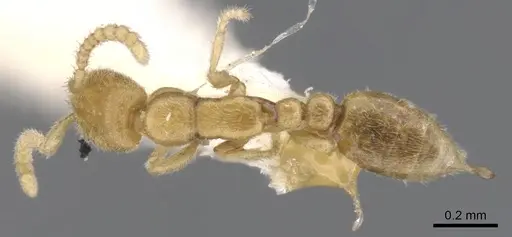
Literature
Loading...Loading products...