

Lepisiota syriaca
- Scientific Name
- Lepisiota syriaca
- Tribe
- Plagiolepidini
- Subfamily
- Formicinae
- Author
- André, 1881
- Distribution
- Found in 1 countries
Lepisiota syriaca Overview
Lepisiota syriaca is an ant species of the genus Lepisiota. It is primarily documented in 1 countries , including Greece. Detailed taxonomic data and occurrence records can be further explored via authoritative databases such as AntWeb or the Global Biodiversity Information Facility (GBIF).
Lepisiota syriaca
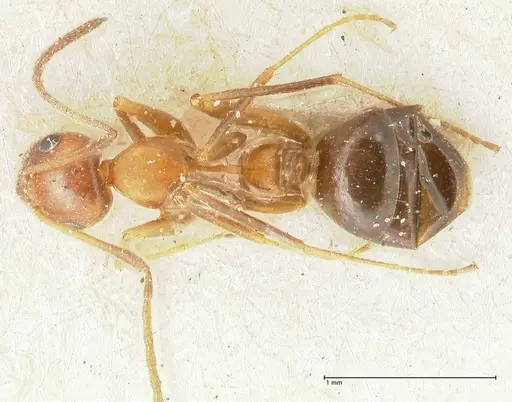
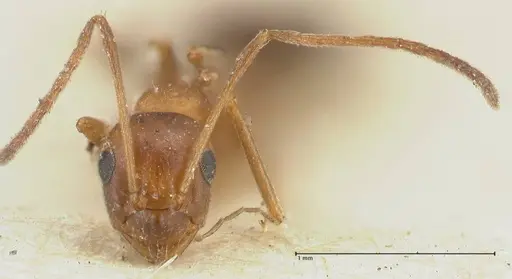
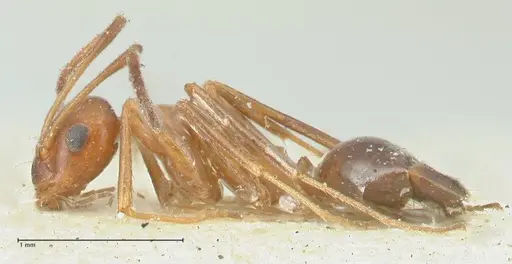
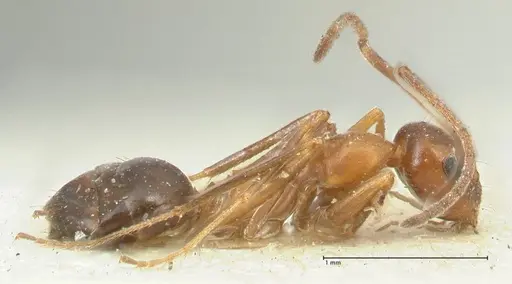
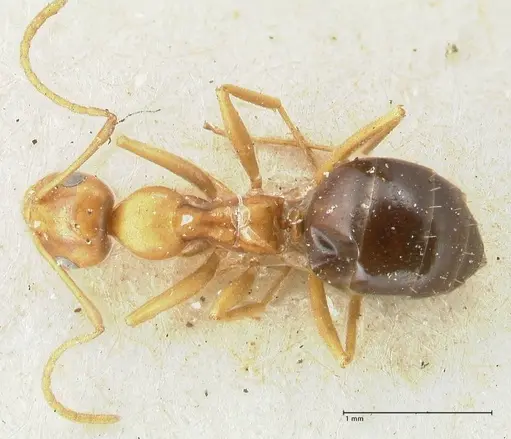
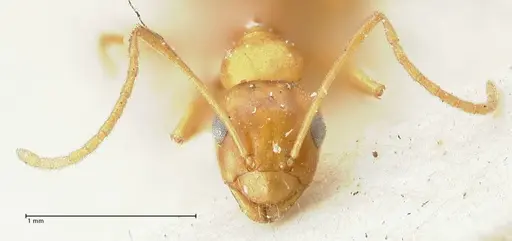
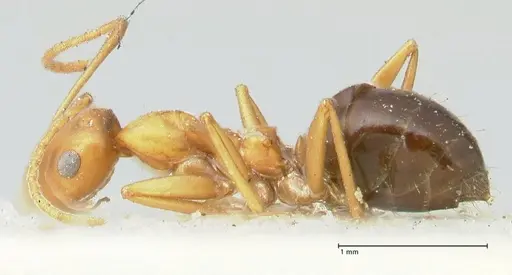
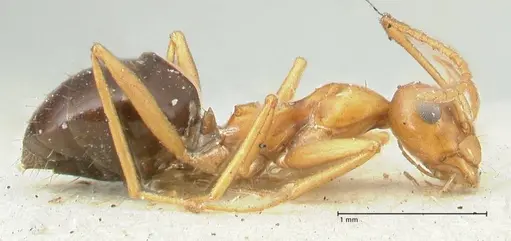
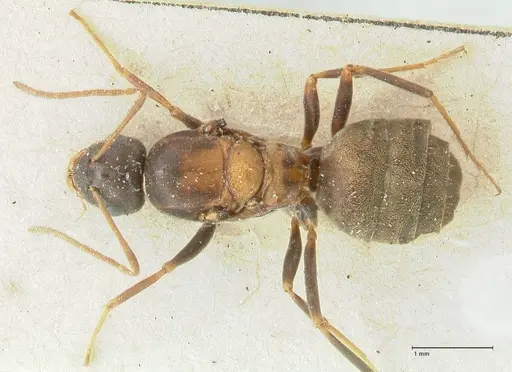
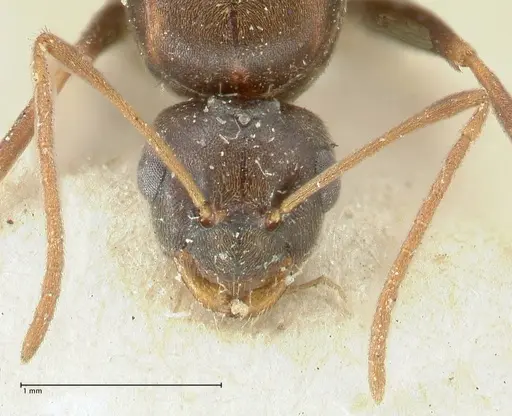
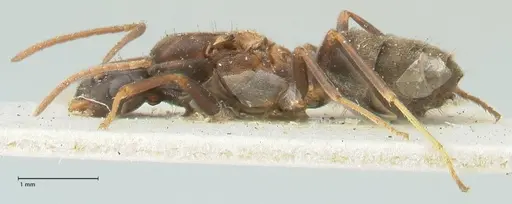
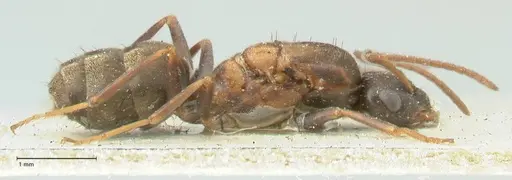
Lepisiota syriaca is a small to medium-sized ant native to the Eastern Mediterranean and Near East. Workers measure 2.5-3.3mm with a distinctive bicolored appearance, the head is dark brown while the thorax and legs range from reddish brown to dark brown, and the gaster is black [1]. This species is a known tramp ant, thriving in warm, dry, sunny habitats and commonly nesting under stones or pavement tiles in urban and disturbed areas [2]. In Greece, where it has become invasive, it is found only in ruderal sites, grass areas, roadsides, and dry riverbeds in tourist resorts and towns at low altitudes between 14-100m [3]. The species is notable for its association with human-modified environments and its ability to colonize new areas through human activity.
Quick Summary
- Difficulty: Easy
- Origin & Habitat: Native to the Palaearctic region including Armenia, Azerbaijan, Iraq, Israel, Lebanon, Syria, and Turkey. In Greece, it has become invasive in urban and anthropogenic habitats [4][2].
- Colony Type: Colony structure is unconfirmed, the species is a tramp ant that thrives in human-modified environments, but specific data on queen number and colony size is not available.
- Size & Growth:
- Queen: Unknown, not directly measured in available research
- Worker: 2.5-3.3mm TL [1], with head length 0.643-0.754mm and scape length 0.889-1.078mm [3]
- Colony: Unknown, no colony size data available in research
- Growth: Unknown, growth rate has not been studied
- Development: Unconfirmed, development timeline has not been directly studied. Based on typical Formicinae patterns, expect 6-10 weeks at warm temperatures. (Development time is estimated from related Formicinae species. No specific data available for this species.)
- Antkeeping:
- Temperature: Keep warm, this species is strongly associated with hot, sunny habitats in the wild. Workers show highest activity during the warmest period of the day [2]. Aim for 24-28°C with a slight gradient, similar to their native Mediterranean climate.
- Humidity: Low to moderate, these ants prefer dry, warm conditions. Keep the nest substrate relatively dry with only occasional misting. Avoid damp conditions that could cause mold.
- Diapause: Unknown, likely minimal or no true diapause given their Mediterranean origin. They may show reduced activity in cooler months but probably do not require extended cold periods.
- Nesting: In the wild, they nest under stones and pavement tiles in sunny, exposed positions [2]. In captivity, a Y-tong or acrylic nest with dry chambers works well. Provide a thin layer of substrate they can burrow into if desired, but they do not require high humidity.
- Behavior: Workers are not aggressive and typically go about their foraging activities peacefully [2]. They are active foragers, often found near food remains or animal corpses in the wild. Because of their very small size (2.5-3.3mm), escape prevention is critical, they can squeeze through tiny gaps. They prefer to nest in warm, dry areas and will establish colonies in cracks and crevices.
- Common Issues: escape prevention is critical due to their tiny 2.5-3.3mm size, use fine mesh and tight-fitting lids, wild-caught colonies in Greece are invasive, never release this species outside its native range, dry nesting conditions are essential, too much moisture can kill colonies, slow colony growth may frustrate beginners, be patient with feeding and conditions, limited research means many aspects of captive care are based on inference from related species
Housing and Nest Setup
Lepisiota syriaca does well in standard ant keeping setups. A Y-tong (AAC) nest or acrylic formicarium works well, these ants are small but not aggressive, so they do not require heavy-duty escape prevention like some larger species. However, their tiny size means you still need fine mesh barriers (at least 0.5mm mesh) to prevent escapes. Provide a small outworld for foraging. Since they nest under stones in the wild, they may appreciate a thin layer of substrate they can rearrange, but this is optional. Keep the nest area dry and warm, avoid humid setups that could cause mold. A small water tube for humidity is sufficient. [2][3]
Feeding and Diet
In the wild, workers are often found near food remains and animal corpses, indicating they are opportunistic scavengers and likely predators of small insects [2]. In captivity, offer a varied diet: sugar water or honey as an energy source, and protein sources like small insects (fruit flies, pinhead crickets, mealworms). They are small ants, so prey items should be appropriately sized. Feed protein 2-3 times per week and keep sugar water available constantly. Remove uneaten prey after 24 hours to prevent mold.
Temperature and Heating
This species strongly prefers warm conditions. In their native Mediterranean and Near Eastern habitats, they thrive in hot, sunny positions, workers show peak activity during the warmest part of the day [2]. Keep the nest at 24-28°C. A heating cable or mat on one side of the nest can create a gentle gradient, allowing ants to regulate their temperature. Avoid temperatures below 20°C for extended periods. Room temperature in a heated home (around 22-24°C) is often suitable, but supplemental heating may be beneficial.
Behavior and Temperament
Lepisiota syriaca workers are notably non-aggressive, they never exhibit aggressive behavior even when disturbed [2]. This makes them a good choice for antkeepers who want a peaceful species. They are active foragers and will explore their outworld in search of food. Despite their small size, they are persistent and will establish foraging trails. They are a tramp species, meaning they are adapted to colonizing new areas, this translates to hardiness in captivity. However, their small size means you must be vigilant about escape prevention.
Invasive Status and Legal Considerations
This species is invasive in Greece, where it has spread through human activity to urban and tourist areas [2]. If you obtain a colony from Greece, never release it or any offspring outside the native range (Armenia, Azerbaijan, Iraq, Israel, Lebanon, Syria, Turkey). The species spreads through human-modified environments and could impact local ecosystems if introduced. Always check your local regulations before acquiring this species.
Frequently Asked Questions
Can I keep Lepisiota syriaca in a test tube?
Yes, test tubes work well for founding colonies. Use a standard test tube setup with a cotton water reservoir. However, because they prefer warm, dry conditions, ensure the tube is not in a damp area. Once the colony grows beyond 20-30 workers, consider moving to a small formicarium.
How long until first workers in Lepisiota syriaca?
The exact development timeline is unconfirmed for this species. Based on typical Formicinae patterns, expect first workers (nanitics) around 6-10 weeks after the queen lays eggs, assuming optimal warm temperatures around 25-28°C. Be patient, this species may have slower development than some tropical ants.
Are Lepisiota syriaca good for beginners?
Yes, this species is beginner-friendly due to its non-aggressive nature and tolerance of captive conditions. However, their tiny size requires attention to escape prevention. They also prefer warm conditions, which may require supplemental heating in cooler climates. Overall, a good second or third species after gaining experience with larger, more forgiving ants.
What do Lepisiota syriaca eat?
They are opportunistic scavengers. Offer sugar water or honey for energy, and small protein sources like fruit flies, small crickets, or mealworms. They will also scavenge from food remains in the wild, so they should accept a variety of foods in captivity. Feed protein 2-3 times per week.
Can I keep multiple queens together?
Colony structure (monogyne vs polygyne) has not been documented for this species. It is a tramp species that may form large colonies in the wild, but we do not know if multiple queens can be kept together successfully. It is not recommended to combine unrelated foundress queens until more is known about their natural colony structure.
Do Lepisiota syriaca need hibernation?
Diapause requirements are unknown. Given their Mediterranean and Near Eastern origin, they likely do not require a true hibernation period. They may show reduced activity in cooler months, but a simple reduction in temperature (to around 18-20°C) for 2-3 months during winter should suffice if desired. Do not subject them to cold temperatures below 10°C.
Why are my Lepisiota syriaca dying?
Common issues include: too much humidity (they prefer dry conditions, ensure good ventilation and allow substrate to dry between waterings), temperatures too low (keep at 24-28°C), escape deaths (use fine mesh barriers), or poor nutrition. Also ensure you are not accidentally keeping a wild-caught colony from an invasive population that may have different requirements.
When to move to formicarium?
Move from a test tube setup to a formicarium once the colony reaches around 30-50 workers. They are small ants, so a compact formicarium with small chambers works well. Ensure the formicarium provides warm, dry conditions and has an adequate foraging area.
References

This caresheet is licensed under CC BY-SA 4.0 .
Literature
Loading...Loading products...