

Lepisiota submetallica
- Scientific Name
- Lepisiota submetallica
- Tribe
- Plagiolepidini
- Subfamily
- Formicinae
- Author
- Arnold, 1920
- Distribution
- Found in 4 countries
Lepisiota submetallica Overview
Lepisiota submetallica is an ant species of the genus Lepisiota. It is primarily documented in 4 countries , including Mozambique, South Africa, Zambia. Detailed taxonomic data and occurrence records can be further explored via authoritative databases such as AntWeb or the Global Biodiversity Information Facility (GBIF).
Lepisiota submetallica
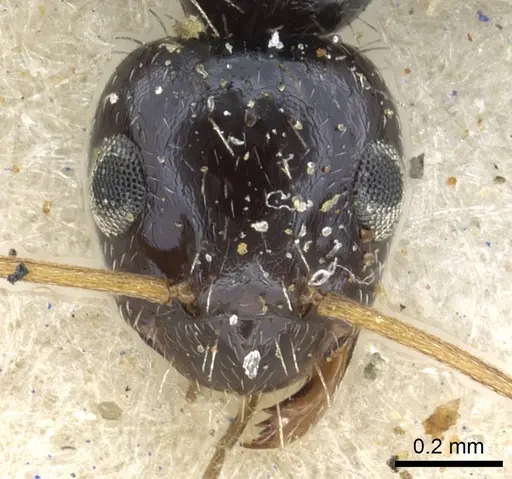
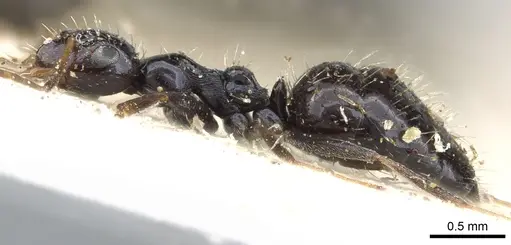
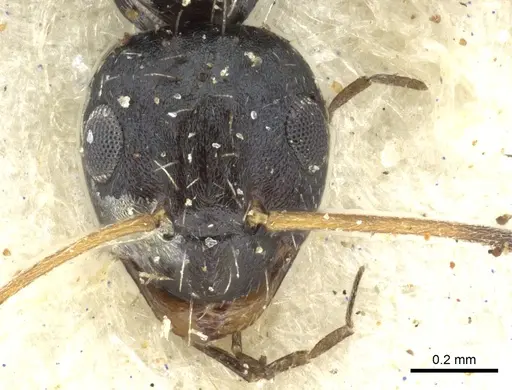
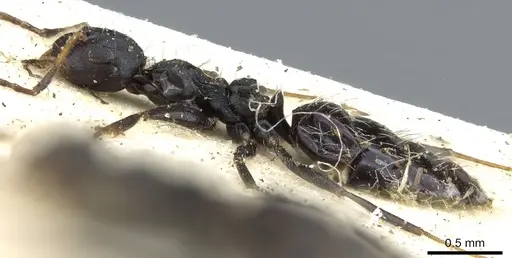
Lepisiota submetallica is a small to medium-sized ant species native to Central Africa, specifically documented in the Democratic Republic of Congo [1]. The species name 'submetallica' refers to its faintly metallic or iridescent appearance, a characteristic shared with many ants in the Lepisiota genus. Workers are typically slender with a subtle sheen, and the genus is known for its distinctive spiny appearance due to propodeal spines. These ants are ground-nesting and form colonies that can reach moderate sizes. They are known for their aggressive defense behavior and painful sting, which they use to protect their nest. As a tropical African species, they prefer warm and humid conditions typical of their native habitat.
Quick Summary
- Difficulty: Medium
- Origin & Habitat: Democratic Republic of Congo in Central Africa. This species is found in tropical habitats, likely in forested or savanna areas where it nests in soil or under stones.
- Colony Type: Colony structure is unconfirmed. Based on genus patterns, likely single-queen colonies, though some Lepisiota species can form multi-queen colonies.
- Founding: Claustral
- Size & Growth:
- Queen: Estimated 6-8mm based on genus Lepisiota patterns
- Worker: Estimated 3-5mm based on genus descriptions
- Colony: Likely reaches several hundred to a few thousand workers based on typical Lepisiota colony sizes
- Growth: Moderate, estimated based on related species
- Development: Estimated 6-10 weeks at optimal tropical temperatures (25-28°C) based on typical Formicinae development (Development time is inferred from related species in the genus. Actual timing may vary.)
- Antkeeping:
- Temperature: Keep at 24-28°C. As a tropical species, they need warm conditions. A heating cable on one side of the nest can help maintain optimal temperature.
- Humidity: High humidity preferred, aim for 60-80%. Keep the nest substrate consistently moist but not waterlogged. Mist occasionally and provide a water tube.
- Diapause: Likely minimal or no true diapause given their tropical origin. They may show reduced activity during cooler periods but probably do not require hibernation.
- Nesting: Ground-nesting species. In captivity, they do well in test tubes for founding colonies, then can be moved to naturalistic setups with soil, Y-tong nests, or plaster nests with moisture chambers. Provide a layer of substrate they can burrow into.
- Behavior: These ants are defensive and will readily sting when threatened. They are active foragers and will search for food both on the ground and may climb surfaces. Workers are moderately sized and can be escape artists, use good escape prevention. They are known for their aggressive colony defense and should be handled with caution.
- Common Issues: sting risk, these ants can deliver a painful sting, so handle with care and avoid disturbing the colony, escape prevention, workers can climb smooth surfaces and squeeze through small gaps, humidity control, being tropical, they need consistent moisture but mold can be a problem in overly wet setups, slow founding, claustral queens may take several months to raise first workers, patience is required, stress from disturbance, frequent colony checks can stress them and cause queen abandonment of brood
Housing and Nest Setup
For Lepisiota submetallica, start with a standard test tube setup for the founding colony. Fill a test tube with water, plug with cotton, and place the queen in it. The queen should seal herself into a dark corner and begin laying eggs. Once you have 10-20 workers, you can transition to a more elaborate setup. These ants do well in naturalistic setups with a soil chamber they can dig in, or Y-tong nests with moisture chambers. Avoid fully acrylic nests as they prefer to burrow in substrate. Provide an outworld area for foraging with a shallow food dish.
Feeding and Diet
Lepisiota submetallica is an omnivorous species. In captivity, they readily accept sugar sources like honey water or sugar water (replace every 2-3 days). For protein, offer small insects like fruit flies, small mealworms, or cricket pieces. They are active foragers so place food in the outworld. Feed protein 2-3 times per week, and always have sugar water available. Remove uneaten food after 24 hours to prevent mold. Fresh water should always be available.
Temperature and Heating
As a tropical African species, Lepisiota submetallica requires warm temperatures. Keep the nest area at 24-28°C. Room temperature may be sufficient if your home is naturally warm, otherwise use a heating cable or heating mat placed on top of the nest (not under, to avoid drying out the substrate). Monitor with a thermometer and adjust to maintain consistent warmth. Avoid temperatures below 20°C as this can slow brood development and potentially harm the colony.
Humidity and Water
These ants need moderate to high humidity. Keep the nest substrate consistently moist, it should feel damp but not have standing water. For test tube setups, the water reservoir usually provides adequate humidity. For larger setups, mist the nest occasionally and consider including a water tube or small water dish. However, avoid excessive moisture as this leads to mold, which can be fatal to ant colonies. Ensure good ventilation to balance humidity with air flow.
Behavior and Defense
Lepisiota submetallica workers are defensive and will attack if they feel their colony is threatened. They possess a stinger and can deliver a painful sting. When keeping this species, avoid tapping or shaking the nest, and limit colony inspections to necessary moments. Workers are active and will explore the outworld thoroughly. They can climb smooth surfaces like plastic and glass, so ensure your setup has proper barriers. Do not handle these ants with bare hands.
Colony Development
A claustral queen will seal herself in a chamber and not leave to forage during founding. She relies entirely on her stored fat reserves to survive and feed the first brood. This means you should not disturb her during this phase, no feeding, no light, minimal vibration. The first brood will develop through all stages (eggs, larvae, pupae) before emerging as nanitic workers. This process typically takes 6-10 weeks in warm conditions. After the first workers emerge, the colony will gradually grow as the queen continues laying eggs and workers take over foraging and brood care.
Frequently Asked Questions
How long does it take for Lepisiota submetallica to raise first workers?
Expect 6-10 weeks from egg to first worker at optimal temperature (24-28°C). This is typical for Formicinae species. The queen is claustrally sealed and relies on stored reserves during founding, so do not disturb her during this time.
What temperature do Lepisiota submetallica need?
Keep them at 24-28°C. As a tropical African species, they need warm conditions. Use a heating cable if your room temperature is below this range.
Can I keep multiple Lepisiota submetallica queens together?
This has not been studied for this specific species. Combining unrelated queens is generally risky and not recommended unless you have specific information about this species' colony structure.
How big do Lepisiota submetallica colonies get?
Based on typical Lepisiota species, colonies likely reach several hundred to a few thousand workers. Growth is moderate, expect several months to reach 50+ workers.
What do Lepisiota submetallica eat?
They are omnivorous. Offer sugar water or honey constantly, and protein sources like small insects 2-3 times per week. Remove uneaten food after 24 hours.
Are Lepisiota submetallica good for beginners?
They are rated as medium difficulty. While not the hardest species, their sting and specific temperature/humidity needs make them better suited for keepers who already have some experience with tropical ant species.
Do Lepisiota submetallica need hibernation?
Probably not. As a tropical species from Central Africa, they likely do not require a true diapause. They may reduce activity in cooler conditions but should be kept warm year-round.
When should I move my colony to a formicarium?
Wait until you have at least 15-20 workers. Before this, keep them in a test tube setup. Once they outgrow the test tube or you see workers struggling with space, transition to a naturalistic setup or Y-tong nest.
Why are my Lepisiota submetallica dying?
Common causes include: temperatures too low (below 20°C), improper humidity (too dry or too wet leading to mold), disturbing the queen during claustral founding, or stress from excessive handling. Check these parameters first.
References

This caresheet is licensed under CC BY-SA 4.0 .
CASENT0903159
View on AntWeb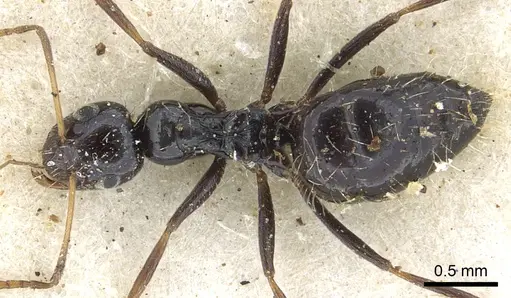
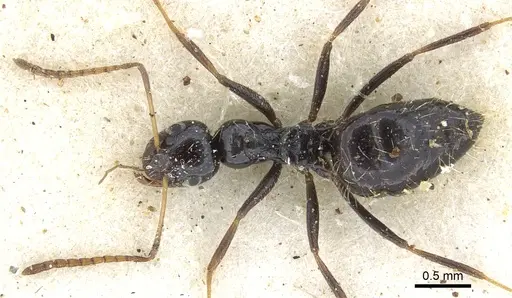
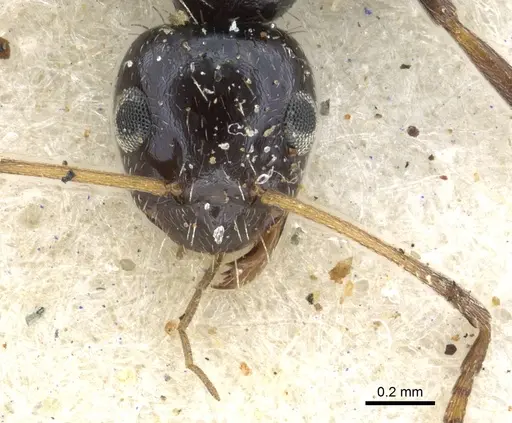
CASENT0903160
View on AntWeb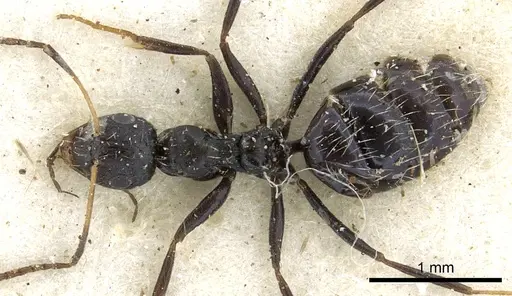
Literature
Loading...Loading products...