

Lepisiota rubrovaria
- Scientific Name
- Lepisiota rubrovaria
- Tribe
- Plagiolepidini
- Subfamily
- Formicinae
- Author
- Forel, 1910
- Distribution
- Found in 1 countries
Lepisiota rubrovaria Overview
Lepisiota rubrovaria is an ant species of the genus Lepisiota. It is primarily documented in 1 countries , including Zimbabwe. Detailed taxonomic data and occurrence records can be further explored via authoritative databases such as AntWeb or the Global Biodiversity Information Facility (GBIF).
Lepisiota rubrovaria
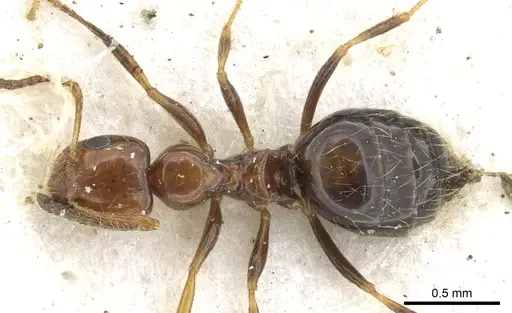
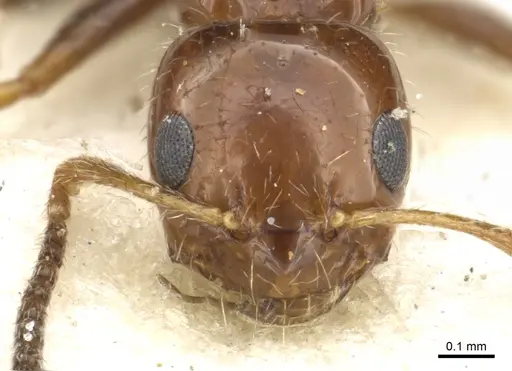
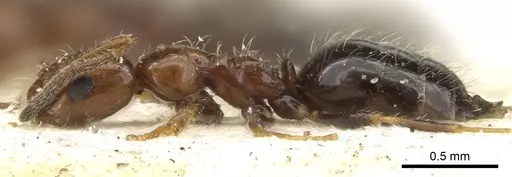
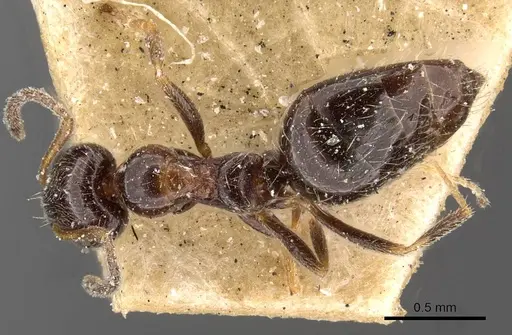
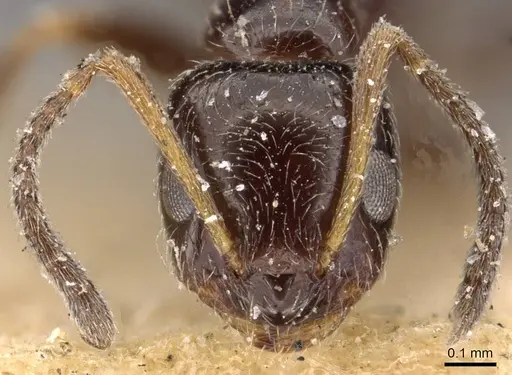
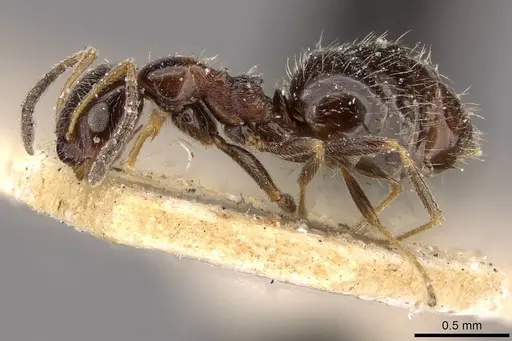
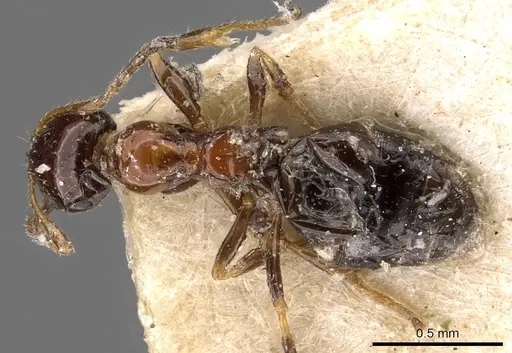
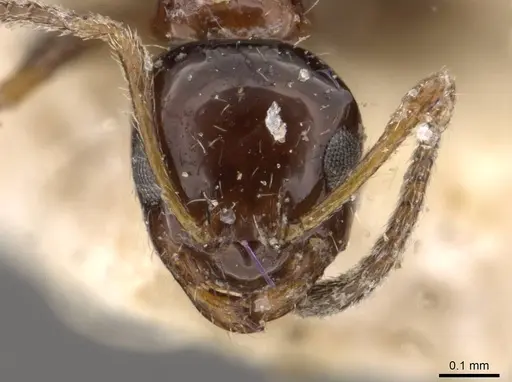
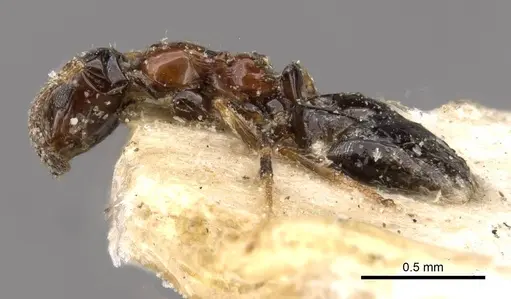
Lepisiota rubrovaria is a medium-sized ant species native to South Africa, specifically documented in the Marakele National Park in Limpopo province at elevations around 1074-1182 meters [1]. Workers are typically reddish-brown to dark brown in coloration, with the genus characterized by a distinctive slender build and relatively long legs. The species name 'rubrovaria' suggests some variation in red coloration, though exact coloring details would require specimen examination. As with other Lepisiota species, these ants are known for their aggressive defensive behavior and painful stings, which they readily use when their nest is disturbed. This species appears to inhabit rocky or sandy areas in highland savanna regions of southern Africa.
Quick Summary
- Difficulty: Medium
- Origin & Habitat: Marakele National Park, Limpopo, South Africa at 1074-1182m elevation in savanna habitat [1]. Highland savanna with rocky substrates.
- Colony Type: Likely monogyne (single queen) based on typical genus patterns, though colony structure has not been directly documented for this species.
- Colony: Monogyne
- Founding: Claustral
- Size & Growth:
- Queen: Estimated 8-10mm based on genus Lepisiota morphology, not directly measured for this species
- Worker: Estimated 4-6mm based on genus typical sizes, not directly measured for this species
- Colony: Unknown for this specific species, related Lepisiota species typically reach several thousand workers
- Growth: Moderate, estimated based on genus patterns
- Development: Estimated 6-8 weeks at optimal temperature based on typical Formicinae development (Development timeline is estimated, no specific study exists for this species. Temperature around 22-26°C likely optimal based on South African origin.)
- Antkeeping:
- Temperature: Keep at 22-26°C, warmer conditions preferred reflecting their South African savanna origin. A heating cable on one side of the nest can provide a gradient.
- Humidity: Moderate humidity around 50-60%. These ants prefer drier conditions than many tropical species, reflecting their arid to semi-arid savanna habitat. Allow substrate to dry partially between waterings.
- Diapause: Likely required, South African temperate ants typically need a winter rest period of 2-3 months at 10-15°C. Reduce feeding and keep cool during this period.
- Nesting: Y-tong (AAC) nests or plaster nests work well. They prefer干燥 conditions and will avoid overly damp substrates. Provide a test tube water reservoir but ensure good ventilation to prevent moisture buildup.
- Behavior: Lepisiota rubrovaria is an aggressive defender of its nest. Workers are highly active foragers and will readily chase away threats. They have a painful sting and should be handled with caution. Escape prevention is important as workers are agile and can find gaps, use fluon on test tube rims and ensure any formicarium has tight-fitting connections. They are diurnal foragers, actively searching for food during daylight hours.
- Common Issues: aggressive defense means stings are likely when disturbing the nest, handle carefully, limited data means care requirements are estimated from genus patterns rather than species-specific studies, overheating risk is significant, avoid temperatures above 30°C despite their warm origin, colonies may be slow to establish initially, patience is needed during founding phase, escape prevention requires attention as workers are small and agile
Origin and Natural Habitat
Lepisiota rubrovaria is native to the highland savanna regions of South Africa, specifically documented in the Marakele National Park in Limpopo province. The species has been collected at elevations between 1074 and 1182 meters, indicating preference for higher-altitude savanna habitats [1]. This region features warm summers and mild winters, with seasonal rainfall. The ants typically nest in areas with rocky or sandy substrates, often in disturbed ground or along paths. In their natural habitat, they face hot temperatures during summer and cooler conditions in winter, which influences their seasonal activity patterns. Understanding this origin helps keepers replicate appropriate conditions in captivity, they need warmer conditions with a distinct cooler period for winter dormancy.
Nest Preferences and Housing
In captivity, Lepisiota rubrovaria does well in Y-tong (AAC) nests or plaster formicaria that allow for dry conditions with good ventilation. These ants prefer their nest chambers relatively dry, avoid overly damp substrates which can lead to mold problems and colony decline. A test tube water reservoir connected to the nest provides adequate humidity without creating soggy conditions. The colony should be given a dark, quiet location away from direct sunlight and vibrations. Since they are active foragers, provide a spacious outworld connected to the nest. Escape prevention is important, use fluon on test tube rims and ensure all connections are secure, as these small ants can squeeze through tiny gaps.
Feeding and Diet
Like other Lepisiota species, these ants are omnivorous with a preference for protein-rich foods. Offer them small insects such as fruit flies, pinhead crickets, or mealworms as a primary protein source. They will also accept sugar water, honey, or diluted maple syrup for carbohydrates. In the wild, they forage for both insects and honeydew from aphids, so a varied diet in captivity supports healthy colony growth. Feed them 2-3 times per week, removing any uneaten prey after 24 hours to prevent mold. During the active season, ensure sugar water is always available, replace every few days to prevent fermentation.
Temperature and Seasonal Care
Maintain nest temperatures between 22-26°C, reflecting their South African savanna origins. A slight temperature gradient allows ants to regulate their own exposure. During summer months, they will be most active and colony growth will be fastest. In winter, they require a diapause period of 2-3 months at reduced temperatures around 10-15°C. This winter rest is essential for colony health and mimics their natural seasonal cycle. Reduce feeding during diapause and avoid disturbing the colony. After winter, gradually warm them back to active temperatures to trigger spring activity.
Behavior and Defense
Lepisiota rubrovaria is known for its aggressive defensive behavior. When threatened, workers readily emerge to attack and will not hesitate to use their sting. The sting is reportedly painful, similar to other Lepisiota species, so keepers should exercise caution when working with the colony. They are diurnal foragers, actively searching for food during daylight hours. Workers communicate through chemical trails and will recruit nestmates to large food discoveries. The colony will maintain multiple entrance points and workers are constantly patrolling the nest perimeter. This alertness makes them entertaining to watch but requires careful handling.
Frequently Asked Questions
How long does it take for Lepisiota rubrovaria to produce first workers?
Based on typical Formicinae development, expect first workers (nanitics) around 6-8 weeks after the queen lays her first eggs, assuming temperatures around 24-26°C. The exact timeline is not documented for this species but should follow genus patterns.
What temperature do Lepisiota rubrovaria need?
Keep them at 22-26°C with a slight gradient. They prefer warmer conditions reflecting their South African origin but should be kept below 30°C.
Can I keep multiple Lepisiota rubrovaria queens together?
Not recommended. While colony structure is not fully documented for this species, combining unrelated queens of this genus typically leads to aggression. Start with a single queen colony.
Do Lepisiota rubrovaria need hibernation?
Yes, a winter diapause of 2-3 months at 10-15°C is likely required based on their South African temperate origin. This rest period supports colony health.
What do Lepisiota rubrovaria eat?
They are omnivorous, offer small insects (fruit flies, pinhead crickets, mealworms) for protein and sugar water or honey for carbohydrates. A varied diet supports colony growth.
Are Lepisiota rubrovaria good for beginners?
They are rated as medium difficulty. While not the most challenging species, their sting and specific temperature requirements make them better suited for keepers with some experience.
How big do Lepisiota rubrovaria colonies get?
The maximum colony size is not documented for this species, but related Lepisiota species typically reach several thousand workers at maturity.
When should I move my colony to a formicarium?
Move them when the test tube setup becomes crowded, typically when the colony reaches several hundred workers. Ensure the new setup maintains their preferred dry conditions with good ventilation.
Why is my Lepisiota rubrovaria colony declining?
Common causes include: temperatures above 30°C, excessive humidity causing mold, disturbance during diapause period, or insufficient protein in their diet. Review their conditions and make adjustments gradually.
References

This caresheet is licensed under CC BY-SA 4.0 .
Literature
Loading...Loading products...