Lepisiota rothneyi - "Rothney's Ant"
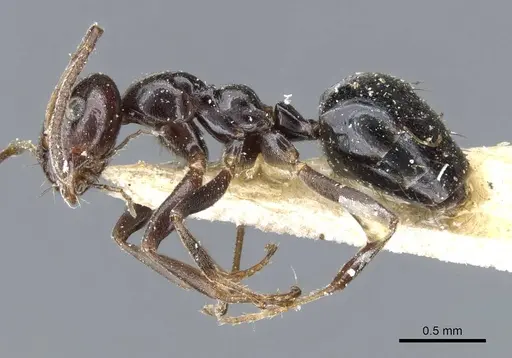
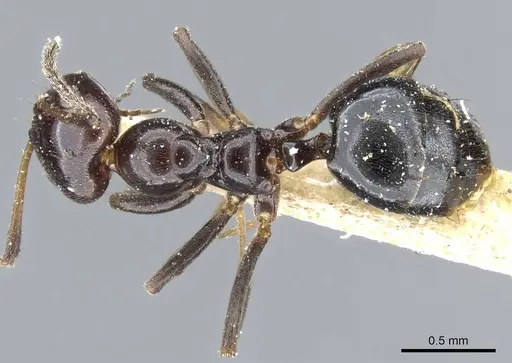
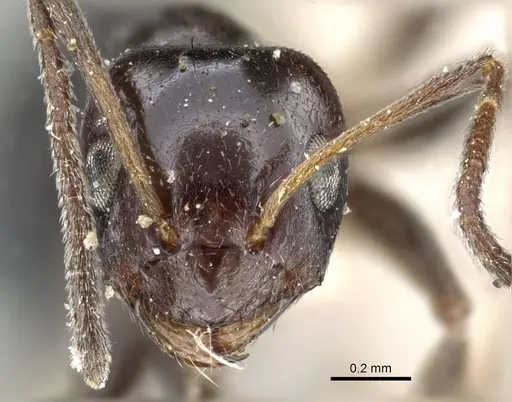
A captivating ant species from Southeast Asia, Lepisiota rothneyi, formerly known as Plagiolepis rothneyi, is recognized by its distinctively shiny body and sparse hair. These small to medium-sized ants exhibit a sleek appearance, often lacking prominent erect setae on their mesosoma. Queens of this species typically measure between 5 to 7 mm, while their diligent workers are smaller, ranging from 2 to 3 mm. Interestingly, some colonies may display slight size variation among workers, with a 'major' caste potentially having a broader, more angular head. Highly adaptable, L. rothneyi thrives in a variety of environments, from dense tropical forests to bustling urban settings, showcasing their remarkable ecological flexibility and complex social organization.
- Difficulty: Medium
- Origin & Habitat: Southeast Asia (including India, China, Malaysia, Bangladesh, Myanmar, Vietnam, Sri Lanka, Singapore, Indonesia) in Tropical forests, Grasslands, Urban areas, Agricultural lands, Savannahs, Woodlands, Under rocks/wood, Tree trunks.
- Colony Type: Monogyne, claustral founding.
- Size & Growth:
- Queen: 5-7mm
- Worker: 2-3mm
- Colony: Medium (thousands). Medium to Fast growth.
- Antkeeping:
- Temperature: Maintain an outworld temperature between 24-30°C. The nest portion should be slightly warmer, ideally kept at 28-30°C, to optimize brood development and colony activity..
- Humidity: Provide a humidity range of 50-70% in the foraging area (outworld). Within the nest, aim for a higher humidity level of 50-80% to ensure proper hydration for the brood..
- Diapause: Not required. Not specified at Not specified.
- Nesting: In their natural habitat, Lepisiota rothneyi nest in soil, under stones, in rotten wood, or even within standing trees. For captive setups, suitable options include acrylic nests, Ytong/plaster setups, or naturalistic soil/sand-loam formicaria. They adapt well to various artificial nests that allow for humidity gradients..
- Behavior: Medium (towards food and rival ants) aggressiveness.
- Common Issues: Mold in nest, Mites, Colony stalling, Overfeeding leading to waste, Humidity fluctuations, Queen stress.
Lepisiota rothneyi ants are truly remarkable for their adaptability, thriving across a broad spectrum of habitats. Hailing from the lush landscapes of Southeast Asia, you'll find these resourceful ants not just in tropical forests but also comfortably settled in agricultural areas and even bustling urban environments. This inherent flexibility makes them a fascinating subject for any antkeeper, as they demonstrate a surprising resilience and ability to adjust to varied conditions. Their natural nesting preferences are equally diverse, with colonies found under rocks, within the soil, or even inside decaying wood and standing trees, which gives us clues on how to best house them in our formicariums.
When it comes to colony structure and development, Lepisiota rothneyi queens are typically claustral, meaning they seal themselves off in a founding chamber to raise their first generation of workers without needing to forage. While direct evidence for polygyny (multiple queens) in this specific species is less common in available literature, the broader Lepisiota genus is known for its complex social organization and, in many cases, can be polygynous. Colony growth tends to be medium to fast, and once established, these colonies can expand to house thousands of diligent workers, offering a dynamic and engaging observation experience for any ant enthusiast.
Distinguishing Lepisiota rothneyi workers is quite straightforward once you know what to look for. They possess a characteristic shiny body with sparse pilosity, giving them a sleek and somewhat minimalist appearance compared to other ant species. Interestingly, within a colony, you might observe a subtle form of dimorphism; while most workers appear similar, some individuals may develop a slightly larger, more squarish head, hinting at a minor and major caste differentiation. Coupled with their eleven-segmented antennae and the presence of ocelli (though sometimes reduced), these features help in their identification and highlight the intricate details of ant morphology.
Feeding your Lepisiota rothneyi colony is typically a straightforward affair, as they are known to be generalist foragers. In their native environments, these ants play vital ecological roles, acting as both opportunistic predators and efficient scavengers, contributing to natural pest control and even seed dispersal. This translates well into captivity, where they readily accept a diverse diet of sugars, like honey water, and various protein sources, such as small insects. Their unfussy eating habits make them an excellent choice for antkeepers looking for a species that isn't overly demanding in terms of diet.
For those with an interest in the scientific classification of ants, it's worth noting the taxonomic journey of Lepisiota rothneyi. This species was once classified under the genus Plagiolepis. However, through ongoing research and a deeper understanding of ant phylogeny, it has been reclassified to its current genus, Lepisiota. This evolution in classification underscores the dynamic nature of entomology and the continuous efforts to accurately map the relationships within the incredible world of ants.
Frequently Asked Questions
What is the typical size of Lepisiota rothneyi workers and queens?
Queen ants of this species usually measure between 5 to 7 mm, making them a moderate size for founding. Their worker ants are quite small, typically ranging from 2 to 3 mm, which means you'll need a formicarium with small gaps to prevent escapes.
What kind of nest is best for Lepisiota rothneyi?
These adaptable ants do well in a variety of formicarium setups. Given their natural nesting in soil, under stones, or even within wood, acrylic nests with good hydration, Ytong or plaster setups, and even naturalistic soil-based formicariums with sand-loam substrate are excellent choices. The key is providing a good humidity gradient.
Do Lepisiota rothneyi need a specific temperature or humidity?
Absolutely! For optimal health and colony growth, keep their foraging area (outworld) between 24-30°C. The nest itself should be slightly warmer, ideally around 28-30°C, to really boost brood development. Humidity-wise, aim for 50-70% in the outworld and a more humid 50-80% within the nest.
Are Lepisiota rothneyi easy to care for?
We'd rate them as 'Medium' difficulty. While they are quite adaptable and not overly picky eaters, maintaining their preferred temperature and humidity levels consistently is crucial for their long-term success. They're a rewarding species for antkeepers who have a little experience.
What do Lepisiota rothneyi eat?
These ants are generalist foragers with a healthy appetite! In captivity, they thrive on a diet of sugary liquids like honey water or sugar water for energy. For protein, offer small insects such as fruit flies, small crickets, or chopped mealworms. A varied diet will keep your colony robust.
Do Lepisiota rothneyi sting?
No, you'll be glad to know that Lepisiota rothneyi workers do not possess a sting. Like many members of the Formicinae subfamily, they rely on formic acid as a defense mechanism, which they can spray, but it's typically harmless to humans unless in very large quantities or to individuals with extreme sensitivities.
Do Lepisiota rothneyi need diapause (hibernation)?
No, Lepisiota rothneyi are a tropical species and do not require a diapause period. You can keep them at their recommended temperatures year-round, ensuring continuous activity and colony development.
How fast do Lepisiota rothneyi colonies grow?
Once established and provided with optimal conditions, Lepisiota rothneyi colonies exhibit a medium to fast growth rate. A healthy queen can quickly produce a steady stream of brood, leading to colonies numbering in the thousands within a reasonable timeframe, which is always exciting to witness.
Can Lepisiota rothneyi have multiple queens?
While the Lepisiota genus does include some polygynous species (multiple queens), for Lepisiota rothneyi specifically, general antkeeping information primarily suggests monogyne (single queen) colonies for captive care. It’s always best to assume a single queen unless you have specific confirmation otherwise for your particular colony.
What kind of substrate should I use in their formicarium?
For both the nest and the outworld, a sand-loam mixture is highly recommended. This substrate mimics their natural environment and allows for good moisture retention while also providing a stable tunneling medium if you opt for a naturalistic setup.
Are there any special considerations for keeping Lepisiota rothneyi?
Beyond temperature and humidity, these ants are quite active foragers, so a decent-sized outworld is beneficial. Pay attention to their generalist diet – offering a mix of sugars and proteins will keep them thriving. Their shiny, sparsely-haired appearance is also a unique aesthetic trait to appreciate.
Where are Lepisiota rothneyi naturally found?
These fascinating ants are indigenous to a wide area across Southeast Asia. You can find them thriving in countries like India, China, Malaysia, Bangladesh, Myanmar, Vietnam, Sri Lanka, Singapore, and Indonesia, showcasing their remarkable adaptability to various tropical and subtropical climates.
How do Lepisiota rothneyi queens found their colonies?
Lepisiota rothneyi queens are claustral. This means a newly mated queen will seal herself off in a small chamber and use her stored fat reserves and wing muscles to sustain herself and raise her very first generation of worker ants. She won't need food from outside until these first workers emerge and begin foraging.
What makes Lepisiota rothneyi workers look unique?
Their workers stand out with a shiny, somewhat hairless body, which gives them a distinct, sleek appearance. While generally small (2-3mm), some colonies might show minor size variations, with a few workers developing slightly larger, squarer heads – a subtle but interesting form of polymorphism.
What are common issues to watch out for when keeping them?
As with many ant species, common challenges include maintaining stable humidity levels to prevent mold or desiccation, watching for mites, ensuring the colony doesn't stall due to improper feeding, and avoiding overfeeding which can lead to uneaten waste. Queen stress can also be an issue if disturbed too frequently during founding.