Lepisiota obtusa - "Flat-headed Lepisiota Ant"
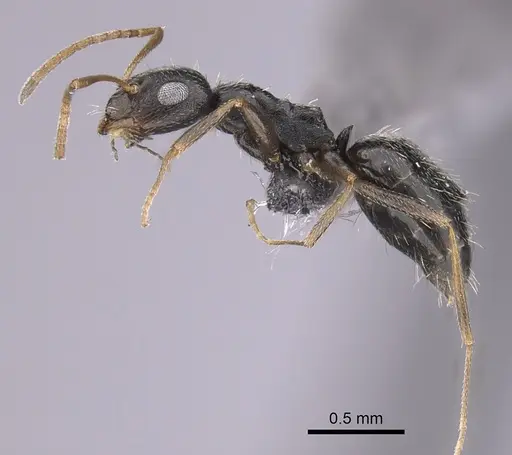
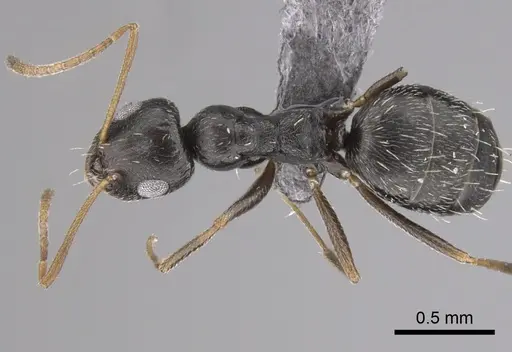
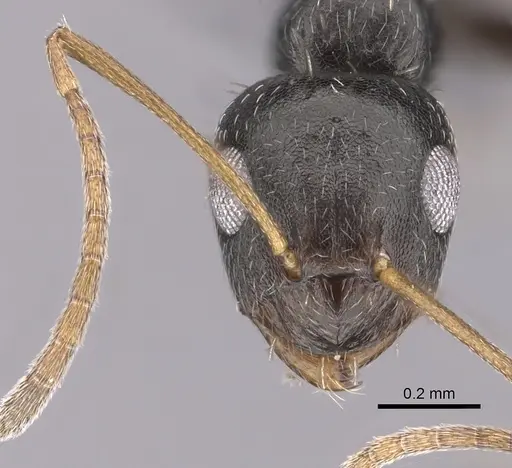
Lepisiota obtusa is a fascinating ant species belonging to the subfamily Formicinae. These ants are generally small, with workers typically ranging from 1.5 mm to 3 mm in length. They are often dark brown to black in color, with some individuals showing paler legs and antennae. A key identifying feature for the genus Lepisiota, visible under magnification, is the presence of two blunt spines or tubercles on the propodeum (the last segment of the thorax). They are known to be generalized foragers and are often found nesting in the ground, under stones, or in rotten wood. While some Lepisiota species can exhibit size variation among workers, L. obtusa generally maintains a relatively consistent worker size.
- Difficulty: Medium
- Origin & Habitat: Afrotropical and Palaearctic Regions (Eritrea, Ethiopia, Saudi Arabia, Israel, Oman) in Subtropical, Tropical, and South Temperate zones; often found in less forested areas like grasslands, savannahs, or woodlands. They can also be found in urban areas..
- Colony Type: Monogyne, claustral founding.
- Size & Growth:
- Queen: Not specified
- Worker: 1.5-3.0mm
- Colony: Medium (thousands). Medium, with steady worker production once established. growth.
- Antkeeping:
- Temperature: Maintain a temperature range of 24-28°C for optimal activity and brood development. Consistent warmth is beneficial for this species..
- Humidity: Provide a humidity gradient within the nest, aiming for approximately 60-80% in the hydration area. The outworld should be drier, around 40-60%..
- Diapause: Not required. Not specified at Not specified.
- Nesting: This species can thrive in various setups including acrylic, Ytong, or naturalistic soil/sand nests. A formicarium with good hydration capabilities and a dry outworld is recommended. They nest in the ground, under stones, or in rotten wood in their natural habitat..
- Behavior: Low (towards handler), Medium (towards food or other ants) aggressiveness.
- Common Issues: Humidity fluctuations, Overfeeding leading to waste, Colony stalling if conditions are not met.
One intriguing aspect of Lepisiota obtusa is their adaptability to various environments. Hailing from regions spanning subtropical to south temperate zones, they can thrive in diverse settings, from grasslands to urban areas. This adaptability suggests they are a fairly hardy species for antkeepers, but it's crucial to replicate their preferred temperature and humidity conditions to ensure a flourishing colony. Providing a naturalistic setup with appropriate substrates will help mimic their native nesting preferences, which include rotten wood, standing trees, or the ground.
While the genus Lepisiota is known for its generalist foraging habits, providing a varied diet is key to the health and growth of your L. obtusa colony. They are omnivores, readily accepting a mix of sugary foods like sugar water or honey-water and protein sources such as small insects. Offering a rotating selection of feeder insects like fruit flies, mealworms, or crickets will ensure they receive all necessary nutrients. Remember to always ensure any feeder insects are captive-bred to avoid introducing parasites or pesticides to your colony.
Keeping Lepisiota obtusa requires careful attention to colony size and growth rate. While they are considered a medium-sized colony, reaching into the thousands of workers, their growth can be steady. Be prepared to upgrade their living space as the colony expands to prevent overcrowding, which can lead to stress and a stalled colony. Adequate space in both the nesting area and the outworld is essential for a thriving and active colony.
Some Lepisiota species have gained notoriety for being invasive in certain areas due to their ability to form supercolonies and displace native ant species. While specific information on L. obtusa's invasive potential is limited, it's a characteristic present in some members of the genus. For antkeepers, this emphasizes the importance of responsible antkeeping practices. Always ensure your colony is securely contained, and under no circumstances should you release any ants into the wild, as this could have unforeseen ecological consequences. Proper containment is paramount for all non-native ant species.
Frequently Asked Questions
What kind of enclosure is best for a *Lepisiota obtusa* colony?
For your Lepisiota obtusa colony, you’ll want to set them up in an enclosure that provides both a humid nesting area and a drier outworld for foraging. They do well in acrylic, Ytong, or even naturalistic setups with a soil or sand mix, as long as you can maintain the right hydration levels. Look for a formicarium that offers good ventilation in the outworld but also has a reliable hydration system for their nest.
What do *Lepisiota obtusa* ants eat?
Lepisiota obtusa are pretty adaptable eaters! They’re omnivores, so a balanced diet is key. Offer them sugary liquids like diluted honey, sugar water, or commercial ant nectar for energy. For protein, small feeder insects like fruit flies, roaches, or even pieces of mealworm are great. Always make sure your protein sources are from a reputable, captive-bred supplier to avoid introducing pests or chemicals.
Do *Lepisiota obtusa* sting or bite?
Good news for antkeepers! Lepisiota obtusa workers are generally not known to sting. They might try to bite if they feel threatened, but their small size means any bite would be insignificant and cause no discomfort to a human. Their primary defense is likely their quick movement and chemical deterrents.
How large do *Lepisiota obtusa* colonies get?
Lepisiota obtusa can form pretty sizable colonies once established, typically reaching into the thousands of workers. While they might not hit the 'supercolony' numbers seen in some other Lepisiota species, a healthy colony will grow steadily, so be prepared with space for them as they expand!
Do *Lepisiota obtusa* need diapause (hibernation)?
Generally, Lepisiota obtusa do not require a diapause period. Originating from subtropical and tropical regions, they are accustomed to consistent warmth. Maintaining stable temperatures and humidity year-round is usually sufficient for their well-being and continuous brood development.
What temperature and humidity are best for *Lepisiota obtusa*?
For optimal health and brood development, aim for temperatures between 24-28°C in their nest. When it comes to humidity, they prefer a gradient. Keep the nesting area around 60-80% humidity, perhaps with a hydration area, and the outworld a bit drier, somewhere in the 40-60% range. This mimics their natural environment quite well.
Are *Lepisiota obtusa* workers all the same size?
While Lepisiota obtusa workers might appear quite uniform at first glance, like many ant species, there can be slight variations in size among them. Typically, their workers range from 1.5 to 3 mm. They don't have distinct 'major' or 'soldier' castes, so you'll primarily observe workers of similar build, even if some are a touch larger or smaller.
How fast do *Lepisiota obtusa* colonies grow?
Lepisiota obtusa colonies typically exhibit a medium growth rate. Once the queen has her first batch of workers, or 'nanitics,' you can expect a steady increase in numbers as long as their care requirements are consistently met. Providing stable conditions and a good food supply will encourage healthy and continuous expansion of your colony.
Where are *Lepisiota obtusa* naturally found?
These intriguing ants are native to parts of the Old World, specifically the Afrotropical and Palaearctic regions. You can find them in countries like Eritrea, Ethiopia, Saudi Arabia, Israel, and Oman. Their natural habitats range from subtropical and tropical areas to south temperate zones, often preferring open, less forested environments.
Are *Lepisiota obtusa* a good species for beginners?
Given their specific temperature and humidity needs, and the fact that detailed care information can be a bit less common compared to more popular beginner species, Lepisiota obtusa might be considered a 'medium' difficulty species. They’re manageable for those with some prior antkeeping experience or beginners who are committed to thorough research and consistent care.
What does the queen of *Lepisiota obtusa* look like?
Like most ant queens, the Lepisiota obtusa queen will be noticeably larger than her worker ants, particularly in her gaster and mesosoma (the middle section where her wings were attached before founding). She will also have tell-tale wing scars where her wings once were. While specific measurements aren't always readily available, expect her to be proportionally larger to accommodate her egg-laying duties.
How long does it take for *Lepisiota obtusa* eggs to become workers?
The full development time from egg to adult worker for Lepisiota obtusa typically takes about 4 to 6 weeks, depending on the temperature and overall health of the colony. Consistent warmth and a good food supply will help ensure steady and efficient brood development.
What are the unique characteristics of *Lepisiota obtusa*?
One of the defining features of the Lepisiota genus, including L. obtusa, is the presence of two blunt spines or tubercles on their propodeum. While small, this detail helps distinguish them. They are also known for being generalist foragers, adaptable to various environments, and can attend to sap-sucking insects like aphids for honeydew, making them interesting to observe in a formicarium.
Can *Lepisiota obtusa* be kept with multiple queens (polygynous)?
Current information indicates that Lepisiota obtusa is typically a monogyne species, meaning colonies are founded and maintained by a single queen. While some Lepisiota species might exhibit polygyny or even supercolony formation, for L. obtusa, it's safest to assume a single-queen setup for successful colony establishment and long-term health.
Why is proper containment important for *Lepisiota obtusa*?
Proper containment is absolutely crucial for Lepisiota obtusa, as it is for any non-native ant species. Some members of the Lepisiota genus, like L. canescens, have a documented history of being invasive and forming destructive supercolonies if they escape into new environments. To prevent any potential ecological harm, always ensure your formicarium is escape-proof and never release ants into the wild. This is a fundamental responsibility for every antkeeper.