

Lepisiota nigrescens
- Scientific Name
- Lepisiota nigrescens
- Tribe
- Plagiolepidini
- Subfamily
- Formicinae
- Author
- Karavaiev, 1912
- Distribution
- Found in 1 countries
Lepisiota nigrescens Overview
Lepisiota nigrescens is an ant species of the genus Lepisiota. It is primarily documented in 1 countries , including Algeria. Detailed taxonomic data and occurrence records can be further explored via authoritative databases such as AntWeb or the Global Biodiversity Information Facility (GBIF).
Lepisiota nigrescens
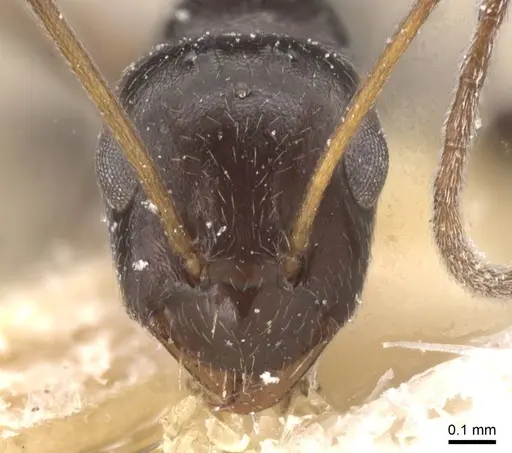
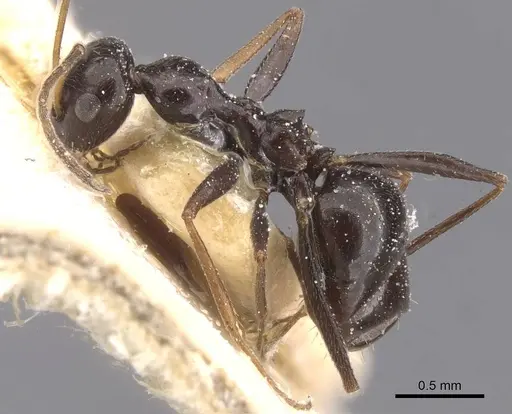
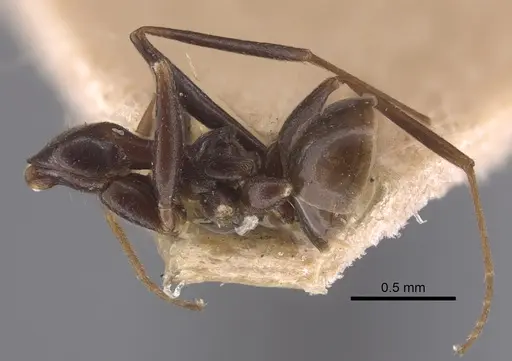
Lepisiota nigrescens is a small to medium-sized ant belonging to the subfamily Formicinae. Workers are uniformly black or black-brown in color, with a smooth pronotum (the body section behind the head) lacking any hairs, and a distinctive petiole (the narrow waist segment) that has a feebly incavate or narrowly rounded top without teeth [1]. This species was originally described from Tunisia in 1912 as a variety of Lepisiota frauenfeldi before being reclassified and raised to full species status [2].
This ant inhabits arid to semi-arid regions across North Africa and the Arabian Peninsula, including Tunisia, Libya, Saudi Arabia, the United Arab Emirates, and Yemen [3]. The species is considered Palearctic in distribution [1]. Interestingly, there have been very few recent specimens collected, with no new records documented in recent decades despite targeted surveys in the UAE [4][5]. This makes captive husbandry particularly valuable for learning more about this species.
Quick Summary
- Difficulty: Medium
- Origin & Habitat: Native to North Africa and the Arabian Peninsula, Tunisia, Libya, Saudi Arabia, UAE, and Yemen. This is a Palearctic species found in arid and semi-arid environments [3][1].
- Colony Type: Monogyne (single-queen colonies) based on typical Lepisiota genus patterns. Colony structure in the wild has not been directly documented for this specific species.
- Colony: Monogyne
- Founding: Claustral
- Size & Growth:
- Queen: Estimated 5-7mm based on genus Lepisiota patterns and related species descriptions [2]
- Worker: Estimated 2-4mm based on genus morphology [1]
- Colony: Estimated 200-500 workers based on typical Lepisiota colony sizes [2]
- Growth: Moderate, estimated 6-10 weeks from egg to first worker at optimal temperature
- Development: 6-10 weeks (estimated based on related Formicinae species) (Development time is estimated as no specific data exists for this species. Related Formicinae ants typically develop in 6-10 weeks at warm temperatures.)
- Antkeeping:
- Temperature: Keep nest area at 24-28°C. This species originates from warm arid regions and tolerates higher temperatures well. A gentle temperature gradient allows workers to self-regulate.
- Humidity: Low to moderate, aim for 40-60% humidity. These ants come from dry regions and prefer conditions that allow the nest to dry out between waterings. Provide a water tube but allow substrate to partially dry between rehydration.
- Diapause: Unknown, no specific data on winter requirements. Based on North African origin, they may have a reduced activity period during cooler months but likely do not require true hibernation. Keep at room temperature (18-22°C) during winter if colony shows reduced activity.
- Nesting: Use a dry nest setup, Y-tong, acrylic, or plaster nests work well. These ants prefer干燥 (dry) conditions and will do poorly in constantly moist environments. Provide a test tube water reservoir but ensure good ventilation.
- Behavior: Workers are small and active, typically foragers that search for food items. Based on genus behavior, they are likely moderately aggressive when defending the nest but not particularly territorial. They may form moderate-sized colonies over time. Escape prevention should be good, their small size means they can squeeze through small gaps, so use fine mesh and tight-fitting lids. They are likely day-active foragers.
- Common Issues: very limited species-specific data means care recommendations are largely estimated from genus patterns, dry habitat requirements can be tricky, too much humidity causes mold and colony decline, small worker size creates escape risk without proper barriers, no documented nuptial flight timing makes captive breeding challenging, recent field collections are extremely rare, suggesting this species may be difficult to acquire
Natural History and Distribution
Lepisiota nigrescens is native to the Palearctic region, specifically North Africa and the Arabian Peninsula. The species has been recorded in Tunisia (the type locality), Libya, Saudi Arabia, the United Arab Emirates, and Yemen [3]. Originally described in 1912 from Tunisia as a variety of Lepisiota frauenfeldi, it was later elevated to full species status by Collingwood in 1985 [2].
What makes this species particularly interesting is the scarcity of recent collection records. Despite surveys in the UAE and surrounding regions, no specimens have been collected recently [4][5]. This could indicate genuinely low populations in the wild, seasonal inactivity during collection efforts, or potentially some habitat specificity that makes them difficult to locate. For antkeepers, this means captive colonies may represent an important opportunity to learn about this species' biology.
Appearance and Identification
Workers of Lepisiota nigrescens are uniformly black or black-brown in coloration [1]. The pronotum (the first segment of the thorax) is notably smooth and lacks any hairs or setae, which is a key identification feature [6][1]. The petiole (the narrow waist connecting the thorax and abdomen) has a dorsum that is feebly incavate or narrowly rounded, without the teeth or spines seen in some related species [6].
Workers are small, estimated at 2-4mm based on typical Lepisiota morphology. Queens are larger, estimated at 5-7mm, and were described by Menozzi in 1927 [2]. The small worker size means escape prevention requires attention, these ants can squeeze through surprisingly small gaps.
Housing and Nest Setup
Lepisiota nigrescens does well in dry to moderately humid setups. Y-tong (acrylic) nests or plaster nests with good ventilation work well for this species. The key is avoiding constant moisture, these are desert-adapted ants that prefer conditions where the nest can dry out between waterings.
Provide a test tube water reservoir for humidity, but allow the nest substrate to partially dry between rehydration sessions. Good ventilation is essential to prevent mold growth. A temperature gradient of 24-28°C in the nest area with cooler areas available allows the colony to self-regulate.
Because workers are small (2-4mm), use fine mesh on any outworld connections and ensure all seams and gaps are sealed. These ants are accomplished escape artists despite their small size.
Feeding and Nutrition
Based on typical Lepisiota and Formicinae feeding behavior, these ants are omnivorous and will accept both protein and sugar sources. Offer sugar water, honey, or diluted syrup as a constant carbohydrate source. For protein, provide small insects such as fruit flies, small mealworms, or cricket pieces.
Feed protein 2-3 times per week, adjusting based on colony size and consumption. Remove uneaten prey after 24-48 hours to prevent mold. Sugar water should be available continuously in a test tube or feeder, refreshed every few days.
Colony Development and Growth
As a claustral founder, the queen seals herself in a small chamber and raises the first brood alone without foraging. She lives entirely on her stored fat reserves and wing muscles until the first workers emerge. This founding period typically takes 4-8 weeks depending on temperature.
After the first workers (nanitics) emerge, the colony gradually expands. Development from egg to worker is estimated at 6-10 weeks at optimal temperature (around 26°C). Mature colonies likely reach 200-500 workers based on typical Lepisiota sizes. Growth is moderate, don't expect rapid colony expansion.
Seasonal Care and Winter Management
The winter requirements for this species are not documented in scientific literature. Given its North African origin (Tunisia, Libya), the species likely experiences mild winters with reduced activity rather than true hibernation. In captivity, if you notice reduced colony activity during cooler months, you can lower temperatures slightly to 18-22°C for a few months.
However, many antkeepers successfully keep similar Palearctic species active year-round at room temperature. Monitor your colony, if workers become less active and cluster near warmth, a slight temperature reduction may be appropriate. Avoid cold temperatures below 15°C.
Frequently Asked Questions
How long does it take for Lepisiota nigrescens to have first workers?
Estimated 6-10 weeks from egg to first worker at optimal temperature (around 26°C). This is based on related Formicinae species development times, as specific data for this species does not exist. The claustral queen seals herself in and raises the first brood alone.
What do Lepisiota nigrescens ants eat?
They are omnivorous. Offer sugar water, honey, or diluted syrup as a constant carbohydrate source. For protein, provide small insects like fruit flies, small mealworms, or cricket pieces. Feed protein 2-3 times per week.
Are Lepisiota nigrescens good for beginners?
This species is rated as Medium difficulty. While not the most challenging ant to keep, there is very limited species-specific care information available, making it somewhat risky for complete beginners. Their dry habitat requirements and small size require attention to escape prevention.
What temperature do Lepisiota nigrescens need?
Keep the nest area at 24-28°C. This species originates from warm arid regions and tolerates higher temperatures well. A gentle temperature gradient allows workers to choose their preferred temperature.
How big do Lepisiota nigrescens colonies get?
Estimated 200-500 workers at maturity based on typical Lepisiota colony sizes. Specific colony size data does not exist for this species, but the genus generally produces moderate-sized colonies.
Do Lepisiota nigrescens need hibernation?
Unknown, no specific data exists. Based on North African origin, they likely do not require true hibernation. If colony activity decreases in winter, a slight temperature reduction to 18-22°C for a few months may be appropriate.
Can I keep multiple Lepisiota nigrescens queens together?
Not recommended. This species is likely monogyne (single-queen) based on typical Lepisiota behavior. Combining unrelated foundress queens has not been documented and could result in fighting.
Why are my Lepisiota nigrescens dying?
The most common issues are: 1) Too much humidity, these are desert ants that prefer dry conditions, 2) Escape, their small size means they can slip through tiny gaps, 3) Poor nutrition, ensure protein is offered regularly. Also note that this species has very limited documented care in captivity.
When to move Lepisiota nigrescens to a formicarium?
Wait until the colony has at least 20-30 workers before moving from a founding setup. Ensure the formicarium provides appropriate dry conditions with good ventilation. A Y-tong or plaster nest works well.
Is Lepisiota nigrescens invasive?
No. This species is native to North Africa and the Arabian Peninsula. There are no records of it being invasive elsewhere. However, never release non-native ants outside their natural range.
Where can I get Lepisiota nigrescens?
This species is very rarely collected in the wild, with no recent specimens documented despite surveys. It may be difficult to find from suppliers. When available, captive-bred colonies are preferable to wild-caught.
References

This caresheet is licensed under CC BY-SA 4.0 .
CASENT0912400
View on AntWeb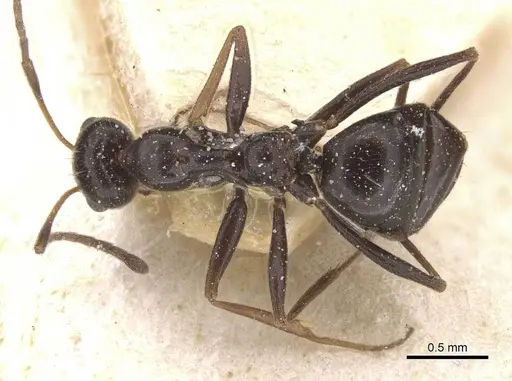
CASENT0917321
View on AntWeb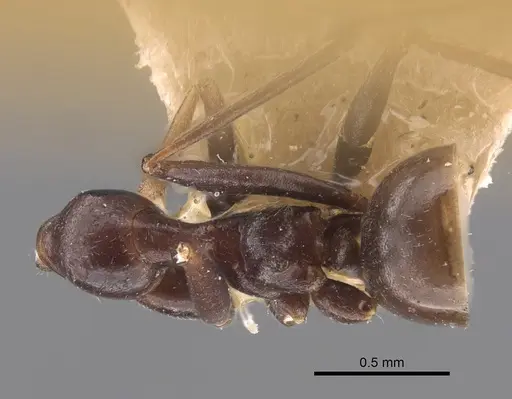
Literature
Loading...Loading products...