

Lepisiota nigra
- Scientific Name
- Lepisiota nigra
- Tribe
- Plagiolepidini
- Subfamily
- Formicinae
- Author
- Dalla Torre, 1893
- Distribution
- Found in 6 countries
Lepisiota nigra Overview
Lepisiota nigra is an ant species of the genus Lepisiota. It is primarily documented in 6 countries , including Egypt, Greece, Croatia. Detailed taxonomic data and occurrence records can be further explored via authoritative databases such as AntWeb or the Global Biodiversity Information Facility (GBIF).
Lepisiota nigra
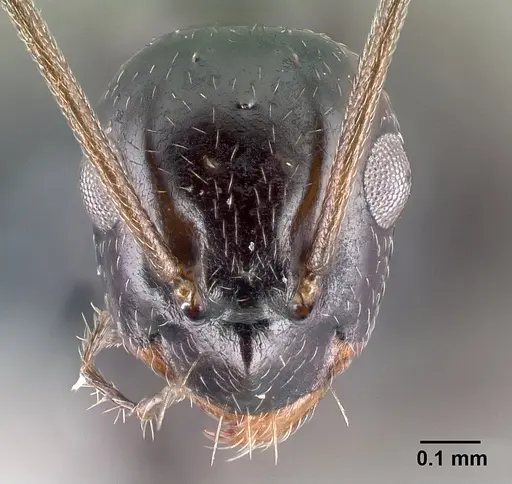
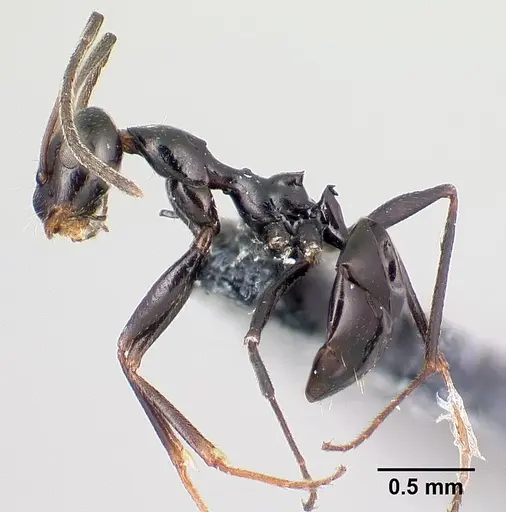
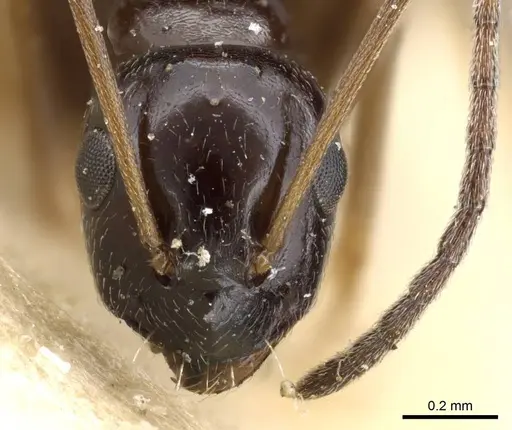
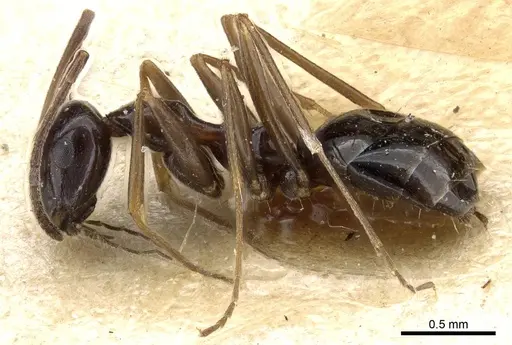
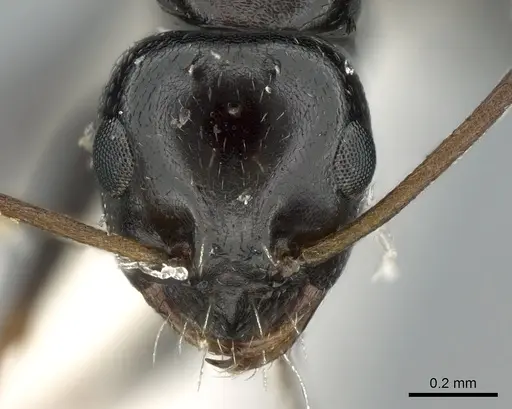
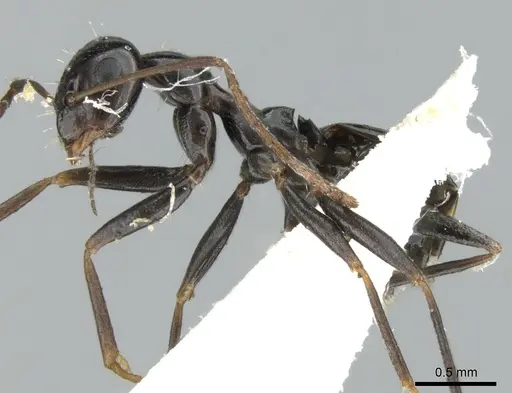
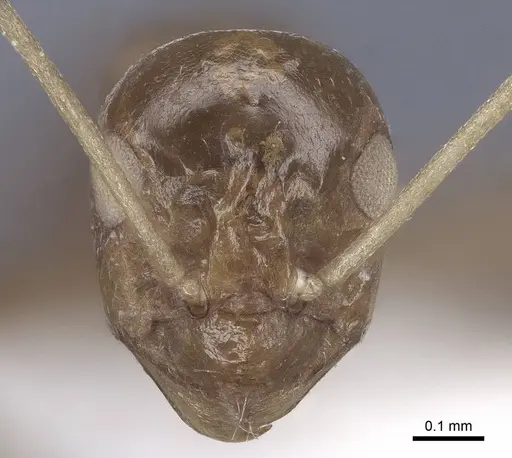
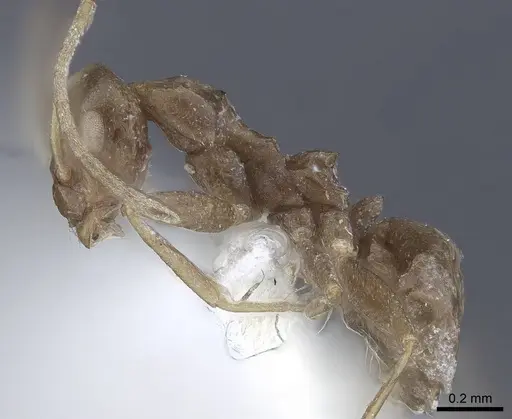
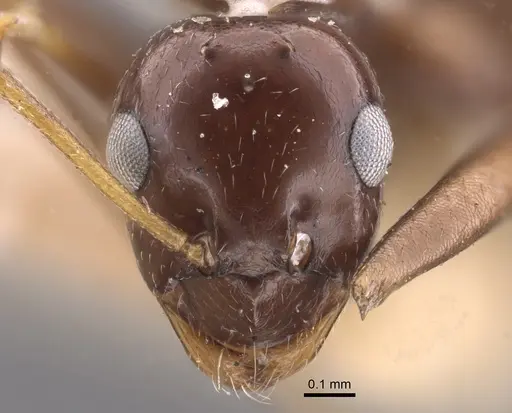
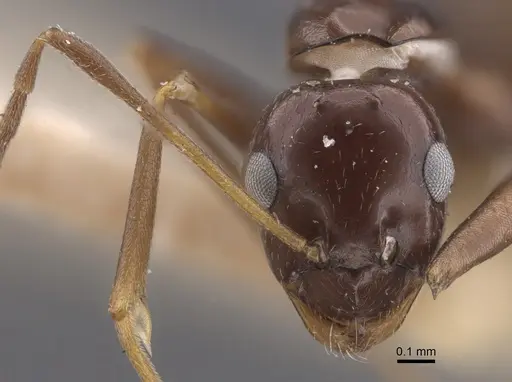
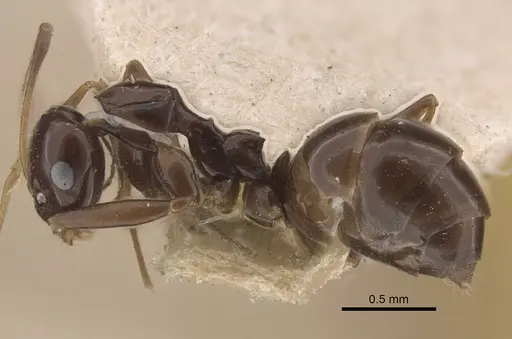
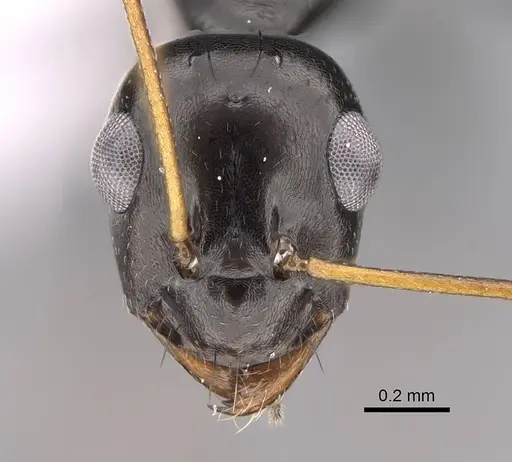
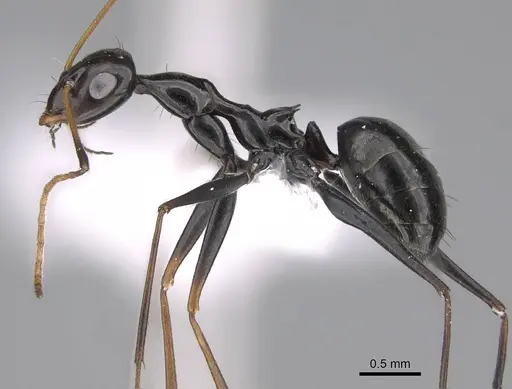
Lepisiota nigra is a small, jet-black ant species found across the Mediterranean region and into parts of the Middle East and Central Asia. Workers measure around 0.5mm in head width with notably long antennae that extend well beyond the back of the head, giving them a distinctive appearance among Mediterranean ants [1]. The entire body is dark brown to black and highly shiny, which is the key feature distinguishing it from similar species like Lepisiota frauenfeldi [2]. This species is polygynous, meaning colonies contain multiple queens, and they typically nest under flat rocks in warm, sunny locations [3]. They are highly associated with aphids and are frequently found tending various aphid species across their range [4].
Quick Summary
- Difficulty: Easy
- Origin & Habitat: Mediterranean region, found across southern Europe from Spain to Greece, including many Mediterranean islands, extending east to Iran and the Arabian Peninsula. Inhabits warm, dry open habitats including olive plantations, Mediterranean scrub (frygana), rocky coastlines, and roadsides. Most records come from low to mid altitudes, sea level up to around 500m, with the highest known location at 1450m in Crete [3][5].
- Colony Type: Polygynous, colonies contain multiple queens working together [3]. This is a confirmed trait from research on Crete populations.
- Colony: Polygyne
- Size & Growth:
- Queen: Estimated 5-7mm based on genus patterns
- Worker: 0.48-0.60mm head width,0.97-1.19mm mesosoma length [1]
- Colony: Unknown for this specific species, but related Lepisiota species typically reach several hundred workers
- Growth: Moderate, estimated based on similar Formicinae species
- Development: Estimated 6-10 weeks at optimal temperature based on genus patterns (Direct development data not available for this species. Estimates based on typical Formicinae development at warm temperatures.)
- Antkeeping:
- Temperature: Keep warm, around 22-28°C. This is a Mediterranean warmth-loving species that thrives in sunny, heated locations in the wild [3]. A heating cable on one side of the nest creates a suitable gradient.
- Humidity: Low to moderate, they naturally inhabit dry, warm Mediterranean areas. Keep the nest substrate moderately moist but allow it to dry partially between waterings. Avoid overly damp conditions.
- Diapause: Likely required, Mediterranean species typically need a cool period during winter. Reduce temperature to around 15-18°C for 2-3 months during winter months.
- Nesting: Nests under flat rocks in sunny locations in the wild [3]. In captivity, they do well in naturalistic setups with flat stones or in Y-tong/plaster nests with narrow chambers. They prefer tight, enclosed spaces scaled to their tiny size.
- Behavior: Generally calm and non-aggressive. Workers are small but active foragers, primarily tending aphids for honeydew but also hunting small prey. They are not known for aggressive defense and rarely sting. Their small size means escape prevention is important, use fine mesh and tight-fitting lids. They are most active in warm conditions and will slow significantly when cooler.
- Common Issues: escape prevention is critical due to their very small size, they can squeeze through standard test tube cotton if gaps exist, overheating is a risk, while they like warmth, direct heat sources can quickly kill colonies in small nests, colonies may fail if kept too damp, these are naturally dry habitat ants, aphid-tending behavior means they may ignore sugar water if honeydew is available, offer protein sources regularly, multi-queen colonies can grow large quickly, ensure adequate space as the colony expands
Nest Preferences
In the wild, Lepisiota nigra nests exclusively under flat rocks in sunny locations [3]. They prefer rocky substrates and are commonly found in areas with limestone, particularly in Mediterranean scrubland (frygana), olive plantations, and along rocky coastlines. The nests are often hidden in rock crevices with a strong preference for areas close to the sea [6]. For captive colonies, a naturalistic setup with flat stones placed on moist substrate works well. Alternatively, Y-tong (acrylic) nests with narrow chambers scaled to their tiny size are suitable. Plaster nests can also work if kept relatively dry. Avoid tall, open spaces, these ants prefer tight, enclosed chambers. Test tube setups work for founding colonies but may need upgrading as the colony grows due to their polygynous nature and potential for larger colony sizes.
Feeding and Diet
This species is a confirmed aphid tender, with documented associations with at least 11 different aphid species including Aphis fabae, Aphis gossypii, Brachycaudus helichrysi, Cinara pini, and many others [4]. In captivity, offer sugar water or honey water as a constant energy source, they will readily accept these even without aphids present. For protein, offer small insects like fruit flies, pinhead crickets, or mealworms. Since they are natural aphid tenders, they may ignore sugar sources if overfed on protein, so maintain a balanced approach. Feed protein 2-3 times per week and keep sugar water available at all times. They are not picky eaters and will accept most small arthropods.
Temperature and Seasonal Care
As a thermophilous (warmth-loving) Mediterranean species, Lepisiota nigra thrives at warm temperatures. Keep the nest area at 22-28°C, with a slight gradient allowing workers to choose their preferred temperature. A heating cable placed on top of the nest (never underneath where it can cause drying) helps maintain warmth. During winter, they likely require a diapause period, reduce temperatures to 15-18°C for 2-3 months. This mimics their natural cycle in Mediterranean regions with cool but not freezing winters. Do not cool them dramatically, a mild hibernation is sufficient. Monitor colony activity, if workers become sluggish but remain alive, the diapause is proceeding normally. Resume normal temperatures gradually in spring. [3][5]
Behavior and Colony Structure
Lepisiota nigra is polygynous, meaning colonies naturally have multiple queens [3]. This is unusual among many ant species and means your colony can support a larger population than single-queen species. Queens can coexist peacefully in established colonies. Workers are small but active, foraging both on the ground and on vegetation when tending aphids. They are not particularly aggressive and do not have a painful sting. Their small size (around 0.5mm worker width) means they can be overlooked but also means they require fine mesh for proper containment. Colonies grow at a moderate pace, and the presence of multiple queens can accelerate growth once the colony is established.
Escape Prevention
Despite their small size, Lepisiota nigra workers are capable of escaping through small gaps. Use excellent escape prevention including fine mesh (at least 0.5mm or smaller), tight-fitting lids on any outworld, and barrier methods like fluon on nest edges. Test tube setups should have cotton plugs that are firmly packed. When moving to formicariums, ensure all connections are sealed. Their small size means they can even squeeze through gaps in standard tubing. Check enclosures regularly and be vigilant, especially when the colony is small. A small escape now can become a big problem later.
Frequently Asked Questions
Can I keep Lepisiota nigra in a test tube?
Yes, test tubes work well for founding colonies. Use tightly packed cotton and ensure the water reservoir is appropriately sized. However, due to their polygynous nature and potential for larger colonies, be prepared to upgrade to a larger setup within 6-12 months as the colony grows.
When should I move my Lepisiota nigra colony to a formicarium?
Move to a formicarium when the colony reaches around 50-100 workers or when the test tube becomes cramped. Their polygynous nature means colonies can grow larger than single-queen species, so monitor space availability.
How long does it take for Lepisiota nigra to produce first workers?
Exact timing is unconfirmed for this species, but based on typical Formicinae development, expect first workers (nanitics) within 6-10 weeks after the queen lays eggs, assuming optimal temperatures around 24-26°C.
Can I keep multiple Lepisiota nigra queens together?
Yes, this is natural for the species. Lepisiota nigra is polygynous, meaning colonies naturally have multiple queens [3]. Unlike many species where multiple queens will fight, these queens coexist peacefully in established colonies.
What do Lepisiota nigra ants eat?
They primarily feed on honeydew from aphids in the wild [4]. In captivity, offer sugar water or honey water constantly, along with small protein sources like fruit flies, small crickets, or mealworms 2-3 times per week.
What temperature do Lepisiota nigra ants need?
Keep them warm at 22-28°C. This Mediterranean species prefers warm conditions and will be most active in this temperature range. A slight gradient allowing them to choose warmer or cooler areas is ideal.
Are Lepisiota nigra good for beginners?
Yes, they are considered easy to keep. They are tolerant of varying conditions within their preferred range, not aggressive, and accept a wide variety of foods. The main challenges are escape prevention due to their small size and providing appropriate warmth.
Do Lepisiota nigra need hibernation?
Yes, they likely require a winter rest period. Reduce temperatures to around 15-18°C for 2-3 months during winter. This mimics their natural Mediterranean climate cycle.
Why are my Lepisiota nigra dying?
Common causes include: too much moisture (they prefer dry conditions), temperatures that are too cold or too hot, escape through small gaps, or insufficient food. Check that the nest is not overly damp, temperatures are in the 22-28°C range, and escape prevention is adequate.
How big do Lepisiota nigra colonies get?
Exact colony size is unconfirmed, but as a polygynous species with multiple queens, colonies can reach several hundred workers. Related species in the genus typically reach moderate sizes.
References

This caresheet is licensed under CC BY-SA 4.0 .
CASENT0179896
View on AntWeb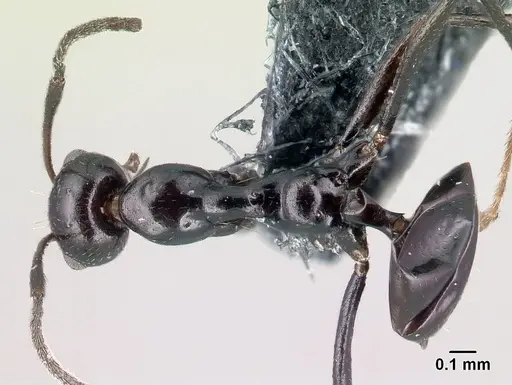
CASENT0905148
View on AntWeb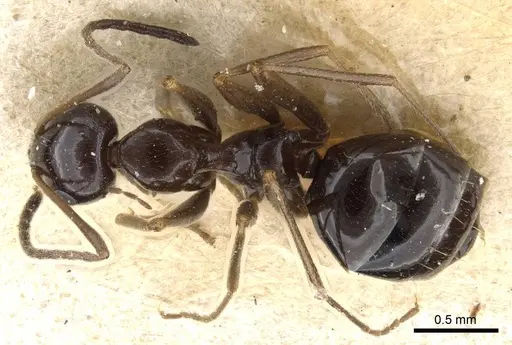
CASENT0906265
View on AntWeb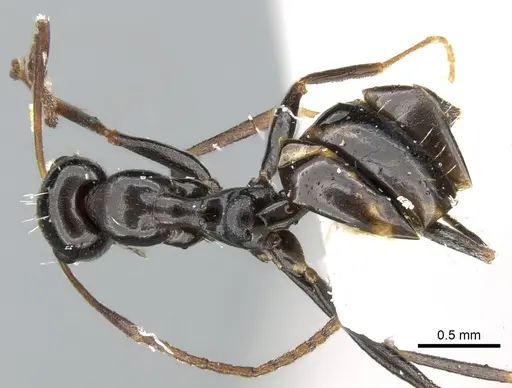
CASENT0916784
View on AntWeb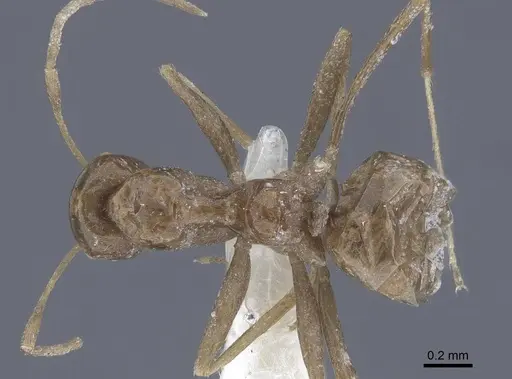
CASENT0917322
View on AntWeb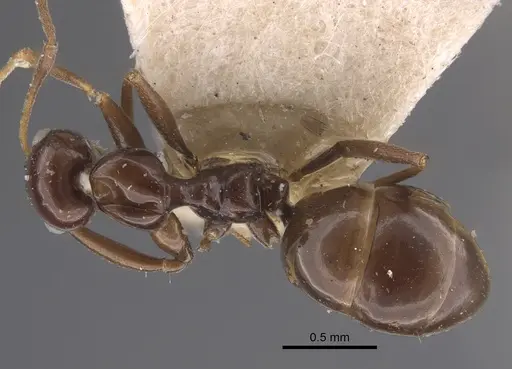
CASENT0922843
View on AntWeb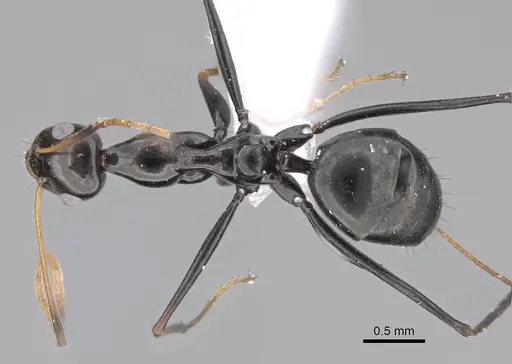
Literature
Loading...Loading products...