

Lepisiota integra
- Scientific Name
- Lepisiota integra
- Tribe
- Plagiolepidini
- Subfamily
- Formicinae
- Author
- Forel, 1894
- Distribution
- Found in 1 countries
Lepisiota integra Overview
Lepisiota integra is an ant species of the genus Lepisiota. It is primarily documented in 1 countries , including India. Detailed taxonomic data and occurrence records can be further explored via authoritative databases such as AntWeb or the Global Biodiversity Information Facility (GBIF).
Lepisiota integra
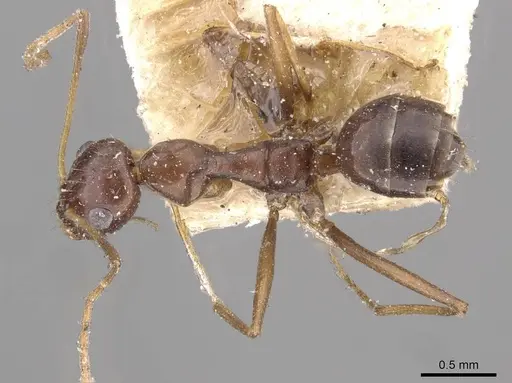
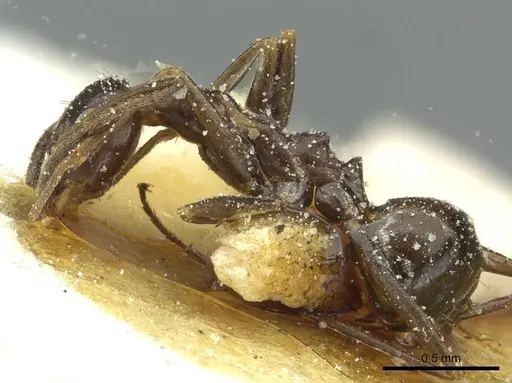
Lepisiota integra is a medium to large-sized ant native to the Himalayan region of India, Pakistan, and Afghanistan. Workers measure 3-4mm with a dull, uniformly reddish-brown body and a distinctive notched (emarginate) petiole topped with small teeth. This species was originally described as a variety of Lepisiota frauenfeldi in 1894 but was elevated to full species status in 2021. It can be distinguished from similar species by its matte body surface and the notched shape of its petiole. Found across a wide altitude range from 250 to 2700 meters, these ants inhabit both forest and non-forest areas throughout the Himalayan foothills, making them adaptable to various conditions [1][2].
Quick Summary
- Difficulty: Medium
- Origin & Habitat: Himalayan region of India (Himachal Pradesh, Jammu and Kashmir, Madhya Pradesh, Meghalaya, Punjab, Uttarakhand), Pakistan, and Afghanistan. Found from 250-2700m elevation in both forest and non-forest habitats [1][2][3].
- Colony Type: Colony structure is unconfirmed. Based on related Lepisiota species, likely single-queen colonies but further research needed.
- Size & Growth:
- Queen: Unconfirmed, no documented queen measurements for this species
- Worker: 3.04-3.08mm total length [1]
- Colony: Unknown, no colony size data available
- Growth: Moderate, inferred from related species
- Development: Unknown, no direct development data. Based on similar Formicinae species, expect 6-10 weeks at optimal temperature (Development timeline is estimated from related species in the genus)
- Antkeeping:
- Temperature: Keep around 20-24°C. The high-altitude Himalayan distribution (up to 2700m) suggests they can tolerate cooler conditions than typical tropical ants. A gentle gradient with a warm side around 24°C and cooler area around 20°C allows workers to self-regulate [2].
- Humidity: Moderate humidity preferred. Provide a moist nest chamber but allow some drying between waterings. These ants are found in varied habitats including non-forest areas, suggesting reasonable adaptability to moisture levels. Avoid both saturated conditions and complete drying.
- Diapause: Likely yes, Himalayan origin suggests they need a winter rest period. Based on altitude tolerance (250-2700m), expect they experience cooler winters naturally. Reduce temperature to 10-15°C for 2-3 months during winter [2].
- Nesting: Accepts various nest types. In captivity, Y-tong (AAC), plaster, or test tube setups work well. Provide narrow chambers scaled to their medium size. They naturally nest in soil and under stones in the wild, so a naturalistic setup with some soil depth is appreciated.
- Behavior: Generally active and alert workers. As an opportunist species found across multiple habitats and seasons, they are adaptable foragers. Workers are medium-sized and capable climbers, use standard escape prevention but no special measures beyond typical formicarium barriers. Likely not aggressive but will defend the nest if threatened. Foraging style is generalist, they accept varied food sources and are regularly found at honey baits in the wild [1].
- Common Issues: lack of colony data makes care recommendations uncertain, start with moderate conditions and adjust based on colony behavior, high-altitude origin means they may struggle in warm, dry indoor environments without temperature control, no documented queen size means founding colony care is based on genus-level inference, hibernation requirements are inferred but not directly studied, monitor colony response during winter rest
Natural History and Distribution
Lepisiota integra hails from the Himalayan foothills spanning northern India, Pakistan, and Afghanistan. This species demonstrates remarkable adaptability, found from low elevations around 250 meters up to high altitudes of 2700 meters above sea level. Such a wide altitudinal range is unusual and suggests these ants can tolerate significant temperature variation. They inhabit both forested areas and open non-forest habitats, indicating ecological flexibility. Originally described as a variety of Lepisiota frauenfeldi in 1894,this ant was elevated to full species status in 2021 based on taxonomic review. The species is distinguished from its close relative L. frauenfeldi by its dull, uniformly reddish-brown coloration (versus the shinier, paler appearance of L. frauenfeldi with orange legs and antennae) and its notched petiole shape [1][2][3].
Identification and Distinguishing Features
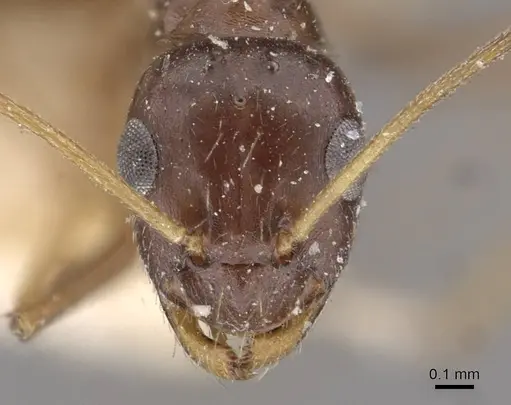
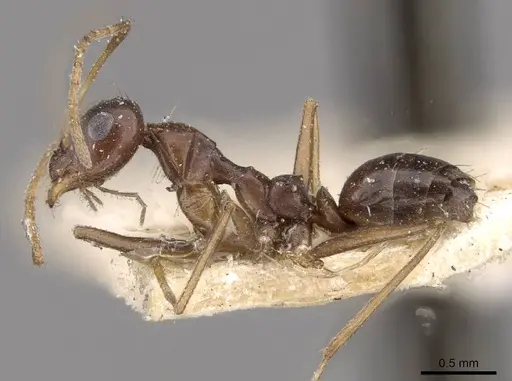
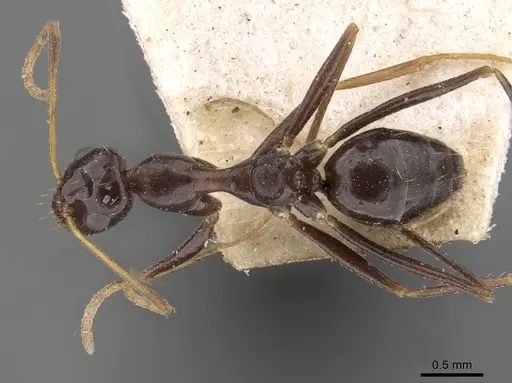
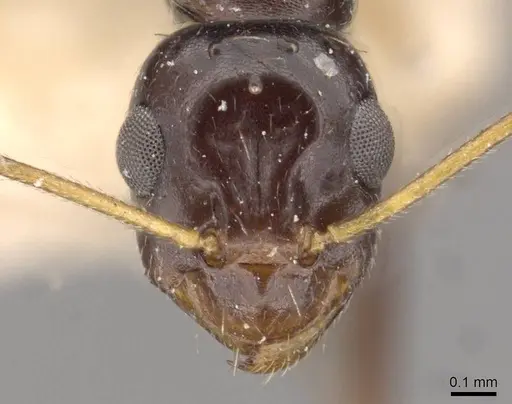
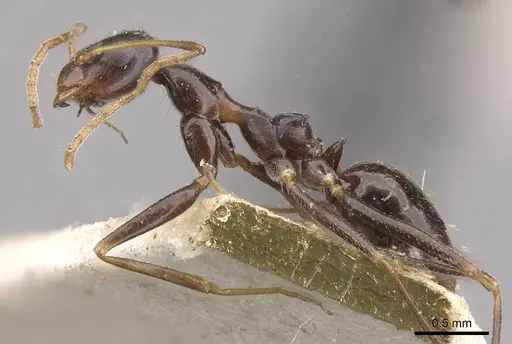
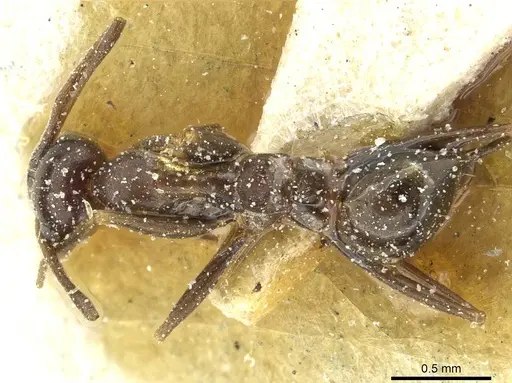
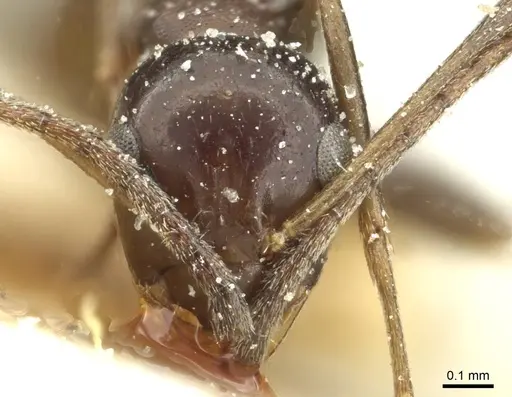
Workers of Lepisiota integra measure approximately 3-4mm in total length, making them a medium-sized ant. The body has a distinctive dull, matte appearance due to dense micro-reticulation on the surface. The most recognizable feature is the petiole (the narrow waist segment) which stands upright with angular sides and a notched (emarginate) dorsal surface topped with small tooth-like corners. In profile, the mesosoma has a characteristic dumbbell shape due to a strong constriction between the pronotum and propodeum. The propodeum (the rear portion of the mesosoma) bears a pair of short spines pointing backward. Body color is uniformly reddish-brown without the contrasting patterns seen in some related species. Workers have three ocelli (simple eyes) on the head and relatively large eyes that project beyond the head margins [1].
Temperature and Seasonal Care
Given their Himalayan origin spanning 250-2700m elevation, Lepisiota integra likely experiences significant seasonal temperature variation in the wild. This suggests they can tolerate cooler conditions than many tropical ant species. In captivity, aim for a temperature range of 20-24°C with a thermal gradient allowing workers to choose their preferred zone. During summer months, room temperature is likely suitable, but watch for overheating in warm enclosures. For winter, expect they need a diapause period, reduce temperatures to 10-15°C for 2-3 months. This aligns with the observation that the genus Lepisiota remains active throughout all seasons in the Punjab Shivalik region, including winter, suggesting they have adaptations for cooler conditions rather than true dormancy [2][4].
Feeding and Diet
As an opportunist species, Lepisiota integra likely accepts a varied diet similar to other Lepisiota species. In the wild, workers were collected using honey baits, indicating they readily consume sugary substances. They are also foragers on vegetation (collected by beating vegetation) and likely supplement their diet with small insects and honeydew. In captivity, offer a mix of sugar water or honey as a constant energy source, along with protein-rich foods like small crickets, mealworms, or other appropriate-sized prey. Feed protein 2-3 times per week and ensure sugar sources are always available. Their generalist foraging habits suggest they are not difficult feeders, but observe your colony's preferences and adjust accordingly [1].
Nesting and Housing
In their natural habitat, Lepisiota integra nests in soil and under stones across varied terrain from the Himalayan foothills. For captive care, standard formicarium setups work well. Y-tong (acrylic) nests, plaster nests, or test tube setups all provide suitable housing. The key is providing appropriately sized chambers, not too large for small colonies, but with room to expand. These are medium-sized ants, so chambers should be scaled accordingly. Include a water moisture source (test tube with water and cotton, or a small water reservoir in the formicarium) to maintain moderate humidity. A layer of substrate for digging is appreciated but not strictly necessary if using pre-formed chambers. Escape prevention should be standard, these workers are not particularly small but use proper barriers regardless.
Colony Development and Growth
Specific colony development data for Lepisiota integra is not documented in available literature. Based on related species in the genus and the Formicinae subfamily, expect a relatively moderate growth rate. A newly mated queen will likely seal herself in a chamber (claustral founding) and raise her first brood alone using stored fat reserves. The first workers (nanitics) will be smaller than mature workers. From there, colony growth depends on environmental conditions, particularly temperature and food availability. Maximum colony size is unknown but related Lepisiota species typically reach several hundred to a few thousand workers. Patience is key, Formicinae species often develop more slowly than some tropical myrmicines. Monitor your colony's behavior: active foraging and brood production indicate good conditions.
Frequently Asked Questions
How long does it take for Lepisiota integra to raise their first workers?
The exact development timeline is unknown for this species. Based on related Formicinae ants, expect 6-10 weeks from egg to first worker at optimal temperature (around 22-24°C). The queen will remain sealed in her founding chamber until nanitics emerge.
What temperature do Lepisiota integra ants need?
Keep them at 20-24°C with a gentle gradient. Their Himalayan origin (found up to 2700m elevation) suggests they can tolerate cooler conditions than typical tropical ants. A warm side around 24°C and cooler area around 20°C works well.
Do Lepisiota integra ants need hibernation?
Likely yes. Based on their high-altitude Himalayan distribution, they probably experience natural winter cooling. Reduce temperatures to 10-15°C for 2-3 months during winter. Monitor your colony, if they become less active in winter, this confirms their need for a diapause period.
What do Lepisiota integra ants eat?
They are generalist feeders. Offer sugar water or honey constantly for energy, along with protein sources like small crickets, mealworms, or other appropriately-sized insects 2-3 times per week. They readily accept honey baits in the wild.
Are Lepisiota integra ants good for beginners?
Difficulty is moderate. They are adaptable and not particularly aggressive, but specific care data is limited since the species was only recently elevated to full species status in 2021. Start with moderate conditions (20-24°C, standard humidity) and adjust based on your colony's behavior.
How big do Lepisiota integra colonies get?
Maximum colony size is not documented. Based on related Lepisiota species, expect several hundred to possibly a few thousand workers at maturity. Growth is likely moderate.
What makes Lepisiota integra different from similar species?
They have a distinctive dull, uniformly reddish-brown body (not shiny like L. frauenfeldi) and a notched petiole with small teeth. They were only recognized as a separate species from L. frauenfeldi in 2021.
Can I keep multiple Lepisiota integra queens together?
Colony structure is unconfirmed for this species. Combining unrelated queens is not recommended since it hasn't been documented. If you obtain a wild colony, observe for queen number, most Lepisiota are single-queen species.
When should I move my colony to a formicarium?
Move from test tube to a proper formicarium when the colony reaches 20-30 workers and the test tube space becomes cramped. Ensure the new setup maintains appropriate temperature and humidity before transferring.
References

This caresheet is licensed under CC BY-SA 4.0 .
Literature
Loading...Loading products...