

Lepisiota crinita
- Scientific Name
- Lepisiota crinita
- Tribe
- Plagiolepidini
- Subfamily
- Formicinae
- Author
- Mayr, 1895
- Common Name
- Small Hairy Sugar ant
- Distribution
- Found in 3 countries
Lepisiota crinita Overview
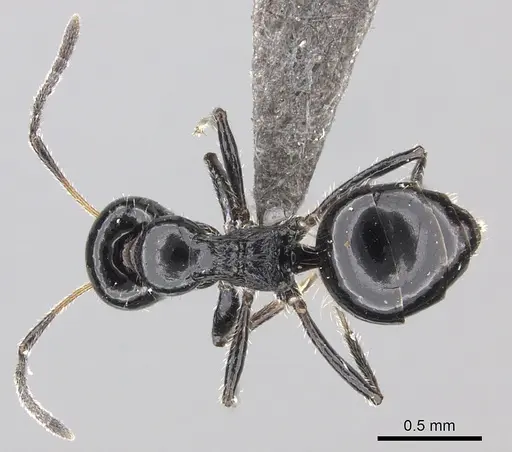
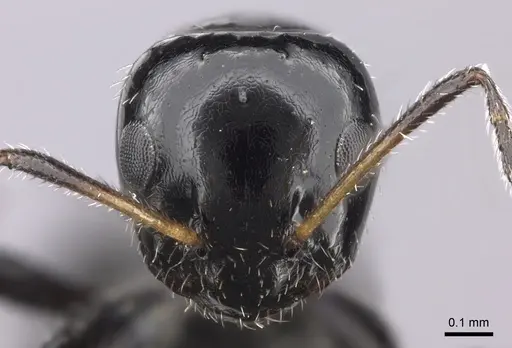
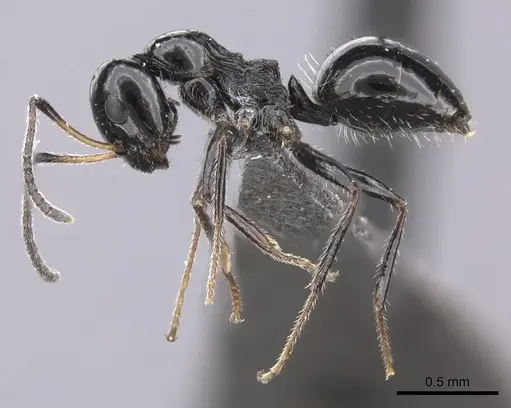
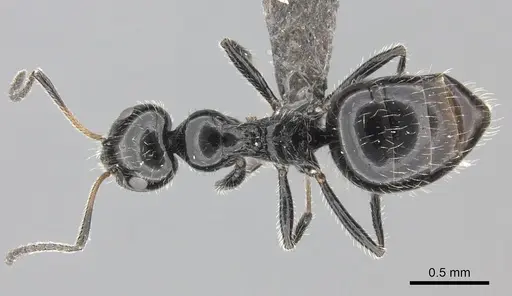
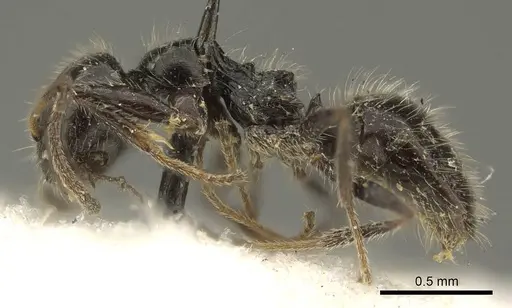
Lepisiota crinita (commonly known as the Small Hairy Sugar ant) is an ant species of the genus Lepisiota. It is primarily documented in 3 countries , including Eswatini, South Africa, Zimbabwe. Detailed taxonomic data and occurrence records can be further explored via authoritative databases such as AntWeb or the Global Biodiversity Information Facility (GBIF).
Lepisiota crinita - "Small Hairy Sugar ant"
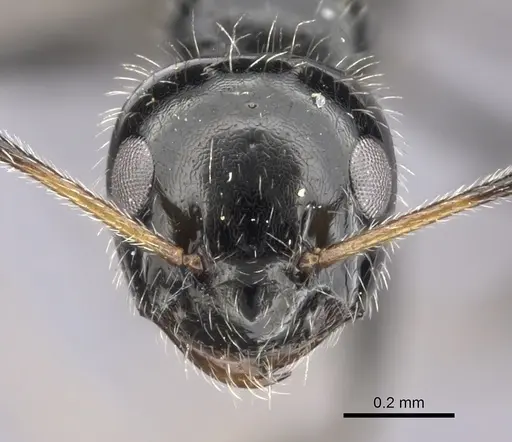
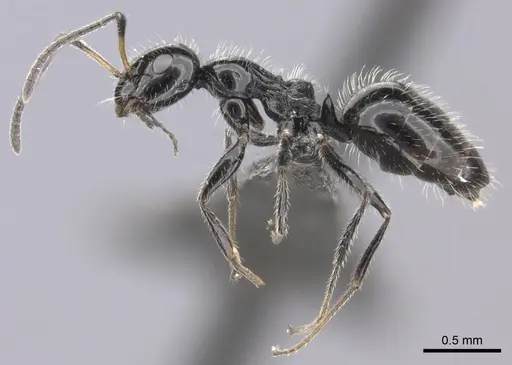
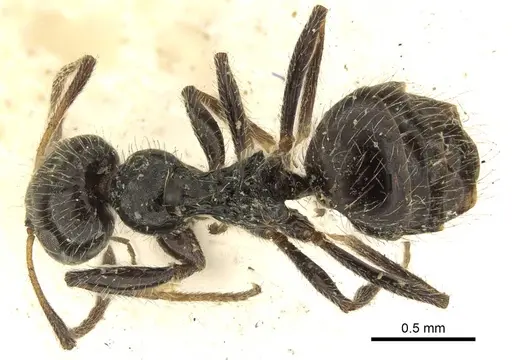
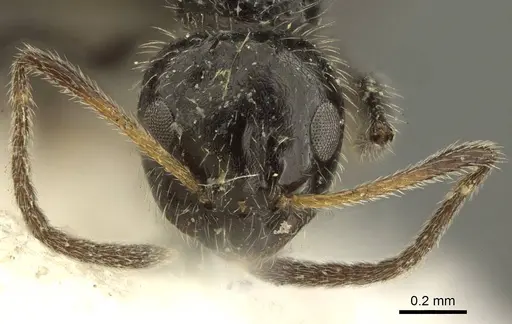
Lepisiota crinita is a small ant species native to southern and eastern Africa, found across South Africa, Eswatini, and Kenya. Workers are tiny at just 2-3mm, with the characteristic silky appearance common to the genus, they have a smooth, glossy body with a distinct petiole (the narrow waist segment) that helps identify them as Formicinae ants. Queens are larger at around 5-6mm and have the robust build typical of founding queens in this genus.
This species inhabits a variety of environments across its range, from forest understories to agricultural areas in the middleveld elevation zone. Research shows they prefer damp, shaded microhabitats and are most commonly found in forest habitats and natural grasslands. They appear to be flexible foragers that can adapt to different land-use types, though they avoid the hotter lowveld regions.
Quick Summary
- Difficulty: Easy
- Origin & Habitat: Southern and eastern Africa, South Africa, Eswatini, and Kenya. Found in forest habitats, thicket areas, sedgeland-herbland, and agricultural areas in middleveld elevations. Prefers damp, shaded microhabitats and avoids hot lowveld regions [1][2][3].
- Colony Type: Colony structure is unconfirmed. Based on related Lepisiota species, likely single-queen (monogyne) colonies with ergatoid replacement reproductives possible.
- Size & Growth:
- Queen: Approximately 5-6mm, estimated from genus patterns
- Worker: 2-3mm [1]
- Colony: Likely up to several hundred workers, estimated from genus patterns
- Growth: Moderate, estimated from related species
- Development: 6-10 weeks, estimated based on typical Formicinae development at warm temperatures (Development time is estimated from related Lepisiota species and typical Formicinae patterns. Warm temperatures (24-28°C) will accelerate development.)
- Antkeeping:
- Temperature: Keep at 24-28°C. They come from warm African habitats, so a heating cable on one side of the nest creates an ideal temperature gradient. Room temperature may suffice in warmer homes, but supplemental heating typically improves colony activity and growth.
- Humidity: Moderate to high humidity preferred. Keep the nest substrate consistently moist but not waterlogged. These ants naturally inhabit damp forest floors, so occasional misting of the outworld helps maintain appropriate humidity levels. Provide a water tube for drinking.
- Diapause: Likely mild or no true diapause, estimated from their tropical/subtropical origin. Related African Lepisiota species may reduce activity during cooler months but don't require full hibernation. You can reduce temperatures slightly (to around 18-20°C) for 2-3 months in winter if the colony shows reduced activity.
- Nesting: Use a test tube setup for founding colonies. Once established (50+ workers), a Y-tong or acrylic nest works well. They prefer tight, humid chambers similar to their natural forest-floor habitat. Avoid dry, airy setups.
- Behavior: Workers are active foragers that readily explore both the nest and outworld. They are not particularly aggressive toward keepers but will defend their colony if threatened. Their small size means they are quick-moving and can slip through small gaps, excellent escape prevention is essential. They likely communicate through chemical signals and may use tandem-running to recruit nestmates to food sources, similar to other Formicinae ants. Workers are omnivorous, collecting both sugar sources and protein prey.
- Common Issues: escape prevention is critical, their tiny 2-3mm size means they squeeze through standard mesh and gaps in lid seals, colonies grow slowly in the first months, which can frustrate beginners who overfeed or disturb the nest, wild-caught colonies may carry parasites that can decimate captive colonies, quarantine and observe new colonies, test tube setups can flood if water reservoirs are overfilled, use appropriate tube sizes, they may abandon nests that become too dry or too cold
Housing and Nest Setup
For a newly caught queen, a standard test tube setup works perfectly. Fill the tube one-third with water, plug with cotton, and place the queen in the dark. The cotton should be tight enough to prevent flooding but allow moisture to diffuse through. Keep the tube horizontal with the cotton end slightly elevated, and cover with a dark cloth to reduce stress.
Once your colony reaches 40-60 workers, you can transition to a small formicarium. A Y-tong (acrylic) nest with narrow chambers suits their small size well. They prefer chambers that feel snug, these ants naturally nest in tight spaces under stones and in rotting wood on the forest floor. Keep the nest material slightly moist, dry conditions cause colonies to abandon their nest. A water tube in the outworld provides drinking water, which is especially important as the colony grows. [1]
Feeding and Diet
Lepisiota crinita is omnivorous like most Formicinae ants. Offer sugar water or diluted honey as a constant energy source, a small drop on aluminum foil or a cotton ball works well. For protein, provide small insects like fruit flies, pinhead crickets, or mealworm pieces. In the wild, they forage for honeydew from aphids and scale insects, so they readily accept sweet liquids.
Feed small prey items that match worker size, their tiny workers cannot tackle large insects. A few small crickets or fruit flies twice weekly, plus a constant sugar source, keeps colonies healthy. Remove uneaten prey after 24-48 hours to prevent mold. As the colony grows, increase food quantities but always remove excess to maintain cleanliness.
Temperature and Heating
These African ants prefer warm conditions. Maintain nest temperatures between 24-28°C for optimal brood development. A small heating cable placed on top of the nest (never under it, which causes moisture evaporation) creates a gentle warmth gradient. Many keepers simply use a heat mat set to low under one end of the formicarium.
Room temperature (around 20-22°C) may be sufficient for established colonies, but you'll notice increased activity and faster growth when warmed. During winter, if your home stays above 18°C, no additional heating is needed. If temperatures drop lower, a brief 2-3 month cooling period at 15-18°C mimics their natural seasonal slowdown. Avoid temperatures below 15°C for extended periods. [1][2]
Humidity Management
Keep nest substrate moderately moist. These ants naturally inhabit damp forest floors, so they tolerate and prefer humidity. The test tube water reservoir naturally provides humidity through the cotton, you don't need to mist inside the nest. For formicarium setups, check the nest material weekly, if it appears dry or pulling away from edges, add a few drops of water.
Simultaneously, ensure adequate ventilation to prevent mold. Stagnant, overly humid air causes fungal problems that can kill colonies. The outworld can be drier than the nest, occasional misting is fine but not required. Balance is key: damp enough for the nest, ventilated enough to prevent mold. [1]
Behavior and Observation
Workers are active foragers that readily explore their environment. You'll see them sending scout ants to investigate new food sources, then recruiting nestmates through chemical trails. They are not aggressive toward keepers, their small size means they pose little threat, and they will simply flee or hide when disturbed.
Their small size is their main challenge for keepers. They move quickly and can slip through gaps you wouldn't expect. Always use fluon or another barrier on the rim of your formicarium, and check that lid seals are tight. A small gap that a 5mm Camponotus worker couldn't pass is no obstacle for these 2mm ants.
Frequently Asked Questions
How long does it take for Lepisiota crinita to produce first workers?
Expect first workers (nanitics) around 6-10 weeks after the queen lays eggs, assuming temperatures around 24-28°C. This is an estimate based on related Formicinae species, actual timing depends on temperature and whether the queen is feeding properly. The first workers will be smaller than mature workers.
Can I keep multiple Lepisiota crinita queens together?
Not recommended. While colony structure is unconfirmed for this species, related Lepisiota are typically single-queen colonies. Combining unrelated queens usually results in fighting. If you catch multiple queens, house them separately until you determine if they will tolerate each other, most will not.
Do Lepisiota crinita need hibernation?
Probably not a true diapause. Since they come from tropical/subtropical Africa, they don't require cold hibernation. You can reduce temperatures slightly (to around 18°C) for 2-3 months in winter if the colony naturally slows down, but full hibernation is unnecessary and could be harmful.
Why are my Lepisiota crinita escaping?
Their tiny 2-3mm size allows them to squeeze through gaps invisible to the human eye. Check your formicarium lid seals, apply fluon to rims, and ensure air holes are covered with fine mesh. Standard ant keeping barriers may not work, use the finest mesh available.
How big do Lepisiota crinita colonies get?
Based on related species, colonies likely reach several hundred workers at maturity. This is a small to medium-sized ant species, not a massive colony former. Expect 200-500 workers in a well-established colony.
Are Lepisiota crinita good for beginners?
Yes, they are considered easy to keep. They are forgiving of minor temperature and humidity variations, don't require special diets, and are not aggressive. The main challenge is their tiny size requiring excellent escape prevention. If you can manage that, they are rewarding beginners.
What do Lepisiota crinita eat?
They are omnivorous. Offer sugar water or honey as a constant energy source, plus small protein prey like fruit flies, pinhead crickets, or mealworm pieces. They will also collect honeydew if aphids are available in the outworld.
When should I move my colony to a formicarium?
Move from test tube to formicarium once the colony has 40-60 workers and the test tube shows signs of drying or the queen is spending time in the outworld looking for space. Moving too early stresses the colony, waiting too long can cause queen death from mold or drying.
References

This caresheet is licensed under CC BY-SA 4.0 .
Literature
Loading...Loading products...