

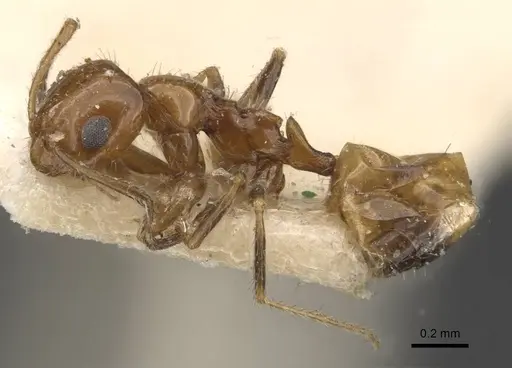
Lepisiota arnoldi
- Scientific Name
- Lepisiota arnoldi
- Tribe
- Plagiolepidini
- Subfamily
- Formicinae
- Author
- Forel, 1913
- Distribution
- Found in 2 countries
Lepisiota arnoldi Overview
Lepisiota arnoldi is an ant species of the genus Lepisiota. It is primarily documented in 2 countries , including South Africa, Zimbabwe. Detailed taxonomic data and occurrence records can be further explored via authoritative databases such as AntWeb or the Global Biodiversity Information Facility (GBIF).
Lepisiota arnoldi
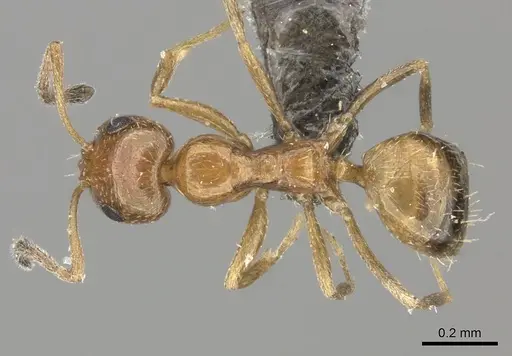
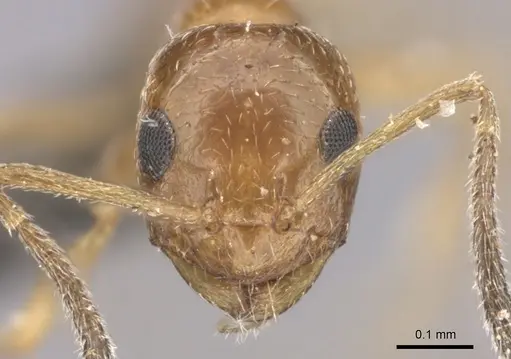
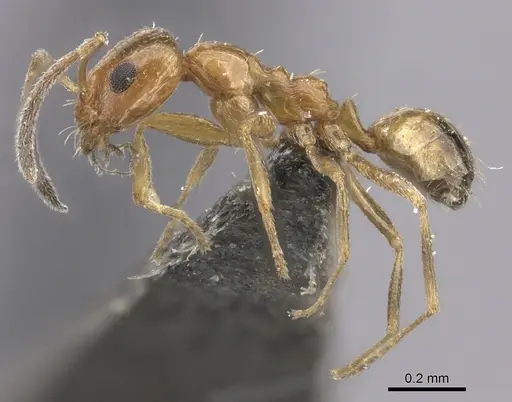
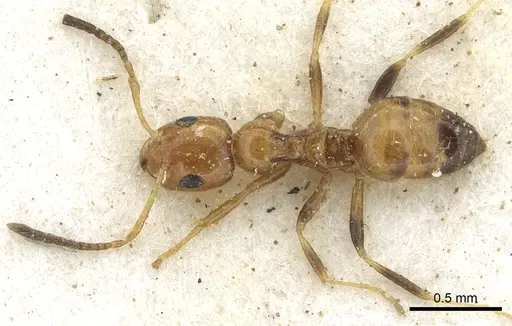
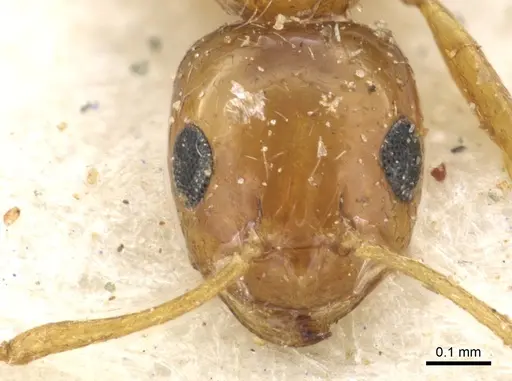
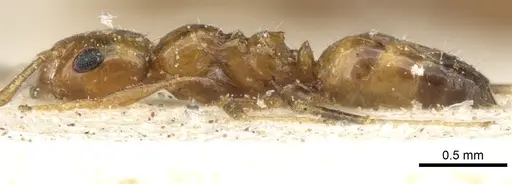
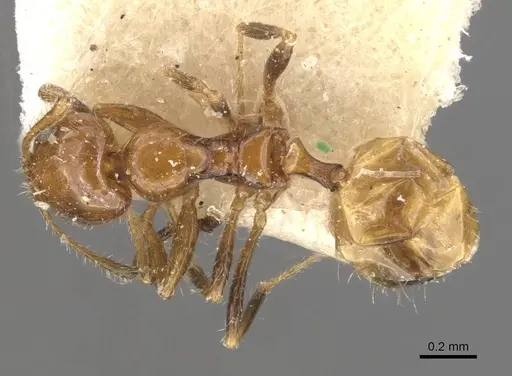
Lepisiota arnoldi is a small to medium-sized ant species native to Southern Africa, specifically documented from Zimbabwe (formerly Southern Rhodesia). Workers measure approximately 3-5mm and feature the characteristic Lepisiota morphology with a distinct petiole (waist segment) and often a pointed or hooked sting. The species exhibits an interesting trophallaxis behavior where workers can store liquid food in their gasters, becoming repletes similar to honeypot ants, their abdomens swell considerably though not as dramatically as true honeypot ants [1]. Colonies are typically found nesting in loose, sandy soil in hot, sun-exposed locations [1].
Quick Summary
- Difficulty: Medium
- Origin & Habitat: Native to Southern Africa (Zimbabwe region). Nests in loose, sandy soil in the hottest locations [1].
- Colony Type: Likely single-queen (monogyne) colonies based on typical genus patterns, though colony structure is not well-documented for this specific species.
- Colony: Monogyne
- Founding: Claustral
- Size & Growth:
- Queen: Estimated 6-8mm based on genus Lepisiota patterns
- Worker: Estimated 3-5mm based on genus patterns [1]
- Colony: Unknown for this species, related Lepisiota species typically reach several hundred to a few thousand workers
- Growth: Moderate, estimated based on genus patterns
- Development: Estimated 6-10 weeks at optimal temperature based on related Formicinae species (Development timeline not directly studied for this species, estimate based on genus patterns)
- Antkeeping:
- Temperature: Keep warm, around 24-28°C. This species naturally inhabits hot regions and requires elevated temperatures for optimal brood development.
- Humidity: Low to moderate humidity. Native to sandy, hot environments suggests they prefer drier conditions. Allow the nest substrate to dry out between waterings.
- Diapause: Likely minimal or no true diapause given their hot native habitat. May show reduced activity in cooler months but probably does not require hibernation.
- Nesting: Natural nesting occurs in loose, sandy soil in sun-exposed areas [1]. In captivity, a dry, sandy substrate in a test tube setup or acrylic nest works well. Avoid overly humid conditions.
- Behavior: Likely aggressive defenders with a functional sting based on genus traits. Workers are active foragers and will defend the nest vigorously. Escape prevention should be moderate to good, they are not extremely small but can fit through small gaps. May show trophallaxis behavior where workers share liquid food stored in their abdomens.
- Common Issues: colonies may fail if kept too humid, their native hot, dry habitat means excess moisture can be harmful, slow growth compared to tropical species may frustrate beginners expecting rapid development, aggressive stinging workers make handling difficult, use caution during nest inspections, limited documented care information means keepers may need to experiment with conditions
Housing and Nest Setup
Lepisiota arnoldi naturally nests in loose, sandy soil in hot, sun-exposed locations [1]. For captivity, replicate these conditions with a dry to slightly moist sandy substrate. Test tube setups work well for founding colonies, use a small test tube with a cotton ball providing water access without flooding. For established colonies, a simple acrylic nest or formicarium with a sand-filled chamber mimics their natural environment. Avoid overly humid conditions, these ants come from hot, relatively dry areas and will struggle in damp, poorly ventilated setups. Provide a shallow water dish in the outworld and offer sugar water or honey as a constant food source.
Feeding and Diet
Like most Lepisiota species, these ants are omnivorous. They will readily accept sugar sources (honey water, sugar water, ripe fruit) and protein sources (small insects like fruit flies, pinhead crickets, mealworms). In the wild, their foraging and trophallaxis behavior allows workers to store liquid food in their expanded gasters for sharing with nestmates [1]. Feed protein 2-3 times per week and keep a sugar source constantly available. Remove uneaten prey after 24 hours to prevent mold.
Temperature Requirements
As a species from hot Southern African environments, Lepisiota arnoldi requires warm conditions. Maintain nest temperatures between 24-28°C. A small heating cable or heat mat on one side of the nest creates a temperature gradient allowing ants to self-regulate. Room temperature alone (around 20-22°C) may be too cool for optimal growth and brood development. Monitor colony activity, if workers cluster near the warm side, the temperature is appropriate. Avoid temperatures below 20°C for extended periods.
Behavior and Temperament
Lepisiota arnoldi exhibits typical Lepisiota defensive behaviors, they are alert, quick-moving, and will aggressively defend their nest. Workers possess a functional sting and can deliver painful bites. When threatened, they may also use chemical defense through their glands. Colony founding involves the queen sealing herself in a chamber (claustral founding) and raising the first brood alone on stored fat reserves. Workers are active foragers that will explore the outworld searching for food. The interesting trophallaxis behavior where workers store liquid food in their gasters allows the colony to maintain food reserves similar to honeypot ants.
Frequently Asked Questions
How long does it take for Lepisiota arnoldi to produce first workers?
Based on related species in the genus, expect first workers (nanitics) approximately 6-10 weeks after the queen lays eggs, assuming optimal temperatures around 26°C. Cooler temperatures will slow development significantly.
Can I keep multiple Lepisiota arnoldi queens together?
Not recommended. While colony structure is not well-documented for this species, most Lepisiota species are single-queen (monogyne) colonies. Combining unrelated queens typically results in fighting.
What temperature do Lepisiota arnoldi need?
Keep them warm at 24-28°C. These ants come from hot African environments and require elevated temperatures for healthy colony function and brood development.
Are Lepisiota arnoldi good for beginners?
They are rated as medium difficulty. They require warm, dry conditions which can be easier to maintain than high-humidity species, but their aggressive stinging behavior and limited documented care information make them better suited for keepers with some antkeeping experience.
How big do Lepisiota arnoldi colonies get?
Colony size is not well-documented for this specific species. Based on related Lepisiota species, colonies likely reach several hundred to a few thousand workers over several years.
Do Lepisiota arnoldi need hibernation?
Probably not. As a species from hot, tropical regions of Southern Africa, they likely do not require a true diapause period. They may show reduced activity in cooler months but should be kept warm year-round.
What do Lepisiota arnoldi eat?
They are omnivorous. Offer sugar sources (honey water, sugar water) constantly and protein (small insects like fruit flies, mealworms) 2-3 times per week.
References

This caresheet is licensed under CC BY-SA 4.0 .
Literature
Loading...Loading products...