

Lenomyrmex mandibularis
- Scientific Name
- Lenomyrmex mandibularis
- Tribe
- Attini
- Subfamily
- Myrmicinae
- Author
- Fernández & Palacio, 1999
- Distribution
- Found in 1 countries
Lenomyrmex mandibularis Overview
Lenomyrmex mandibularis is an ant species of the genus Lenomyrmex. It is primarily documented in 1 countries , including Colombia. Detailed taxonomic data and occurrence records can be further explored via authoritative databases such as AntWeb or the Global Biodiversity Information Facility (GBIF).
Lenomyrmex mandibularis
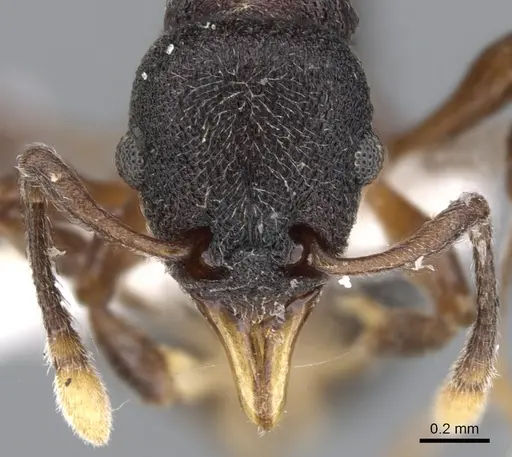
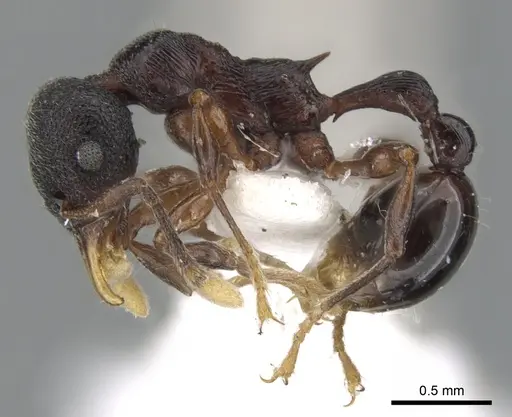
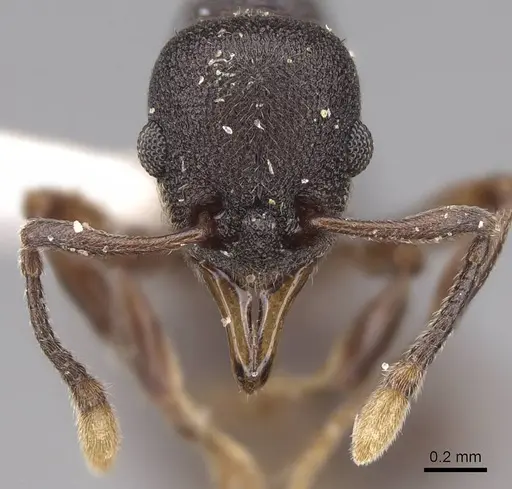
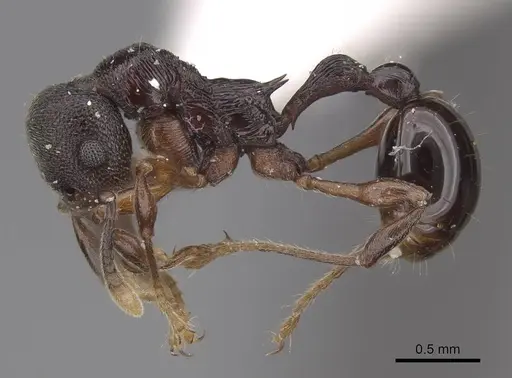
Lenomyrmex mandibularis is a small, cryptic ant species native to the montane rainforests of southwestern Colombia. Workers measure 4.1-4.2mm and are dark brown with lighter legs and yellowish-brown mandibles and antennal tip. The species gets its name from its distinctive elongated mandibles equipped with 17-18 tiny peg-like teeth along the chewing margin, an unusual feature among Neotropical ants. Queens are slightly larger at 4.7mm and share the dark coloration. The propodeum bears two long, acute spines approximately equal to the distance between their bases. This is one of the rarest ant genera in the Americas, with very few documented specimens in scientific collections.
Quick Summary
- Difficulty: Expert
- Origin & Habitat: Endemic to the montane rainforests of Nariño, Colombia, at approximately 1800m elevation. Nests have been found in knotholes and scars within stems of Palicourea shrubs (Rubiaceae) and under rotten logs in slightly disturbed primary forest [1][2].
- Colony Type: Colony structure is unconfirmed. A queen was collected with 12 workers from a single stem cavity, suggesting possible single-queen colonies, but this requires verification.
- Size & Growth:
- Queen: 4.66mm [1]
- Worker: 4.10-4.22mm [1]
- Colony: Unknown, only small colony fragments have been documented
- Growth: Unknown
- Development: Unconfirmed, no development data exists for this genus (Development timeline has not been studied. Related Attini species typically require 6-10 weeks at warm temperatures, but this may not apply to Lenomyrmex.)
- Antkeeping:
- Temperature: Unconfirmed, based on its high-elevation montane habitat (1800m), likely prefers cooler temperatures than typical tropical ants. Start around 18-22°C and observe colony activity. Avoid overheating.
- Humidity: Unconfirmed, montane forest environments are typically humid (60-80%). Keep substrate moderately moist but allow some drying areas. Provide a water tube.
- Diapause: Unknown, no studies on seasonal behavior. Montane Colombia experiences mild temperature variation year-round, so a true diapause may not be required.
- Nesting: In nature, they nest in plant stem cavities and under rotten logs. In captivity, a naturalistic setup with small chambers or a Y-tong nest with narrow passages would likely suit their small size. Provide rotting wood or wooden structures they can inhabit.
- Behavior: Behavior is poorly documented. Workers have been observed foraging on leaves during daylight, suggesting they are surface-active. The genus is considered rare and cryptic, with workers likely foraging individually or in small groups rather than in large raiding parties. Escape risk is moderate due to their small size, use standard barrier methods. Aggression levels are unknown but likely low given their cryptic nature.
- Common Issues: extreme rarity makes obtaining stock nearly impossible, this species is rarely kept in captivity, no established care protocols exist, all husbandry will be experimental, very small colony sizes in the wild suggest they may be slow-growing or have limited colony sizes, lack of dietary information means determining appropriate food is challenging, montane origin may make them sensitive to overheating, temperature control is critical
Discovery and Rarity
Lenomyrmex mandibularis was described in 1999 by Fernández and Palacio based on specimens collected from Reserva La Planada in Nariño, Colombia. The genus Lenomyrmex remains one of the most enigmatic ant groups in the Neotropics, with only a handful of species known from scattered locations across Central and South America. The original type series consisted of a queen and workers found in a stem cavity of a Palicourea shrub, with an additional worker of the genus Gnamptogenys also present in the same cavity, an unusual association whose significance is unclear. This species has never been documented in the antkeeping hobby, and no captive colonies are known to exist. [1]
Identification and Morphology
This species can be identified by its distinctive elongated mandibles bearing 17-18 tiny peg-like teeth along the chewing margin. Workers measure 4.1-4.2mm total length with a head length of 0.86-0.88mm. The head is densely rugo-reticulate (wrinkled texture), while the mesosoma shows various striations. The propodeum bears two long, acute spines approximately equal in length to the distance between their bases. The eyes are relatively large and protruding with 8-9 facets. Body coloration is predominantly dark brown with lighter legs and yellowish-brown mandibles and antennal club. Queens are larger at 4.66mm with three barely visible ocelli and a larger thorax. The sting structure places this genus in the Leptothorax branch of Myrmicinae. [1]
Natural History and Habitat
All documented collections come from primary montane rainforest at approximately 1800m elevation in southwestern Colombia. Nests have been found inside stem cavities (knotholes and scars) of Palicourea plants, a genus in the coffee family (Rubiaceae). Additional workers were collected under rotten logs and one worker was observed foraging on a leaf during daylight. The presence of larvae in some stem cavities without workers present suggests possible lestobiotic behavior (living in close association with other ant species) or opportunistic use of abandoned cavities. The montane forest environment experiences cooler temperatures and higher humidity than lowland tropical forests. [1][2]
Keeping an Undescribed Species
Lenomyrmex mandibularis represents one of the most challenging ant species to keep because no established husbandry protocols exist. This is not a species for beginners, it is suitable only for expert antkeepers with experience maintaining rare, cryptic species. If you somehow obtain a colony, expect to experiment with conditions. Start with moderate temperatures (18-22°C), moderate humidity, and small prey items. The stem-nesting behavior suggests they may prefer naturalistic setups with wooden or plant-based structures. Given their rarity in the wild, priority should be given to documentation of any captive behavior. Do not expect to find commercial sources, this species is not available in the antkeeping trade.
Frequently Asked Questions
Can I keep Lenomyrmex mandibularis as a pet?
This species is not available in the antkeeping hobby and is considered one of the rarest ants in the Americas. No captive colonies are documented to exist. Unless you have access to wild-caught specimens from Colombia, keeping this species is not practical. Even if you obtained specimens, no established care protocols exist.
What do Lenomyrmex mandibularis eat?
Diet is completely unconfirmed. As a member of the tribe Attini (which includes leaf-cutter ants and fungus growers), they might have specialized dietary requirements, but Lenomyrmex is not a fungus grower. The mandible structure suggests possible predatory or scavenging behavior. If you maintain a colony, small live prey (fruit flies, pinhead crickets) and sugar water would be reasonable starting points, but acceptance is entirely speculative.
How big do Lenomyrmex mandibularis colonies get?
Unknown. The largest documented colony fragment consists of 12 workers with a queen. Wild colonies may remain small (likely under 100 workers) given the cryptic, rare nature of this genus. This species may be naturally polydomous (nesting in multiple locations) given that workers and larvae have been found in separate stem cavities on the same plant.
What temperature do they need?
Unconfirmed. Based on their high-elevation montane habitat (1800m in Colombia), they likely prefer cooler conditions than typical tropical ants. Start around 18-22°C and monitor colony behavior. Avoid temperatures above 25°C. This is an area where keeper experimentation will be necessary.
Do they need hibernation?
Unknown. Montane Colombia at 1800m elevation has mild year-round temperatures with minimal seasonal variation. A true diapause may not be required, but this has not been studied. If kept in captivity, maintain stable temperatures rather than imposing a hibernation period until more is known.
Are they aggressive?
Behavior is poorly documented, but based on their cryptic, rare nature and small colony sizes, they are likely non-aggressive and avoid confrontation. Workers forage individually rather than in groups. They possess a stinger typical of Myrmicinae but are too small to pose any threat to humans.
What nest type should I use?
In nature, they nest in stem cavities of Palicourea shrubs and under rotten logs. A naturalistic setup with small wooden structures or cork bark would be most appropriate. Given their tiny size (4mm), any formicarium should have very small chambers and passages. A Y-tong nest with fine settings or a custom small-chamber setup would work.
How long do they live?
Unknown. No development or longevity data exists for this species. Related small Myrmicinae may live several years for queens and months to a year for workers, but this is purely speculative for Lenomyrmex.
Where can I get Lenomyrmex mandibularis?
You cannot. This species is not available in the antkeeping trade and is extremely rare even in scientific collections. It is endemic to a small region of Colombia and has never been documented in captivity. There are no commercial breeders or suppliers for this species.
Is Lenomyrmex mandibularis endangered?
Conservation status has not been assessed. However, its extremely limited distribution (known only from one locality in Colombia) and rarity suggest it could be vulnerable to habitat loss. The montane forests of Nariño face pressures from deforestation and agriculture.
References

This caresheet is licensed under CC BY-SA 4.0 .
CASENT0901260
View on AntWeb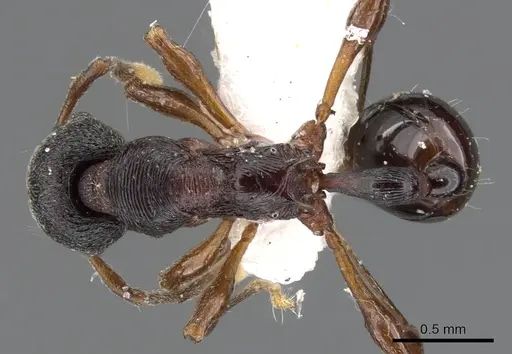
CASENT0922901
View on AntWeb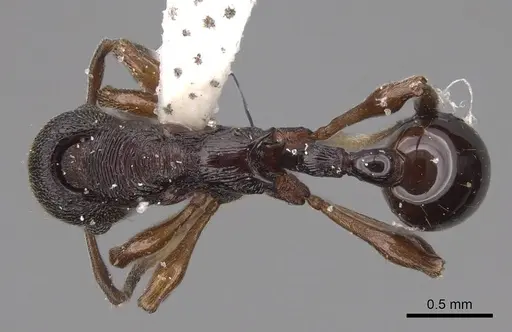
Literature
Loading...Loading products...