

Lasius tapinomoides
- Scientific Name
- Lasius tapinomoides
- Tribe
- Lasiini
- Subfamily
- Formicinae
- Author
- Salata & Borowiec, 2018
- Distribution
- Found in 1 countries
Lasius tapinomoides Overview
Lasius tapinomoides is an ant species of the genus Lasius. It is primarily documented in 1 countries , including Greece. Detailed taxonomic data and occurrence records can be further explored via authoritative databases such as AntWeb or the Global Biodiversity Information Facility (GBIF).
Lasius tapinomoides
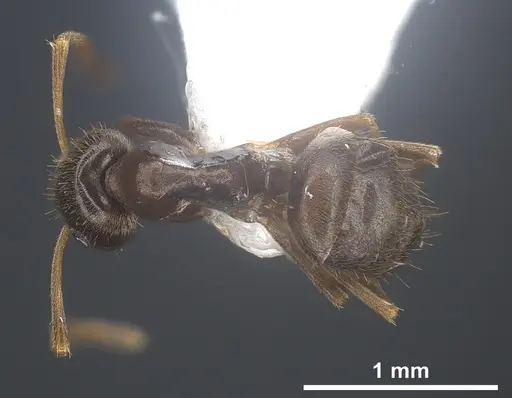
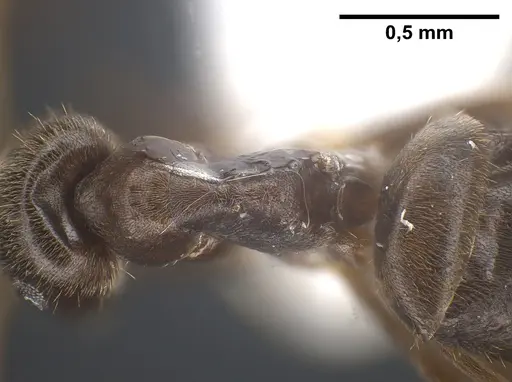
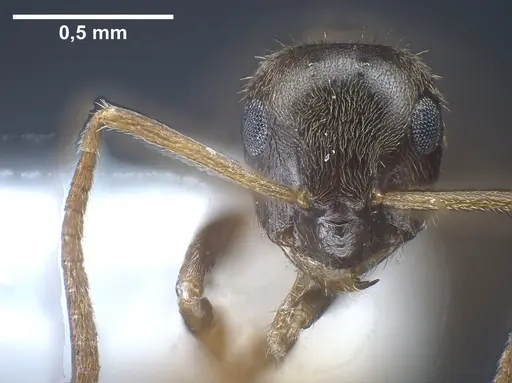
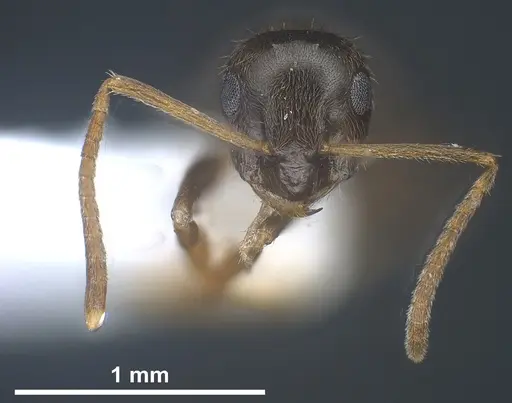
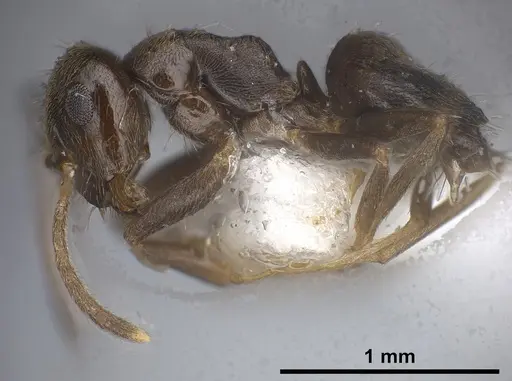
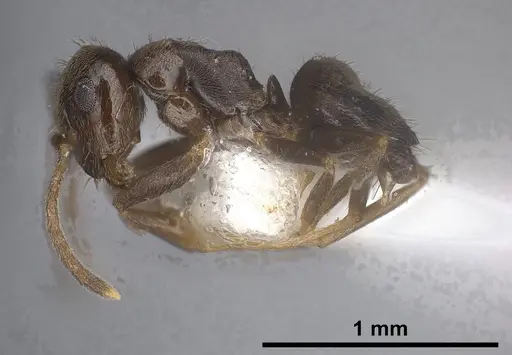
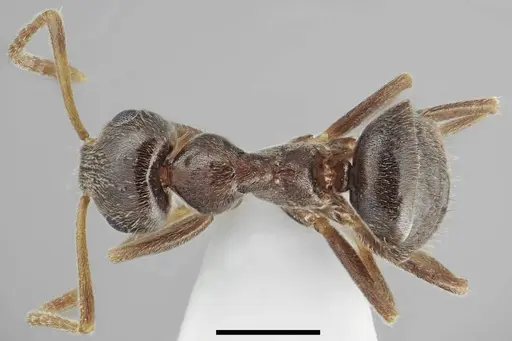
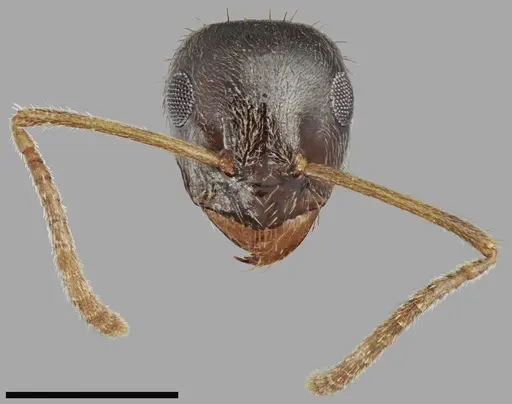
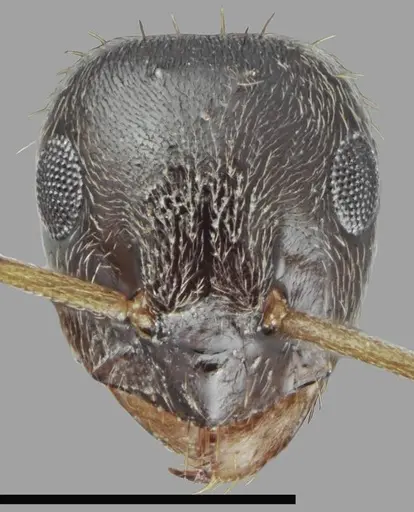
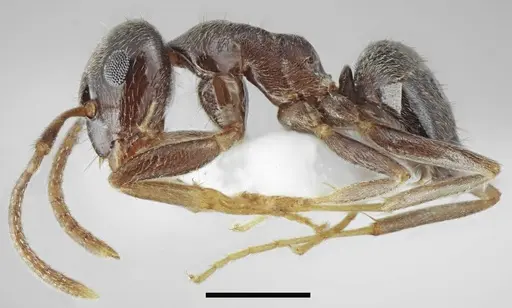
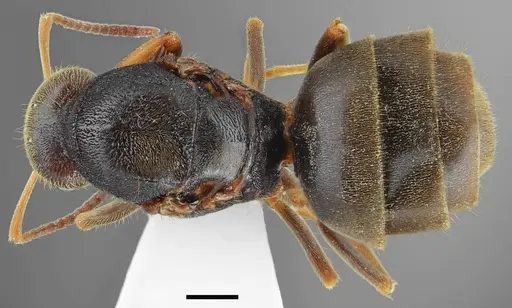
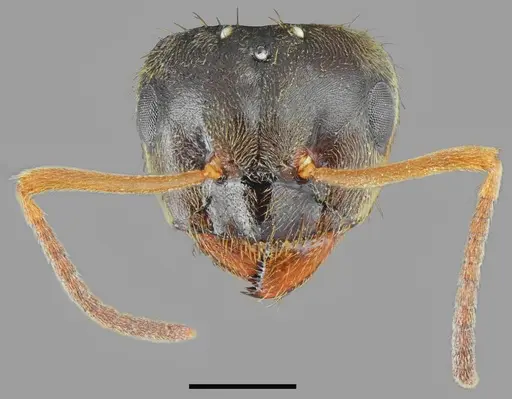
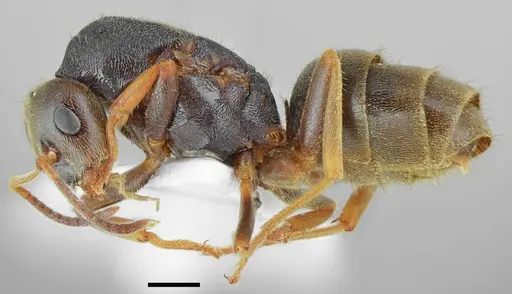
Lasius tapinomoides is a tiny ant species endemic to Crete, Greece, first described in 2018. Workers are among the smallest in the genus, measuring just 2.5-3mm, with a uniformly brown to dark brown body and bright brown to orange antennae and legs. The species gets its name from its very shallow metanotal groove, a distinctive feature that gives it a superficial resemblance to ants in the genus Tapinoma. This is a monogyne species, meaning colonies have a single queen, and it inhabits moist, closed canopy forests in stream valleys where it nests in wet soil under shallow rocks near water sources [1][2][3].
Quick Summary
- Difficulty: Medium
- Origin & Habitat: Endemic to Crete, Greece. Inhabits moist, closed canopy forests in stream valleys at low altitudes (10-342m). Nests in wet soil under shallow, small rocks, typically near water sources [1][2][3][4].
- Colony Type: Monogyne, single queen colonies. This is confirmed by multiple studies showing colonies have only one queen [1][2][3].
- Colony: Monogyne
- Founding: Claustral
- Size & Growth:
- Queen: Queen approximately 8-9mm total length based on measurements (HL 1.03mm, HW 1.2mm) [1].
- Worker: Workers 2.5-3mm (extremely small, CS 631 µm) [3][1].
- Colony: Colony size data is limited, but based on similar small Lasius species, likely reaches several hundred workers. Not supercolonial [1].
- Growth: Moderate, based on typical Lasius development patterns.
- Development: Estimated 6-10 weeks based on typical Lasius genus development at optimal temperature. (Development time is inferred from related Lasius species since specific timing has not been documented for this species.)
- Antkeeping:
- Temperature: Keep at 20-26°C. As a Mediterranean species from Crete, they prefer warm conditions but not extreme heat. A gentle gradient allowing workers to self-regulate is ideal. Room temperature in most homes should work well.
- Humidity: High humidity is essential. This species naturally inhabits moist stream valleys with wet soil. Keep the nest substrate consistently damp but not waterlogged. Provide a water source nearby, as they prefer nesting areas close to water in the wild [1][2].
- Diapause: Likely requires a mild winter rest period. Crete has mild winters, so a cool period around 10-15°C for 2-3 months during winter months is appropriate. Reduce feeding and activity expectations during this time.
- Nesting: Y-tong or plaster nests work well given their small size and moisture requirements. Naturalistic setups with moist soil and flat stones mimic their natural nesting sites under shallow rocks in wet soil. Avoid dry, airy nests [1][4].
- Behavior: Workers are small and relatively docile. They forage in leaf litter and on rocks near nest entrances, typical of Lasius species. They tend honeydew and may tend small aphids. Their tiny size means they can slip through standard barrier setups, escape prevention must be excellent. They are not aggressive and unlikely to sting. Workers are surface-active, often seen traversing rocks and litter in their humid forest habitat [1][2].
- Common Issues: escape prevention is critical due to their very small size, standard barriers may not contain them, maintaining consistently high humidity can be challenging, dry conditions will stress colonies, colonies are slow to establish due to small colony size and likely modest growth rates, as an endemic species with limited range, wild collection may be ethically questionable, winter diapause requirements are not well-documented, monitor colony response to temperature changes
Housing and Nest Setup
Lasius tapinomoides requires a moist, humid environment that mimics its natural habitat in Cretan stream valleys. Y-tong (AAC) nests or plaster nests work well because they hold humidity better than acrylic setups. The chambers should be appropriately scaled for their tiny worker size, these are very small ants. A naturalistic setup with moist soil and a flat stone on top can also work well, replicating their natural nesting under shallow rocks in wet soil. Always provide a water tube or moisture source to maintain humidity. Because of their extremely small size, use fine mesh on any ventilation holes and apply fluon or other barriers to prevent escapes [1][4].
Feeding and Diet
Like other Lasius species, these ants are omnivorous with a preference for sweet liquids. Offer sugar water, honey, or diluted maple syrup as a constant food source. They will also accept protein in the form of small insects, fruit flies, small mealworms, or other tiny arthropods. In the wild, workers forage in leaf litter and on rocks, likely collecting honeydew from aphids and hunting small prey. Feed protein 1-2 times per week and keep sugar sources available continuously. Remove uneaten sweet food within a day or two to prevent mold. Their small size means even tiny prey items are appropriate.
Temperature and Seasonal Care
Lasius tapinomoides comes from Crete, a Mediterranean island with mild winters and warm summers. Keep the nest area at 20-26°C, room temperature in most homes is suitable. They inhabit stream valleys at low altitudes, so they prefer warmth but not extreme heat. During winter (roughly November-February), provide a cool period around 10-15°C to simulate their natural seasonal cycle. Reduce feeding during this time as colony activity will slow. The species has not been extensively studied in captivity, so observe your colony's behavior and adjust temperature accordingly, if workers cluster near heat sources, increase slightly, if they avoid heated areas, reduce temperature.
Colony Establishment and Growth
As a claustral species, the queen will seal herself in a chamber and raise her first workers alone without foraging. She relies on stored fat reserves to produce and feed the first brood. The founding process typically takes 4-8 weeks for eggs to develop into workers (nanitics), though this specific timeline is not documented for L. tapinomoides. Initial colonies grow slowly, expect only a handful of workers in the first few months. Colonies remain monogyne throughout their life, with just one egg-laying queen. The species is endemic to Crete and was only described in 2018,so captive breeding is still relatively uncommon. If you obtain a colony, be patient, small Lasius species take time to build population size [1].
Escape Prevention
This is critical for Lasius tapinomoides. Workers are extremely small, among the tiniest in the Lasius genus. Standard ant keeping barriers that work for larger species may not contain these ants. Apply fluon or similar barrier solutions to all rim edges of formicariums. Use fine mesh (at least 0.5mm or smaller) for any ventilation. Check all connection points between the nest and outworld. When feeding, use only small dishes or tubes that cannot be easily tipped. Even tiny gaps around water tubes can allow escapes. Inspect the setup daily, especially during the first weeks with a new colony [3].
Frequently Asked Questions
How long does it take for Lasius tapinomoides to produce first workers?
The exact timeline is not documented, but based on typical Lasius development, expect 6-10 weeks from egg to first nanitic worker at optimal temperature (around 24°C). The claustral queen seals herself in and raises the first brood alone using stored fat reserves.
Can I keep multiple Lasius tapinomoides queens together?
No. This is a monogyne species with documented single-queen colonies. Multiple unrelated queens will fight. Only keep one queen per colony [1][2].
What do Lasius tapinomoides eat?
They are omnivorous. Offer sugar water, honey, or diluted maple syrup as a constant energy source. For protein, provide small insects like fruit flies, pinhead crickets, or small mealworms 1-2 times per week. They likely also collect honeydew in the wild.
What temperature do Lasius tapinomoides need?
Keep them at 20-26°C. Room temperature is usually suitable. They come from Mediterranean Crete so they prefer warmth but not extreme heat. Provide a gentle temperature gradient if possible.
How big do Lasius tapinomoides colonies get?
Colony size is not well-documented, but based on similar small Lasius species, colonies likely reach several hundred workers. Growth is relatively slow, be patient during the founding phase.
Do Lasius tapinomoides need hibernation?
Likely yes, a mild winter rest period. Crete has mild winters, so a cool period around 10-15°C for 2-3 months during winter months is appropriate. Reduce feeding during this time.
Why are my Lasius tapinomoides escaping?
Their extremely small size makes escape likely. Apply fluon to all rim edges, use fine mesh for ventilation, and check all connection points. Even tiny gaps can allow escape [3].
Is Lasius tapinomoides good for beginners?
This is a moderately difficult species to keep. Their small size requires excellent escape prevention, and they need consistently high humidity. They are also a newly described species with limited availability. Experienced antkeepers will have more success with this species.
Where is Lasius tapinomoides native to?
Crete, Greece, it is endemic to the island. This species was only described in 2018 and is found nowhere else in the world [1][2][3].
References

This caresheet is licensed under CC BY-SA 4.0 .
Literature
Loading...Loading products...