

Lasius sonobei
- Scientific Name
- Lasius sonobei
- Tribe
- Lasiini
- Subfamily
- Formicinae
- Author
- Yamauchi, 1979
- Distribution
- Found in 1 countries
Lasius sonobei Overview
Lasius sonobei is an ant species of the genus Lasius. It is primarily documented in 1 countries , including Japan. Detailed taxonomic data and occurrence records can be further explored via authoritative databases such as AntWeb or the Global Biodiversity Information Facility (GBIF).
Lasius sonobei
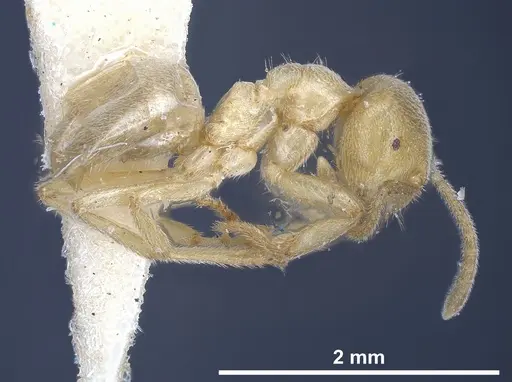
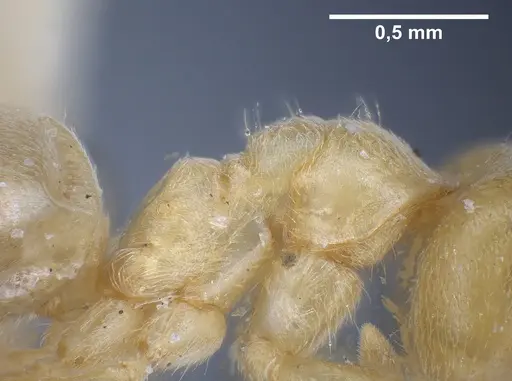
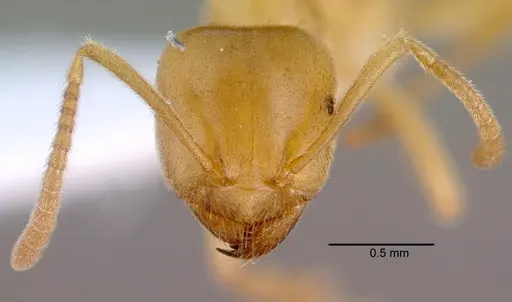
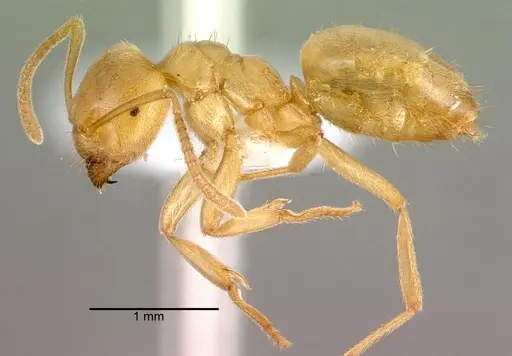
Lasius sonobei is a small yellow ant native to Japan, belonging to the nearcticus group within the flavus clade. Workers measure 2.5-3.5mm and have a distinctive appearance with scapes that usually exceed 0.95 times the head width, and lack erect hairs on the scapes and tibiae. The species is abundant in southern Japan (Honshu, Shikoku, Kyushu, Yakushima) but becomes rare in the Tohoku district of northern Honshu, with its northernmost limit around Sendai. Nests are constructed in soil and under stones in warm-temperate forest habitats.
Quick Summary
- Difficulty: Medium
- Origin & Habitat: Japan (southern Honshu, Shikoku, Kyushu, Yakushima Island). Nests in soil and under stones in warm-temperate regions [1][2].
- Colony Type: Single-queen (monogyne) colonies, standard for the Lasius genus. Queens are likely claustral founders, sealing themselves in to raise the first brood alone.
- Colony: Monogyne
- Founding: Claustral
- Size & Growth:
- Queen: Estimated 7-9mm based on typical Lasius queen size (related species in the flavus clade)
- Worker: 2.5-3.5mm [1]
- Colony: Estimated several hundred workers based on related Lasius species
- Growth: Moderate, typical for Lasius genus
- Development: Estimated 6-8 weeks at optimal temperature based on related Lasius species (Development time follows typical Lasius patterns, warmer temperatures within range accelerate development)
- Antkeeping:
- Temperature: Keep around 20-24°C. As a warm-temperate species from southern Japan, they prefer moderate warmth without extreme heat.
- Humidity: Maintain moderate humidity. Nest in soil and under stones suggests they prefer damp but not waterlogged substrate. Keep the nest substrate moist but allow some drying between waterings.
- Diapause: Yes, as a temperate species from Japan, they require a winter rest period. Reduce temperature to around 10-15°C for 2-3 months during winter.
- Nesting: Soil nests and under-stone nesting in the wild. In captivity, standard test tubes, Y-tong nests, or plaster nests work well. Provide a moisture gradient so ants can choose their preferred humidity zone.
- Behavior: Docile and non-aggressive typical of Lasius ants. Workers are small and yellow, making escape prevention important despite their calm nature. They forage for honeydew and small insects. Like other Lasius, they may tend aphids for honeydew. Escape risk is moderate, their small size means gaps in housing should be sealed properly.
- Common Issues: colonies may fail if hibernation is not provided, this temperate species needs winter rest, small workers can escape through tiny gaps, use proper escape prevention, slow founding phase can worry beginners, claustral queens seal in and don't emerge until workers hatch, overfeeding can cause mold in nest setups, remove uneaten food promptly, humidity that is too high or too low can cause colony stress
Housing and Nest Setup
Lasius sonobei nests naturally in soil and under stones in Japan's warm-temperate forests. In captivity, they adapt well to various nest types. Test tube setups work excellently for founding colonies, the queen seals herself in one tube while workers eventually occupy both. Y-tong (acrylic) nests and plaster nests are also suitable once the colony grows. Provide a water tube attached to the nest for humidity. Because they nest in soil in the wild, a thin layer of substrate in a naturalistic setup helps them feel at home. Ensure the nest has chambers scaled to their small 2.5-3.5mm worker size. [1]
Feeding and Diet
Like other Lasius species, Lasius sonobei is omnivorous with a preference for sugar sources. They naturally tend aphids and collect honeydew, so sugar water (1:3 ratio with water) or honey water makes an excellent constant food source. For protein, offer small insects like fruit flies, small mealworms, or cricket pieces. Feed protein 2-3 times per week, and keep sugar water available at all times. Remove uneaten prey after 24-48 hours to prevent mold. Workers are small, so portion food appropriately, a few drops of sugar water and tiny insect pieces are sufficient.
Temperature and Seasonal Care
Lasius sonobei comes from southern Japan, a warm-temperate region. Keep the nest at 20-24°C for optimal brood development. They can tolerate slightly warmer conditions but avoid temperatures above 28°C. During summer, room temperature is usually appropriate. In winter, they require a diapause (hibernation) period of 2-3 months. Reduce temperature to 10-15°C by moving the colony to a cooler location like an unheated garage or refrigerator (not freezer). Do not feed during hibernation but keep the water tube filled. Resume normal temperatures and feeding in spring when the colony becomes active again. [1]
Colony Development and Growth
Lasius sonobei is a claustral founder, the queen seals herself in a chamber and does not leave to forage during founding. She lives entirely on her stored fat reserves while raising the first brood. This founding phase typically takes 4-6 weeks before the first workers (nanitics) emerge. The colony will grow gradually over the first year, reaching perhaps 50-100 workers by winter. Growth accelerates in the second year as the colony establishes. Mature colonies likely reach several hundred workers. Nuptial flights occur in August and September in the wild [1], so if you maintain a colony long-term, alates (reproductive ants) may appear during late summer.
Behavior and Temperament
This is a docile, non-aggressive species typical of the Lasius genus. Workers are small and yellow, often moving quickly through the outworld when foraging. They are not territorial or aggressive toward keepers. The main concern for antkeepers is their small size, workers are only 2.5-3.5mm, which means they can squeeze through very small gaps. Use cotton or proper stoppers on test tubes, and ensure any formicarium has tight-fitting connections. They are not known to sting and pose no danger to humans. In the wild, they forage for honeydew and small prey, often in association with aphid colonies. [1]
Frequently Asked Questions
How long does it take for Lasius sonobei to raise first workers?
Expect first workers (nanitics) to emerge 4-6 weeks after the queen lays eggs. This is typical claustral founding behavior where the queen seals herself in and raises the brood alone on stored fat reserves.
Do Lasius sonobei ants need hibernation?
Yes. As a temperate species from Japan, they require a winter rest period. Reduce temperature to 10-15°C for 2-3 months during winter. This mimics their natural seasonal cycle and helps maintain colony health.
What do Lasius sonobei ants eat?
They are omnivorous with a sweet tooth. Offer sugar water or honey constantly, and supplement with small insects like fruit flies or tiny mealworms 2-3 times per week. They naturally collect honeydew from aphids in the wild.
Are Lasius sonobei good for beginners?
They are moderately difficulty, easier than some exotic species but requiring attention to hibernation and escape prevention. Their small size and docile nature make them manageable for beginners willing to provide proper winter care.
How big do Lasius sonobei colonies get?
Mature colonies likely reach several hundred workers. Growth is moderate, expect 50-100 workers by the end of the first year, with growth accelerating in subsequent years.
Can I keep multiple Lasius sonobei queens together?
No. This species is monogyne (single-queen). Multiple unrelated queens will fight until only one remains. Only introduce a second queen during the very brief pleometrosis window in the wild, which is difficult to replicate in captivity.
When do Lasius sonobei have nuptial flights?
In the wild, nuptial flights occur during August and September [1]. If your colony produces alates (reproductive ants), they will likely become active during late summer. Release any alates you do not intend to keep, do not release in non-native areas.
What temperature should I keep Lasius sonobei at?
Keep the nest at 20-24°C. This warm-temperate species from southern Japan prefers moderate warmth. Room temperature is usually suitable, but avoid placing the colony near heating elements that might cause overheating.
Why are my Lasius sonobei escaping?
Their small 2.5-3.5mm worker size means they can squeeze through tiny gaps. Check all connections, use cotton or proper stoppers on test tubes, and ensure any formicarium has no gaps larger than 1mm. Apply fluon or other barriers to outworld edges.
References

This caresheet is licensed under CC BY-SA 4.0 .
ANTWEB1041277
View on AntWeb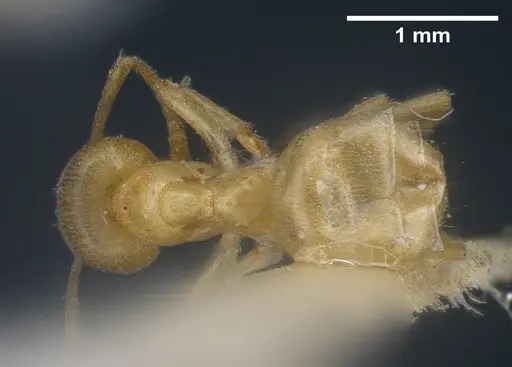
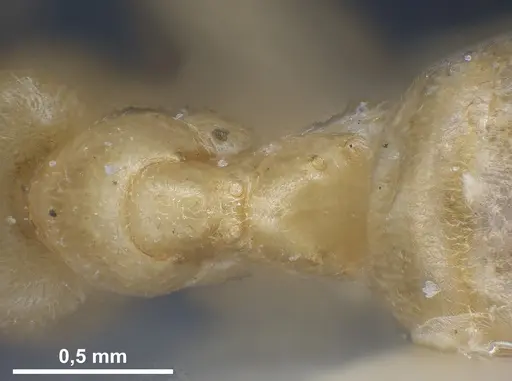
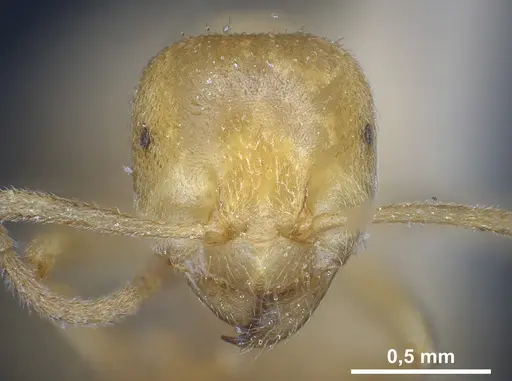
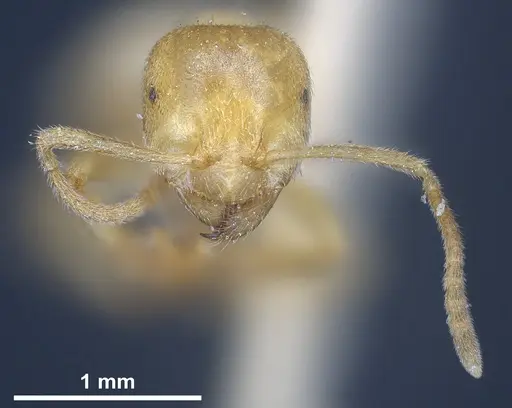
CASENT0010668
View on AntWeb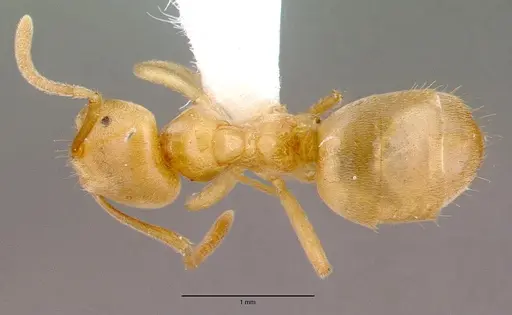
Literature
Loading...Loading products...