

Lasius schulzi
- Scientific Name
- Lasius schulzi
- Tribe
- Lasiini
- Subfamily
- Formicinae
- Author
- Seifert, 1992
- Distribution
- Found in 1 countries
Lasius schulzi Overview
Lasius schulzi is an ant species of the genus Lasius. It is primarily documented in 1 countries , including Türkiye. Detailed taxonomic data and occurrence records can be further explored via authoritative databases such as AntWeb or the Global Biodiversity Information Facility (GBIF).
Lasius schulzi
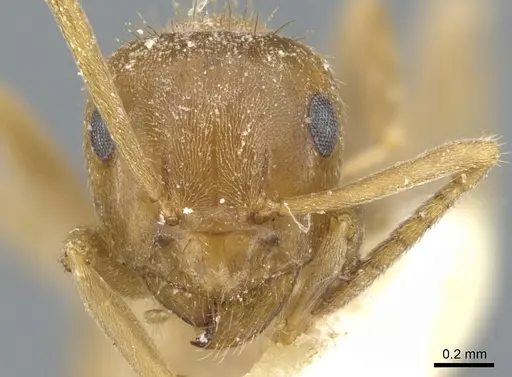
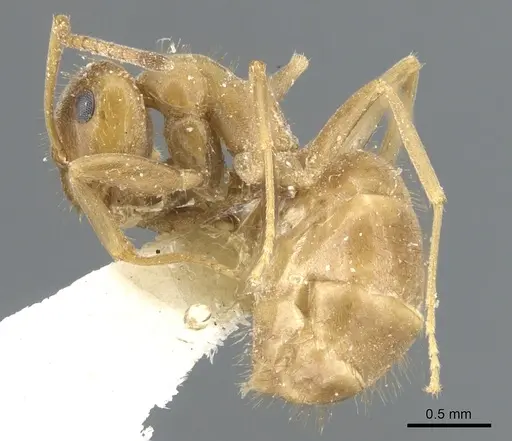
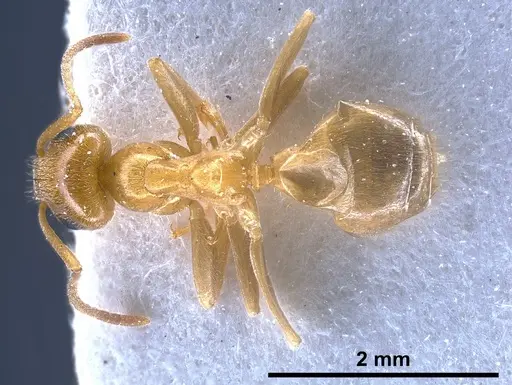
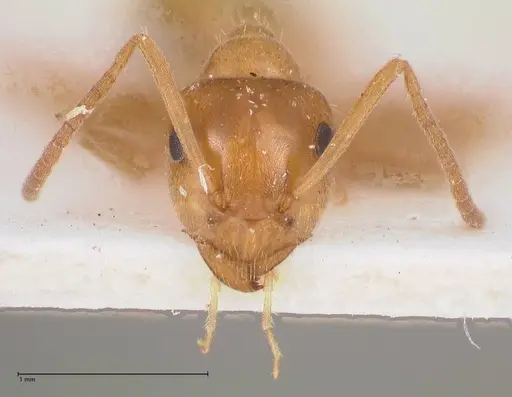
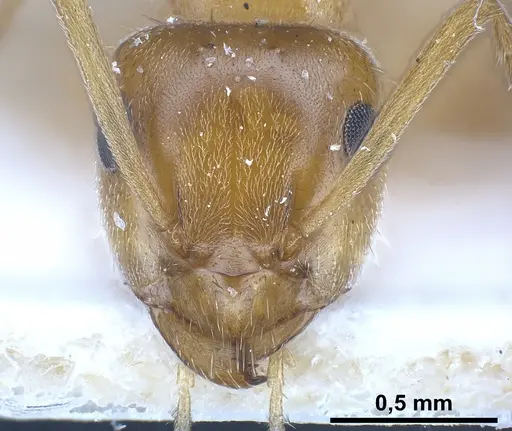
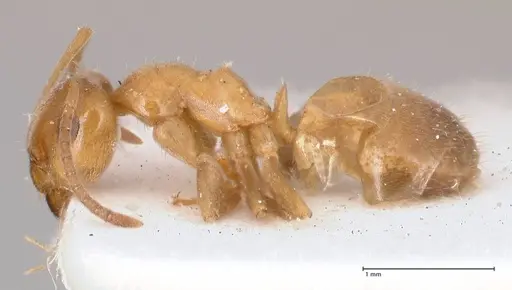
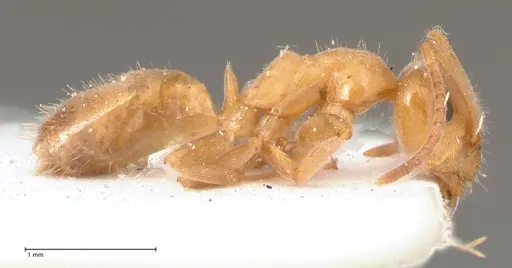
Lasius schulzi is a small, bright yellow ant native to Turkey. Workers are tiny at around 0.85mm in size, with a distinctive appearance featuring long scapes, large maxillary palps, and extremely sparse pubescence on the head that gives their body surfaces a notably shiny appearance. Their most striking feature is the combination of long setae on the hind margin of the head contrasting with almost complete absence of setae on the scape and tibiae. This species is only known from Anatolia in Turkey, where it inhabits humid, shaded locations in forests and shrubland from sea level up to 1600m elevation. Their unusually large eyes suggest they forage more actively above ground than typical Lasius species, which is unusual for ants in this genus that typically have more cryptic foraging patterns [1][2].
Quick Summary
- Difficulty: Medium
- Origin & Habitat: Anatolia, Turkey, found in humid, shaded forest and shrub habitats from sea level to 1600m elevation, with 90% of sites above 600m. Also occurs in rural and urban areas [2][1].
- Colony Type: Single-queen colonies (monogyne) based on typical Lasius s.str. patterns. Colony structure in the wild has not been extensively documented for this species.
- Colony: Monogyne
- Founding: Claustral
- Size & Growth:
- Queen: Queen: HL 1268μm, HW 1367μm, AL 2530μm (about 2.5mm mesosoma length) [1]. Signal: estimated from morphometric data.
- Worker: Worker: CS 854 ± 29μm (about 0.85mm) [2][1]. Signal: confirmed from morphometric studies.
- Colony: Maximum colony size unconfirmed. Based on related Lasius species, likely reaches several thousand workers. Signal: inferred from genus patterns.
- Growth: Growth rate unconfirmed. Signal: estimated from related species.
- Development: 6-10 weeks at optimal temperature. Signal: inferred from typical Lasius development patterns [1]. (Development time is estimated based on related Lasius species. Actual timing may vary with temperature.)
- Antkeeping:
- Temperature: Keep at 20-25°C. This species comes from Turkey where temperatures are warm during the active season. A gentle gradient allowing workers to choose their preferred temperature is ideal. Signal: inferred from geographic origin.
- Humidity: Moderate to high humidity. In the wild they inhabit humid, shaded locations. Keep the nest substrate consistently moist but not waterlogged, with some drier areas available. Signal: inferred from habitat description.
- Diapause: Yes, likely requires hibernation period. As a species from temperate Turkey, they likely need a winter rest period of 2-3 months at reduced temperatures (around 5-10°C). Signal: inferred from geographic origin and genus patterns.
- Nesting: Y-tong (AAC) nests or plaster nests work well. Their small size requires tight chambers and narrow passages. The nest should maintain humidity while providing some dry areas. Naturalistic setups with flat stones can also work since they naturally nest in shaded, humid ground locations. Signal: inferred from habitat preferences.
- Behavior: Workers are small but active foragers. Their large eyes suggest they are more visually-oriented and surface-active than typical Lasius species, they likely forage above ground rather than using hidden tunnels. They are not aggressive and pose no sting risk to humans. Their tiny size (under 1mm) means escape prevention is critical, they can squeeze through remarkably small gaps. Use fine mesh barriers and tight-fitting lids. Signal: inferred from morphology (large eyes) and size.
- Common Issues: tiny size means escapes are likely without fine mesh barriers, humidity control is important, too dry and colonies fail, too wet and mold becomes a problem, slow growth can frustrate beginners who overfeed or disturb the colony, hibernation failure is common if temperatures aren't properly reduced for 2-3 months, wild-caught colonies may have parasites that kill them in captivity
Housing and Nest Setup
Lasius schulzi is a tiny ant that requires appropriately scaled housing. A Y-tong (AAC) nest or plaster formicarium works well because these materials hold humidity while allowing you to create the small chambers and narrow passages this species needs. The nest should have a water reservoir to maintain moisture without flooding. Because workers are only about 0.85mm, even small gaps can lead to escapes, use fine mesh on any ventilation holes and ensure all connections are tight. An outworld (foraging area) can be simple since these ants don't need much space. Keep the nest in a shaded location as this species naturally inhabits humid, shaded forest spots. A test tube setup can work for founding colonies, but monitor humidity carefully as the small water reservoirs can flood easily. [1][2]
Feeding and Diet
Like other Lasius species, Lasius schulzi likely has a typical ant diet. Offer sugar water or honey as a constant energy source. For protein, provide small insects like fruit flies, small mealworms, or other tiny arthropods. In the wild, they probably scavenge and tend aphids for honeydew. Feed small amounts of protein 2-3 times per week, removing any uneaten prey after 24 hours. Sugar water can be provided in a cotton swab or small container and replaced every few days. Their small size means even tiny prey items are appropriate, don't offer anything larger than they can handle. [1]
Temperature and Seasonal Care
Keep the nest at 20-25°C. This species comes from Turkey where temperatures are warm during the active season. A heating cable on one side of the nest can create a temperature gradient, allowing workers to regulate their own temperature by moving between areas. During winter, they likely need a hibernation period of 2-3 months at reduced temperatures (around 5-10°C). This can be achieved by moving the colony to a cool basement, garage, or refrigerator designed for ant keeping. Do not feed during hibernation and keep the substrate slightly moist but not wet. The timing of their nuptial flights is suggested by an alate queen collected on May 12,indicating spring mating season [1].
Behavior and Foraging
The most notable thing about Lasius schulzi is their unusual foraging behavior. Their large eyes suggest they are more epigaeous (surface-active) than typical Lasius species, which often forage in hidden tunnels and under objects. This means they may be more visually-oriented and active in the open than their relatives. Workers are not aggressive and don't have a sting that affects humans. Their tiny size makes them quick and agile, but also means they can escape through remarkably small gaps. Always use excellent escape prevention with fine mesh barriers. They likely establish pheromone trails to food sources and recruit nestmates, similar to other Lasius species. [1][2]
Growth and Development
Queens are about 2.5mm in mesosoma length and likely have sufficient fat reserves for claustral founding, they seal themselves in a chamber and raise the first workers alone without foraging. The first workers (nanitics) will be smaller than normal workers. Development from egg to worker likely takes 6-10 weeks at optimal temperature, which is typical for small Lasius species. Growth is moderate, don't expect rapid colony expansion. A healthy colony over time may grow to several thousand workers. Be patient with founding colonies as they are most vulnerable to disturbance and failure during the first few months. [1]
Frequently Asked Questions
How long does it take for Lasius schulzi to produce first workers?
Expect 6-10 weeks from egg to first worker at optimal temperature (around 20-25°C). This is typical for small Lasius species. Founding colonies need patience, avoid disturbing the queen during this critical period.
What do Lasius schulzi ants eat?
They eat sugar (honey water or sugar water) and small insects. Offer sugar constantly and protein (small insects like fruit flies or tiny mealworms) 2-3 times per week. Remove uneaten prey after 24 hours.
Can I keep multiple Lasius schulzi queens together?
Not recommended. This species is likely monogyne (single-queen) based on typical Lasius s.str. patterns. Multiple unrelated queens will likely fight. Only keep one queen per colony.
What temperature do Lasius schulzi need?
Keep them at 20-25°C. A temperature gradient allowing workers to choose their preferred spot is ideal. They come from Turkey so they prefer warm conditions.
Do Lasius schulzi need hibernation?
Yes, they likely need a 2-3 month hibernation period at 5-10°C during winter. This is typical for temperate species from their geographic range.
Why are my Lasius schulzi escaping?
Their tiny size (workers are only about 0.85mm) means they can squeeze through very small gaps. Use fine mesh on all ventilation, ensure connections are tight, and use barrier tape or fluon on edges.
Are Lasius schulzi good for beginners?
They are medium difficulty. Their small size and escape risk make them slightly challenging for complete beginners, but their straightforward diet and typical Lasius care requirements make them manageable for those with some antkeeping experience.
When do Lasius schulzi have nuptial flights?
Based on an alate queen collected on May 12,nuptial flights occur in spring [1]. This is typical for temperate ant species.
How big do Lasius schulzi colonies get?
Maximum colony size is unconfirmed, but based on related Lasius species, they likely reach several thousand workers at maturity.
References

This caresheet is licensed under CC BY-SA 4.0 .
CASENT0903219
View on AntWeb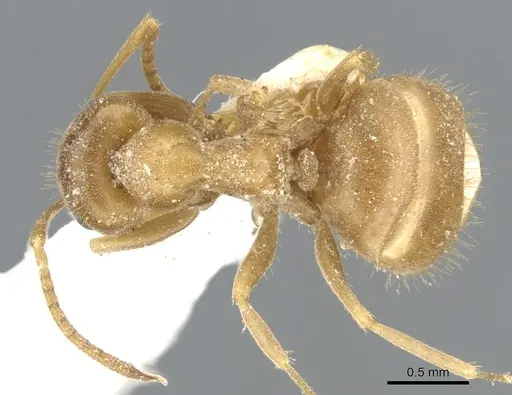
FOCOL0746
View on AntWeb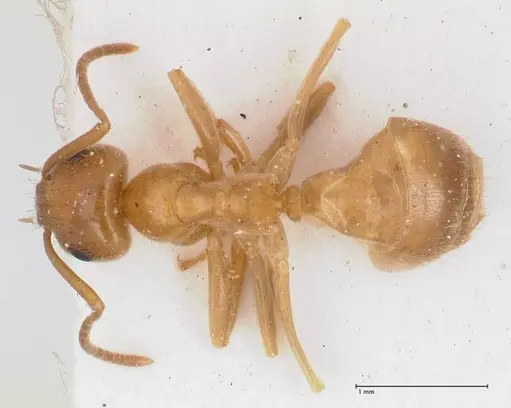
Literature
Loading...Loading products...