

Lasius mexicanus
- Scientific Name
- Lasius mexicanus
- Tribe
- Lasiini
- Subfamily
- Formicinae
- Author
- Wheeler, 1914
- Common Name
- Mexican Citronella Ant
- Distribution
- Found in 1 countries
Lasius mexicanus Overview
Lasius mexicanus (commonly known as the Mexican Citronella Ant) is an ant species of the genus Lasius. It is primarily documented in 1 countries , including Mexico. Detailed taxonomic data and occurrence records can be further explored via authoritative databases such as AntWeb or the Global Biodiversity Information Facility (GBIF).
Lasius mexicanus - "Mexican Citronella Ant"
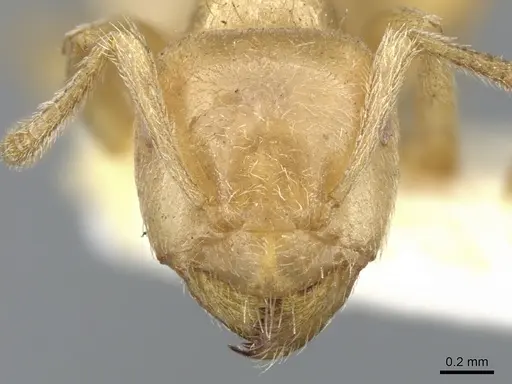
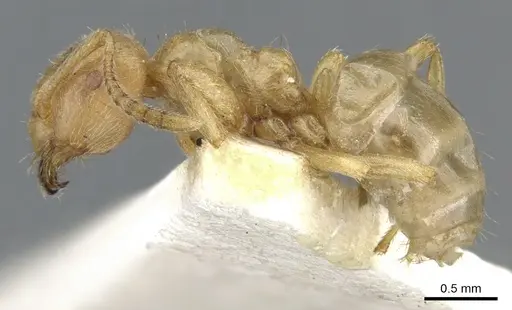
Lasius mexicanus is a small ant species native to central Mexico, found in the highlands of Hidalgo, Puebla, and Veracruz states [1]. Workers are typically 3-5mm with the classic Lasius appearance: a dark brown to black body with relatively short antennae and a smooth, glossy mesosoma. Queens are larger at 6-8mm and have the robust, chunky build typical of Lasius species. This species inhabits mountain forest edges and grassland areas at moderate to high elevations, where it nests in soil and under stones. Like other Lasius species, they maintain symbiotic relationships with aphids and feed on honeydew as a primary food source.
Quick Summary
- Difficulty: Easy
- Origin & Habitat: Central Mexico (Hidalgo, Puebla, and Veracruz states) at moderate to high elevations in mountain forest edges and grassland areas [1].
- Colony Type: Likely single-queen colonies based on typical Lasius genus patterns. Colonies typically grow to several thousand workers over several years.
- Colony: Monogyne
- Founding: Claustral
- Size & Growth:
- Queen: 6-8mm (estimated based on genus)
- Worker: 3-5mm
- Colony: Up to several thousand workers (typical for Lasius)
- Growth: Moderate
- Development: 6-10 weeks at optimal temperature (estimated based on related Lasius species) (Development time varies with temperature, warmer conditions within range accelerate development, cooler conditions slow it down)
- Antkeeping:
- Temperature: Keep at 20-24°C. They tolerate typical room temperature well and can handle slight cooling. A gentle heat gradient allows workers to self-regulate.
- Humidity: Moderate humidity (50-60%). Keep nest substrate slightly moist but not waterlogged. They do well with standard test tube setups or plaster nests.
- Diapause: Yes, they benefit from a winter rest period of 2-3 months at 5-10°C. This mimics their natural seasonal cycle in the Mexican highlands.
- Nesting: Y-tong (AAC) nests, plaster nests, or test tube setups work well. They prefer compact chambers scaled to their size. Provide some soil or substrate for tunneling if using a naturalistic setup.
- Behavior: Generally calm and non-aggressive. Workers are active foragers that readily tend aphids and collect sugar sources. They are not particularly defensive and rarely sting. Escape risk is moderate, standard barriers work well, but small gaps should be sealed since workers are 3-5mm.
- Common Issues: colonies may stall if kept too cold, ensure temperatures stay above 18°C during active season, overfeeding can lead to mold in nests, remove uneaten food promptly, winter dormancy is important, skipping hibernation can weaken colonies over time, test tube water reservoirs can flood if overfilled, use appropriate water tube size, wild-caught colonies may have parasites, quarantine and observe new colonies
Housing and Nest Setup
Lasius mexicanus adapts well to common captive setups. Test tube setups work excellently for founding colonies, use a standard test tube half-filled with water, stoppered with a cotton ball. For established colonies, Y-tong (AAC) nests provide excellent visibility and humidity control. Plaster nests also work well, maintaining consistent moisture levels. Whatever setup you choose, ensure chambers are appropriately sized, tight spaces help these ants feel secure. Provide an outworld for foraging with a shallow food dish and access to water. Escape prevention should include standard barrier methods like fluon on container rims.
Feeding and Diet
Like other Lasius species, these ants are omnivorous with a strong preference for sugar. Offer sugar water (1:3 ratio) or honey water regularly, this should always be available once workers emerge. For protein, provide small insects like fruit flies, small mealworms, or cricket pieces. They will also readily accept other protein sources like boiled egg or cat food. In nature, they heavily rely on honeydew from aphids, so sugar sources are particularly important. Feed protein 2-3 times per week for growing colonies, less for established ones. Remove uneaten food within 24 hours to prevent mold.
Temperature and Seasonal Care
Lasius mexicanus does well at moderate temperatures of 20-24°C. They are from the Mexican highlands, so they can tolerate some variation but prefer stable conditions. During summer months, room temperature is usually appropriate. In winter, they benefit from a diapause period, reduce temperatures to 5-10°C for 2-3 months. This mimics their natural seasonal cycle and helps maintain colony health. Do not feed during hibernation, the colony will be largely dormant and any food will simply mold. Resume normal feeding when temperatures gradually increase in spring.
Colony Development
A newly mated queen will seal herself in a claustral chamber and lay eggs after a settling period. She will not leave to forage, she lives entirely on her stored fat reserves while raising the first brood. First workers (nanitics) are typically smaller than mature workers and appear 6-10 weeks after eggs are laid, depending on temperature. After nanitics emerge, the queen stops caring for brood directly and focuses on egg-laying. The colony then grows steadily as workers take over all colony maintenance and foraging. Growth is moderate, expect the first year to reach 50-100 workers, with larger colonies developing over 2-4 years.
Behavior and Temperament
These ants are calm and manageable in captivity. Workers are active and will readily explore the outworld in search of food. They are not particularly defensive and rarely attempt to sting, making them suitable for observation. Workers communicate using chemical trails and will quickly recruit nestmates to good food sources. They show typical Lasius behavior of tending aphid colonies for honeydew when given the opportunity. Colonies establish well and can become quite active once established, making them engaging pets.
Frequently Asked Questions
How long does it take for Lasius mexicanus to produce first workers?
First workers typically appear 6-10 weeks after the queen lays eggs, assuming temperatures around 20-24°C. Cooler temperatures will slow development significantly.
What temperature range is best for Lasius mexicanus?
Keep them at 20-24°C during the active season. They can tolerate slight variations but perform best in this moderate temperature range.
Can I keep multiple Lasius mexicanus queens together?
This species is typically single-queen (monogyne). Combining unrelated queens is not recommended as they will likely fight.
Do Lasius mexicanus need hibernation?
Yes, they benefit from a winter rest period of 2-3 months at 5-10°C. This helps maintain colony health and mimics their natural seasonal cycle.
What do Lasius mexicanus eat?
They primarily need sugar sources (sugar water or honey) and protein (small insects, boiled egg, or cat food). Sugar should be available constantly once workers emerge.
How big do Lasius mexicanus colonies get?
Mature colonies can reach several thousand workers over 3-5 years. They are a moderately sized Lasius species.
Are Lasius mexicanus good for beginners?
Yes, they are considered easy to keep. They are docile, tolerate typical room conditions, and have straightforward care requirements.
When should I move Lasius mexicanus to a formicarium?
You can keep them in a test tube setup for the first year or two. Move to a larger nest (Y-tong or plaster) when the colony reaches 100+ workers or the test tube becomes crowded.
Why is my Lasius mexicanus colony not growing?
Common causes include temperatures below 18°C, insufficient food (especially protein), or improper humidity. Check these parameters and ensure the queen is still laying eggs.
References

This caresheet is licensed under CC BY-SA 4.0 .
CASENT0903203
View on AntWeb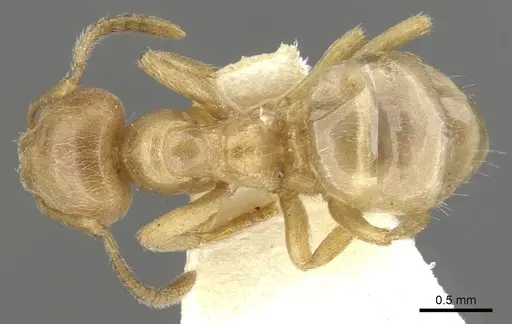
Literature
Loading...Loading products...