

Lasius arizonicus
- Scientific Name
- Lasius arizonicus
- Tribe
- Lasiini
- Subfamily
- Formicinae
- Author
- Wheeler, 1917
- Common Name
- Arizona Citronella Ant
- Distribution
- Found in 2 countries
Lasius arizonicus Overview
Lasius arizonicus (commonly known as the Arizona Citronella Ant) is an ant species of the genus Lasius. It is primarily documented in 2 countries , including Mexico, United States of America. Detailed taxonomic data and occurrence records can be further explored via authoritative databases such as AntWeb or the Global Biodiversity Information Facility (GBIF).
Lasius arizonicus - "Arizona Citronella Ant"
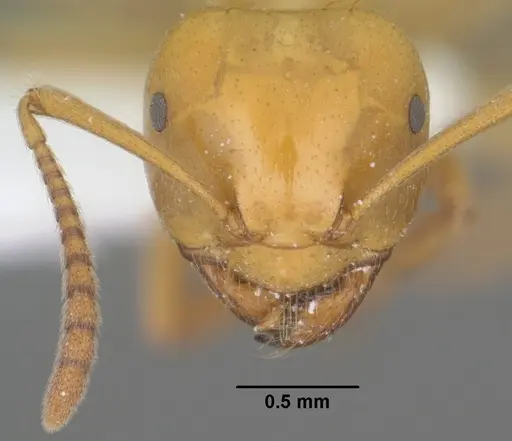
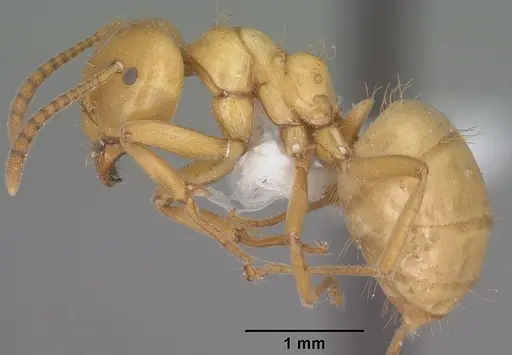
Lasius arizonicus is a small to medium-sized ant native to the American Southwest. Workers are yellow to yellowish brown with a very sparse body hair coverage, giving them a relatively smooth appearance. Queens are reddish brown and notably smaller than the similar Lasius interjectus species. Males are dark brown. This species belongs to the flavus clade within the subgenus Acanthomyops, which is known for containing temporary social parasites. They nest under stones in areas with rocky loam soil, typically at elevations between 5000-8500 feet in southeastern Arizona, southwestern New Mexico, and northern Mexico.
Quick Summary
- Difficulty: Hard
- Origin & Habitat: Native to southeastern Arizona, southwestern New Mexico, and northern Mexico. Found in hardwood forests, riparian areas, pinyon-juniper forests, and pine-oak transition zones. Nests under stones in rocky loam soil at elevations of 5000-8500 feet [1].
- Colony Type: Temporary social parasite, queens must invade a host colony (likely Lasius species) to establish their colony. The host species is currently unknown.
- Colony: Monogyne
- Queen: Temporary parasitic
- Size & Growth:
- Queen: Estimated 7-9mm based on related Lasius/Acanthomyops species
- Worker: Estimated 3-5mm based on related species
- Colony: Unknown for this specific species, likely similar to related Lasius at several hundred workers
- Growth: Unknown, likely moderate once established
- Development: Unknown for this species (Development timeline has not been directly studied. Related Lasius species typically take 6-10 weeks from egg to first worker at optimal temperatures.)
- Antkeeping:
- Temperature: Keep at room temperature around 20-24°C. This species comes from temperate-mountainous regions of the American Southwest, so they prefer cooler conditions than tropical ants. Avoid overheating.
- Humidity: Moderate humidity is appropriate. Keep the nest substrate moist but not waterlogged. Their natural habitat in riparian areas and under stones suggests they tolerate some moisture but need good drainage.
- Diapause: Yes, this species is native to temperate regions and will require a winter hibernation period. Provide 3-4 months of cold conditions around 5-10°C during winter.
- Nesting: Test tubes work well for founding colonies. Once established, they can be moved to a formicarium with soil or plaster. They naturally nest under stones, so a naturalistic setup with a stone on top of soil mimics their natural environment. Ensure the nest has chambers large enough for the colony.
- Behavior: This is a temporary social parasite, meaning new queens cannot found colonies on their own like typical claustral ants. Instead, they must find and invade an established colony of a related host species (likely another Lasius), kill or replace the host queen, and use the host workers to raise their first brood. Workers are not aggressive and primarily forage for honeydew and small insects. Escape risk is moderate, standard formicarium barriers are sufficient.
- Common Issues: temporary parasitism makes founding extremely difficult, obtaining a colony already established with workers is strongly recommended, host species is unknown, finding an appropriate host colony for the queen may be challenging, slow colony growth during the parasitic phase while the colony transitions to being self-sustaining, hibernation is required, colonies that are not given proper winter rest may decline, very limited availability in the antkeeping hobby, this species is rarely kept
Understanding Temporary Social Parasitism
Lasius arizonicus is a temporary social parasite, which means its queens cannot start a new colony alone like most ant species. Instead, a newly mated queen must find and invade an established colony of a related host species, in this case, likely another Lasius species native to the same region. The queen enters the host nest, kills or replaces the existing queen, and tricks the host workers into caring for her eggs and larvae. Once her first workers (called nanitics) hatch, they gradually replace the host workers until the colony becomes self-sustaining. This parasitic founding method is called temporary because the queen only uses the host colony temporarily, once her own workers emerge, they take over. This makes keeping L. arizonicus significantly more difficult than typical ants, as you cannot simply set up a queen in a test tube and wait for workers to hatch. The best approach is to obtain an established colony that has already completed this transition. [1]
Housing and Nesting
For established colonies, provide a nest with soil or sandy soil that can hold some moisture. These ants naturally nest under stones in areas with rocky loam soil, so a naturalistic setup works well. Place a flat stone on top of the soil to mimic their natural nesting conditions, the ants will excavate chambers beneath it. Alternatively, a Y-tong or plaster nest with narrow chambers also works. Keep the nest moderately humid, the substrate should feel damp but not be soggy. Provide an outworld for foraging with standard escape prevention. Because they are not large ants, ensure that any connections between nest areas are wide enough for workers to pass through easily. [1]
Feeding and Diet
Like other Lasius species, Lasius arizonicus likely has a mixed diet. They probably tend aphids and collect honeydew as their primary sugar source, while also hunting small insects and arthropods for protein. Offer sugar water or honey water as a constant sugar source. For protein, provide small insects like fruit flies, pinhead crickets, or mealworms. They may also accept other sweet liquids. Feed protein prey 2-3 times per week, and ensure a sugar source is always available. Remove any uneaten prey after 24-48 hours to prevent mold. [1]
Seasonal Care and Hibernation
As a species native to the temperate-mountainous regions of the American Southwest, Lasius arizonicus requires a winter hibernation period. During the colder months (roughly November through February in the Northern Hemisphere), reduce the temperature to around 5-10°C. This can be achieved by moving the colony to a cooler location like an unheated garage or basement. Reduce feeding during this period as the ants will be less active. Do not feed during deep hibernation. In spring, gradually warm the colony back to room temperature and resume normal feeding. Failure to provide proper hibernation can weaken or kill the colony over time. [1]
Finding and Acquiring Colonies
Lasius arizonicus is rarely available in the antkeeping hobby due to the difficulty of establishing colonies. Unlike typical ants where you can catch a queen during nuptial flights and raise her independently, this species requires either finding an already-established colony or attempting the difficult process of introducing a queen to a host colony. The alate (reproductive) flight season is June through August, with queens most likely taking flight around mid-June. If attempting to establish this species, you would need to locate a suitable host colony (likely a common Lasius species from the same region) and introduce the queen. This process has a low success rate even for experienced keepers. For most antkeepers, this species is not recommended unless you have specific experience with temporary social parasites. [1]
Frequently Asked Questions
Is Lasius arizonicus a good species for beginners?
No. This species is not recommended for beginners. As a temporary social parasite, it cannot found a colony independently like most ant species. You cannot simply catch a queen and raise her in a test tube, she needs to invade an existing host colony to survive. This makes establishing L. arizonicus significantly more difficult than typical ants.
How do I start a Lasius arizonicus colony?
Starting a colony is extremely difficult. Unlike typical ants, you cannot raise a queen alone in a test tube. Instead, you would need to obtain a queen and introduce her to an established colony of a suitable host species (likely another Lasius). Even for experienced keepers, this process has a low success rate. The recommended approach is to obtain an already-established colony that has completed the parasitic transition.
What do Lasius arizonicus ants eat?
They likely have a mixed diet similar to other Lasius species. Offer sugar water or honey water as a constant sugar source. For protein, provide small insects like fruit flies, pinhead crickets, or mealworms. They probably also collect honeydew from aphids in the wild.
What temperature do Lasius arizonicus need?
Keep them at room temperature, around 20-24°C. This species comes from temperate-mountainous regions of the American Southwest and prefers cooler conditions than tropical ants. Avoid overheating them.
Do Lasius arizonicus need hibernation?
Yes. As a species native to temperate regions, they require a winter hibernation period. Provide 3-4 months of cold conditions around 5-10°C during winter (typically November-February). Failure to hibernate can weaken or kill the colony.
How big do Lasius arizonicus colonies get?
The maximum colony size is not well documented for this species. Based on related Lasius species, established colonies likely reach several hundred workers. They are not among the largest ant species.
Where is Lasius arizonicus found?
This species is native to the American Southwest, specifically southeastern Arizona, southwestern New Mexico, and northern Mexico. They live in hardwood forests, riparian areas, pinyon-juniper forests, and pine-oak transition zones at elevations between 5000-8500 feet.
Why is Lasius arizonicus so hard to find for sale?
This species is rarely available because it is a temporary social parasite. Unlike typical ants that can be raised from a single queen, establishing this species requires either finding an already-established colony or successfully introducing a queen to a host colony, both very difficult processes. Most antkeepers interested in Lasius species choose easier-to-keep alternatives.
Can I keep multiple Lasius arizonicus queens together?
This is not recommended and has not been documented. In temporary social parasites, queens must invade host colonies individually. Combining unrelated queens would likely result in aggression. Additionally, the colony structure after establishment is typically single-queen (monogyne).
References

This caresheet is licensed under CC BY-SA 4.0 .
CASENT0102769
View on AntWeb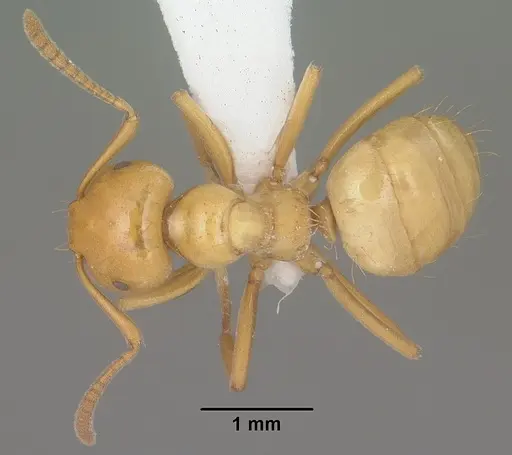
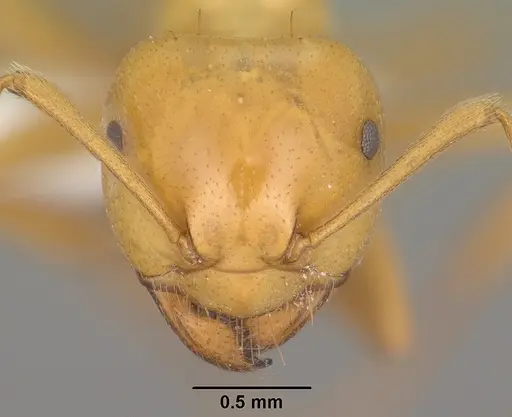
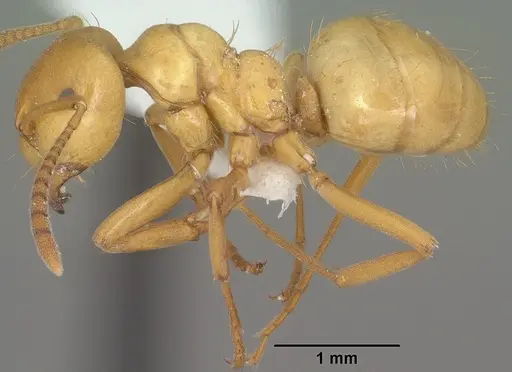
CASENT0102773
View on AntWeb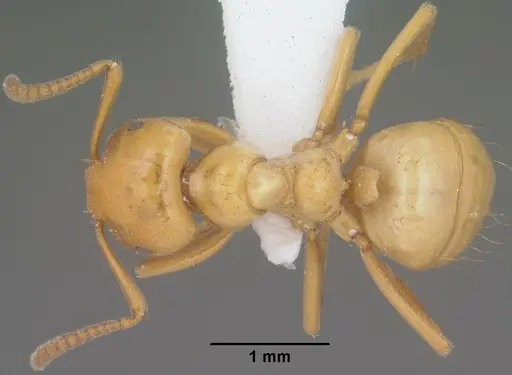
CASENT0280431
View on AntWeb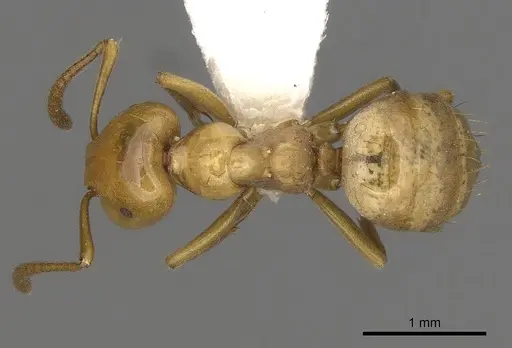
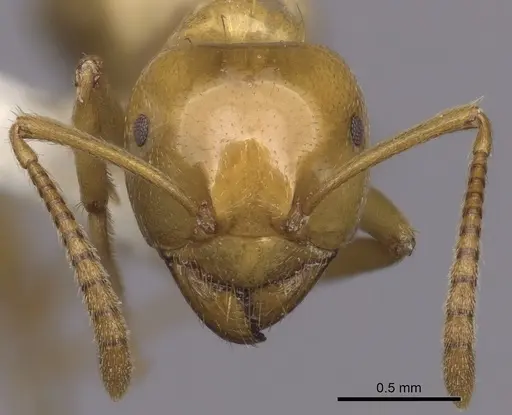
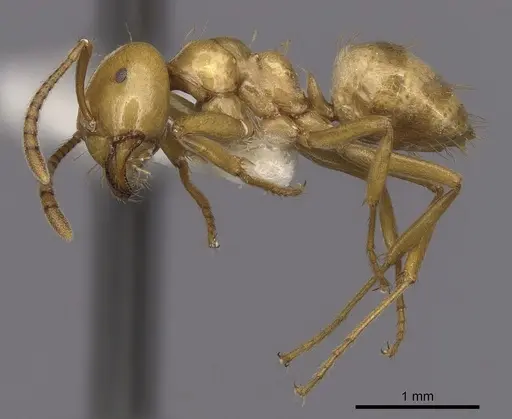
CASENT0349054
View on AntWeb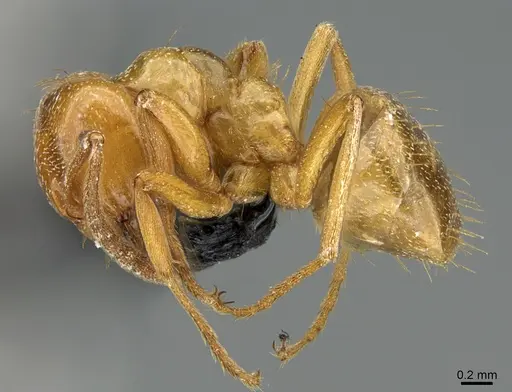
Literature
Loading...Loading products...