

Lachnomyrmex victori
- Scientific Name
- Lachnomyrmex victori
- Tribe
- Attini
- Subfamily
- Myrmicinae
- Author
- Feitosa & Brandão, 2008
- Distribution
- Found in 1 countries
Lachnomyrmex victori Overview
Lachnomyrmex victori is an ant species of the genus Lachnomyrmex. It is primarily documented in 1 countries , including Brazil. Detailed taxonomic data and occurrence records can be further explored via authoritative databases such as AntWeb or the Global Biodiversity Information Facility (GBIF).
Lachnomyrmex victori
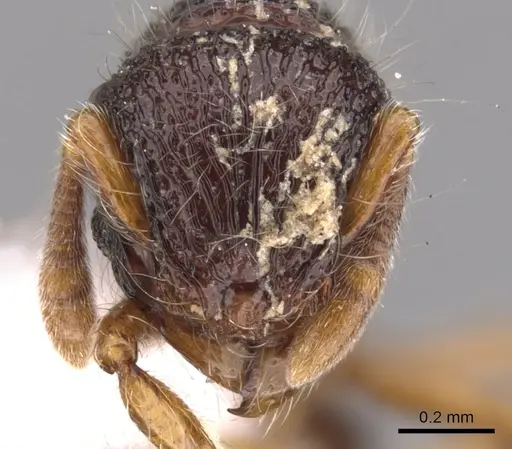
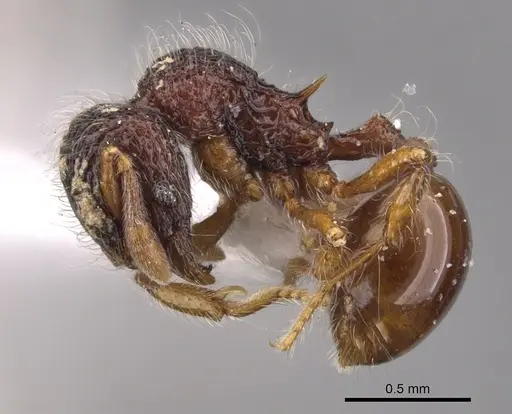
Lachnomyrmex victori is a tiny myrmicine ant native to the Atlantic Forest of southeastern Brazil. Workers measure just 2.3-3.5mm and are reddish-brown to black with lighter gaster and legs. They have a distinctive appearance with irregular rugae (wrinkles) on their body, a moderately convex promesonotum, and straight propodeal spines. The postpetiole bears more than 10 long hairs, while the first gastral tergite is notably devoid of long flexuous hairs. This species was only described in 2008,making it one of the newer ant species in the hobby. They nest in leaf litter, rotten wood, and the ground in humid forest environments.
Quick Summary
- Difficulty: Medium
- Origin & Habitat: Atlantic Forest of southeastern Brazil, elevations 300-1050m. Found in Santa Catarina, Paraná, São Paulo, and Espírito Santo states [1]. They live in leaf litter and rotting wood in submontane wet forests [2].
- Colony Type: Apparently monogyne (single queen colonies). Colonies are relatively small [2]. Workers forage alone and do not recruit nestmates or form pheromone trails.
- Colony: Monogyne
- Size & Growth:
- Queen: 3.21-3.83mm total length [1]
- Worker: 2.26-3.51mm total length [1]
- Colony: Relatively small colonies, exact maximum unknown [2]
- Growth: Unknown, no development data available
- Development: Unknown, no direct measurements. Based on similar small Myrmicinae, estimate 6-10 weeks at optimal temperature. (Development timeline has not been studied. Estimates based on genus-level patterns for small leaf-litter ants.)
- Antkeeping:
- Temperature: Keep around 22-26°C. This species comes from warm Atlantic Forest environments at elevations up to 1050m. A gentle gradient is recommended.
- Humidity: High humidity required, think damp forest floor. Keep nest substrate consistently moist but not waterlogged. These leaf-litter ants need humidity similar to their natural habitat.
- Diapause: Unknown, no studies on overwintering requirements. Atlantic Forest has mild winters, so they may not need a true diapause but may reduce activity in cooler months.
- Nesting: Natural nesting: ground, rotten leaves, inside fallen logs [2]. In captivity, a Y-tong or plaster nest with small chambers works well. Keep substrate consistently damp. They forage on the ground and in leaf litter, so a naturalistic setup with some coverage works best.
- Behavior: These are shy, solitary foragers. Workers forage alone on the ground or within leaf litter and have been recorded on tree trunks [2]. They do not recruit nestmates or form pheromone trails, meaning they find food individually. They are not aggressive and likely rely on camouflage rather than confrontation. Escape prevention is important due to their small size, they can squeeze through tiny gaps.
- Common Issues: small size means escapes are likely without fine mesh barriers, high humidity needs can lead to mold if ventilation is poor, slow colony growth may cause keepers to overfeed or disturb the nest, no documented founding behavior, wild-caught queens may be difficult to establish, limited information means care is largely based on inference from related species
Natural History and Distribution
Lachnomyrmex victori is endemic to the Atlantic Forest of southeastern Brazil, where it occurs at elevations between 300 and 1050 meters. The species has been recorded in Santa Catarina, Paraná, São Paulo, and Espírito Santo states. They are primarily leaf-litter ants, most often found in the damp, decomposing material on the forest floor of submontane wet forests. Workers forage individually on the ground and within leaf litter, and there is a single record of a worker foraging on the trunk of a Croton floribundus tree in São Paulo state. Unlike many ant species, L. victori workers do not recruit nestmates to food sources or form pheromone trails, they hunt and forage alone. Colonies are relatively small and appear to have a single queen. [1][2]
Nest Preferences and Housing
In the wild, Lachnomyrmex victori nests in the ground, among rotten leaves, and inside fallen logs [2]. This is typical leaf-litter ant behavior, they prefer dark, humid microhabitats with stable temperatures. For captive care, a Y-tong (acrylic) nest or plaster nest with small chambers works well. The chambers should be appropriately scaled to their tiny 2-3mm size. Keep the nest substrate consistently moist but not waterlogged, these ants need high humidity similar to their forest floor habitat. A naturalistic setup with leaf litter or other cover can help them feel secure. Because of their small size, excellent escape prevention is essential, use fine mesh and tight-fitting lids.
Feeding and Diet
The genus Lachnomyrmex belongs to the tribe Attini, which includes fungus-growing ants, but Lachnomyrmex specifically is not known to cultivate fungus. Based on related leaf-litter ant behavior, they are likely omnivorous, feeding on small insects, honeydew, and other organic matter they find in the leaf litter. In captivity, offer small protein sources like fruit flies, pinhead crickets, or other tiny arthropods. Sugar sources like honey water or sugar water may be accepted. Feed small amounts several times a week and remove uneaten food to prevent mold. Since workers forage alone and do not recruit, place food near foraging areas and give them time to discover it. [2]
Temperature and Seasonal Care
Lachnomyrmex victori comes from the Atlantic Forest of southeastern Brazil at elevations of 300-1050m. This region is tropical to subtropical with warm temperatures year-round. Keep the nest at roughly 22-26°C, with a gentle gradient if possible so the ants can choose their preferred temperature. The higher elevations (up to 1050m) suggest they can tolerate slightly cooler conditions than pure lowland tropical ants. Regarding winter care, the Atlantic Forest has mild winters, and no specific diapause behavior has been documented. However, you may observe reduced activity during cooler months, this is normal and you should not aggressively heat the colony. Simply maintain room temperature in the low 20s°C range. [1]
Colony Structure and Behavior
Lachnomyrmex victori colonies are relatively small and appear to be monogyne (single queen) [2]. Workers are tiny at 2.3-3.5mm and forage alone rather than in groups. This solitary foraging behavior is distinctive, they do not recruit nestmates to food sources or form pheromone trails like many other ant species. Instead, each worker hunts and forages independently. This makes them less exciting to watch than trail-forming species, but it also means they are not aggressive and handle disturbance poorly. Queens measure 3.2-3.8mm and are slightly larger than workers. The species was only described in 2008,so there is limited captive breeding information available.
Frequently Asked Questions
How long does it take for Lachnomyrmex victori to produce first workers?
The exact development timeline is unknown, this species has not been studied in captivity. Based on similar small Myrmicinae leaf-litter ants, expect roughly 6-10 weeks from egg to first worker at optimal temperature (around 24°C). Patience is key with this species.
Can I keep multiple Lachnomyrmex victori queens together?
No, colonies appear to be monogyne (single queen) in the wild. Combining unrelated queens is not recommended and could result in fighting. If you obtain a wild colony, it will likely have just one queen.
What do Lachnomyrmex victori ants eat?
They are likely omnivorous like other leaf-litter ants. Offer small protein sources (fruit flies, tiny crickets, other micro-arthropods) and sugar sources (honey water, sugar water). Feed small amounts several times a week and remove uneaten food.
Are Lachnomyrmex victori good for beginners?
This species is rated as Medium difficulty. They require high humidity and have specific nesting needs. Their small size and escape risk, combined with limited available care information, make them better suited for keepers with some experience.
What size colony does Lachnomyrmex victori reach?
Colonies remain relatively small, exact maximum is unknown but likely under 100 workers based on genus patterns. They are not large colony builders.
Do Lachnomyrmex victori need hibernation?
Diapause requirements are unconfirmed. The Atlantic Forest has mild winters, so they likely do not need a true hibernation. You may observe reduced activity in cooler months, simply maintain stable temperatures in the low 20s°C range.
When should I move Lachnomyrmex victori to a formicarium?
Start them in a test tube setup with high humidity. Once the colony reaches 20-30 workers and you see consistent activity, you can move them to a small Y-tong or plaster nest. They prefer tight, humid spaces scaled to their tiny size.
Why do my Lachnomyrmex victori workers die outside the nest?
This could indicate stress from poor humidity, temperature issues, or disease. Check that the nest is adequately humid (damp but not flooded) and temperatures are stable. Also ensure they have adequate darkness and cover, these shy leaf-litter ants stress easily.
References

This caresheet is licensed under CC BY-SA 4.0 .
CASENT0173877
View on AntWeb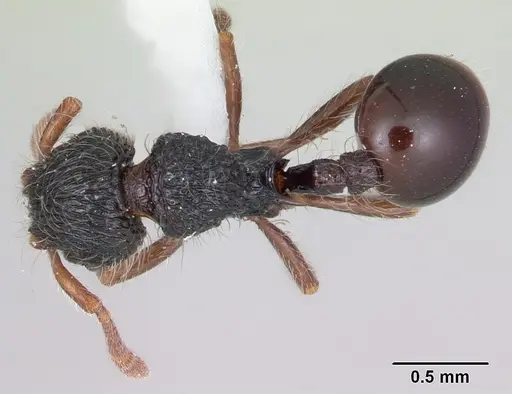
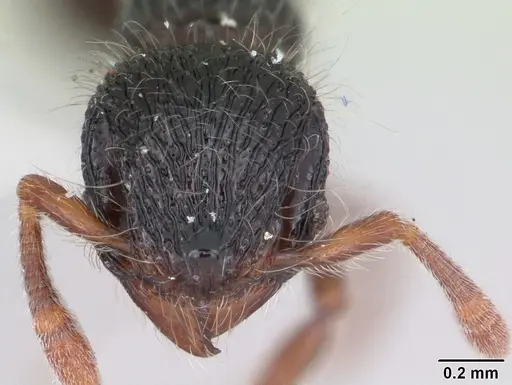
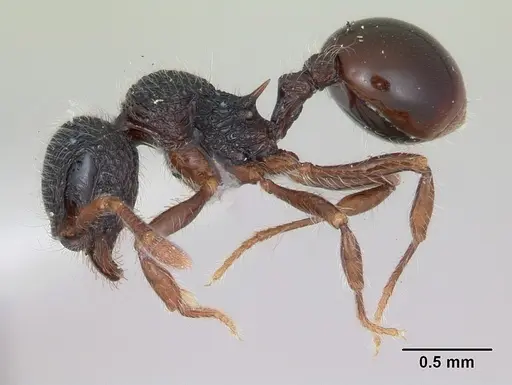
CASENT0900981
View on AntWeb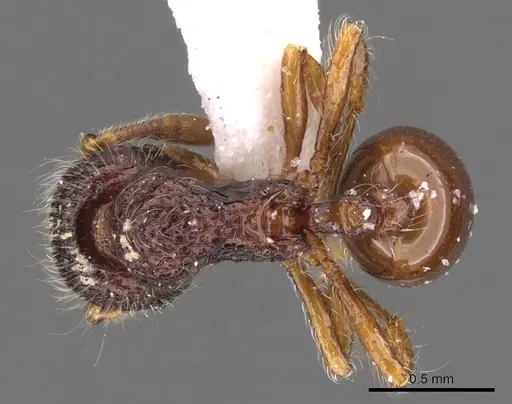
Literature
Loading...Loading products...