

Lachnomyrmex mackayi
- Scientific Name
- Lachnomyrmex mackayi
- Tribe
- Attini
- Subfamily
- Myrmicinae
- Author
- Feitosa & Brandão, 2008
- Distribution
- Found in 1 countries
Lachnomyrmex mackayi Overview
Lachnomyrmex mackayi is an ant species of the genus Lachnomyrmex. It is primarily documented in 1 countries , including Panama. Detailed taxonomic data and occurrence records can be further explored via authoritative databases such as AntWeb or the Global Biodiversity Information Facility (GBIF).
Lachnomyrmex mackayi
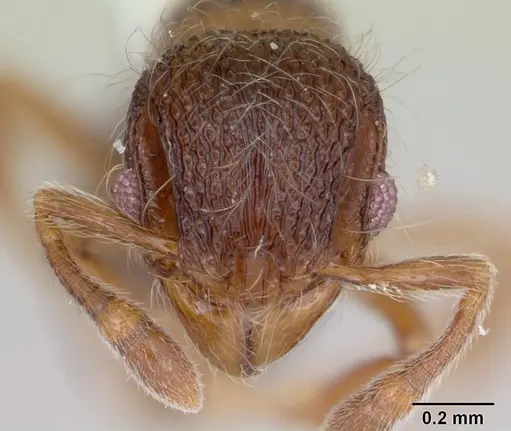
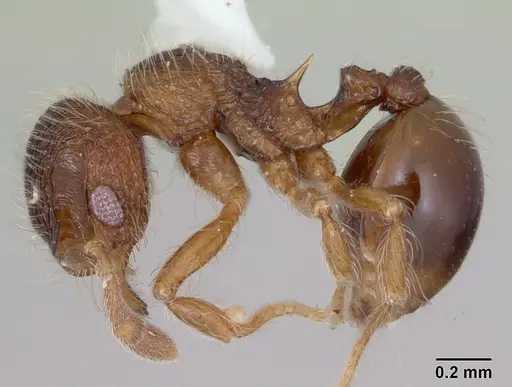
Lachnomyrmex mackayi is a tiny Neotropical ant species measuring just 2.7-3.1mm in total length, with a light reddish-brown body and yellowish appendages [1]. The workers have a distinctive appearance: their entire body is covered in fine, worm-like wrinkles (vermiculate rugae), and they sport more than 10 long hairs on the back of their postpetiole (the segment before the abdomen) [1]. This species is endemic to Panama, where it's only known from wet montane forests in the Chiriquí region [1][2].
What makes this ant interesting is its lifestyle. Workers forage alone through the leaf litter rather than forming recruitment trails, hunting solo for small prey [3]. The genus Lachnomyrmex belongs to a group of ants that nest in the ground and rotting material on the forest floor, making them a true leaf-litter specialist [3]. This is an exceptionally rare species in the hobby, known from only two scientific collections.
Quick Summary
- Difficulty: Hard
- Origin & Habitat: Wet montane forests of Panama (Chiriquí region) at moderate to high elevations [1][2]
- Colony Type: Apparently monogynic, colonies appear to have a single queen [3]. Only known from worker caste, so colony structure details are limited.
- Colony: Monogyne
- Size & Growth:
- Queen: Unknown, queen caste has not been described in scientific literature
- Worker: 2.7-3.1mm total length (workers measure HL 0.61-0.68mm, HW 0.60-0.65mm) [1]
- Colony: Relatively small colonies, likely under 100 workers based on genus patterns [3]
- Growth: Unknown, no development data available
- Development: Unknown, this species has never been bred in captivity and no development studies exist (Closely related litter ants typically develop in 6-10 weeks at warm temperatures, but this is a rough estimate only)
- Antkeeping:
- Temperature: Keep around 22-26°C. These are montane forest ants from a tropical but elevated location, so they prefer moderate warmth with stable humidity [3].
- Humidity: High humidity is essential, think damp forest floor. Keep nest substrate consistently moist but not waterlogged. Provide a gradient from damp to slightly drier areas so ants can self-regulate [3].
- Diapause: Unknown, no data on seasonal behavior. As a tropical montane species, they may have reduced activity periods rather than true hibernation.
- Nesting: Natural nesting: ground nests among rotten leaves and inside fallen logs [3]. For captivity: a naturalistic setup with moist substrate (soil/peat mix) works well, or a Y-tong/plaster nest with small chambers scaled to their tiny size. Avoid drying out.
- Behavior: Workers are solitary foragers that hunt alone in leaf litter rather than recruiting nestmates [3]. They don't form pheromone trails to food sources. This means you'll need to scatter food throughout the setup rather than expect concentrated feeding activity. They are likely peaceful toward colony members. Escape prevention is critical, at only 3mm, they can slip through standard barriers. Use fine mesh and tight-fitting lids [3].
- Common Issues: high humidity maintenance is critical, these forest floor ants dry out easily and will perish in dry conditions, escape prevention must be excellent, their tiny 3mm size means they can squeeze through gaps that larger ants cannot, solitary foraging means food may be missed if not placed where foragers travel, this species is exceptionally rare in the hobby with almost no captive breeding success documented, no established care protocols exist, keepers are essentially pioneering husbandry
Housing and Nest Setup
Lachnomyrmex mackayi is a leaf-litter specialist that naturally nests in the ground among rotten leaves and inside fallen logs [3]. For captivity, create a naturalistic setup with a moist substrate layer (a mix of soil, peat, and rotting wood pieces) that mimics the damp forest floor they call home. The substrate should stay consistently damp but never waterlogged. A thin layer of leaf litter on top helps maintain humidity and gives foragers cover. Alternatively, a small Y-tong or plaster nest with chambers scaled to their tiny 3mm size can work, but ensure the nest material stays moist. Either way, include an outworld area where you can offer food. Because they're so small, even standard test tube setups may be too large, consider using small containers or scaling everything down.
Feeding and Diet
Based on genus behavior, these ants are likely omnivorous predators that forage for small invertebrates in leaf litter [3]. Feed small live prey like springtails, fruit flies, or tiny crickets. Offer protein regularly (2-3 times per week) and remove uneaten prey within 24 hours to prevent mold. Sugar sources may be accepted, you can offer a drop of diluted honey or sugar water occasionally, but don't rely on it as a primary food source since their natural diet is primarily predatory. Remember that workers forage alone without recruiting nestmates [3], so scatter food throughout the setup rather than placing it all in one spot.
Temperature and Humidity
As residents of wet montane forests in Panama, these ants need higher humidity than most tropical ants. Keep the nest area at 22-26°C with humidity levels similar to a greenhouse or terrarium, consistently damp substrate is key. The substrate surface should feel moist to the touch but not have standing water. A small water reservoir connected to the nest helps maintain humidity. Avoid placing the setup near air conditioning or heating vents that cause drying. If you see workers clustering together excessively, the colony may be too dry. Conversely, if you see mold growth, ventilation is inadequate. [3][1]
Behavior and Observation
One of the most interesting aspects of Lachnomyrmex mackayi is their solitary foraging behavior. Unlike many ants that recruit nestmates to food sources using pheromone trails, these workers hunt alone through the leaf litter [3]. This makes them less exciting to watch during feeding time since you won't see the dramatic recruitment swarms common in species like fire ants. However, it also means they're less likely to escape in search of food. Workers are small and dark reddish-brown with distinctive hairy abdomens, under magnification, the fine wrinkle patterns on their body are visible and quite beautiful. They appear to be peaceful and non-aggressive toward keepers.
Acquisition and Ethics
This species is exceptionally rare in the antkeeping hobby. It has only been scientifically collected twice, both times from the Chiriquí region of Panama [1][2]. There are no documented captive breeding programs, and wild-caught colonies are essentially unavailable. If you ever encounter this species for sale, be extremely cautious about its origin, it may have been collected from the wild, which is both ecologically problematic and potentially illegal. For ethical antkeeping, avoid purchasing rarely-collected species unless they come from a documented captive breeding program. Instead, consider more common Neotropical litter ants like some Strumigenys or Pyramica species that have established husbandry protocols.
Frequently Asked Questions
How big do Lachnomyrmex mackayi colonies get?
Based on genus patterns, colonies are relatively small, likely under 100 workers. This species has only been collected twice and the exact colony size in the wild is unknown [3].
What do Lachnomyrmex mackayi ants eat?
They are likely predatory, feeding on small invertebrates in leaf litter. Offer small live prey like springtails, fruit flies, or tiny crickets. Occasional sugar water or honey may be accepted but shouldn't be the primary food [3].
Are Lachnomyrmex mackayi good for beginners?
No. This is an expert-level species due to several factors: extremely rare in the hobby with no established care protocols, high humidity requirements, tiny size making escape likely, and solitary foraging behavior that makes them less engaging to watch. Beginners should start with more documented species.
How long does it take for Lachnomyrmex mackayi to develop from egg to worker?
Unknown, this species has never been bred in captivity and no scientific development studies exist. Based on similar litter ants, it may take 6-10 weeks at warm temperatures, but this is purely an estimate.
Do Lachnomyrmex mackayi need hibernation?
Unknown. As a tropical montane species from Panama, they may have seasonal activity patterns but likely not true hibernation. More research is needed on their seasonal biology.
Can I keep multiple Lachnomyrmex mackayi queens together?
Not recommended. The species appears to be monogynic (single queen colonies) based on limited field observations [3]. Combining unrelated queens has not been studied and would likely result in aggression.
What is the best nest type for Lachnomyrmex mackayi?
A naturalistic setup with moist substrate (soil/peat mix with rotting wood pieces) best mimics their natural habitat of leaf litter and fallen logs [3]. Small Y-tong or plaster nests can also work if kept consistently moist.
References

This caresheet is licensed under CC BY-SA 4.0 .
CASENT0173883
View on AntWeb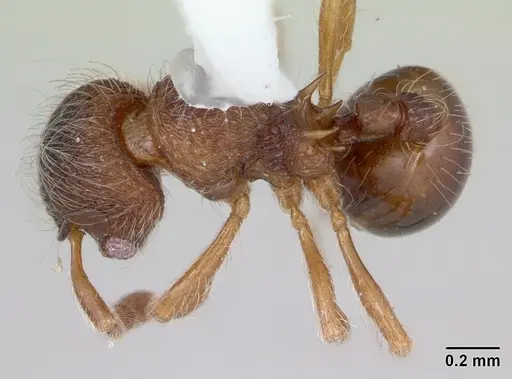
Literature
Loading...Loading products...