

Iridomyrmex tenuiceps
- Scientific Name
- Iridomyrmex tenuiceps
- Tribe
- Leptomyrmecini
- Subfamily
- Dolichoderinae
- Author
- Heterick & Shattuck, 2011
- Distribution
- Found in 1 countries
Iridomyrmex tenuiceps Overview
Iridomyrmex tenuiceps is an ant species of the genus Iridomyrmex. It is primarily documented in 1 countries , including Australia. Detailed taxonomic data and occurrence records can be further explored via authoritative databases such as AntWeb or the Global Biodiversity Information Facility (GBIF).
Iridomyrmex tenuiceps
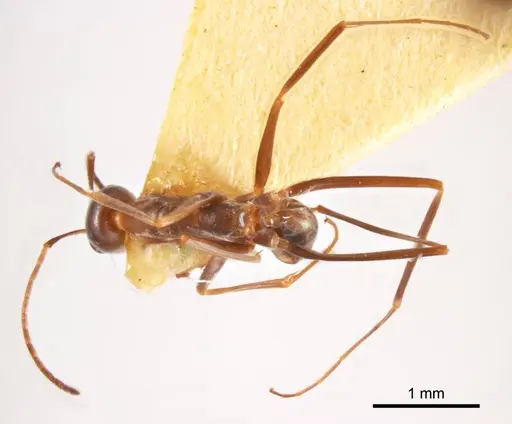
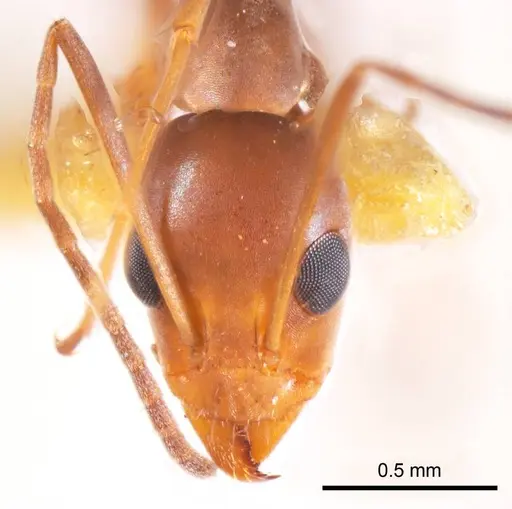
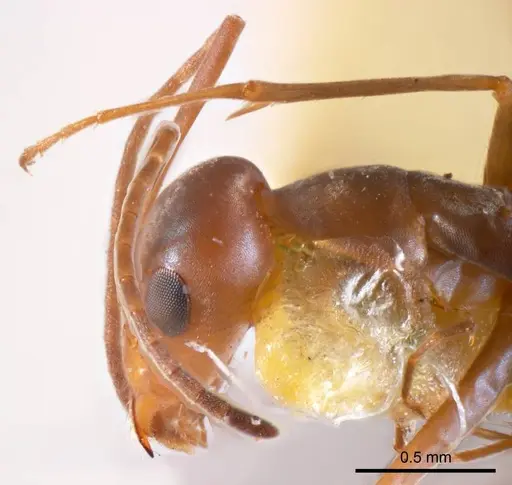
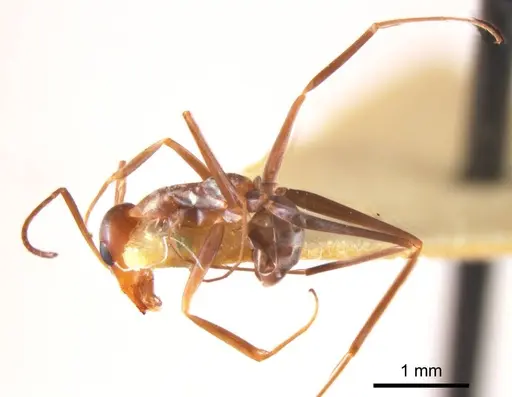
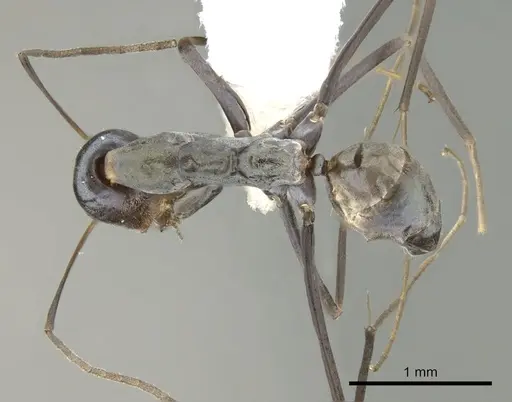
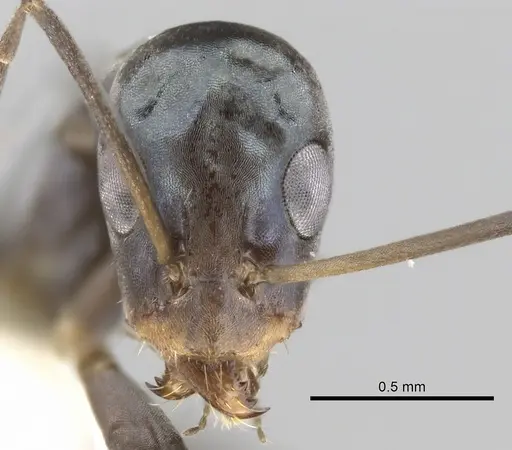
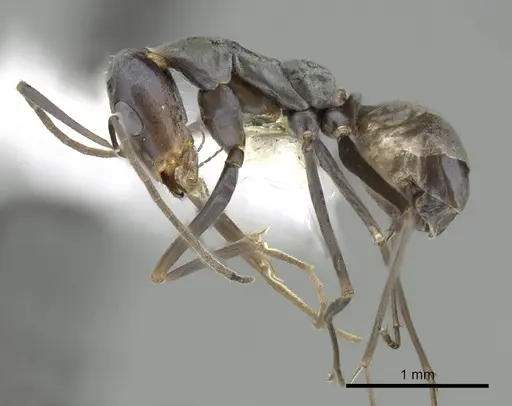
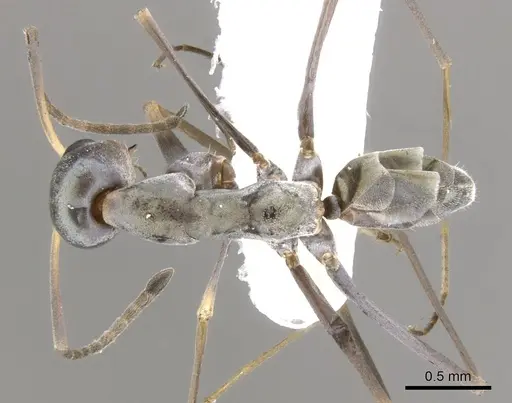
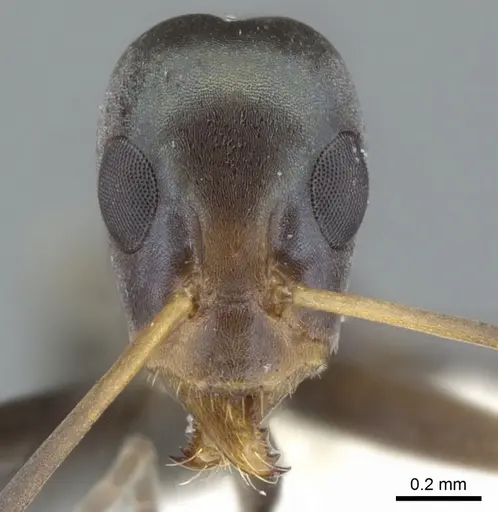
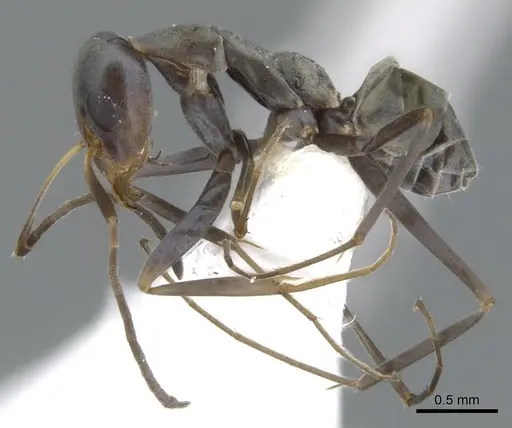
Iridomyrmex tenuiceps is a small to medium-sized ant native to northern Australia, easily recognized by its remarkably narrow head (cephalic index 64-70) which gives the species its name, 'tenuiceps' comes from Latin meaning 'slender head' [1]. Workers measure 0.90-1.03mm in head length and 0.60-0.66mm in head width, with a grey-brown body featuring a distinctive coppery sheen and orange markings on the clypeal region and lower genae [1]. The species belongs to the Dolichoderinae subfamily and is the sister taxon to I. angusticeps, but unlike its relative, I. tenuiceps is glabrous (smooth and hairless) [1]. This ant is widespread across the Torresian zone of Australia, found in northern Western Australia, the Northern Territory, and Queensland, including Lizard Island [1][2].
Quick Summary
- Difficulty: Unknown, species has never been kept in captivity
- Origin & Habitat: Northern Australia (Torresian zone: northern WA, NT, Queensland). Collected in pitfall traps, indicating ground-dwelling behavior. No additional ecological data available [1][2].
- Colony Type: Colony structure is unconfirmed. No data on queen number or colony size in the wild.
- Size & Growth:
- Queen: Undescribed in scientific literature, no queen measurements available
- Worker: 0.90-1.03mm head length,0.60-0.66mm head width, scape 1.00-1.15mm [1]
- Colony: Unknown, no colony size data available
- Growth: Unknown, no development data available
- Development: Unknown, no development data available for this species (Related Iridomyrmex species typically develop from egg to worker in 6-10 weeks at tropical temperatures, but this is an estimate only)
- Antkeeping:
- Temperature: Likely prefers warm conditions similar to other northern Australian Iridomyrmex. Based on the species' tropical distribution (Torresian zone), aim for 24-30°C with a gradient. Adjust based on colony behavior.
- Humidity: Based on northern Australian habitat, likely prefers moderate to semi-humid conditions. Provide a moist nest chamber with some drier areas for the ants to choose.
- Diapause: Unknown, no data on overwintering requirements. Northern Australia experiences mild winters, so a true diapause may not be necessary, but a brief cool period (15-20°C for 2-3 months) may benefit colony cycling.
- Nesting: Ground-nesting species collected in pitfall traps. Likely nests in soil or under stones. In captivity, a naturalistic setup with soil substrate or a Y-tong/plaster nest with moist chambers would be appropriate. Provide a foraging area with access to protein and sugar sources.
- Behavior: Behavior is unstudied in captivity. Based on genus-level knowledge, Iridomyrmex ants are typically active foragers with moderate aggression when defending their nest. Workers are fast-moving and likely nocturnal or crepuscular. Escape prevention should be moderate, workers are small but not among the tiniest ants. The species is not known to be particularly aggressive or to have a painful sting, though Dolichoderinae ants can defend their colonies.
- Common Issues: This species has never been documented in the antkeeping hobby, so all care recommendations are estimates based on related species, No data on founding behavior, queen type (claustral vs semi-claustral) is unknown, Colony size and growth rate are unknown, making it difficult to plan housing upgrades, Wild-caught colonies may harbor parasites or diseases not yet characterized, Lack of captive husbandry history means no established protocols exist for this species
Species Identification and Distinction
- and the scape extends beyond the posterior head margin by 0.2-0.5 times its length [1]. The body coloration is grey-brown with a distinctive coppery metallic sheen, and the clypeal region and lower genae are orange [1]. These identification features are important for confirming the species in any collection or captive setup.
Distribution and Habitat
This species is endemic to Australia and widespread across the Torresian zoogeographic zone, which encompasses northern Western Australia, the Northern Territory, and Queensland [1][2]. The type locality is Lizard Island, Queensland, where specimens were collected in February 1992 [1]. The species has also been recorded during biosecurity surveys on Barrow Island off the coast of Western Australia, where it was detected in some surveillance traps (NIS 2007: 1,S2: 1) [3][4]. The Torresian zone represents Australia's tropical northern region, characterized by warm temperatures year-round and distinct wet and dry seasons. Nothing specific is known about this species' preferred microhabitat, but its capture in pitfall traps confirms it is ground-dwelling [1].
Taxonomic Context
Iridomyrmex tenuiceps was formally described as a new species in 2011 by Brian E. Heterick and Steve Shattuck in their comprehensive revision of the ant genus Iridomyrmex [1]. The species belongs to the subfamily Dolichoderinae (characterized by a single petiole node and a circular acidopore at the tip of the abdomen) and the tribe Leptomyrmecini [1]. It is classified as the sister taxon to Iridomyrmex angusticeps, meaning these two species are each other's closest known relatives, but I. tenuiceps can be distinguished by being glabrous (smooth, without hairs) while I. angusticeps has erect body setae [1]. The genus Iridomyrmex contains many species commonly known as 'meat ants' or 'funnel ants' in Australia, though this particular species is not one of the more well-studied members.
Challenges for Antkeepers
Iridomyrmex tenuiceps represents a significant challenge for antkeepers because absolutely no captive husbandry information exists for this species. The scientific literature provides only basic morphological descriptions and distribution records, nothing about colony size, queen behavior, founding, development time, diet preferences, or temperature requirements [1]. This means keepers interested in this species would be pioneers, essentially conducting the first captive observations. Any husbandry protocols would need to be developed through careful experimentation, starting with conditions appropriate for other northern Australian Iridomyrmex species. The species is not known to be kept in any ant collections, and noergatoid (wingless replacement queen) or gamergate (reproductive worker) systems have been documented. This species would be best suited for advanced antkeepers interested in pioneering husbandry for poorly-studied Australian species.
Recommended Starting Conditions
Based on the species' distribution in tropical northern Australia, a warm and moderately humid setup would be the best starting point. Keep the nest area at 26-28°C with a slight gradient down to around 24°C in cooler areas, allowing the ants to self-regulate. Humidity should be moderate, think damp soil that isn't waterlogged, with some drier areas available in the foraging zone. A naturalistic setup with a soil-filled nest chamber would mimic their natural ground-nesting behavior, though Y-tong or plaster nests with moisture reservoirs could also work. Since nothing is known about their diet, offer a variety of protein sources (small insects, mealworms) and sugar sources (honey water, sugar water) and observe what they accept. Start with small prey items and monitor closely. Given the complete lack of species-specific data, keepers should document their observations carefully to contribute to our understanding of this ant's captive requirements.
Frequently Asked Questions
Can I keep Iridomyrmex tenuiceps in a test tube?
Test tubes can work for founding colonies, but since nothing is known about this species' founding behavior, monitor closely. Use a standard test tube setup with a water reservoir and cotton, but be prepared to upgrade to a more naturalistic setup if the colony shows signs of stress. The small worker size (around 1mm) means escape prevention should be adequate, but this species is not considered a particularly good escaper.
What do Iridomyrmex tenuiceps ants eat?
Diet is unconfirmed for this species. Based on typical Iridomyrmex behavior, they likely are omnivorous, accepting both protein (small insects, arthropods) and sugar sources (honeydew, nectar). Start by offering small live prey like fruit flies or pinhead crickets, along with a sugar water or honey water dispenser. Observe what the workers accept and adjust accordingly. Do not assume they will accept any specific food, experimentation is needed.
How long does it take for Iridomyrmex tenuiceps to produce first workers?
The egg-to-worker development time is completely unknown for this species. No scientific papers have documented their development. Based on related Iridomyrmex species from tropical regions, development might take 6-10 weeks at optimal temperatures (around 26-28°C), but this is purely an estimate. The first workers (nanitics) will likely be smaller than mature workers.
Are Iridomyrmex tenuiceps good for beginners?
No. This species is not recommended for beginners, in fact, it has never been kept in captivity by anyone documented in the antkeeping hobby. There is no established care protocol, no information on their development, and no one to ask for advice. This species would be an advanced project for antkeepers interested in pioneering husbandry for poorly-studied Australian species.
What temperature do Iridomyrmex tenuiceps need?
Temperature requirements are not documented for this species. Based on their distribution in tropical northern Australia (Torresian zone), aim for warm conditions around 24-30°C. A gradient of 24-28°C in the nest area would be a reasonable starting point. Observe colony activity, if workers cluster near heat, increase slightly, if they avoid heated areas, reduce temperature.
Do Iridomyrmex tenuiceps need hibernation?
Hibernation requirements are unknown. Northern Australia has mild winters, so a true diapause may not be necessary. However, a brief cool period (15-20°C for 2-3 months) during the cooler months might help trigger seasonal behaviors if the species proves to have any dormancy requirements. Monitor the colony and adjust based on observed behavior.
How big do Iridomyrmex tenuiceps colonies get?
Maximum colony size is completely unknown. No scientific papers document wild colony sizes for this species. Related Iridomyrmex species can form colonies ranging from hundreds to thousands of workers, but without any data, we cannot estimate what this species might achieve in captivity.
Can I keep multiple Iridomyrmex tenuiceps queens together?
Colony structure (monogyne vs polygyne) is unconfirmed for this species. No data exists on whether they are single-queen or multi-queen colonies in the wild. Combining unrelated foundress queens is not recommended since this has not been studied and could result in aggression.
Where can I find Iridomyrmex tenuiceps to catch or buy?
This species is not commonly available in the antkeeping hobby. It is native to northern Australia and has never been documented as being sold by ant vendors. Finding wild colonies would require fieldwork in northern WA, NT, or Queensland during the appropriate season. If you are in Australia and locate a colony, ensure you comply with local wildlife regulations regarding ant collection.
Why is Iridomyrmex tenuiceps called 'slender-headed ant'?
The species name 'tenuiceps' comes from Latin: 'tenuis' means 'slender' and 'ceps' comes from 'caput' meaning 'head' [1]. This refers to the species' most distinctive feature, its remarkably narrow head, with a cephalic index of only 64-70. This means the head is very narrow relative to its length, giving it a slender appearance when viewed from above or front.
Is Iridomyrmex tenuiceps invasive or dangerous?
Iridomyrmex tenuiceps is not known to be invasive outside its native Australia. It is endemic to the Torresian zone of Australia and has not been documented as established anywhere else. It is not considered dangerous to humans, Dolichoderinae ants have stings but typically rely on chemical defense rather than stinging, and this species is not known for particularly aggressive behavior.
References

This caresheet is licensed under CC BY-SA 4.0 .
Literature
Loading...Loading products...