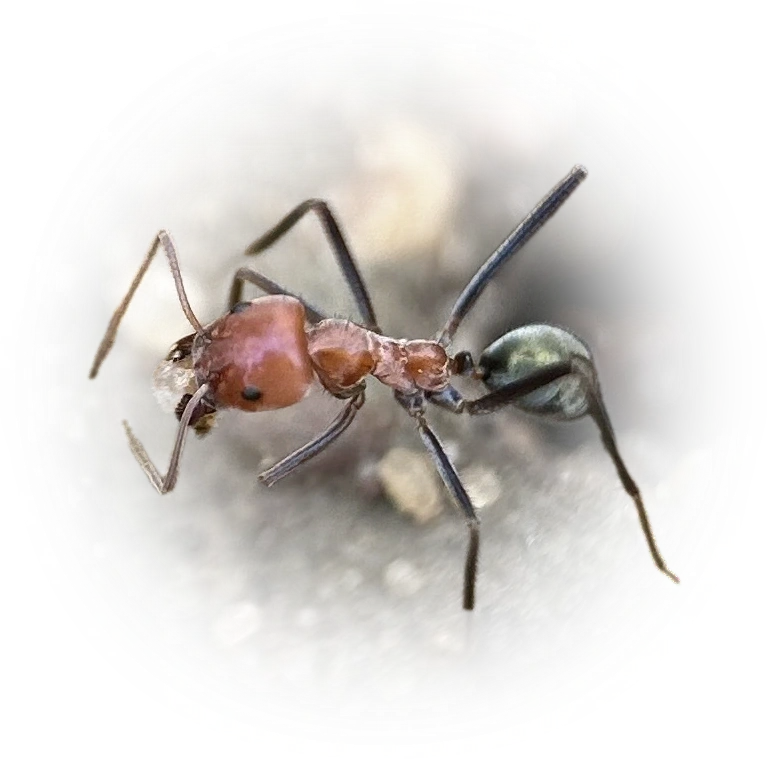

Iridomyrmex sanguineus
- Scientific Name
- Iridomyrmex sanguineus
- Tribe
- Leptomyrmecini
- Subfamily
- Dolichoderinae
- Author
- Forel, 1910
- Common Name
- Northern Meat Ant
- Distribution
- Found in 1 countries
Iridomyrmex sanguineus Overview
Iridomyrmex sanguineus (commonly known as the Northern Meat Ant) is an ant species of the genus Iridomyrmex. It is primarily documented in 1 countries , including Australia. Detailed taxonomic data and occurrence records can be further explored via authoritative databases such as AntWeb or the Global Biodiversity Information Facility (GBIF).
Iridomyrmex sanguineus - "Northern Meat Ant"
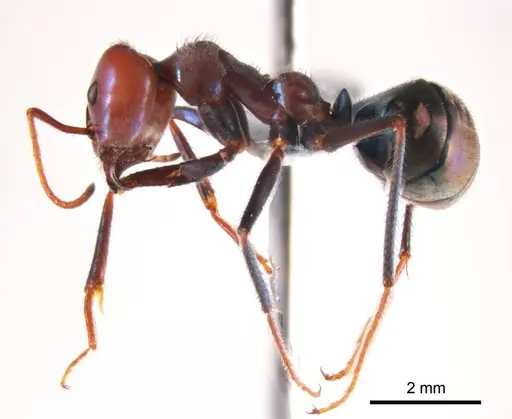
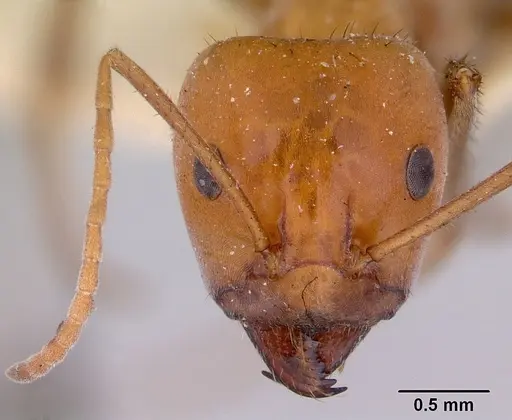
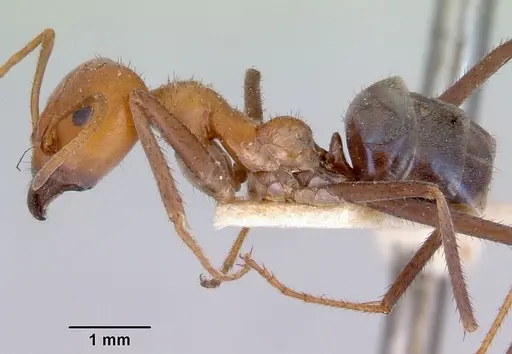
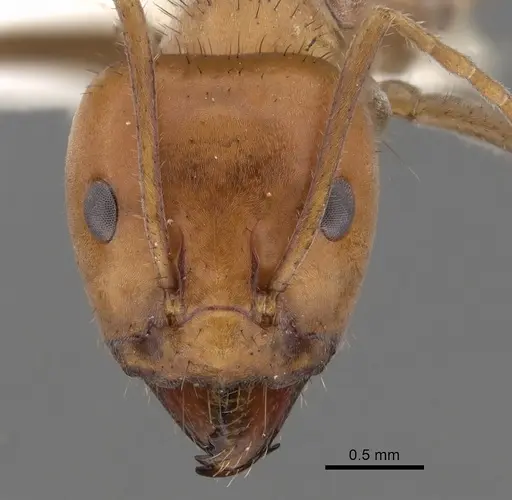
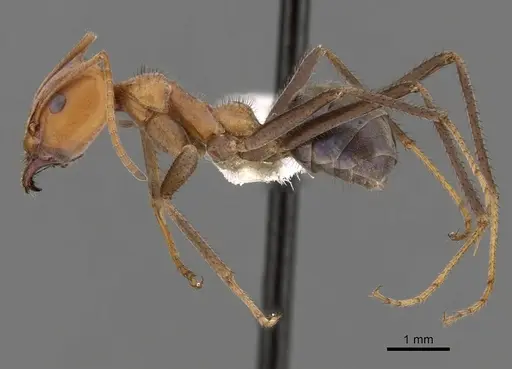
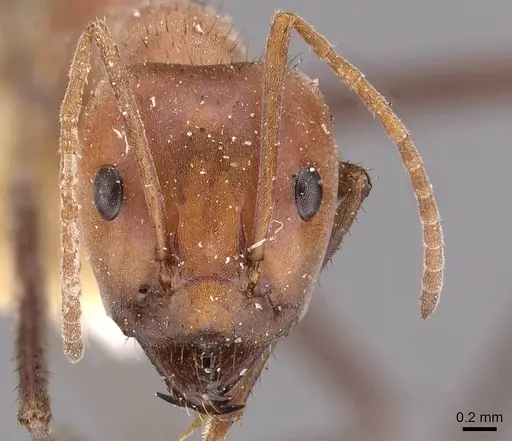
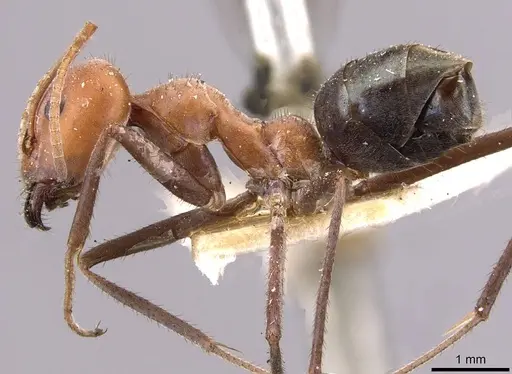
Iridomyrmex sanguineus is a medium-sized ant native to northern Australia, where it is the most common meat ant species [1]. Workers measure 1.5-2.2mm with a distinctive brick-red coloration, dark brown gaster, and a subtle bluish-green iridescence on the abdomen that catches the light [2]. These ants are behaviorally dominant throughout Australia's mesic savannas, forming large polydomous colonies that maintain extensive trail networks for foraging [3][4]. Unlike many ants, they are regular termite predators and will invade termite mounds to prey on brood, though they don't permanently occupy or kill the entire colony [5].
Quick Summary
- Difficulty: Medium
- Origin & Habitat: Northern Australia, occurs throughout the savanna zone of tropical Australia, including the Tiwi Islands, Mitchell Falls area, and has been recorded in Timor [6][7]. They are an arid-adapted species favored by frequent fire in mesic savannas [3].
- Colony Type: Polydomous (nests in multiple connected locations) colonies with likely multiple queens [4]. They are a dominant Dolichoderinae species known for aggressive territorial behavior [6][8].
- Colony: Polygyne
- Founding: Claustral
- Size & Growth:
- Queen: Unconfirmed, estimated 6-8mm based on genus patterns
- Worker: 1.5-2.2mm [2]
- Colony: Large colonies, polydomous nesting suggests hundreds to thousands of workers
- Growth: Moderate, based on typical Dolichoderinae development
- Development: 6-10 weeks (estimated based on related Dolichoderinae species) (Development time is estimated, no specific study for this species. Warm temperatures (24-28°C) will accelerate development.)
- Antkeeping:
- Temperature: Keep at 24-28°C. These are warm-climate ants from tropical Australia, so they need consistently warm conditions [3]. A heating cable on one side of the nest creates a gradient they can regulate themselves.
- Humidity: Low to moderate, they are arid-adapted and prefer drier conditions than many ants. Keep nest substrate slightly moist but allow it to dry between waterings. Good ventilation is important to prevent mold.
- Diapause: No, being from tropical Australia, they do not require hibernation. They remain active year-round if kept warm.
- Nesting: Polydomous nesting means they prefer multiple connected chambers. A Y-tong (AAC) or plaster nest works well. Provide a spacious formicarium as they will expand into multiple connected areas. They do well in naturalistic setups with multiple entrance tubes.
- Behavior: These ants are highly territorial and aggressive toward other ant species [8]. They use long-term trail networks to exploit resources efficiently [4]. Workers are active foragers that hunt small prey and collect honeydew. They lack a stinger but can bite and spray formic acid as defense. Their small size (1.5-2.2mm) means they can escape through small gaps, use fine mesh barriers. They are dominant in their native range and will outcompete most other ant species.
- Common Issues: escape prevention is critical, their small size means they squeeze through tiny gaps, aggressive toward other ant colonies, keep well separated from other species, polydomous colonies need more space than single-queen species, cramped nests lead to stress, they may raid termite colonies if present nearby, not an issue in captivity but shows their predatory nature, colonies can become stressed if temperatures drop below 20°C, keep warm year-round
Housing and Nest Setup
Iridomyrmex sanguineus needs more space than typical single-queen ants due to their polydomous nature. A Y-tong (AAC) nest or plaster formicarium with multiple connected chambers works best. Provide at least 2-3 connected chambers that the colony can expand into. Use a test tube setup for the founding queen, then transition to a larger nest once the colony reaches 20-30 workers. These ants are active foragers that need an outworld with space for trail networks. Escape prevention is essential, use fluon on rim edges and fine mesh on all ventilation holes. They prefer drier conditions than many ants, so avoid overly damp substrates. [2][4][8]
Feeding and Diet
In the wild, Iridomyrmex sanguineus collects small prey and honeydew [4]. They are regular predators of termites and other small arthropods [5]. In captivity, offer a varied diet: protein sources like small crickets, mealworms, and other small insects 2-3 times per week. Sugar water, honey, or diluted jam should be available constantly, these ants readily accept sweet liquids. They are active hunters, so live prey is appreciated but not strictly required once workers are established. Remove uneaten prey within 24 hours to prevent mold. Their predatory nature means they benefit from regular protein feeding.
Temperature and Seasonal Care
Keep these ants warm, 24-28°C is ideal. Being from tropical Australia, they are adapted to warm year-round conditions and do not tolerate cool temperatures well [3]. A heating cable on one side of the nest creates a temperature gradient they can regulate by moving brood to optimal areas. Do not let temperatures drop below 20°C for extended periods. They do not require hibernation or diapause, maintain warm conditions year-round. Room temperature (22-25°C) is usually acceptable, but a slight boost from a heating cable ensures optimal conditions for growth and activity.
Behavior and Colony Dynamics
Iridomyrmex sanguineus is a behaviorally dominant species known for aggressive territorial behavior [8]. When researchers fenced in colonies, foraging success by other ant species nearly doubled, showing just how dominant these ants are in their territory. They maintain long-term trail networks for efficient resource collection [4]. Colonies are polydomous, meaning they occupy multiple connected nests rather than a single central location. This social structure means they can support multiple queens and large worker populations. Workers are active day and night, patrolling extensive territories. They lack a stinger but defend aggressively with bites and formic acid spray.
Growth and Development
Colonies grow moderately fast once established. Workers are small (1.5-2.2mm) but colonies can reach large sizes due to their polygynous, polydomous structure [2]. The first workers (nanitics) will be smaller than mature workers. Expect 6-10 weeks from egg to first worker at optimal temperature, though this is estimated based on related Dolichoderinae species. Growth rate is moderate, faster than slow-growing Camponotus but not as rapid as some tiny tropical species. Large colonies may have hundreds to thousands of workers spread across multiple connected nest chambers. Regular feeding and warm temperatures are key to healthy colony development.
Frequently Asked Questions
How long does it take for Iridomyrmex sanguineus to produce first workers?
Expect 6-10 weeks from egg to first worker at optimal temperature (24-28°C). This is an estimate based on related Dolichoderinae species, as specific development timing has not been documented for this species.
Can I keep multiple queens together in one colony?
Yes, Iridomyrmex sanguineus is polygynous and forms polydomous colonies (multiple connected nests). Multiple queens can be kept together, and this is actually more appropriate for their natural colony structure than keeping a single queen.
What do Iridomyrmex sanguineus eat?
They are predators that hunt small prey and also collect honeydew. Feed small insects (crickets, mealworms) 2-3 times per week and provide constant access to sugar water, honey, or diluted jam. They are regular termite predators in the wild.
Do Iridomyrmex sanguineus need hibernation?
No, being from tropical Australia, they do not require hibernation. Keep them warm year-round (24-28°C). They remain active throughout the year in their native habitat.
Are Iridomyrmex sanguineus good for beginners?
They are medium difficulty. They are more challenging than simple species like Lasius because they need more space (polydomous nesting), warmer temperatures, and are aggressive toward other ants. Experienced antkeepers with some background in tropical species will have best success.
How big do Iridomyrmex sanguineus colonies get?
Colonies can reach hundreds to thousands of workers. Their polydomous (multiple connected nests) and likely polygynous (multiple queens) structure supports large colony sizes. Provide expanding nest space as the colony grows.
When should I move Iridomyrmex sanguineus to a formicarium?
Move from the founding test tube setup to a larger formicarium once the colony reaches 20-30 workers. Because they are polydomous, provide multiple connected chambers from the start. A Y-tong or plaster nest with at least 2-3 connected areas works well.
Why are my Iridomyrmex sanguineus dying?
Common causes include: temperatures below 20°C (they need warmth), too much humidity (they prefer drier conditions), insufficient protein feeding, or stress from disturbance. Check that the nest is not too damp and that temperatures are consistently warm. Also ensure escape prevention is adequate, their small size means they can slip through tiny gaps.
References

This caresheet is licensed under CC BY-SA 4.0 .
ANTWEB1008652
View on AntWeb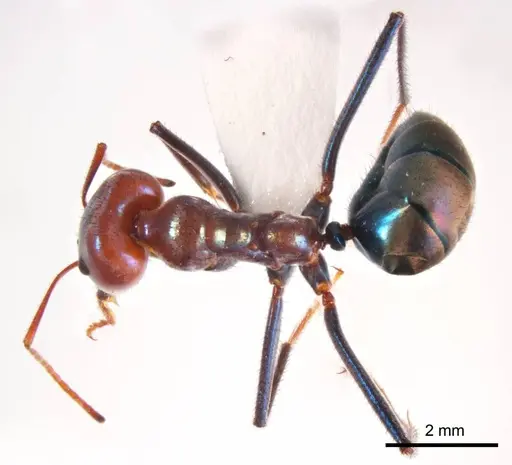
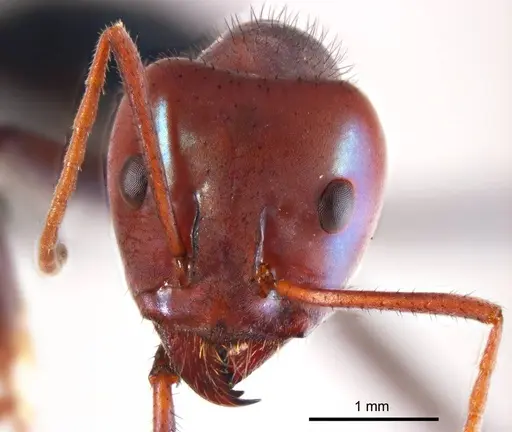
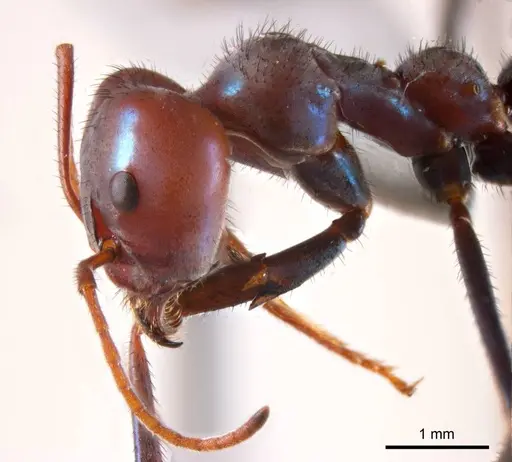
ANTWEB1008653
View on AntWeb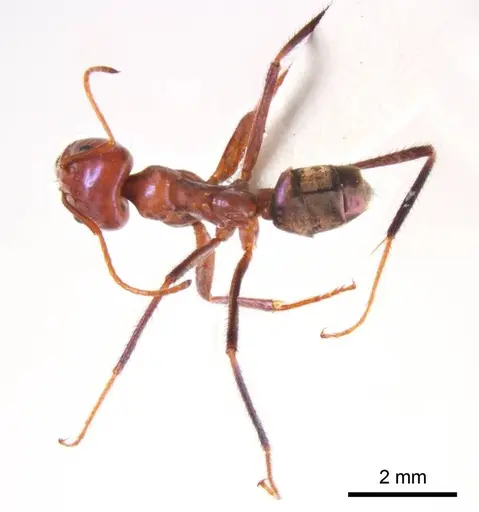
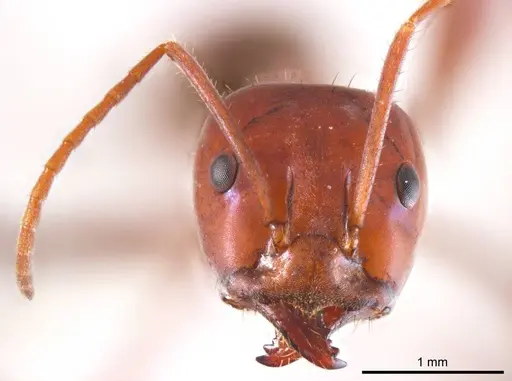
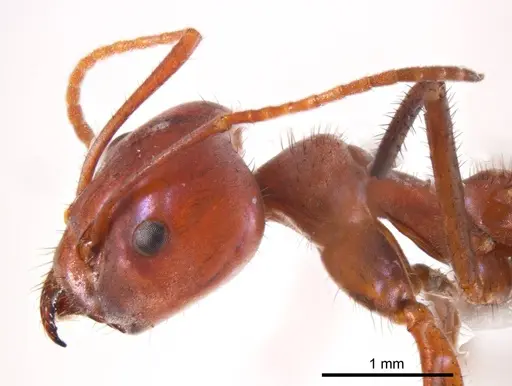
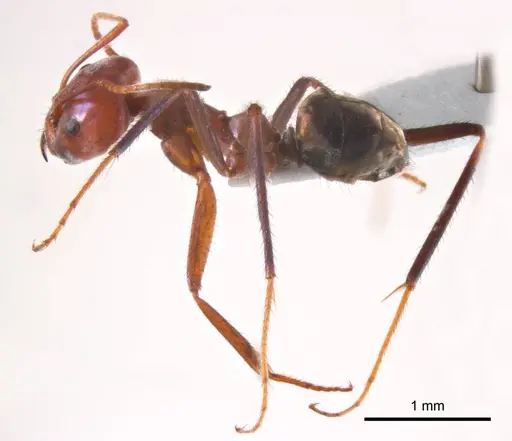
CASENT0106154
View on AntWeb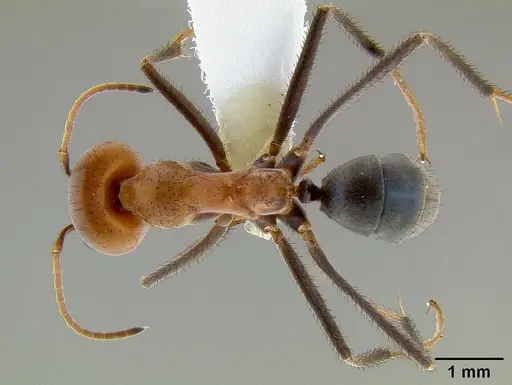
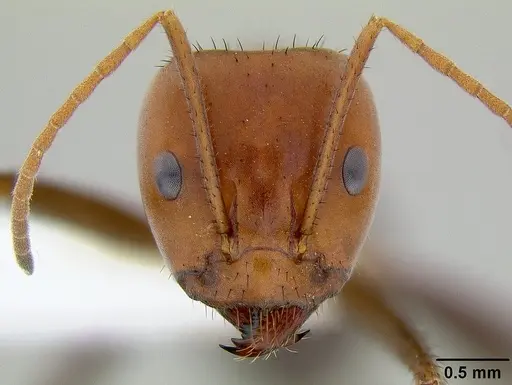
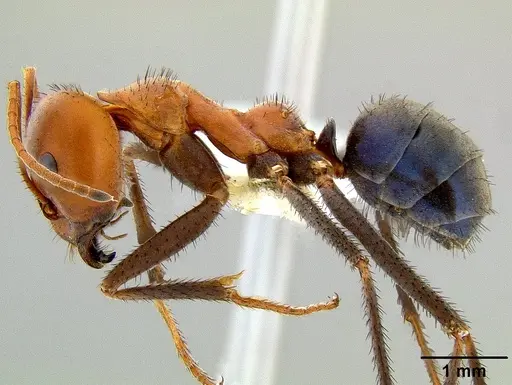
CASENT0172048
View on AntWeb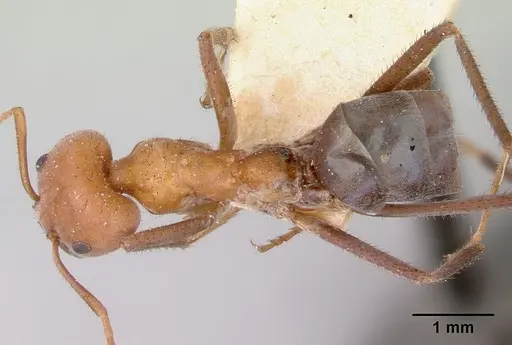
CASENT0249726
View on AntWeb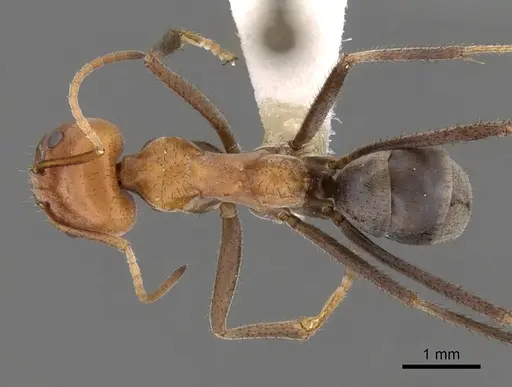
CASENT0909521
View on AntWeb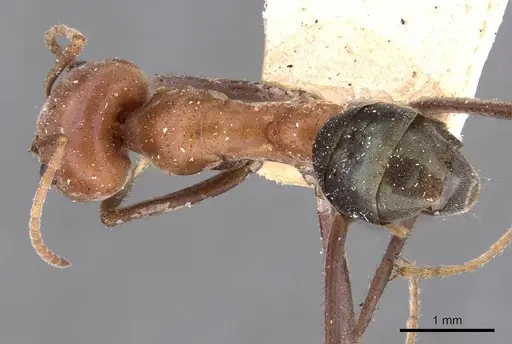
Literature
Loading...Loading products...