

Iridomyrmex niger
- Scientific Name
- Iridomyrmex niger
- Tribe
- Leptomyrmecini
- Subfamily
- Dolichoderinae
- Author
- Heterick & Shattuck, 2011
- Distribution
- Found in 1 countries
Iridomyrmex niger Overview
Iridomyrmex niger is an ant species of the genus Iridomyrmex. It is primarily documented in 1 countries , including Australia. Detailed taxonomic data and occurrence records can be further explored via authoritative databases such as AntWeb or the Global Biodiversity Information Facility (GBIF).
Iridomyrmex niger
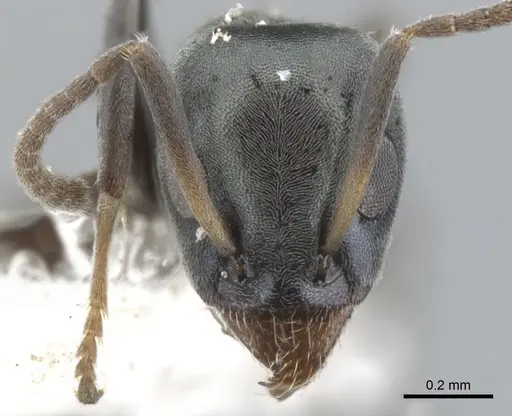
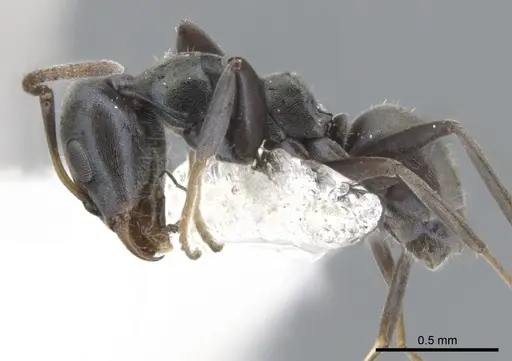
Iridomyrmex niger is a tiny ant species native to southern and eastern Australia, described in 2011. Workers are among the smallest in the genus Iridomyrmex, measuring just 0.53-0.65mm in head width, roughly the size of a grain of sand. They are dark brown to black in color, sometimes showing a subtle bluish iridescence that catches the light. These ants are found from south-east South Australia through Victoria and into southern Queensland, living in mallee habitats with Leptospermum understory. They forage on low vegetation rather than just the ground, which is unusual for the genus. Only a handful of specimens have been collected, making this one of Australia's less-studied ant species [1].
Quick Summary
- Difficulty: Medium
- Origin & Habitat: Southern and eastern Australia (south-east South Australia to southern Queensland). Inhabits mallee landscapes with Leptospermum (tea tree) understory. Workers have been collected in malaise traps, suggesting they forage in low vegetation [1].
- Colony Type: Colony structure is unconfirmed. Based on typical Iridomyrmex patterns, likely forms colonies with a single queen (monogyne), though this has not been directly documented for this species.
- Size & Growth:
- Queen: Undescribed, queen measurements not available in scientific literature [1]
- Worker: 0.53-0.65mm head width (HW), with body length approximately 2.5-3mm total [1]
- Colony: Unknown, few specimens collected, no colony size data available
- Growth: Unknown, likely moderate based on typical Iridomyrmex patterns
- Development: Unconfirmed, estimate 6-8 weeks based on related Iridomyrmex species at optimal temperature (Development timeline has not been directly studied for this species. Related Australian Iridomyrmex species typically develop in 6-8 weeks under warm conditions.)
- Antkeeping:
- Temperature: Keep around 22-26°C. Australian species generally prefer warm conditions. Provide a gentle temperature gradient so ants can choose their preferred spot [2].
- Humidity: Moderate humidity around 50-60%. These ants inhabit mallee regions which are relatively dry, but the Leptospermum understory suggests they access some moisture. Keep nest substrate lightly moist but allow drying between waterings.
- Diapause: Likely required, Australian temperate ants typically need a winter rest period. Reduce temperature to 15-18°C for 2-3 months during southern hemisphere winter (roughly June-August).
- Nesting: Natural nesting occurs in soil and under stones in mallee habitats. In captivity, a Y-tong (AAC) nest or plaster formicarium with tight chambers works well. Given their tiny size, ensure chambers are appropriately scaled.
- Behavior: Generally calm temperament, typical of smaller Iridomyrmex. They are active foragers and will climb on vegetation in the wild, so provide climbing structures in the outworld. Their tiny size makes them excellent escape artists, use fine mesh barriers and ensure all openings are sealed. They likely communicate through chemical signals and may exhibit the characteristic dolichoderine leg-wagging behavior when disturbed. Workers are fast-moving and will readily explore their environment.
- Common Issues: escape prevention is critical due to their minute size, they can squeeze through gaps invisible to the naked eye, limited data means colony development may be unpredictable compared to better-studied species, wild-caught colonies may have parasites or diseases since the species is rarely kept, slow colony growth can frustrate beginners, patience is essential, temperature control is important, avoid both cold and excessive heat
Housing and Nest Setup
Given their minute size, Iridomyrmex niger requires careful housing. A Y-tong (AAC) nest or plaster formicarium with small, tight-fitting chambers works best. The chambers should be appropriately scaled, these are tiny ants, so standard-sized formicarium passages may feel cavernous. Provide a water tube for humidity and ensure the nest can be heated gently if needed. In the outworld, include some climbing structures like twigs or artificial plants since they naturally forage on low vegetation. Cover all connections with fine mesh (at least 0.5mm) because these ants will escape through any gap they can find. A test tube setup can work for founding colonies, but monitor closely for escape attempts [1].
Feeding and Diet
Iridomyrmex species are generalist feeders that accept both sugar and protein sources. Offer sugar water or honey water as a constant energy source. For protein, provide small insects like fruit flies, pinhead crickets, or other tiny arthropods. Given their minute size, prey items should be appropriately scaled, even small fruit flies may need to be crushed. They likely tend aphids for honeydew in the wild, so offering sugar sources is important. Feed small amounts of protein 2-3 times per week, removing uneaten prey after 24 hours to prevent mold. Remove sugar water if it becomes contaminated or evaporates completely. [2]
Temperature and Seasonal Care
Maintain temperatures around 22-26°C during the active season. Australian Iridomyrmex species thrive in warm conditions, but avoid overheating, direct sunlight or heat sources above 30°C can be fatal. A low-wattage heating cable on one side of the nest creates a useful gradient. During winter (roughly June to August in the southern hemisphere), reduce temperatures to 15-18°C to allow for diapause. This winter rest period is important for colony health and may trigger reproductive behavior in spring. Do not cool suddenly, reduce temperature gradually over 1-2 weeks. [2]
Handling and Observation
These ants are tiny and fast-moving, making direct observation challenging but rewarding. Their dark coloration with occasional bluish iridescence is subtle but beautiful under magnification. When working with the colony, use red film over observation lights to reduce stress, ants generally cannot see red light well. Avoid disturbing the nest too often, especially during founding. If you need to move the colony, do so gently and ensure the queen is not exposed to excessive light or stress. Their small size means you may need a magnifying glass to observe key behaviors like foraging and brood development. [1]
Frequently Asked Questions
How long does it take for Iridomyrmex niger to produce first workers?
The exact timeline is unconfirmed for this species, but based on related Iridomyrmex species, expect first workers (nanitics) in approximately 6-8 weeks after the queen lays eggs, at optimal temperatures around 24-26°C. Patience is essential as colony growth is slow initially.
Are Iridomyrmex niger ants good for beginners?
This species is rated as medium difficulty. While not the hardest species to keep, the very small size and limited available care information make it better suited for keepers who already have some experience with smaller ant species. Escape prevention is critical and requires attention.
What do Iridomyrmex niger ants eat?
They are generalists that accept sugar sources (honey water, sugar water) and protein (small insects like fruit flies, pinhead crickets, or other tiny arthropods). Offer sugar water constantly and protein 2-3 times per week.
Can I keep multiple Iridomyrmex niger queens together?
Colony structure is unconfirmed for this species. Based on typical Iridomyrmex behavior, they likely form single-queen colonies. Combining unrelated queens is not recommended as it may result in aggression. If you obtain a wild colony, assume it is single-queen unless you observe multiple egg-laying queens.
How big do Iridomyrmex niger colonies get?
Colony size is unknown for this species as very few specimens have been collected. Based on related Iridomyrmex species, colonies likely reach dozens to a few hundred workers. Do not expect the massive supercolonies some Iridomyrmex species can form.
Do Iridomyrmex niger ants need hibernation?
Yes, a winter rest period is likely required. Reduce temperatures to 15-18°C for 2-3 months during winter (June-August in the southern hemisphere). This mimics their natural seasonal cycle in Australian temperate regions.
Why are my Iridomyrmex niger ants escaping?
Their minute size means they are exceptional escape artists. Review all connections, use fine mesh (0.5mm or smaller), and ensure lids fit tightly. Check for any tiny gaps around water tubes or ventilation holes. Even seemingly sealed containers may have microscopic gaps these ants can exploit.
What temperature should I keep Iridomyrmex niger at?
Aim for 22-26°C during the active season. Australian Iridomyrmex species prefer warm conditions. Provide a gentle gradient so ants can self-regulate. Avoid temperatures above 30°C or below 15°C for extended periods.
Where is Iridomyrmex niger found in the wild?
This species is native to southern and eastern Australia, ranging from south-east South Australia through Victoria to southern Queensland. They inhabit mallee landscapes with Leptospermum understory and forage on low vegetation [1].
References

This caresheet is licensed under CC BY-SA 4.0 .
CASENT0903096
View on AntWeb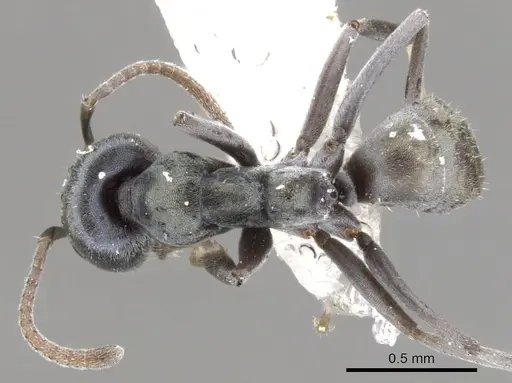
Literature
Loading...Loading products...