

Iridomyrmex mattiroloi
- Scientific Name
- Iridomyrmex mattiroloi
- Tribe
- Leptomyrmecini
- Subfamily
- Dolichoderinae
- Author
- Emery, 1898
- Distribution
- Found in 1 countries
Iridomyrmex mattiroloi Overview
Iridomyrmex mattiroloi is an ant species of the genus Iridomyrmex. It is primarily documented in 1 countries , including Australia. Detailed taxonomic data and occurrence records can be further explored via authoritative databases such as AntWeb or the Global Biodiversity Information Facility (GBIF).
Iridomyrmex mattiroloi
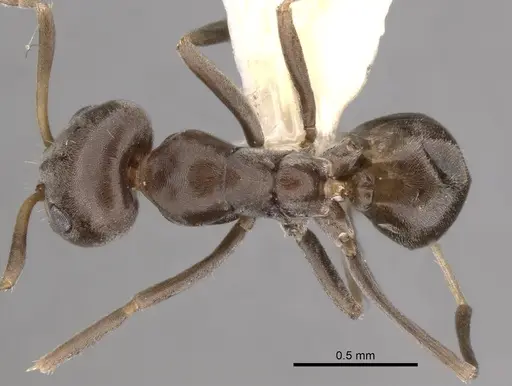
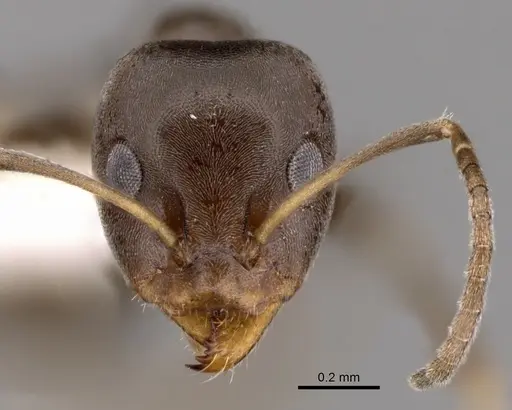
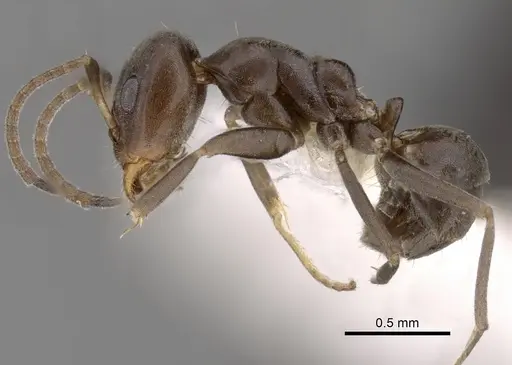
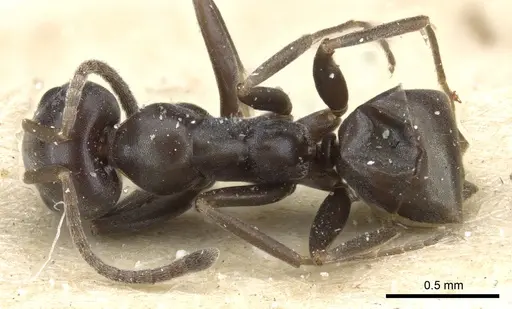
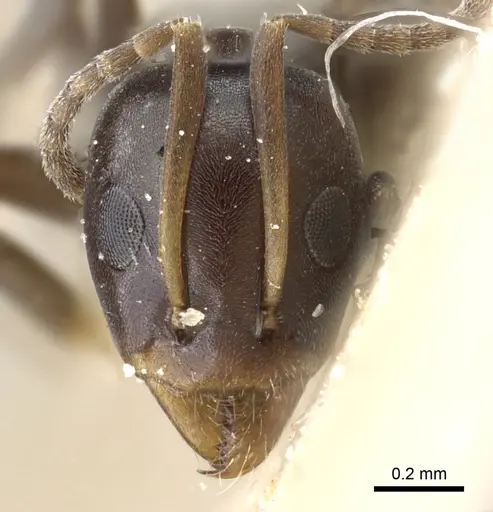
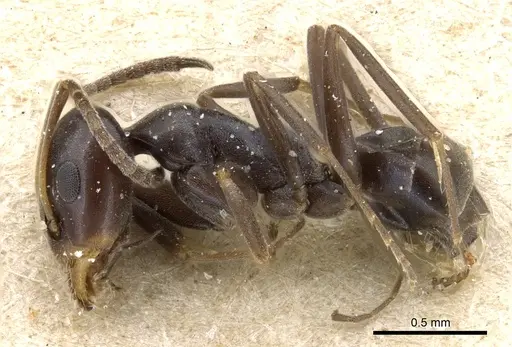
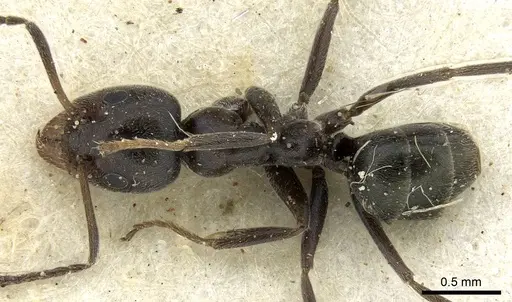
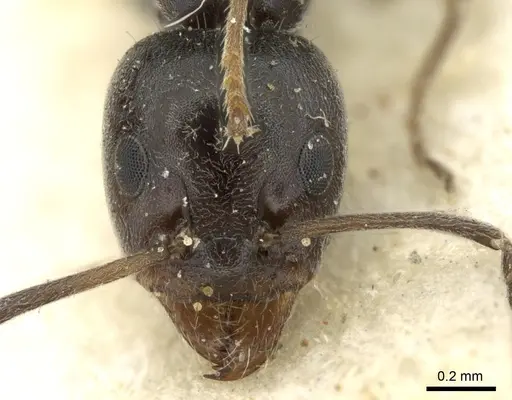
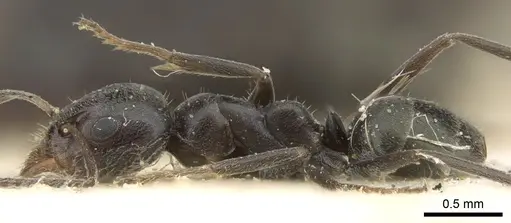
Iridomyrmex mattiroloi is a small ant species endemic to Tasmania, Australia. Workers measure just 0.69-0.75mm in head width, making this the smallest species in the Iridomyrmex genus [1]. They have a distinctive appearance with brown to reddish-black coloring and a faint blue iridescence on their abdomen. The species is relatively hairy compared to other Iridomyrmex, with numerous bristly erect setae on the mesosoma, a key identification feature that distinguishes it from similar species like I. meridianus which has a nearly smooth mesosoma [2].
This species inhabits the cool temperate forests of Tasmania and southeastern Australia, where it nests under rocks and in soil beneath logs or stones [2][3]. They are typically found in wetter areas and have been collected by sweeping low vegetation including Leptospermum, Euchryphia, and Allocasuarina plants [2].
Quick Summary
- Difficulty: Medium
- Origin & Habitat: Tasmania, Australia, endemic to this island state. Found in cool temperate forests, typically in wetter areas, nesting under rocks and in soil beneath logs or stones [2][3].
- Colony Type: Colony structure is unconfirmed. Based on typical Iridomyrmex patterns, likely single-queen colonies.
- Size & Growth:
- Queen: Unconfirmed, estimated 5-7mm based on genus patterns
- Worker: 0.69-0.75mm head width,0.80-0.84mm head length [2]
- Colony: Unknown, likely moderate-sized for the genus
- Growth: Moderate, inferred from temperate climate origin
- Development: Estimated 6-10 weeks based on typical Iridomyrmex development at optimal temperature (Development time inferred from related species in genus, specific data unavailable for this species)
- Antkeeping:
- Temperature: Keep around 18-22°C, these are cool temperate ants from Tasmania and should be kept cooler than many tropical species. Room temperature is likely suitable for most keepers.
- Humidity: Moderate to high, they naturally occur in wetter forest areas. Keep substrate moderately moist but not waterlogged. Provide a moisture gradient so ants can choose their preferred zone.
- Diapause: Likely yes, Tasmania experiences cold winters. Provide a cool period around 10-15°C for 2-3 months during winter months (Southern Hemisphere winter: June-August) or simulate a cooling period.
- Nesting: Test tubes work well for founding colonies. For established colonies, use a naturalistic setup with soil and flat stones or logs on top to simulate their natural under-rock nesting sites. Y-tong or plaster nests with moisture chambers are also suitable.
- Behavior: These are relatively docile ants with no significant sting. They are foragers that likely tend aphids for honeydew and collect small insects, typical of the Dolichoderinae subfamily. Workers are small (under 1mm) so escape prevention is important, they can squeeze through tiny gaps. They are not aggressive but may be territorial around their nest. Activity level is moderate, with workers actively foraging during warmer periods.
- Common Issues: small worker size means escape prevention must be excellent, use fine mesh and tight-fitting lids, cool temperature requirements may conflict with keeping them in warm rooms, monitor and adjust accordingly, limited availability in the antkeeping hobby since they are endemic to Tasmania, humidity needs may be tricky to balance, too wet causes mold, too dry causes desiccation, winter diapause is important for colony health, skipping hibernation may weaken the colony over time
Housing and Nest Setup
For Iridomyrmex mattiroloi, start colonies in a simple test tube setup with a water reservoir. These tiny ants are excellent escape artists due to their small size, so use tight-fitting cotton stoppers and consider applying Fluon or similar barrier products to the rim of any outworld. Once the colony reaches 20-30 workers, you can move them to a formicarium. A naturalistic setup works well, a container with soil substrate (2-3cm deep) topped with flat stones or pieces of wood mimics their natural under-rock nesting sites. Alternatively, a Y-tong or plaster nest with a moisture chamber provides good humidity control. Place the nest in a cool area of your home, away from direct heat sources and strong light. [2][3]
Temperature and Seasonal Care
These are cool-temperate ants from Tasmania, so they prefer temperatures on the cooler side, aim for 18-22°C. This makes them unusual among commonly kept ants, as most species prefer warmer conditions. During summer, room temperature is usually suitable, but avoid placing them near heating equipment. In winter (June-August in the Southern Hemisphere), reduce temperatures to around 10-15°C for a diapause period. This simulated winter rest is important for colony health and may trigger reproductive behavior in spring. If you cannot provide natural seasonal temperature changes, use a refrigerator or cool cellar for the winter休眠 period.
Feeding and Diet
Like other Iridomyrmex species, these ants are omnivorous and will accept sugar sources and protein. Offer a drop of sugar water or honey water every few days, replaced when consumed. For protein, provide small insects like fruit flies, small mealworms, or other tiny arthropods. They likely tend aphids in nature for honeydew, so occasional honey or sugar water is important. Feed protein 1-2 times per week, adjusting based on colony size and consumption. Remove uneaten prey after 24-48 hours to prevent mold.
Humidity Requirements
Iridomyrmex mattiroloi naturally occurs in wetter forest areas of Tasmania and southwestern Australia, so they appreciate moderate humidity. Keep the nest substrate consistently moist but not waterlogged, the soil should feel damp to the touch but not soggy. In test tube setups, ensure the water reservoir is adequate but not excessive to prevent flooding. In formicarium setups, provide a moisture gradient by keeping one area damper than the other, allowing ants to self-regulate. Good ventilation helps prevent mold while maintaining humidity. [3][2]
Behavior and Temperament
This species is relatively docile and not known to be aggressive. Workers are small and forage actively, likely collecting honeydew from aphids and hunting small insects. They nest under rocks in the wild, so they prefer dark, sheltered spaces. The colony will likely show moderate activity levels, with workers patrolling their territory and responding to food sources. While not particularly aggressive, they will defend their nest if threatened. Their small size makes them vulnerable to predation and requires careful attention to escape prevention. [2]
Frequently Asked Questions
How long does it take for Iridomyrmex mattiroloi to produce first workers?
Specific development data is unavailable for this species, but based on typical Iridomyrmex patterns from temperate regions, expect 6-10 weeks from egg to worker at optimal temperature (around 20°C). The first workers (nanitics) will be smaller than mature workers.
Can I keep multiple queens together?
Colony structure is unconfirmed for this species. Iridomyrmex species can vary from single-queen to multi-queen colonies. It is generally not recommended to combine unrelated foundress queens, as they may fight. If you obtain multiple founding queens, house them separately until you determine their social compatibility.
What temperature should I keep Iridomyrmex mattiroloi at?
Keep them cool, around 18-22°C is ideal. These are Tasmanian temperate ants and do not tolerate heat well. Room temperature is typically suitable, but avoid placing them near heat sources or in direct sunlight.
Do they need hibernation or diapause?
Yes, likely required. As Tasmanian endemics, they experience cold winters in their natural habitat. Provide a cool period around 10-15°C for 2-3 months during winter to maintain colony health.
Are Iridomyrmex mattiroloi good for beginners?
They are rated as medium difficulty. Their small size and specific temperature requirements (cool) may present challenges for complete beginners. However, their docile nature and moderate care requirements make them manageable for keepers with some experience.
What do Iridomyrmex mattiroloi eat?
They are omnivorous. Offer sugar sources (honey water, sugar water) regularly and protein (small insects like fruit flies, pinhead crickets, or mealworms) 1-2 times per week. They likely also collect honeydew from aphids in nature.
How big do colonies get?
Colony size is not well documented for this specific species. Based on typical Iridomyrmex patterns, colonies likely reach several hundred workers. They are the smallest species in their genus, so colonies may be smaller than some related species.
When should I move them to a formicarium?
Move from test tube to formicarium once the colony reaches 20-30 workers. Ensure the new setup has appropriate humidity and hiding places. A naturalistic setup with soil and stones works well for this species.
Why are my Iridomyrmex mattiroloi escaping?
Their small size (under 1mm workers) makes them excellent escape artists. Use fine mesh on any ventilation holes, apply Fluon to barrier rims, and ensure all connections are tight. Check daily for escapes, especially in the first few days after moving to a new setup.
References

This caresheet is licensed under CC BY-SA 4.0 .
Literature
Loading...Loading products...