

Iridomyrmex innocens
- Scientific Name
- Iridomyrmex innocens
- Tribe
- Leptomyrmecini
- Subfamily
- Dolichoderinae
- Author
- Forel, 1907
- Distribution
- Found in 1 countries
Iridomyrmex innocens Overview
Iridomyrmex innocens is an ant species of the genus Iridomyrmex. It is primarily documented in 1 countries , including Australia. Detailed taxonomic data and occurrence records can be further explored via authoritative databases such as AntWeb or the Global Biodiversity Information Facility (GBIF).
Iridomyrmex innocens
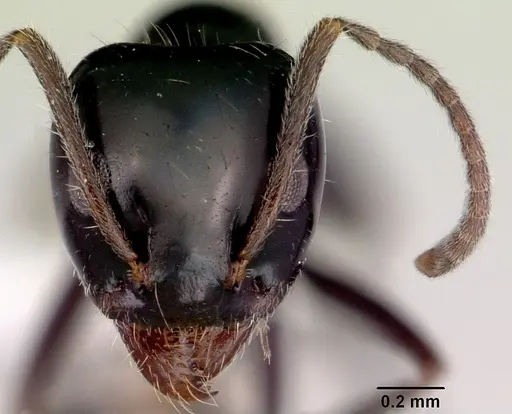
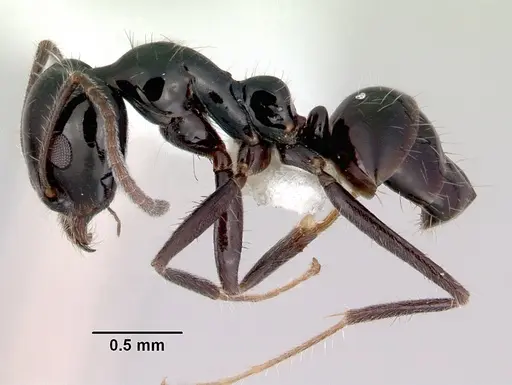
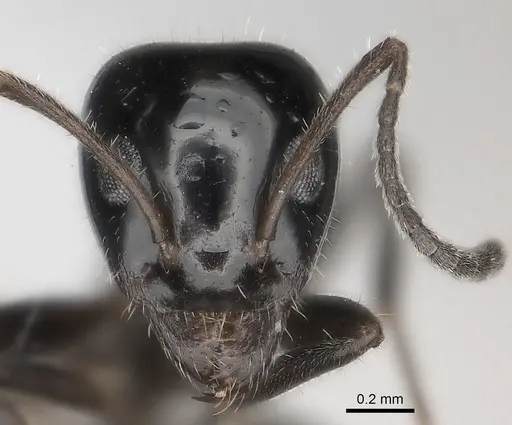
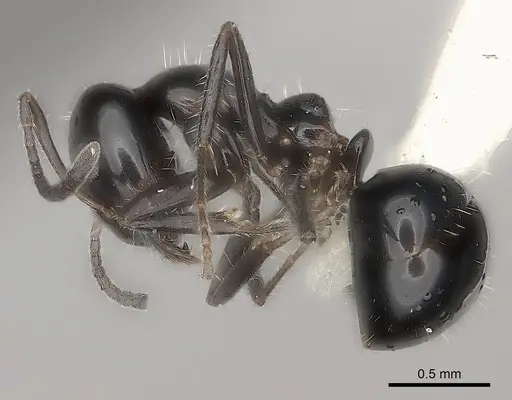
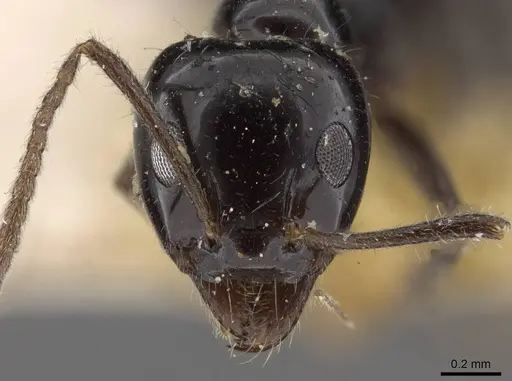
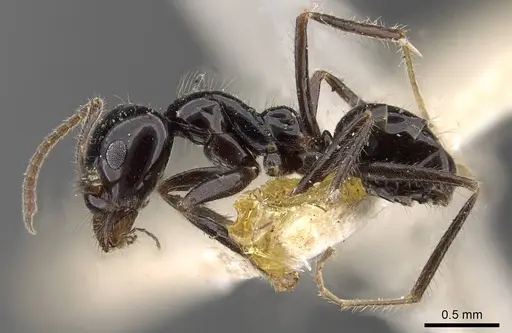
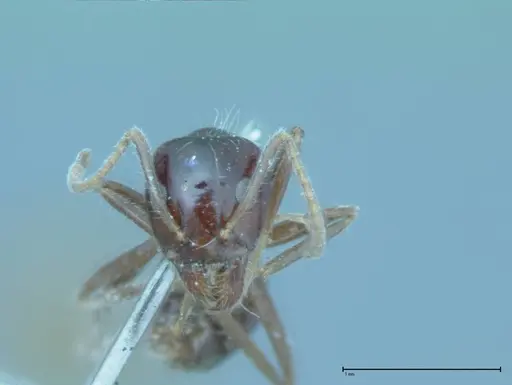
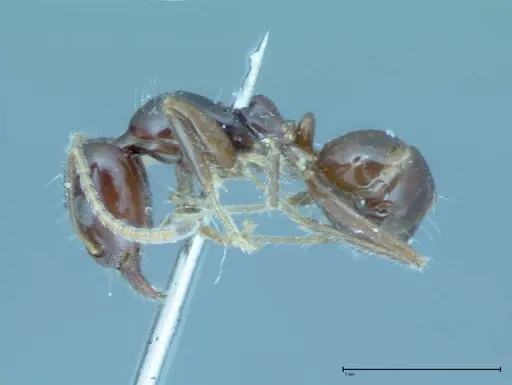
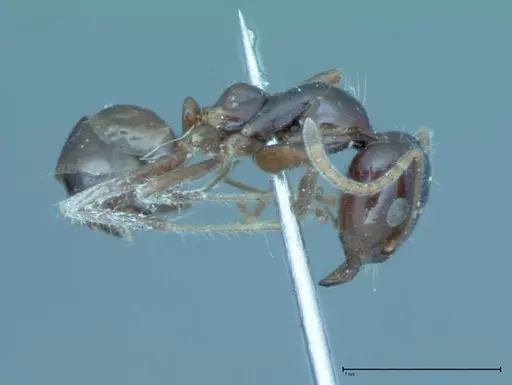
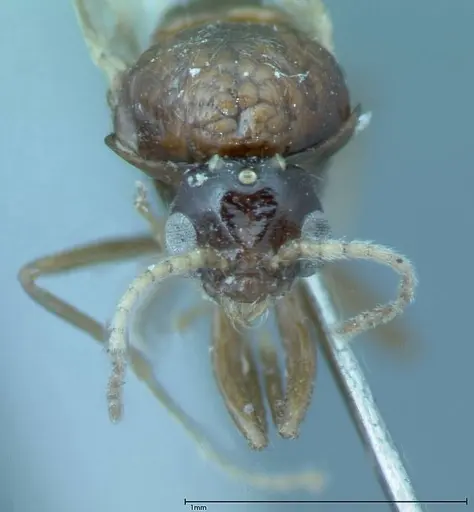
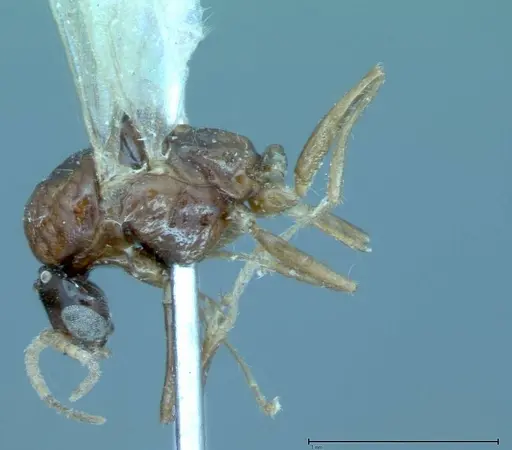
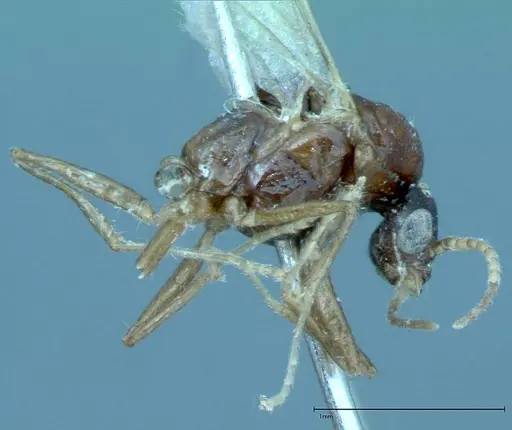
Iridomyrmex innocens is a small, strikingly shiny ant native to south-west Western Australia. Workers measure 0.64-0.89mm in head width and have a distinctive appearance: their body is typically black or dark brown with a glossy, polished cuticle, though pale workers can occasionally occur. The most recognizable feature is the many long, erect hairs (setae) covering the mesosoma (the middle body section), which stands out against their otherwise smooth, shiny surface. This species was once considered three separate species (I. innocens, I. argutus, and I. occiduus) but research confirmed they are all the same ant [1].
In the wild, these ants nest in the ground and are reasonably common in the higher rainfall areas of the Darling Ranges near Perth, though they also appear along the south and south-east coasts of Western Australia [2][1]. They belong to the Dolichoderinae subfamily and the I. calvus species group. For antkeepers, this species offers a chance to keep a beautiful, shiny Australian native that isn't commonly available in the hobby.
Quick Summary
- Difficulty: Medium
- Origin & Habitat: South-west Western Australia, specifically the Darling Ranges. Found in higher rainfall areas and along south/south-east coasts [2][1]. Ground-nesting species [3].
- Colony Type: Colony structure is unconfirmed. Based on typical Iridomyrmex patterns, likely single-queen (monogyne) colonies, but this has not been directly studied for this species.
- Size & Growth:
- Queen: Unconfirmed, no specific measurements documented in available literature
- Worker: 0.64-0.89mm head width,0.70-0.90mm head length, scape 0.61-0.78mm [1]
- Colony: Unknown, no colony size data available
- Growth: Unknown, growth rate has not been documented
- Development: Unknown, development timeline has not been studied for this species. Based on related Iridomyrmex species, expect 6-10 weeks at warm temperatures. (Development time is estimated from genus-level data since no species-specific research exists.)
- Antkeeping:
- Temperature: Keep at room temperature around 20-24°C. This species comes from a temperate Mediterranean climate in Western Australia, so they prefer moderate, stable temperatures. A gentle heat gradient in the nest area is beneficial but not required if room temperature is within range.
- Humidity: Moderate humidity around 50-60%. As a ground-nesting species from higher rainfall areas, they need substrate that holds some moisture but isn't waterlogged. Allow parts of the nest to dry out while keeping a moist area available.
- Diapause: Unknown, diapause requirements have not been studied. Western Australian temperate ants typically experience mild winter dormancy. Consider a brief cool period (15-18°C) during winter months if the colony shows reduced activity.
- Nesting: Ground-nesting species, so they do well in naturalistic setups with soil or sand substrate, Y-tong nests, or acrylic nests with dirt chambers. They prefer tight, enclosed spaces that mimic their natural underground nests. A layer of damp substrate at least 1-2cm deep works well.
- Behavior: Temperament is generally calm, Iridomyrmex ants are not particularly aggressive and tend to focus on foraging and colony maintenance. They are active foragers and will search for food throughout their enclosure. Escape risk is moderate since workers are small (under 1mm), so ensure any gaps in your setup are very small or use appropriate barriers. They are ground-nesting and likely prefer to stay within the nest and foraging area rather than climbing extensively.
- Common Issues: small worker size means escape prevention must be excellent, they can squeeze through tiny gaps, lack of documented care information means keepers must adapt from related species, ground-nesting behavior requires proper substrate depth which can be tricky in some nest types, wild-caught colonies may carry mites (they are a known host for Myrmozercon scutellatus mites) [3], unknown diapause requirements may lead to confusion about winter care
Housing and Nest Setup
Iridomyrmex innocens is a ground-nesting ant, so your setup should reflect their natural habitat. A naturalistic setup with a soil or sand layer works well, use a mix that holds moisture but drains well to avoid waterlogging. A depth of 1.5-2cm of substrate allows them to dig and create chambers. Y-tong (AAC) nests with dirt chambers or acrylic nests designed for ground-nesting species are also suitable options. The key is providing a dark, enclosed space that mimics underground conditions. Since workers are very small (under 1mm), ensure your formicarium has no gaps larger than 0.5mm, these ants can squeeze through surprisingly small openings. An outworld (foraging area) connected to the nest allows you to observe their foraging behavior and offer food. [1][3]
Feeding and Diet
Iridomyrmex ants are typically omnivorous, feeding on honeydew, small insects, and nectar in the wild. For captivity, offer a mix of sugar sources (honey water, sugar water, or commercial ant nectar) and protein sources. Small live insects like fruit flies, pinhead crickets, or mealworms work well as protein. Since workers are tiny, prey items should be appropriately sized, small fruit flies or pieces of insects are ideal. Offer sugar water constantly in a test tube with a cotton ball, and replace every few days. Feed protein 2-3 times per week, removing any uneaten prey after 24 hours to prevent mold. Observe your colony's preferences, some Iridomyrmex colonies readily accept sugar while others focus more on protein.
Temperature and Seasonal Care
This species comes from the temperate climate of south-west Western Australia, an area with mild winters and warm summers. Keep your colony at room temperature, ideally 20-24°C. They can tolerate temperatures a few degrees either side of this range. A small heat gradient (one side of the nest slightly warmer at 24-26°C) can encourage brood development but is not strictly necessary if your room is within range. During the Australian winter (roughly June-August in the Southern Hemisphere), you may notice reduced activity. If this happens, lowering temperatures slightly to 15-18°C for a few months may be beneficial, mimicking their natural seasonal cycle. However, since diapause has not been documented for this species, monitor your colony's response and adjust accordingly. [2][1]
Colony Founding
The founding behavior of Iridomyrmex innocens has not been directly documented in scientific literature. However, most Iridomyrmex species are claustral, meaning the queen seals herself in a small chamber and raises her first workers entirely on stored body fat without leaving to forage. If you obtain a founding queen, place her in a test tube setup with a small water reservoir (standard founding setup). Keep her in darkness and avoid disturbing her for 2-3 weeks. Once the first workers (nanitics) emerge, you can begin offering tiny amounts of food. Expect the founding phase to take 1-2 months before workers appear, based on related species patterns. Be patient, founding colonies are fragile and should be kept in stable, humid conditions.
Behavior and Observation
Iridomyrmex innocens workers are active and interesting to observe. They are not particularly aggressive toward keepers and will focus on their colony tasks rather than investigating disturbances. Workers are small and shiny black or dark brown, making them visually distinctive. Their long erect setae (hairs) on the mesosoma are visible under magnification and add to their unique appearance. In the wild, they are ground-nesting and likely forage for honeydew and small prey. In captivity, they will establish clear foraging routes and can be fed in a dedicated outworld area. Their small size makes them less intimidating than larger ant species, but it also means you need to pay attention to escape prevention. A well-designed setup with proper barriers will keep them contained while allowing you to enjoy watching their behavior. [1]
Health and Common Problems
The main challenges with keeping Iridomyrmex innocens relate to their small size and the lack of species-specific care information. Escape prevention is critical, these tiny ants can fit through gaps smaller than 1mm, so check all connections, lids, and edges of your formicarium regularly. Use cotton balls or appropriate barriers in test tube setups. Wild-caught colonies may carry mites, this species is a known host for Myrmozercon scutellatus mites [3]. Quarantine and observe new colonies for a few weeks before introducing them to your main setup. Since we don't have exact data on their needs, watch your colony for signs of stress: workers avoiding certain areas, refusing food, or clustering inappropriately. Adjust temperature and humidity gradually based on their behavior. With patience and attention, you can successfully keep this beautiful Australian species.
Frequently Asked Questions
How long does it take for Iridomyrmex innocens to raise their first workers?
The exact development time is unknown for this species. Based on related Iridomyrmex species, expect 6-10 weeks from egg to worker at warm temperatures (around 24°C). The queen will remain in her chamber while raising the first brood, so be patient and avoid disturbing the founding setup.
What size colony does Iridomyrmex innocens reach?
Colony size is not documented in scientific literature. Based on similar Iridomyrmex species, expect moderate-sized colonies of several hundred workers at maturity. This is not a supercolony species.
Can I keep multiple queens together?
Colony structure (monogyne vs polygyne) has not been documented for this species. Most Iridomyrmex are single-queen colonies. It is not recommended to combine unrelated foundress queens, as fighting is likely.
What temperature do Iridomyrmex innocens need?
Keep them at room temperature, ideally 20-24°C. They come from the temperate climate of south-west Western Australia and prefer moderate, stable temperatures. A slight warmth gradient is beneficial but not required.
Are Iridomyrmex innocens good for beginners?
This species is rated as Medium difficulty. While not aggressive, the main challenge is their small size requiring excellent escape prevention. The lack of documented care information means you may need to adapt from related species. Experienced antkeepers should have success, but complete beginners may want to start with more documented species.
Do Iridomyrmex innocens need hibernation?
Diapause requirements are unconfirmed for this species. They come from a temperate region with mild winters. If your colony shows reduced activity in winter, a cool period around 15-18°C for 2-3 months may be appropriate, but this is based on inference rather than documented research.
What do Iridomyrmex innocens eat?
They are omnivorous like most Iridomyrmex species. Offer sugar sources (honey water, sugar water) constantly and protein (small insects like fruit flies, mealworms) 2-3 times per week. Prey should be appropriately sized for their tiny workers.
When should I move Iridomyrmex innocens to a formicarium?
Wait until the colony has at least 20-30 workers before moving to a formicarium. The founding colony can remain in a test tube setup. Once established, a naturalistic setup with soil substrate or a Y-tong nest works well for this ground-nesting species.
Why are my Iridomyrmex innocens escaping?
Their small size (workers under 1mm) means they can squeeze through tiny gaps. Check all connections, lids, and seams in your setup. Use fine mesh on any ventilation, seal any gaps larger than 0.5mm, and ensure cotton barriers in test tubes are packed tightly.
References

This caresheet is licensed under CC BY-SA 4.0 .
CASENT0172057
View on AntWeb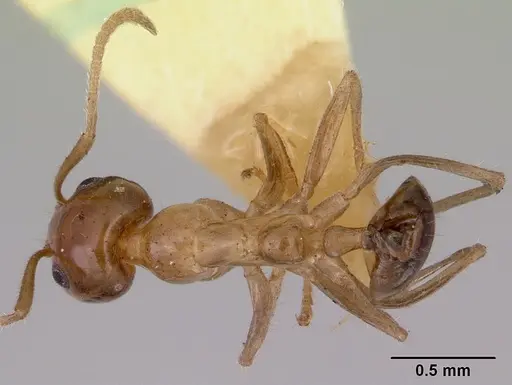
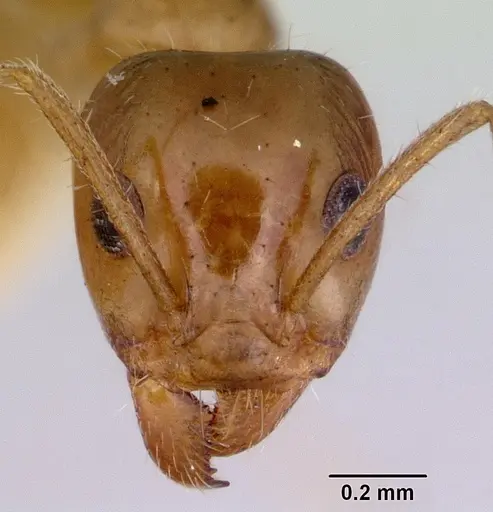
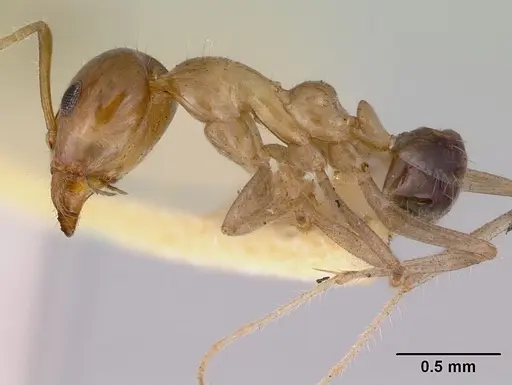
CASENT0172062
View on AntWeb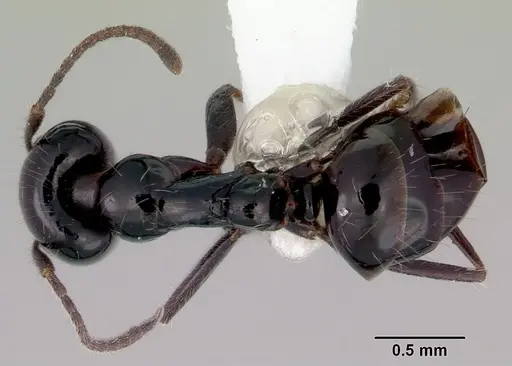
CASENT0217417
View on AntWeb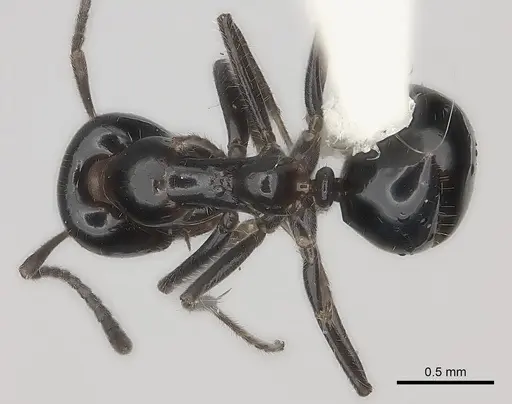
CASENT0909538
View on AntWeb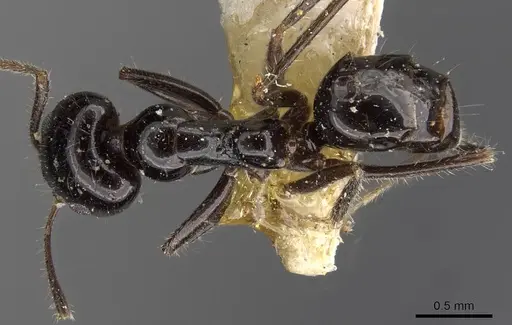
FOCOL0019
View on AntWeb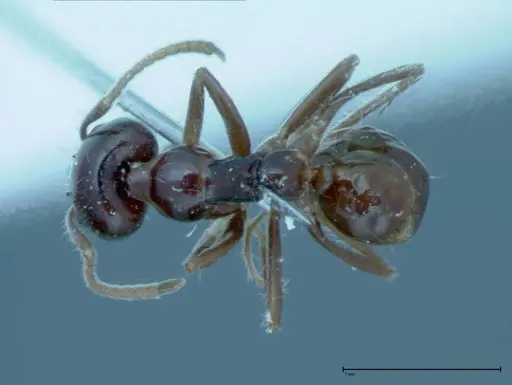
FOCOL0020
View on AntWeb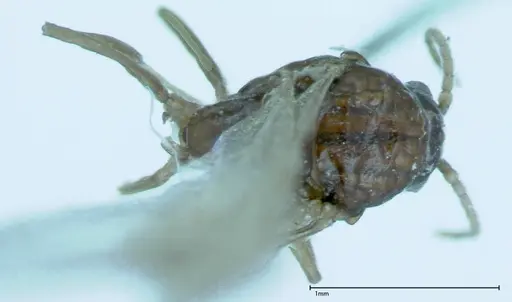
Literature
Loading...Loading products...