

Indomyrma dasypyx
- Scientific Name
- Indomyrma dasypyx
- Tribe
- Crematogastrini
- Subfamily
- Myrmicinae
- Author
- Brown, 1986
- Distribution
- Found in 1 countries
Indomyrma dasypyx Overview
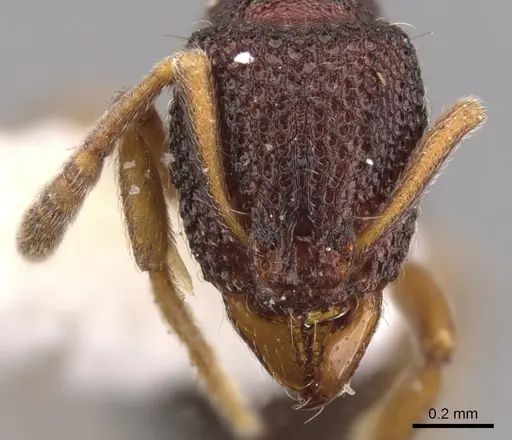
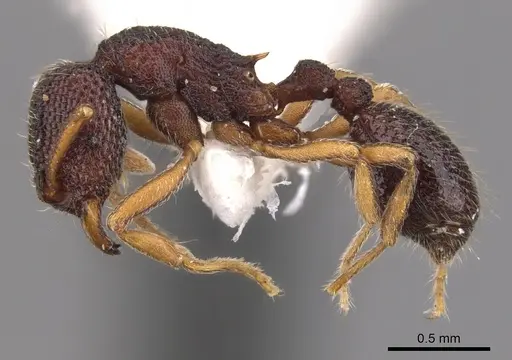
Indomyrma dasypyx is an ant species of the genus Indomyrma. It is primarily documented in 1 countries , including India. Detailed taxonomic data and occurrence records can be further explored via authoritative databases such as AntWeb or the Global Biodiversity Information Facility (GBIF).
Indomyrma dasypyx
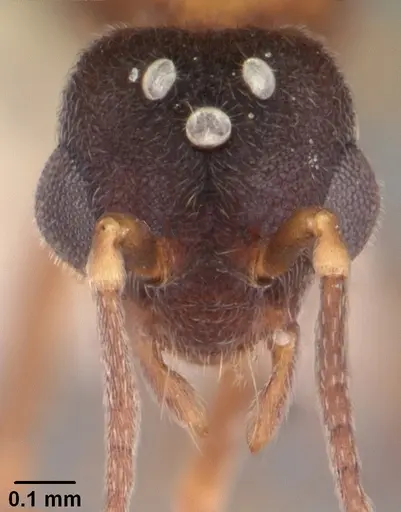
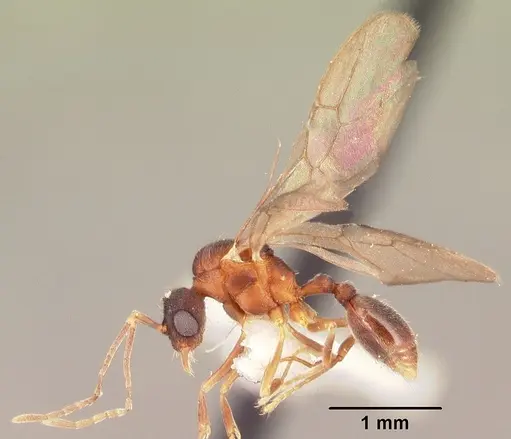
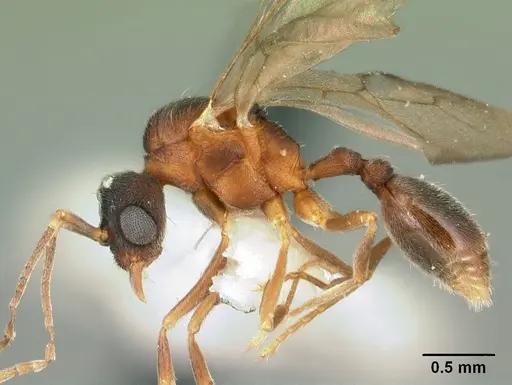
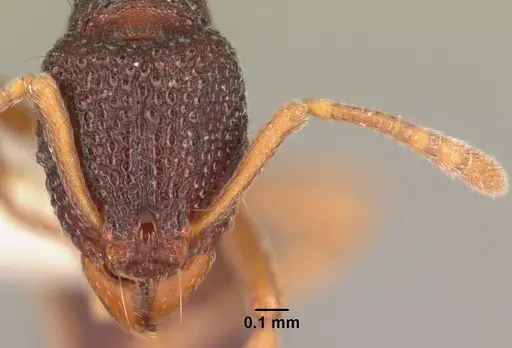
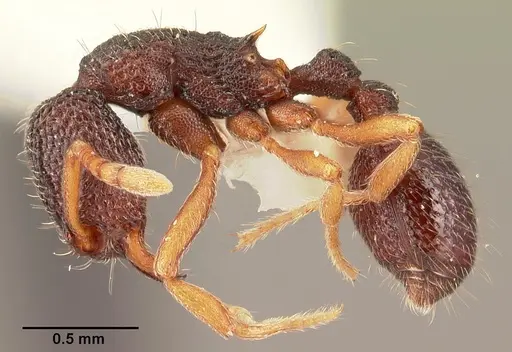
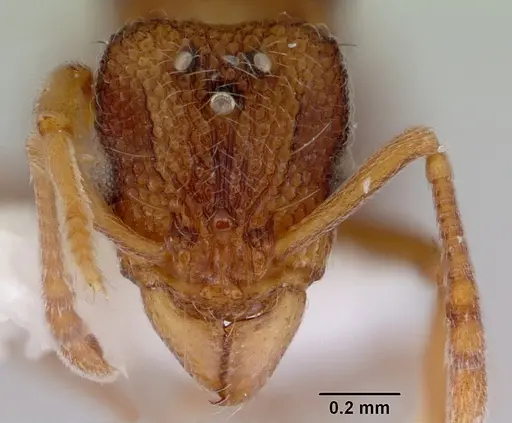
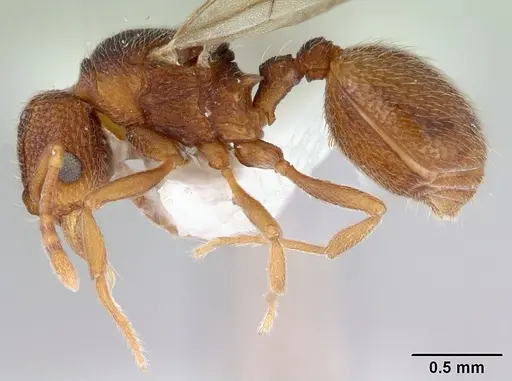
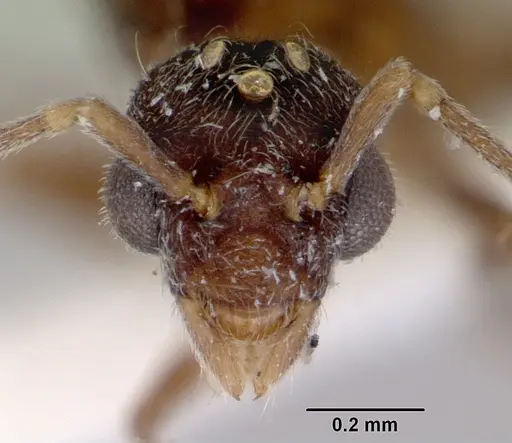
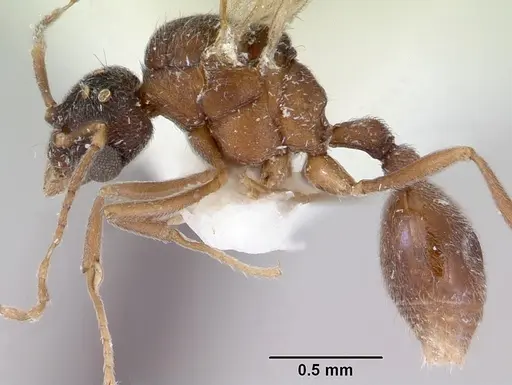
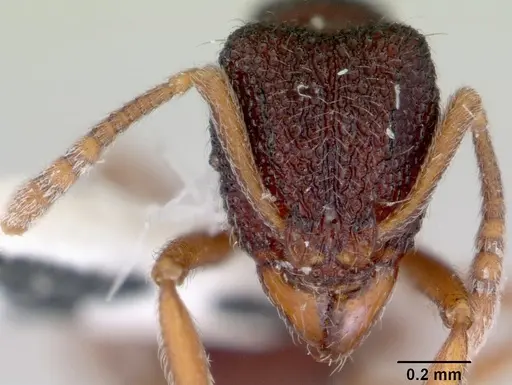
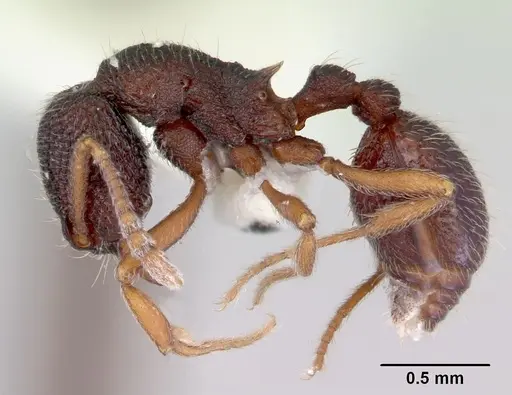
Indomyrma dasypyx is a rare and fascinating myrmicine ant endemic to the Western Ghats of India, specifically found in Karnataka and Kerala states. Workers are small at 3.3-3.6mm with a dark reddish-brown coloration, while queens reach 3.8-4.0mm. This species is remarkable for its extremely limited distribution, it was the only known species in its genus until the 2012 description of I. bellae, and for its unusual male transport behavior, where workers carry adult males by grasping their uniquely modified antennae like handles [1]. Colonies nest in rotten wood within broadleaf forest at elevations of 650-1000m, and show a fascinating behavior where they cluster tightly around their brood pile in artificial nests, virtually hiding it from view [1].
Quick Summary
- Difficulty: Medium
- Origin & Habitat: Western Ghats of India (Karnataka and Kerala states). Nests found in rotten logs in semideciduous/broadleaf forest at elevations of 650-1000m [1][2].
- Colony Type: Monogyne, colonies observed with a single dealate queen per nest. Colony size ranges from 10 to approximately 500 workers [1].
- Colony: Monogyne
- Size & Growth:
- Queen: 3.8-4.0mm [1]
- Worker: 3.3-3.6mm [1]
- Colony: Up to 500 workers [1]
- Growth: Unknown, no captive development studies exist
- Development: Unknown, no development data available for this species (Development timeline has not been studied. Related Myrmicinae species in similar habitats typically develop from egg to worker in 6-10 weeks at optimal temperatures.)
- Antkeeping:
- Temperature: Unknown, no thermal studies exist. Based on their natural habitat in the Western Ghats (tropical/subtropical forest at 650-1000m elevation), aim for warm room temperature around 22-26°C with a gentle gradient if possible.
- Humidity: Likely requires moderate to high humidity similar to other forest-floor Myrmicinae. Keep nest substrate consistently moist but not waterlogged. Their natural habitat in rotting wood suggests they prefer damp conditions.
- Diapause: Unknown, no documented diapause or seasonal behavior studies. The Western Ghats experience mild winters, so they may not require a true hibernation period.
- Nesting: In nature, they nest in rotten wood with multiple chambers within good-sized pieces of rotting logs. In captivity, a naturalistic setup with damp rotting wood or a plaster/acrylic nest with moisture retention works well. They do well in observation nests, Brown (1986) successfully kept colonies in plaster-bottomed artificial nests [1].
- Behavior: Workers are sluggish and relatively inactive. They show pronounced death-feigning behavior (thanatosis), entering a 'pupal pose' upon the slightest disturbance. Workers and queens cluster tightly on the brood pile, hiding it from view. A unique behavior is worker transport of adult males via their specially modified antennae, which form a curved 'handle' that workers grasp to carry males backwards. They are primarily predatory, accepting small insects but showing no interest in sugar sources in limited trials [1]. Escape risk is moderate due to their small 3-4mm size, standard barrier precautions apply.
- Common Issues: very limited availability, this species is rarely collected or available in the antkeeping hobby, specific humidity requirements are unclear, their rotting wood habitat suggests they need consistent moisture without drying out, dietary limitations, they appear strictly predatory and may refuse sugar water or honey, requiring constant live prey access, no documented development timeline makes timing unpredictable for new colonies, death-feigning may make them appear dead or unhealthy when disturbed, causing unnecessary concern
Natural History and Distribution
Indomyrma dasypyx is endemic to the Western Ghats mountain range in peninsular India, specifically found in Karnataka and Kerala states. This makes it a truly rare ant, it was the only known species in its genus for over 25 years until I. bellae was described from Vietnam in 2012. The species was collected from rotten logs in semideciduous to broadleaf forest at elevations between 650-1000 meters. The original collections came from four localities: Peria Forest Reserve in Kerala (around 900m elevation), Kottiyoor in Kerala's Wynaad Taluk (around 650m), and near Mercara in Karnataka (around 1000m). All type specimens were collected between 1962-1969,and the species has rarely been observed since. Colonies are small to moderate, ranging from about 10 to 500 workers. The fact that whole colonies were collected and some were kept alive for laboratory observation makes this one of the better-studied aspects of this species [1][2].
Housing and Nest Preferences
In their natural habitat, Indomyrma dasypyx nests inside rotting wood, specifically in good-sized pieces of rotten logs where they create several definite chambers. This is quite different from many Myrmicinae that nest in soil or under stones. In captivity, you should replicate this by providing a moist, wood-based nest material. Brown (1986) successfully kept colonies in plaster-bottomed observation nests, which retained moisture while allowing the ants to move through their chambers. A naturalistic setup with actual rotting wood pieces would be ideal but can be difficult to maintain. Alternatively, a Y-tong or acrylic nest with damp substrate works well, the key is ensuring the nest material stays consistently moist without becoming waterlogged. The ants prefer to cluster on their brood, so provide enough chamber space for the entire colony to gather around the brood pile. Avoid tall, open spaces, they prefer tight, enclosed chambers similar to what they would find in a rotting log [1].
Feeding and Diet
Based on the limited observations from Brown (1986), Indomyrma dasypyx is primarily predatory and shows no attraction to sugar sources. In artificial nests, workers accepted freshly killed housefly larvae, scarabaeid beetle larvae, and live but disabled adult chironomids and mosquitoes. They fed these prey items directly to the larger ant larvae. In one test, small droplets of diluted honey placed on waxpaper attracted no attention from the ants, though Brown notes this trial was very limited and shouldn't be taken as conclusive proof they never accept sweets. For captive care, offer small live or freshly killed insects appropriate to their tiny size: fruit flies, pinhead crickets, small mealworms, and similar prey items. They likely need a constant supply of small invertebrate prey rather than sugar water. Feed prey items twice weekly and remove any uneaten remains to prevent mold [1].
Behavior and Temperament
This species has several unusual behaviors that make it interesting to observe. Workers are notably sluggish, they move slowly and deliberately rather than darting around energetically. When disturbed, they enter a dramatic death-feigning state where they freeze in a 'pupal pose' and remain motionless. This thanatosis response is so pronounced that it was specifically mentioned in the original species description. Perhaps the most remarkable behavior is the male transport: adult males have uniquely modified antennae that form a curved, handle-like structure. Workers grasp these 'handles' with their mandibles, and the carried male folds up his legs and remains completely still while being transported backwards to a new location. This is one of the most distinctive behaviors known for this species and is rarely seen in other ants. Colonies are peaceful and not aggressive, their sluggish nature means they won't rush out to attack if the nest is opened [1].
Colony Structure and Queen Care
All four Kerala colonies observed by Brown (1986) were monogynous, meaning each nest contained only a single dealate (winged, mated) queen. The queens were deeply pigmented (dark reddish-brown) and clearly distinct from workers. While it's possible that other functional queens may have escaped notice during collection, the consistent finding of single-queen colonies strongly suggests this is a monogyne species. Queens are slightly larger than workers at 3.8-4.0mm and have the typical robust myrmicine build. When keeping this species, you should expect a single-queen colony structure. If you obtain a founding queen, she should be kept in a claustral setup (sealed in a chamber) with access to moisture but no food needed until her first workers emerge, though since founding behavior hasn't been directly studied, this is an inference from related species [1].
Frequently Asked Questions
How long does it take for Indomyrma dasypyx queens to raise their first workers?
The development timeline for this species has not been studied, so we don't have specific numbers. Based on related Myrmicinae in similar habitats, expect approximately 6-10 weeks from egg to first worker at optimal warm temperatures. You'll need patience with this species as no captive development data exists [1].
Can I keep multiple Indomyrma dasypyx queens together?
Based on field observations showing monogyne colonies (single queen), this species does not naturally form multi-queen colonies. The four colonies all had single queens, and there's no evidence of pleometrosis (multiple queens founding nests together). Keeping multiple unrelated queens together is not recommended, they would likely fight [1].
Do Indomyrma dasypyx ants sting?
This species is too small to effectively sting humans. Like most tiny Myrmicinae, they may have a stinger but it's not capable of penetrating human skin. They are not considered dangerous to keep [1].
What do Indomyrma dasypyx eat?
They are primarily predatory, accepting small insects like fruit flies, housefly larvae, small mealworms, and similar tiny prey. They showed no interest in sugar water or honey in limited trials. Feed them small live or freshly killed insects appropriate to their 3-4mm size [1].
Are Indomyrma dasypyx good for beginners?
This species is not ideal for beginners. It's extremely rare in the hobby, has no captive breeding history in antkeeping, and requires specific conditions (rotten wood nesting, high humidity, live prey diet) that aren't well-documented. The lack of development data and potential difficulty in obtaining specimens makes this an expert-level species [1].
Do Indomyrma dasypyx need hibernation?
Diapause requirements are unknown for this species. They come from the Western Ghats of India, which has a tropical to subtropical climate with mild winters. They likely do not require a true hibernation period, but may benefit from a slight reduction in temperature during winter months. More research is needed on their seasonal behavior [1].
Why do my Indomyrma dasypyx play dead when I open the nest?
This is normal behavior, they show pronounced death-feigning (thanatosis) where workers freeze and curl up when disturbed. This was specifically noted in the original species description as a characteristic behavior. Don't mistake this for illness or death, they will recover once the disturbance passes [1].
What size colony does Indomyrma dasypyx reach?
Colony sizes in the wild range from about 10 to 500 workers. The Kerala colonies had 100-500 workers plus brood in all stages. This is a small to moderate colony size, they won't become massive like some Lasius or Camponotus species [1].
When will Indomyrma dasypyx have nuptial flights?
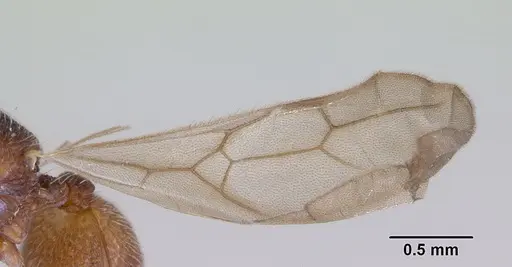
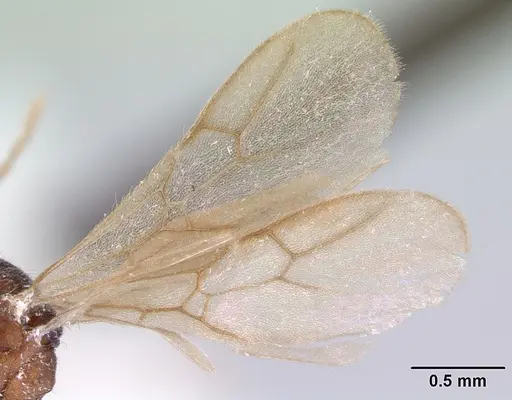
The timing of nuptial flights has not been documented. The original collections from Kerala in April contained sexual brood (both males and queens), and laboratory colonies were still producing winged forms in mid-May. This suggests flights likely occur during the Indian summer months, but specific timing is unknown [1].
References

This caresheet is licensed under CC BY-SA 4.0 .
CASENT0101922
View on AntWeb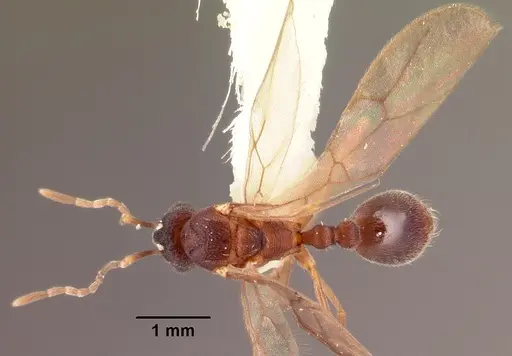
CASENT0101964
View on AntWeb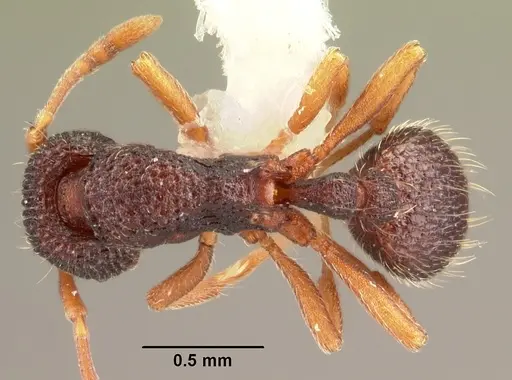
CASENT0104325
View on AntWeb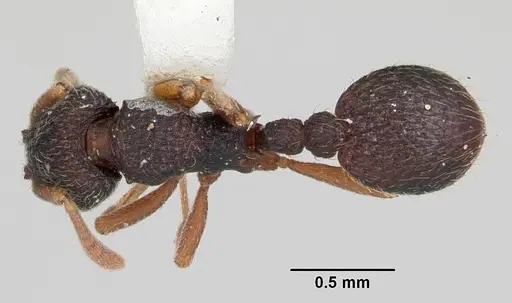
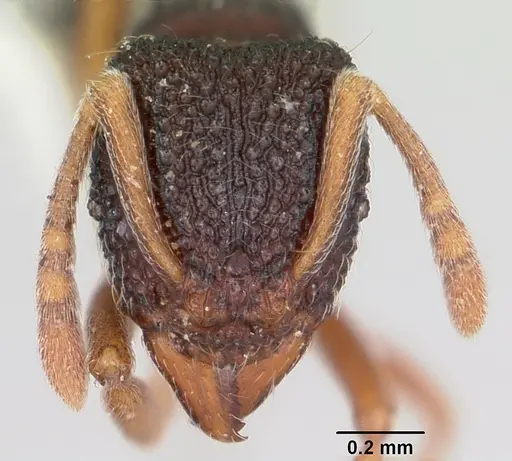
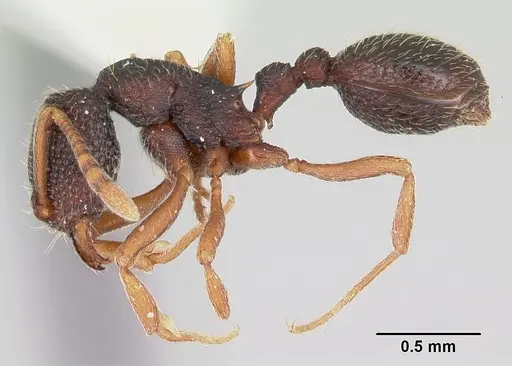
CASENT0104914
View on AntWeb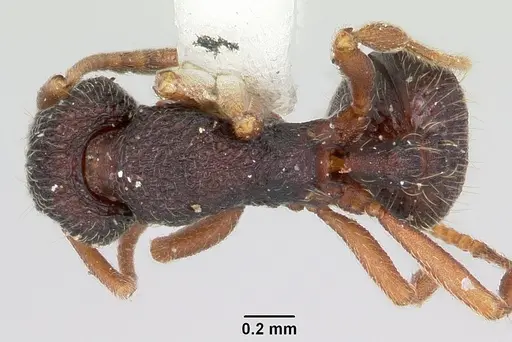
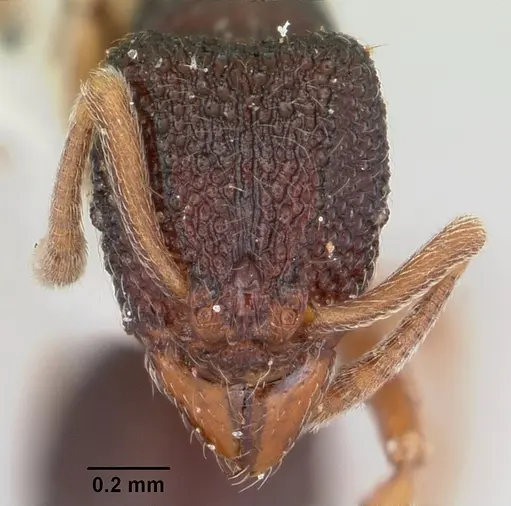
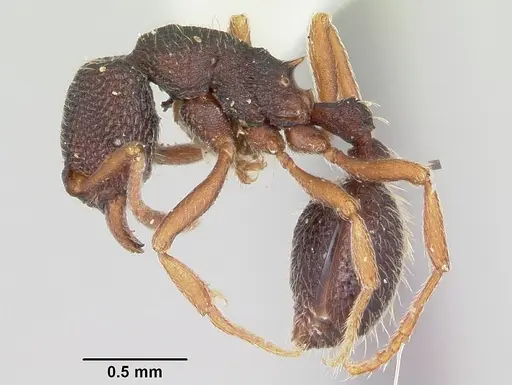
CASENT0104915
View on AntWeb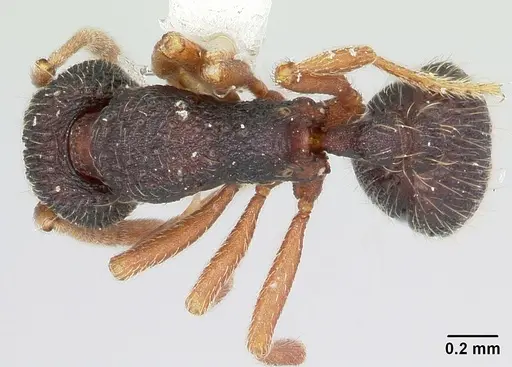
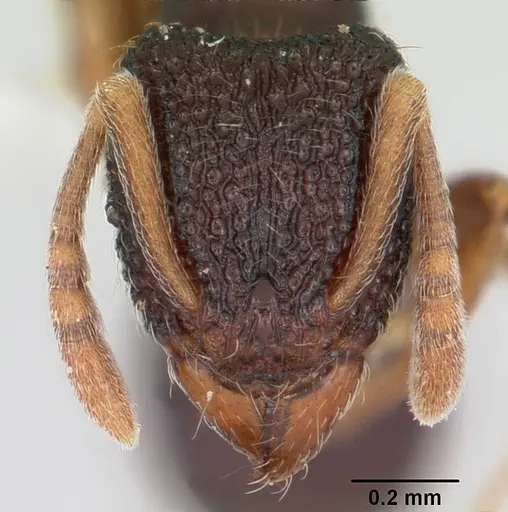
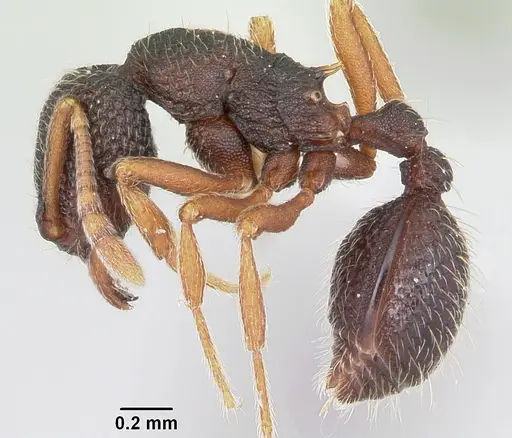
CASENT0172281
View on AntWeb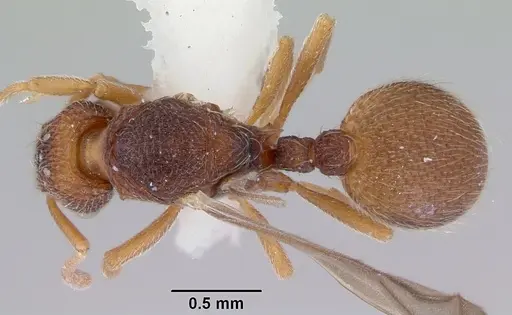
CASENT0172282
View on AntWeb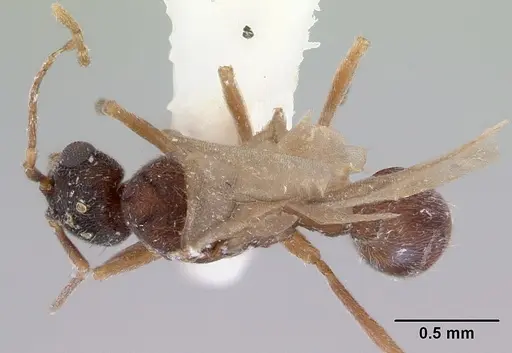
CASENT0172283
View on AntWeb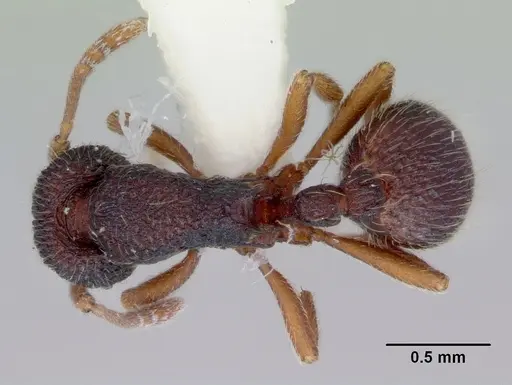
CASENT0900976
View on AntWeb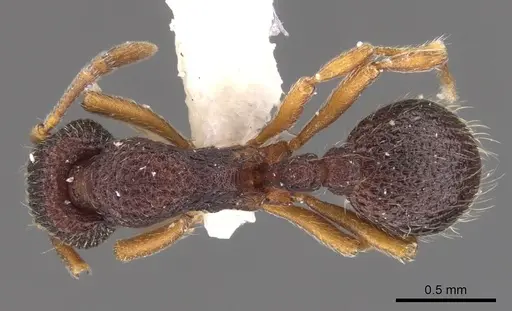
Literature
Loading...Loading products...