

Hypoponera vitiensis
- Scientific Name
- Hypoponera vitiensis
- Tribe
- Ponerini
- Subfamily
- Ponerinae
- Author
- Mann, 1921
- Distribution
- Found in 1 countries
Hypoponera vitiensis Overview
Hypoponera vitiensis is an ant species of the genus Hypoponera. It is primarily documented in 1 countries , including Fiji. Detailed taxonomic data and occurrence records can be further explored via authoritative databases such as AntWeb or the Global Biodiversity Information Facility (GBIF).
Hypoponera vitiensis
Hypoponera vitiensis is a small ant species endemic to the Fiji islands, specifically found only on Viti Levu [1][2]. Originally described as Hypoponera vitiensis by Mann in 1921,it was later moved to the genus Hypoponera by Bolton in 1995 [1]. Workers are typical of the Ponerinae subfamily, small, slender ants with a distinct petiole (the narrow waist segment between thorax and abdomen) and a potent sting. The genus Hypoponera contains predatory ants that hunt small invertebrates, and this species likely plays a role in the forest floor ecosystem of Fiji's tropical habitats. This is a rarely kept species in captivity due to its limited distribution and the fact that most specimens available are wild-caught from a single island.
Quick Summary
- Difficulty: Medium
- Origin & Habitat: Endemic to Viti Levu, Fiji Islands, a tropical Pacific island environment [1][2]. Found in forest habitats where it nests in soil or under stones.
- Colony Type: Colony structure is unconfirmed. Based on typical Hypoponera patterns, likely single-queen (monogyne) colonies.
- Size & Growth:
- Queen: Estimated 4-5mm based on genus patterns
- Worker: Estimated 2.5-3.5mm based on genus patterns
- Colony: Likely small colonies, under 200 workers based on typical Ponerinae patterns
- Growth: Moderate, Ponerines tend to grow more slowly than many Myrmicines
- Development: Estimated 6-10 weeks at tropical temperatures (24-28°C) based on related Ponerinae species (Development time is estimated from genus-level data since specific studies are lacking for this species)
- Antkeeping:
- Temperature: Keep at 24-28°C, these are tropical ants from Fiji and need warm conditions [3]. A heating cable on one side of the nest can create a gentle gradient.
- Humidity: High humidity preferred, aim for 70-80% relative humidity. Keep the nest substrate consistently moist but not waterlogged. These forest floor ants need damp conditions.
- Diapause: Unlikely, as a tropical species from near the equator, they probably do not require a true diapause. However, activity may slow slightly during cooler periods.
- Nesting: In nature they likely nest in soil or under stones in forest habitats. In captivity, a test tube setup or small acrylic/plaster nest with moist substrate works well. They prefer tight, enclosed spaces.
- Behavior: Hypoponera ants are predatory, using their sting to subdue small prey. Workers are typically slow-moving and deliberate, hunting micro-arthropods on the forest floor. They are not aggressive toward humans but will sting if provoked, the sting is painful for their size though the ants are too small to cause significant harm. Escape prevention is important as they can squeeze through small gaps, use tight-fitting lids and fine mesh barriers. They are not prolific escape artists but their small size means they can fit through gaps that larger ants cannot.
- Common Issues: wild-caught colonies may have parasites that can decimate the colony in captivity, small colony size means they are vulnerable to disturbance, handle gently and minimize nest inspections, humidity control is critical, too dry and brood dies, too wet and mold becomes a problem, limited availability means established colonies are rare in the hobby, tropical species, temperature drops below 20°C can cause problems
Housing and Nest Setup
Hypoponera vitiensis does well in small, enclosed nest setups that maintain high humidity. A test tube setup works excellently for founding colonies, fill the tube one-third with water and plug with cotton, providing a dark environment for the queen. For established colonies, a small acrylic nest or plaster nest with narrow chambers helps maintain the humidity they need. The nest material should be kept consistently moist but never sitting in standing water. Avoid large, open spaces in the nest, these ants prefer tight, enclosed chambers that mimic their natural soil nesting sites. Place the nest in a warm area (24-28°C) away from direct sunlight and vibrations. [3]
Feeding and Diet
As predatory Ponerinae ants, Hypoponera vitiensis primarily hunts small invertebrates. In captivity, offer small live prey such as fruit flies, pinhead crickets, small mealworms, and other tiny arthropods. They will likely accept protein-rich foods like crushed insects and may take sugar water or honey occasionally, though predatory species often ignore sugar sources. Feed every 2-3 days, offering prey items that are appropriately sized, no larger than the ant's head. Remove uneaten prey after 24 hours to prevent mold. A varied diet helps ensure colony health.
Temperature and Seasonal Care
These Fiji-endemic ants require warm, stable temperatures throughout the year. Maintain nest temperatures between 24-28°C year-round. A small heating cable or heating mat placed on one side of the nest creates a temperature gradient that allows the ants to regulate their own exposure to warmth. Room temperature may be sufficient if your home stays in this range, but monitor with a thermometer. Unlike temperate species, they do not require hibernation or diapause. However, avoid temperature extremes and sudden changes. Cooler temperatures (below 20°C) can slow activity and potentially harm brood. [3]
Colony Development and Growth
Hypoponera colonies grow more slowly than many common ant species. A founding queen will lay eggs shortly after establishing, and these develop through larval and pupal stages to become workers. The first workers (nanitics) are typically smaller than mature workers and help the colony expand. Expect 6-10 weeks from egg to first worker at optimal temperatures, though this is estimated since specific development data for this species is lacking. Colony growth is gradual, a well-established colony might reach 50-100 workers over several years. Patience is key with this species.
Handling and Temperament
Hypoponera ants are not aggressive but possess a functional sting that they may use if threatened. The sting is painful for their small size but causes no lasting harm to humans. They are docile and slow-moving, not given to major escape attempts. However, their small size means they can slip through tiny gaps, use tight-fitting lids and fine mesh on any outworld connections. When observing the colony, minimize disturbances to the nest. Wild-caught colonies are sensitive to captivity and may take time to acclimate. Once established, they are relatively hardy but prefer stability.
Frequently Asked Questions
How long does it take for Hypoponera vitiensis to have first workers?
Expect 6-10 weeks from egg to first worker at optimal temperatures (24-28°C). This is an estimate based on related Ponerinae species since specific development data for this species is lacking.
What do Hypoponera vitiensis ants eat?
They are predatory ants that hunt small invertebrates. Feed small live prey like fruit flies, tiny crickets, and small mealworms. They may accept sugar water occasionally but protein-rich prey is essential.
Can I keep multiple Hypoponera vitiensis queens together?
Not recommended. There is no data on pleometrosis (multiple queen founding) for this species, and combining unrelated queens typically leads to fighting. Keep one queen per colony.
Do Hypoponera vitiensis need hibernation?
No. As a tropical species from Fiji near the equator, they do not require a true diapause. Keep them warm year-round at 24-28°C.
Are Hypoponera vitiensis good for beginners?
This species is not ideal for complete beginners due to specific humidity and temperature requirements, plus limited availability. However, intermediate antkeepers with some experience can succeed with this species.
How big do Hypoponera vitiensis colonies get?
Based on typical Ponerinae patterns, colonies likely remain relatively small, probably under 200 workers even in established nests.
What temperature do Hypoponera vitiensis need?
Keep them at 24-28°C year-round. These tropical ants need consistently warm conditions. A heating cable on part of the nest can help maintain proper temperatures.
Why is my Hypoponera vitiensis colony dying?
Common causes include: temperature too low (below 20°C), humidity too dry, mold from over-wetting, stress from excessive disturbance, or parasites from wild-caught colonies. Check all environmental parameters and minimize nest inspections.
When should I move Hypoponera vitiensis to a formicarium?
Wait until the colony has at least 20-30 workers and the test tube is becoming crowded. Ponerines prefer stable conditions, so only move when necessary and use a smooth transition method.
References

This caresheet is licensed under CC BY-SA 4.0 .
CASENT0260379
View on AntWeb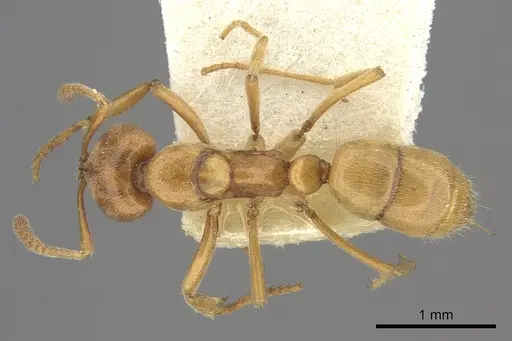
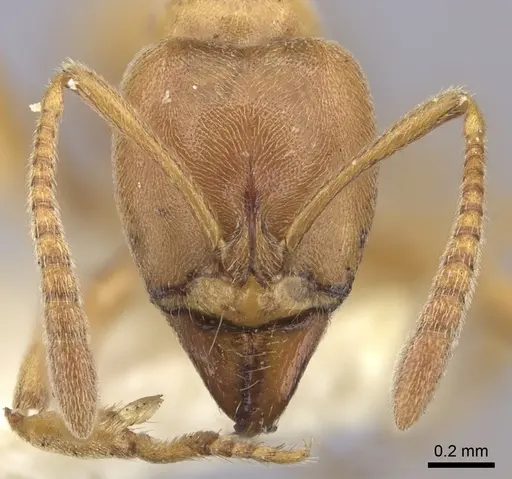
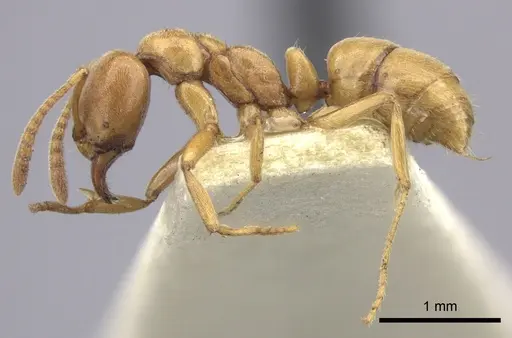
Literature
Loading...Loading products...