

Hypoponera turaga
- Scientific Name
- Hypoponera turaga
- Tribe
- Ponerini
- Subfamily
- Ponerinae
- Author
- Mann, 1921
- Distribution
- Found in 2 countries
Hypoponera turaga Overview
Hypoponera turaga is an ant species of the genus Hypoponera. It is primarily documented in 2 countries , including Fiji, Wallis and Futuna. Detailed taxonomic data and occurrence records can be further explored via authoritative databases such as AntWeb or the Global Biodiversity Information Facility (GBIF).
Hypoponera turaga
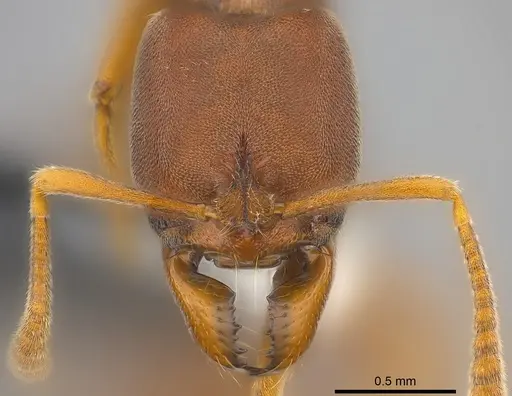
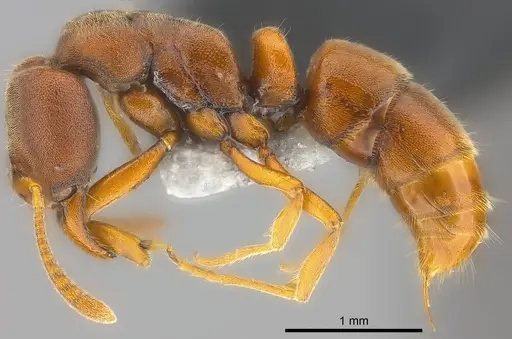
Hypoponera turaga is a small, cryptic ant species endemic to the Fiji Islands. Workers are modest in size and typically dark brown to black in color. Originally described as Hypoponera turaga by Mann in 1921,this species was later reclassified into the genus Hypoponera. The species is known only from Fiji, where it has been recorded from the three major islands of Viti Levu, Kadavu, and Taveuni [1][2]. As a Ponerine ant, they possess a functional stinger and are predatory in their feeding habits. This species remains poorly studied in the scientific literature, with most records dating back to early 20th-century collections.
Quick Summary
- Difficulty: Medium
- Origin & Habitat: Endemic to Fiji Islands, found on Viti Levu, Kadavu, and Taveuni [1][2]. As a tropical island species, they likely inhabit forest floor environments in the humid, warm climate of Fiji.
- Colony Type: Colony structure is unconfirmed. Based on typical Hypoponera patterns, likely single-queen (monogyne) colonies.
- Size & Growth:
- Queen: Unknown, estimated 4-6mm based on genus patterns
- Worker: Unknown, estimated 2.5-4mm based on genus patterns
- Colony: Unknown, likely small to moderate colonies typical of Hypoponera
- Growth: Unknown
- Development: Unknown, estimated 6-10 weeks based on related Ponerine species at tropical temperatures (Development time is unconfirmed for this species. Estimates based on genus-level patterns for similar tropical Ponerines.)
- Antkeeping:
- Temperature: Keep warm, around 24-28°C. Tropical species requiring stable warm conditions.
- Humidity: High humidity preferred, aim for 70-80%. Keep substrate consistently moist but not waterlogged.
- Diapause: Unlikely, as a tropical species from Fiji, they probably do not require a true hibernation period. May show reduced activity during cooler months.
- Nesting: Natural nesting habitat is unconfirmed. Likely nests in soil, under stones, or in rotting wood on the forest floor. In captivity, a naturalistic setup with moist substrate or a Y-tong/plaster nest works well.
- Behavior: Temperament is defensive, Ponerine ants are typically more aggressive than many Formicinae and possess functional stingers. They are predatory and likely hunt small invertebrates. Escape risk is moderate, use standard barrier methods. Activity level is moderate, with workers foraging on the forest floor.
- Common Issues: tropical species requires warm, stable temperatures, cold drafts can be fatal, high humidity needs can lead to mold if ventilation is poor, predatory diet means they need live prey, sugar sources may not be accepted, specific dietary requirements are unknown due to limited species research, wild-caught colonies may be difficult to locate as the species is rarely encountered
Housing and Nest Setup
Hypoponera turaga is a tropical species that needs warm, humid conditions. A naturalistic setup with a moist soil substrate works well, you can use a dirt-filled formicarium or a test tube setup with a water reservoir. The nest area should stay consistently moist but never waterlogged. Since this species is rarely kept in captivity, start with standard Ponerine setups and adjust based on colony behavior. A Y-tong (acrylic) nest with narrow chambers can also work, but ensure you maintain high humidity by keeping the water reservoir filled. Provide an outworld area for foraging that is easy to clean.
Feeding and Diet
As a Ponerine ant, Hypoponera turaga is predatory and needs protein-rich foods. Offer small live prey such as fruit flies, pinhead crickets, small mealworms, or other tiny invertebrates. They likely hunt springtails, small beetles, and other forest floor arthropods in the wild. Sugar sources (honey, sugar water) may or may not be accepted, some Ponerines take them, others ignore them entirely. Offer sugar occasionally but do not rely on it as a primary food source. Feed protein prey 2-3 times per week, removing any uneaten prey within 24 hours to prevent mold.
Temperature and Seasonal Care
Keep your colony at 24-28°C, Fiji is consistently warm year-round, so these ants do not tolerate cool temperatures. A heating cable on one side of the nest can create a temperature gradient, allowing ants to move between warmer and cooler areas. Avoid placing the nest near air conditioning vents, windows with cold drafts, or any area that dips below 22°C. Unlike temperate species, they likely do not need a hibernation period. However, they may slow down slightly during Fiji's cooler months (roughly May to October), so slightly reduce feeding during this period rather than maintaining full feeding schedules.
Behavior and Defense
Ponerine ants like Hypoponera turaga are more primitive than many commonly kept ants and retain a functional stinger. Workers are defensive and will sting if threatened. The sting is not dangerous to healthy humans but can be painful. These ants are not aggressive toward humans unprovoked, but disturbing the nest or handling them roughly will result in stinging behavior. Workers are likely nocturnal or crepuscular foragers, hunting during cooler parts of the day in their natural habitat. In captivity, they will likely show most activity in the evening and night hours.
Frequently Asked Questions
How long does it take for Hypoponera turaga to produce first workers?
The exact development time is unknown. Based on related Ponerine species, expect 6-10 weeks from egg to first worker at optimal tropical temperatures (around 26°C).
What do Hypoponera turaga eat?
They are predatory and need live protein prey. Offer small insects like fruit flies, pinhead crickets, or small mealworms. Sugar sources may be accepted occasionally but should not be the primary food.
Can I keep multiple queens together?
This has not been documented for this species. Based on typical Hypoponera behavior, single-queen colonies are most likely. Do not combine unrelated queens.
Do Hypoponera turaga need hibernation?
No, as a tropical species from Fiji, they do not require hibernation. Keep them warm year-round at 24-28°C.
Are Hypoponera turaga good for beginners?
This species is not ideal for beginners due to limited available care information and specific humidity/temperature needs. If you have experience with other Ponerines like Ponera or Cryptopone species, this could be a rewarding challenge.
How big do Hypoponera turaga colonies get?
Colony size is unknown for this species. Based on typical Hypoponera genus patterns, colonies likely reach several hundred workers at most.
What temperature should I keep Hypoponera turaga at?
Keep them warm at 24-28°C. This is a tropical species that needs consistent heat year-round.
When should I move them to a formicarium?
Start with a simple setup (test tube or small container) for the founding queen. Once the colony reaches 20-30 workers and you see consistent activity, you can move them to a larger naturalistic setup if desired.
Why are my Hypoponera turaga dying?
Common causes include: temperatures below 22°C, substrate drying out, mold from poor ventilation, or lack of appropriate live prey. Review your temperature and humidity levels first.
References

This caresheet is licensed under CC BY-SA 4.0 .
CASENT0186517
View on AntWeb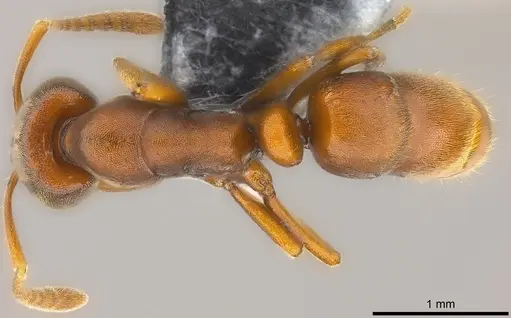
Literature
Loading...Loading products...